 Add to Google calendar
 Add to Outlook calendar
Abstract
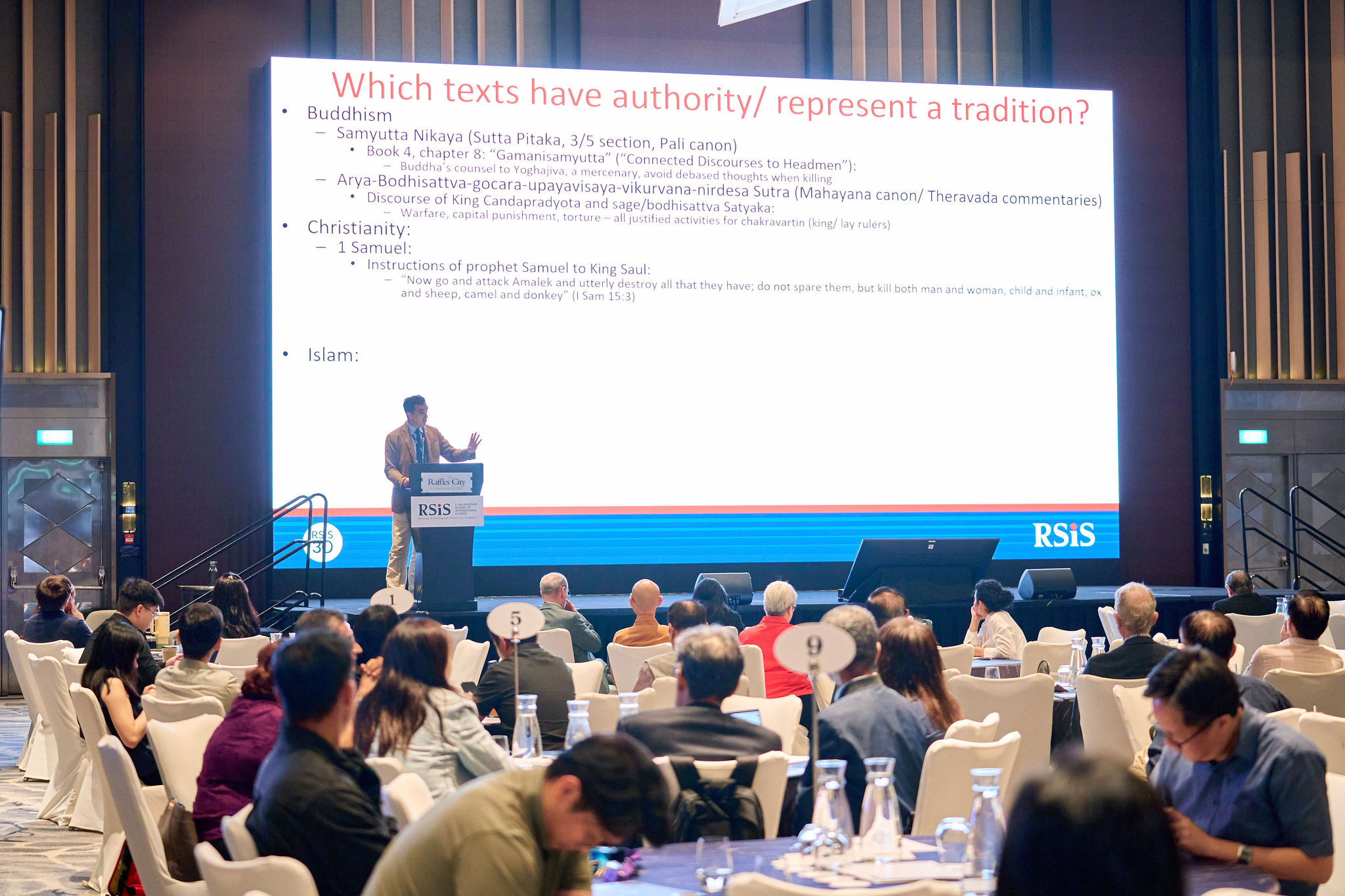
Religious diversity is a defining feature of contemporary societies, nowhere more so than in Southeast Asia and Singapore. Yet in a globalised and polarised world, difference is too often weaponised as a marker of exclusion. While political factors and identity politics are part of the matrix, religious division is also sometimes fuelled by an appeal to the scriptural and foundational texts of the religious traditions. In our interconnected yet fractured world, religious texts serve as both a profound source of meaning and a volatile flashpoint. These sacred texts shape our identities and communities, yet their interpretation lies at the heart of our contested worlds, fuelling polarisation from the global stage to local neighbourhoods, including those across Southeast Asia.
The challenge of religious diversity is no longer simply about achieving coexistence; it is about building genuine relationships and social resilience. How can plural societies withstand the pressures of exclusive truth claims and identity politics without fragmenting? The answer lies not in ignoring our religious texts, but in engaging them more deeply. While some interpretations of scripture are used to draw hard lines of division, these same traditions contain powerful resources for fostering empathy, understanding, and robust pluralism. These are the very ingredients of a resilient society, one that can absorb shocks, adapt to differences, and maintain its social fabric.
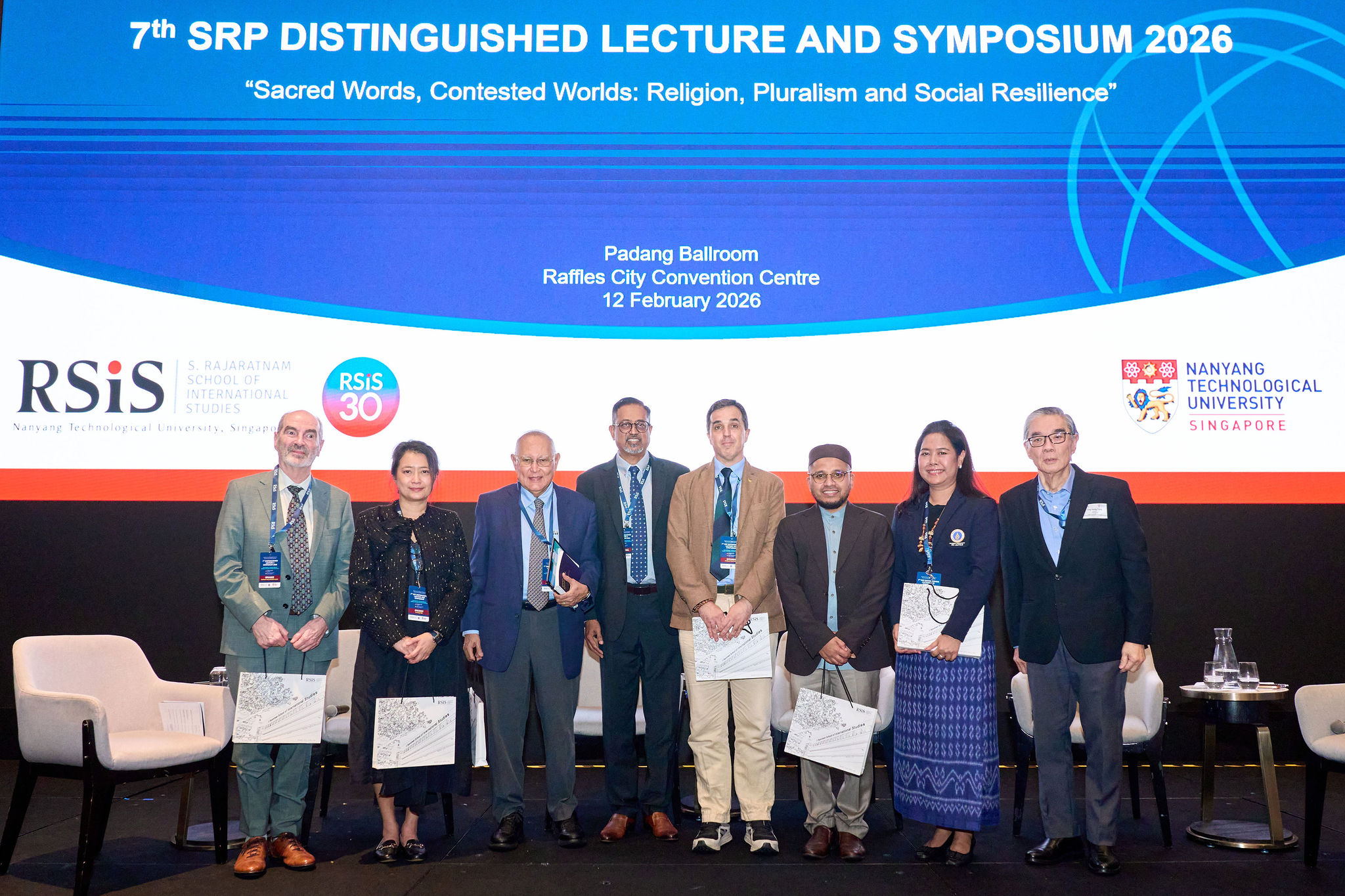
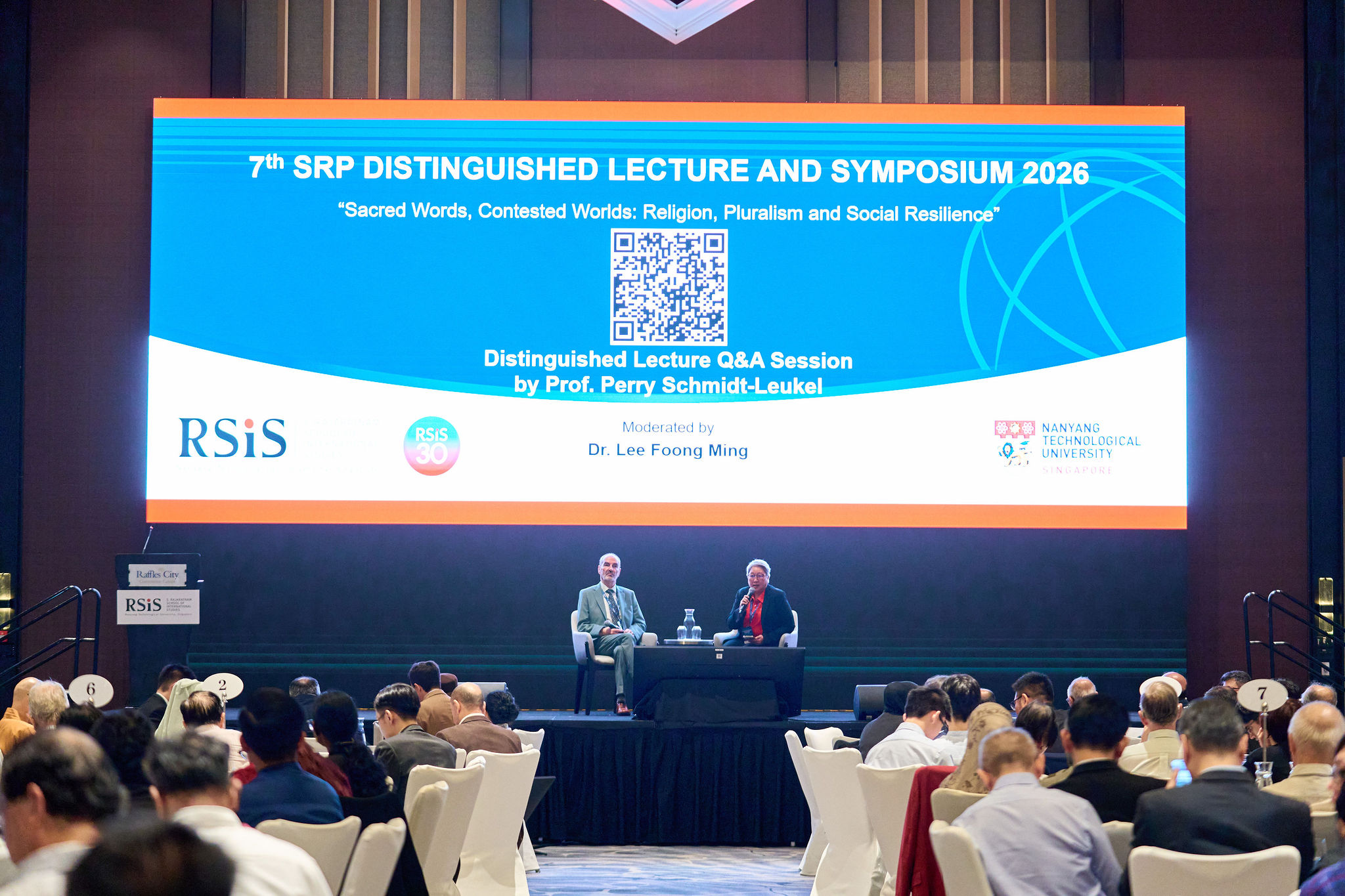
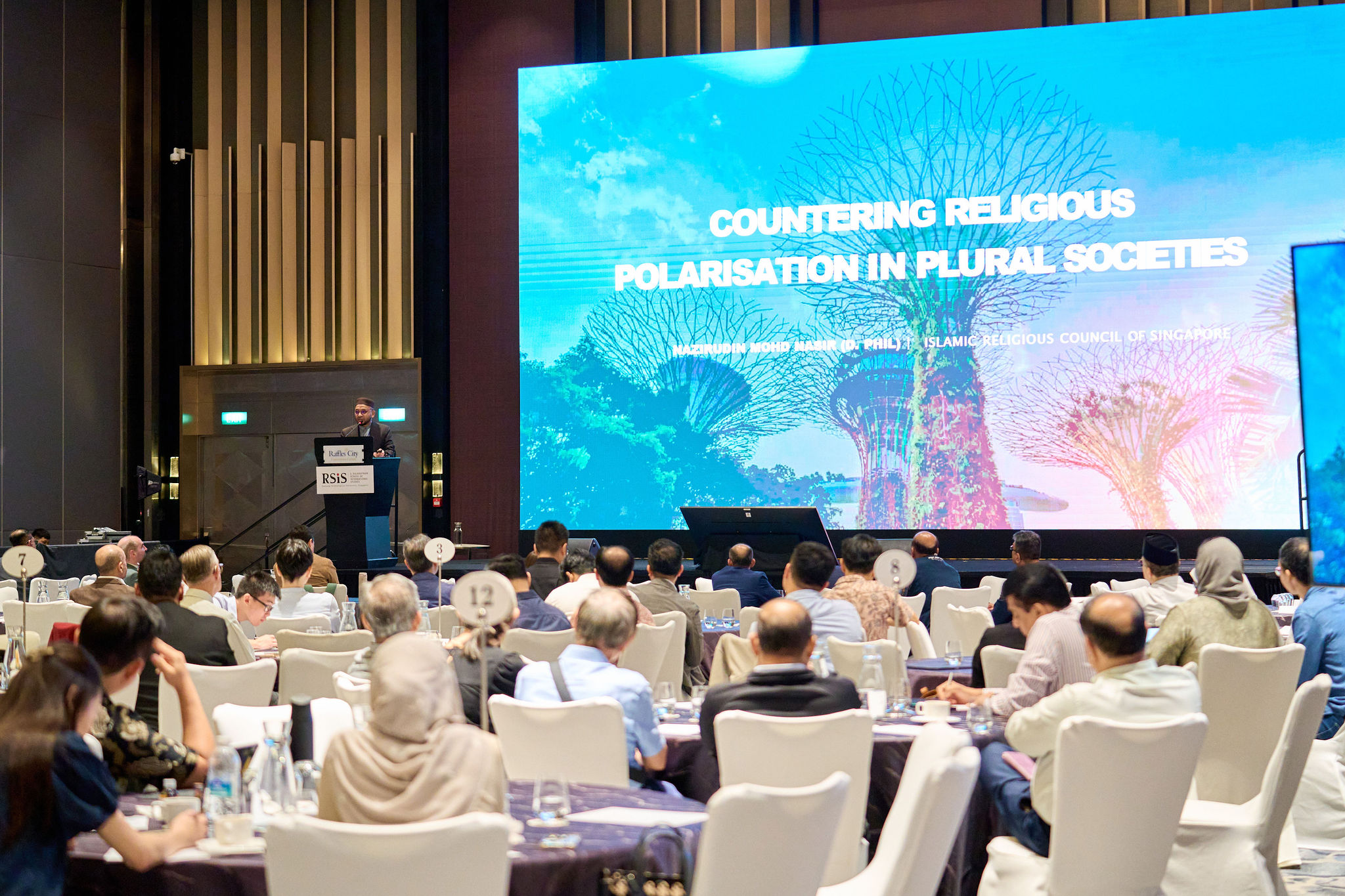
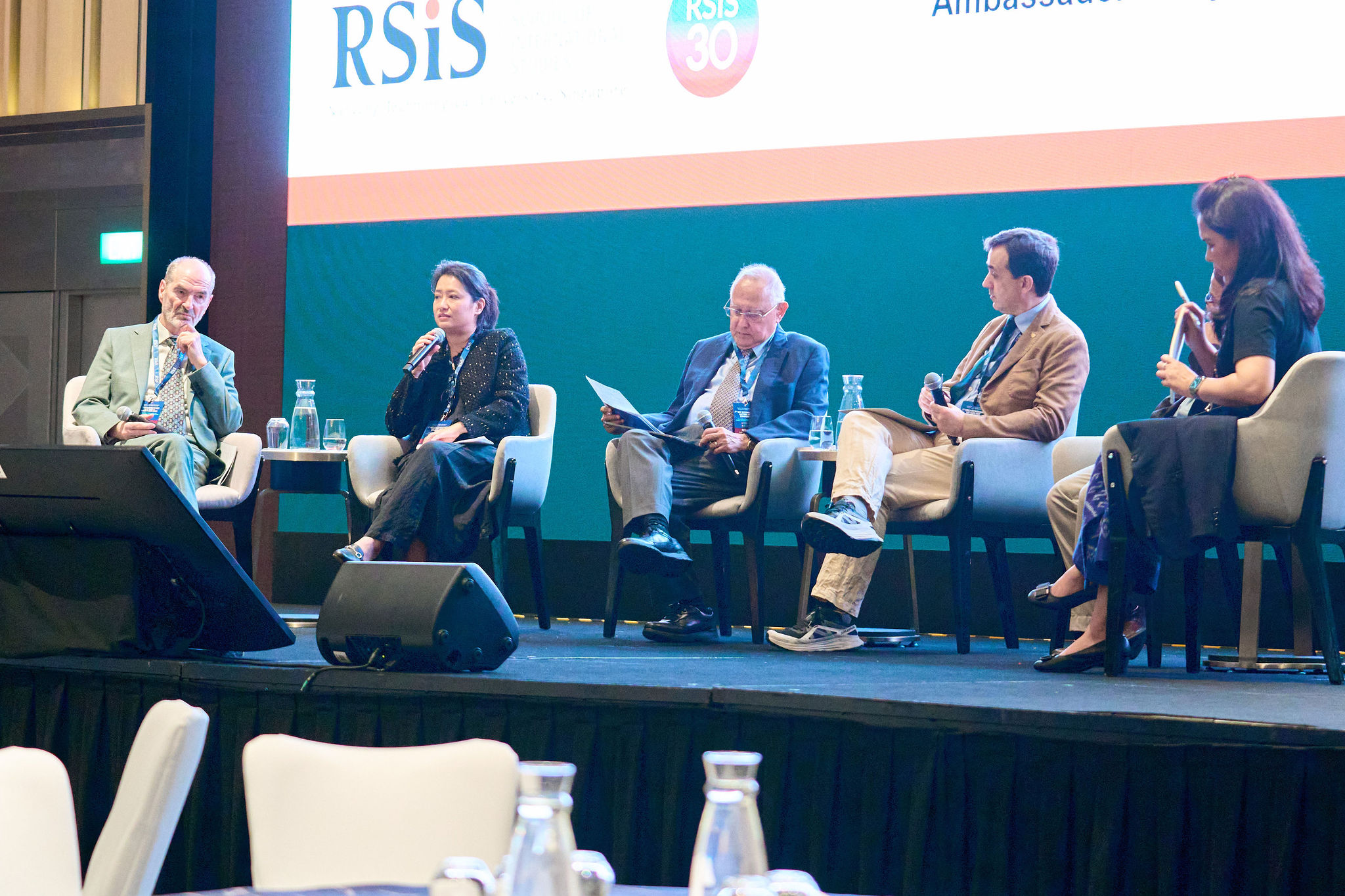
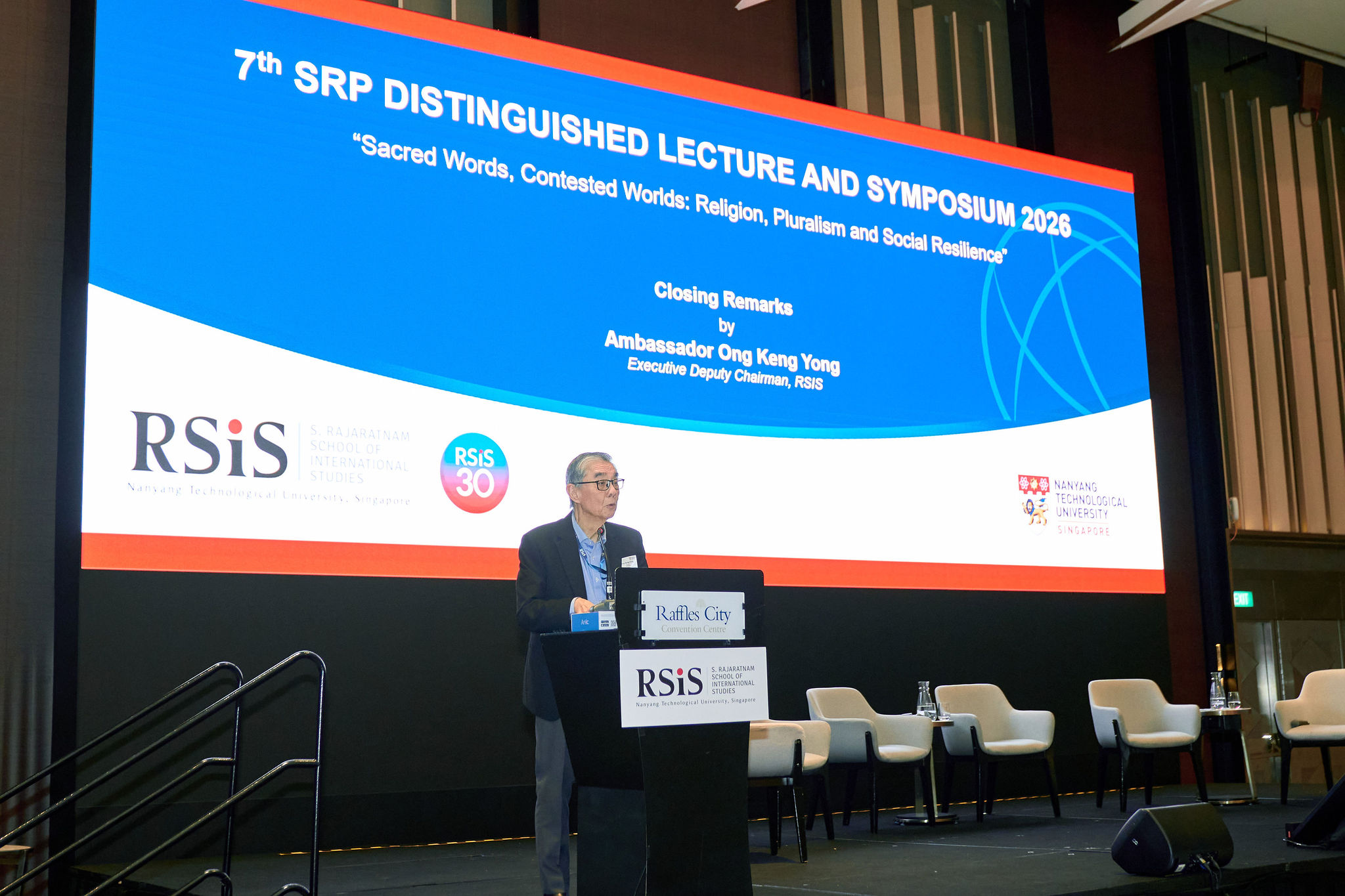
Moving beyond the diagnosis of religious conflict, the 7th SRP Distinguished Lecture and Symposium (DLS 2026), themed “Sacred Words, Contested Worlds: Religion, Pluralism and Social Resilience”, brings together leading scholars and practitioners in theology, history, and law to explore practical solutions. The DLS 2026 will investigate the hermeneutics of both division and harmony, asking how communities can consciously cultivate interpretations that strengthen social bonds rather than weaken them. The symposium presents a timely opportunity to harness the wisdom within religious texts to forge cohesive, resilient societies that are fit for a complex future, moving from scriptural insight to lived social harmony.
About the Speakers
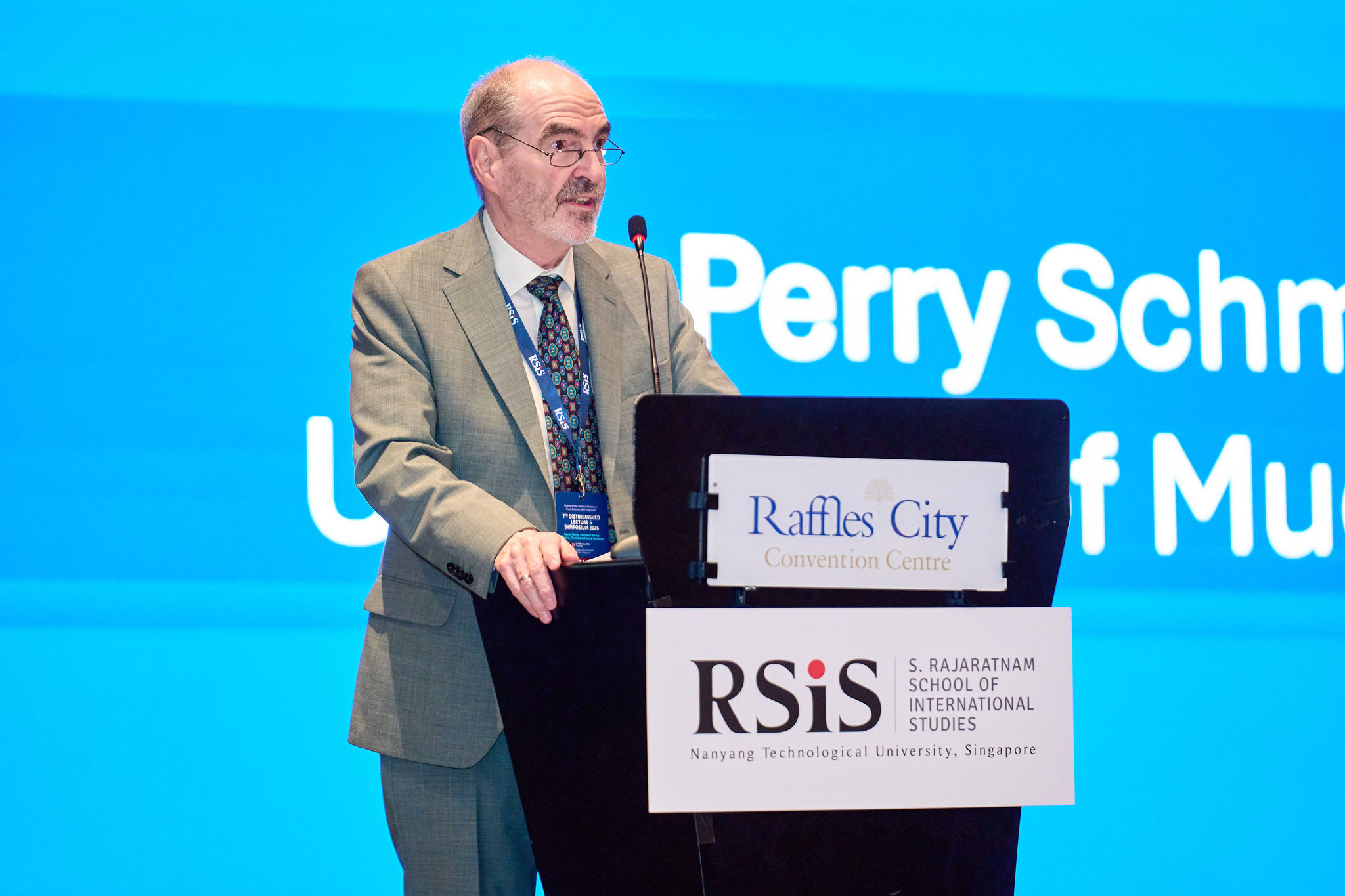
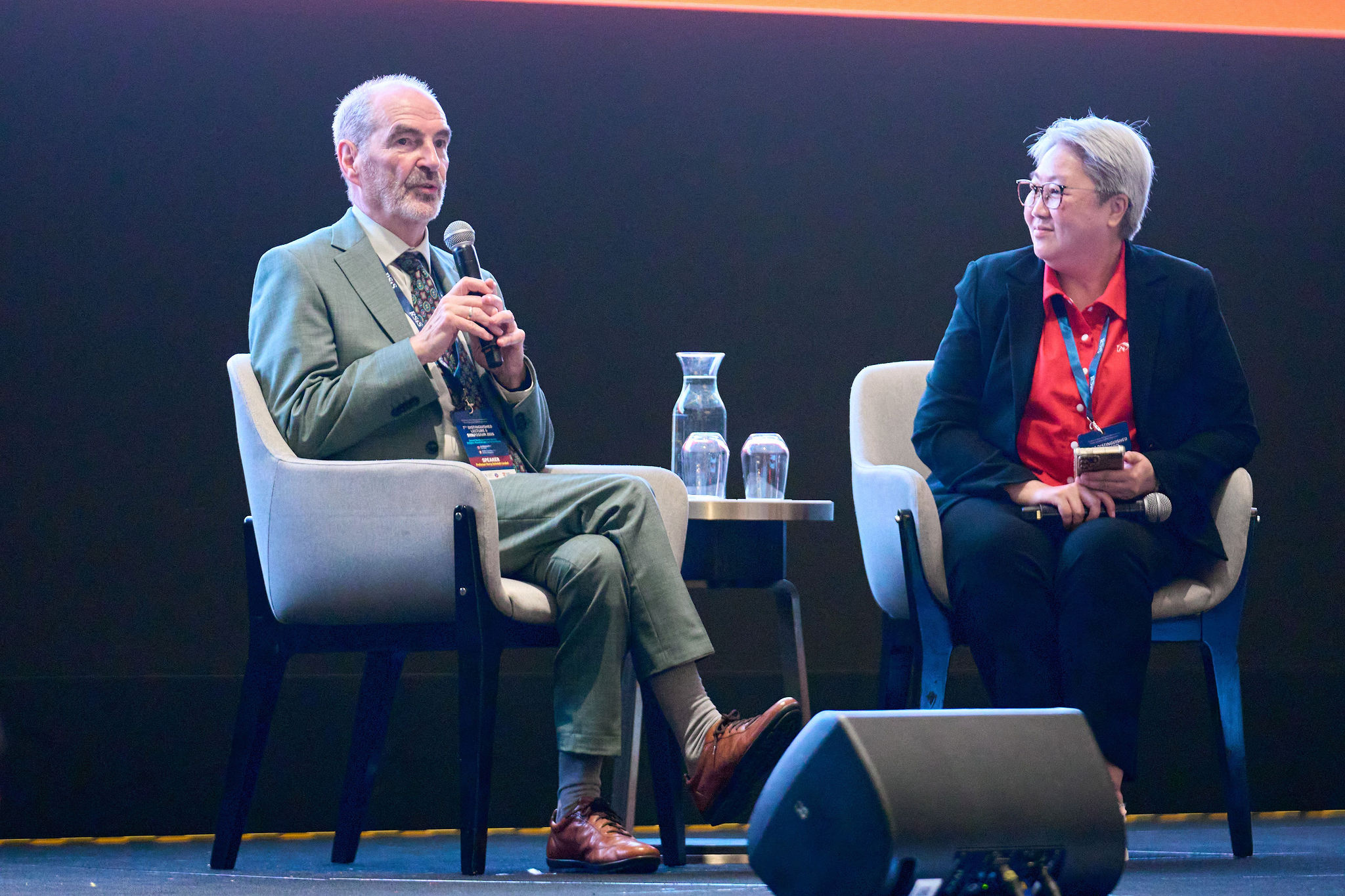
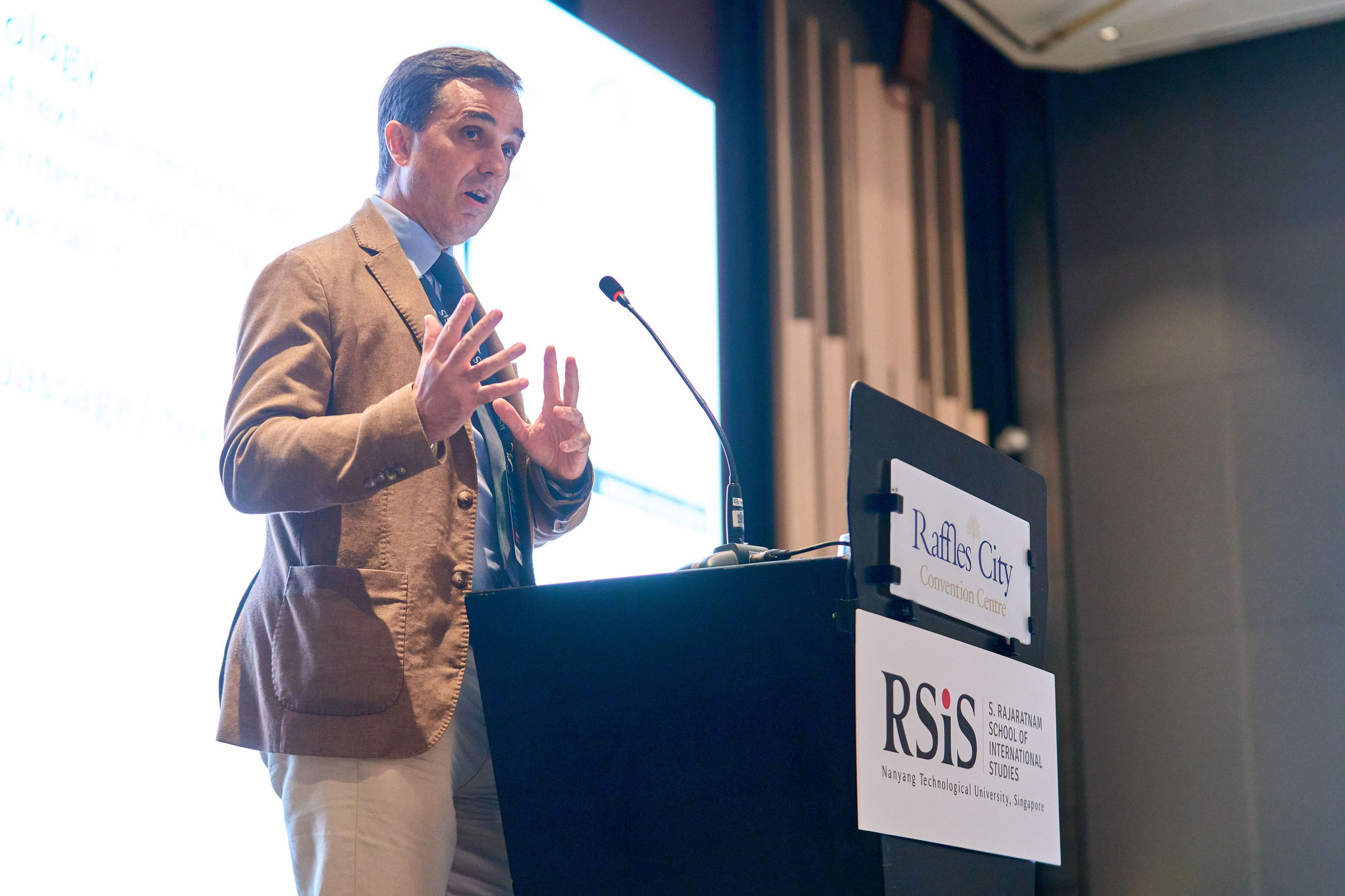
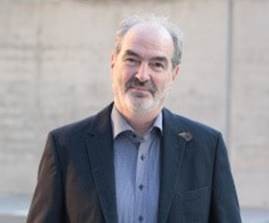 Perry Schmidt-Leukel is Senior Professor of Religious Studies and Intercultural Theology at the University of Münster, Germany and was Director of the Institute for Religious Studies and Intercultural Theology. He received his PhD in Theology from the University of Munich (1992). His habilitation (1996) was in Systematic Theology, Ecumenical Theology and Religious Studies. Prior to joining the University of Münster, he taught at the Universities of Munich, Innsbruck and Salzburg and was Professor of Religious Studies and Systematic Theology at the University of Glasgow (2000-2009). In 2015, he delivered the prestigious Gifford Lectures at the University of Glasgow.
Schmidt-Leukel is internationally renowned as one of the leading proponents of a pluralist theology of religions. His primary research interests lie in the fields of interfaith relations, Buddhist-Christian dialogue, theologies of religions within various religious traditions, and interreligious theology. He has published over 30 books in both German and English. Among his more recent English publications are: The Celestial Web: Buddhism and Christianity – A Different Comparison (Orbis Books, 2024); Buddha Mind – Christ Mind: A Christian Commentary on the Bodhicaryāvatāra (Peeters, 2019); and God Beyond Boundaries: A Christian and Pluralist Theology of Religions (Waxmann, 2017).
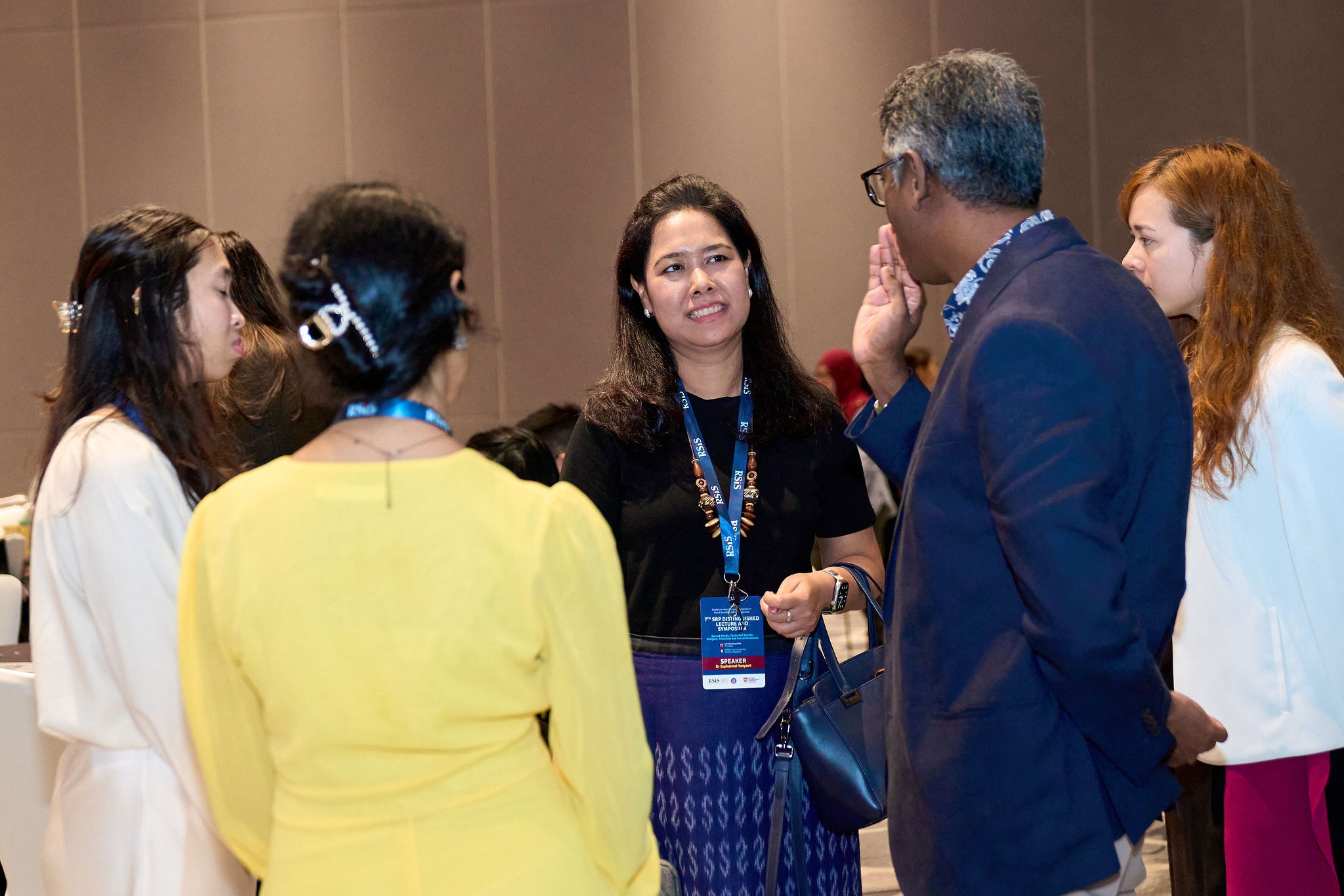
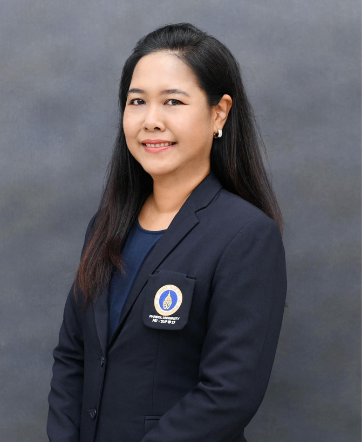 Suphatmet Yunyasit is a lecturer in the field of conflict and peace studies, Institute of Human Rights and Peace Studies (IHRP), Mahidol University, Thailand. She is also currently served as Secretary-General, Religions for Peace-Interreligious Council of Thailand (RfP-IRC). She started her work on conflict transformation and peacebuilding in 2012 after graduated with a Ph.D in Anthropology with focus on ethno-religious minority group’s struggle to preserve identity and build community. Working at IHRP and serving as Secretary General of RfP Thailand, she has organized and facilitated intra and interreligious dialogues designed for conflict transformation and relationship building between conflicting parties in Thailand’s three southernmost provinces. Her current project focuses on the participation and roles of the Buddhists of the South in conflict transformation and peacebuilding. Her research interests and expertise include conflict transformation in Thailand and Southeast Asian contexts, inter-ethnic/religious and majority-minority interaction in multicultural societies, freedom of religion or belief (FoRB), and cultural rights of minority groups. She is the author of The Siamese of Malaysia: Linkage of Two Lands.
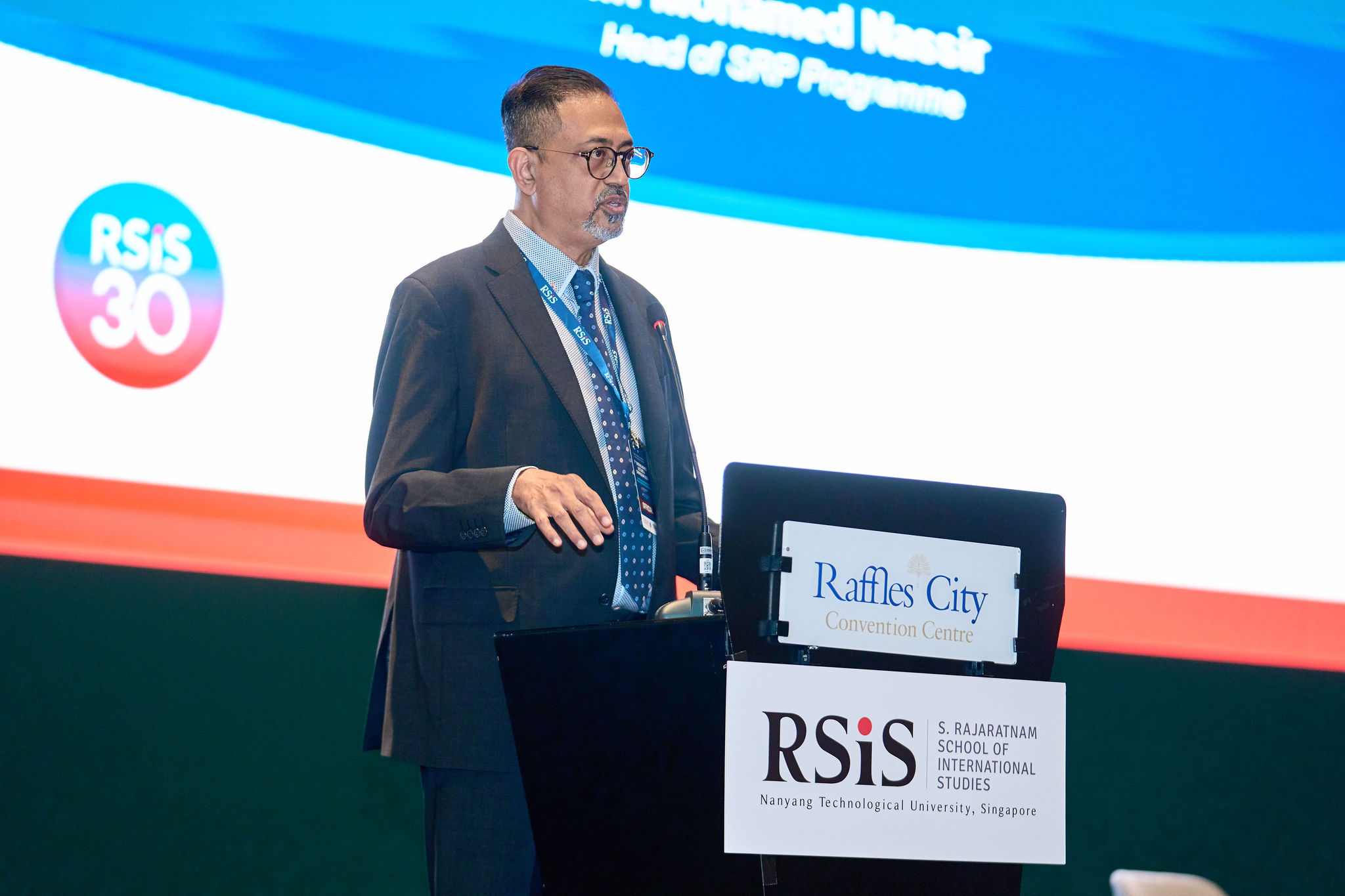
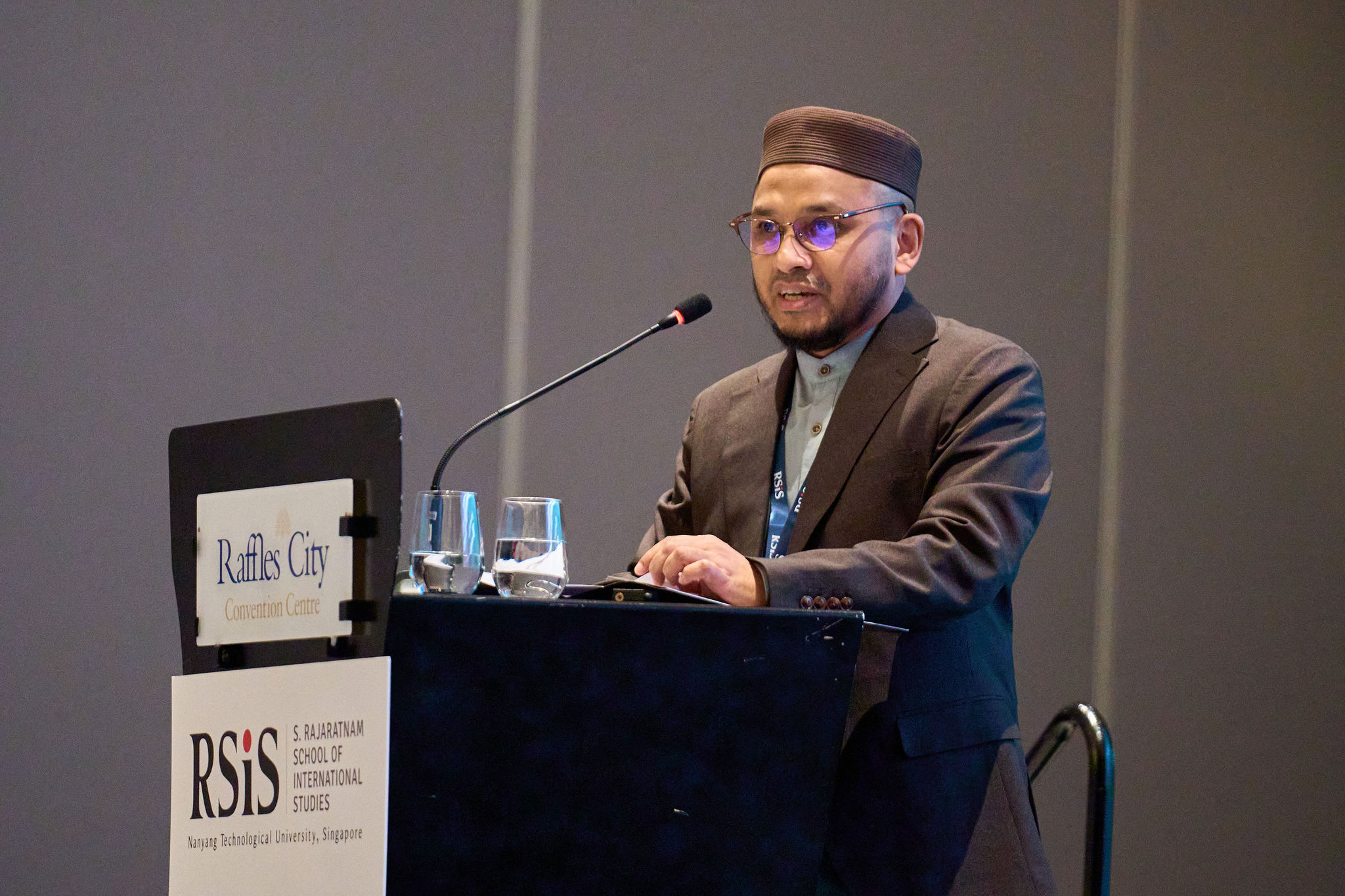
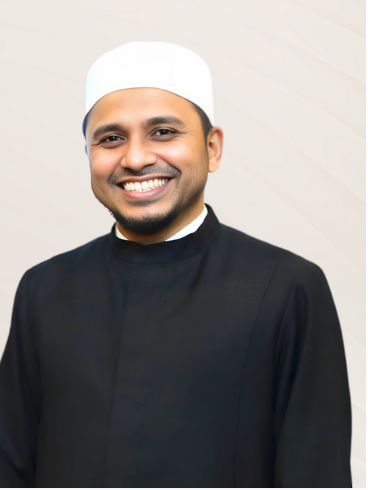 Nazirudin Bin Mohd Nasir was trained as a cleric at Al-Azhar University in Cairo and currently serves as the 4th Mufti of Singapore, the religious head of the Muslim community. He obtained his M.A. in Comparative Law from SOAS, University of London, followed by a Master of Studies in Religion at St. Cross College, Oxford, in 2015. He later completed a Doctor of Theology at the University of Oxford – his thesis examined the interrelationships between Judaism, Christianity, and Islam, and the emergence of the idea of the ‘Abrahamic religions’ in the thought of French Islamicist Louis Massignon. He teaches world religions and ethics at the Singapore University of Social Sciences (SUSS). He is also a member of the National Steering Committee on Racial and Religious Harmony and was appointed to the Presidential Council for Minority Rights in February 2024.
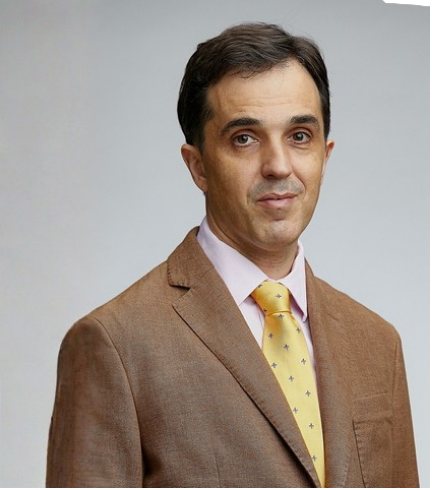 Paul Hedges is an Associate Dean (Scholarly Ecosystems) and Professor in the Studies in Interreligious Relations in Plural Societies (SRP) Programme, at RSIS, NTU Singapore. He is also a Life Member of Clare Hall, University of Cambridge, UK. He publishes widely in inter-religious studies, religious studies, and theological studies with a focus on theoretical & methodological issues. He serves as the editor or on the editorial boards of various scholarly journals and book series. He has published 15 books and over eighty scholarly papers. Recent books include Understanding Religion: Theories and Methods for Studying Religiously Diverse Societies (University of California Press, 2021), Religious Hatred: Prejudice, Islamophobia, and Antisemitism in a Global Context (Bloomsbury, 2021), and Christian Polytheism? Polydox Theologies of Multi-Devotional and Decolonial Praxis (Routledge, 2024).
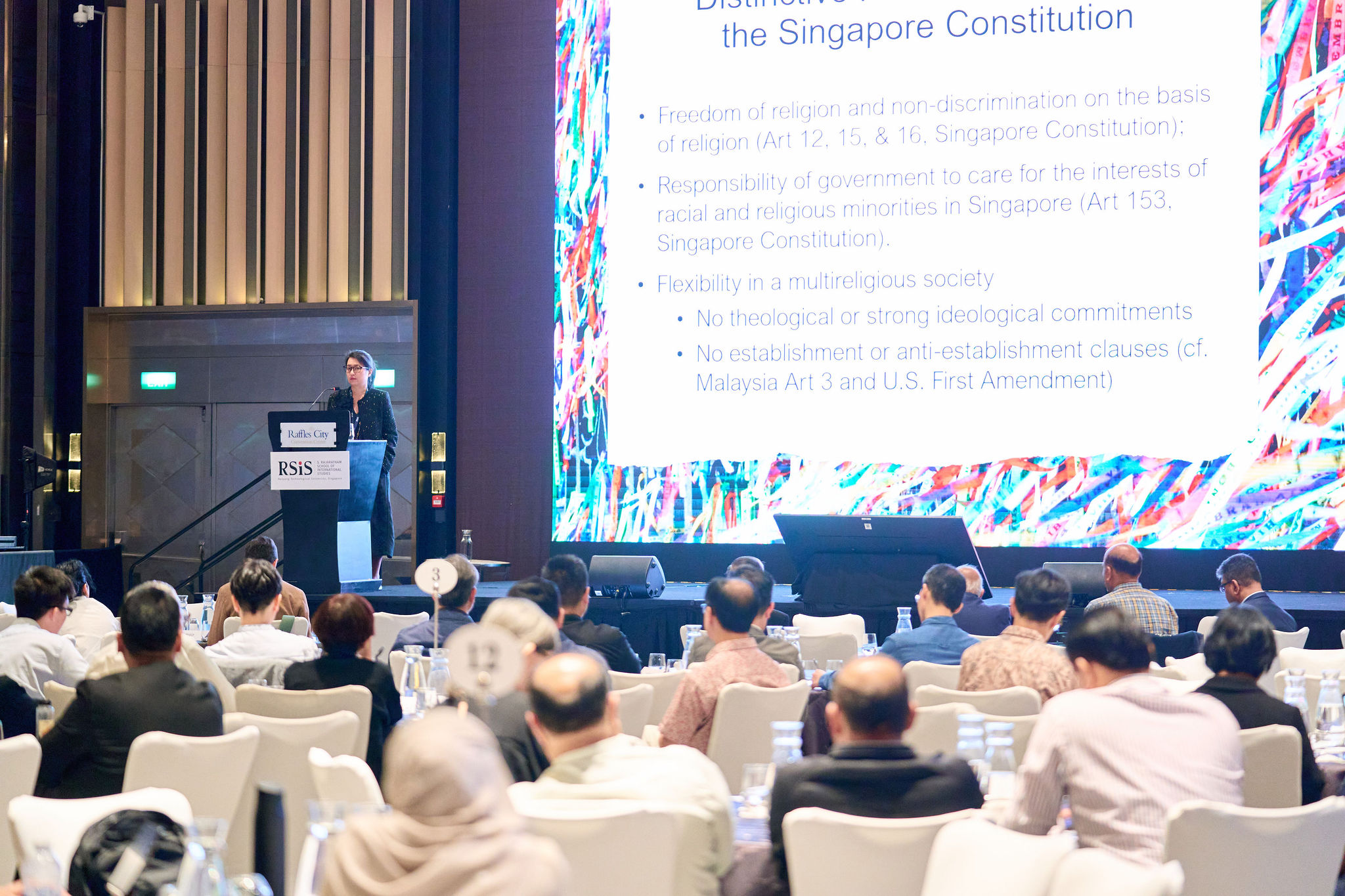
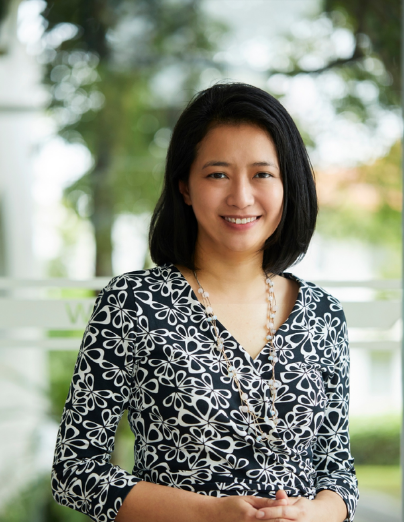 Jaclyn Neo is an Associate Professor of Law at the National University of Singapore (NUS), and presently the Director of its Centre for Asian Legal Studies. A graduate of the NUS Faculty of Law and Yale Law School, she is a recipient of multiple academic scholarships from NUS, including the NUS Overseas Graduate Scholarship. Her research focuses on comparative constitutional law, law and religion in Asia, and access to justice in Singapore. She is the principal investigator and co-principal investigator of multiple competitive research grants from the Singapore Ministry of Education, the Singapore Judicial College, Humboldt-Universität zu Berlin-NUS Joint Project, and the NUS Law-Melbourne Law School Research Partnership.
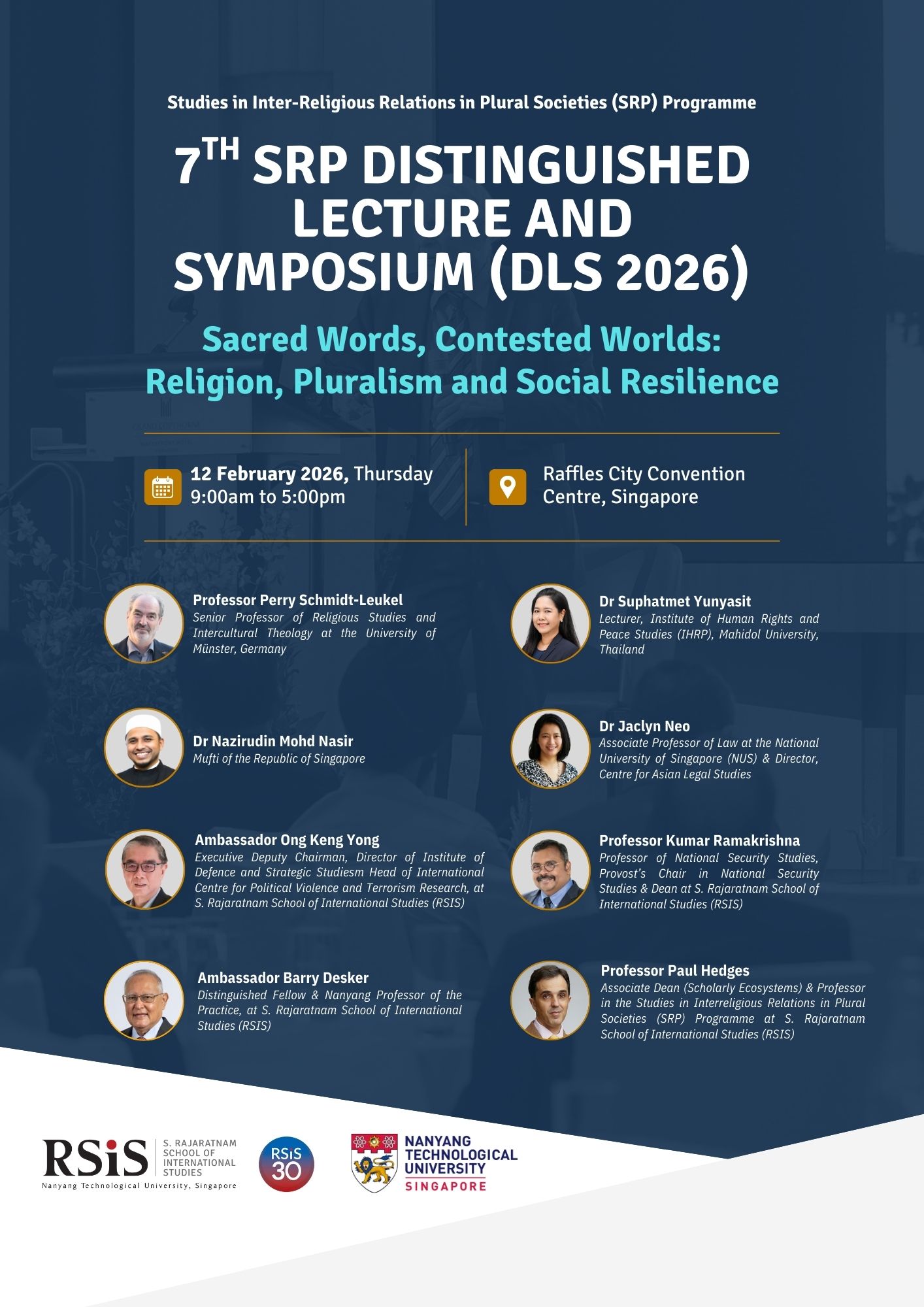
Click here for more information about the programme, including the profiles of our Symposium speakers.