
 Add to Google calendar
 Add to Outlook calendar
Synopsis
The world faces a polycrisis with the convergence of multiple geopolitical, economic, and social challenges. The global uncertainty, alongside the decline in US hegemony and the rupture to a rule-based international system, have reinforced distinct societal structures organised with different cultural dynamics in mind. While traditional moral principles on civic liberty and democracy remain pivotal to good governance, there is a preference among some nation-states to assign greater attention to collective priorities over individual and/or tribal interests. The definitions of integration and cohesion and the approach to managing diversity in these societies have therefore embraced a different set of calculus that reflects the unique values, and demographic and political contours of the land. This event will discuss how multiculturalism, integration, and cohesion is conceptualised and experienced in existing and emerging plural societies – specifically on issues related to ethnicity, religion, and immigration. We will also draw attention to how the evolving global power rivalry shape multicultural ideologies and practice, and the new perspectives to forging stronger, more resilient societies given the seismic changes of our times.
Major Themes
Multiculturalism
What are the key measures of diversity in society and how have the metrices evolved?
Should the State define and influence the discourse in multiculturalism?
How may (or had) global affairs alter(ed) the narratives of pluralism?
Integration
What are the culture-specific indicators of integration?
What factors drive inclusive behaviours in one society but exclusion in another?
Have we become more exclusionary over time?
Cohesion
How is social cohesion defined across cultures, and what are the trade-offs in societies with different multicultural ideologies?
What are the implications for a multipolar world to social cohesion?
Should/must individual/ civic autonomy be curtailed for collective cohesion?
Opening Keynote
What the Changing Multipolar World Means to Small States
Rt Hon Helen Clark will speak on what the new multipolar world means to the rules-based global system, the social fabric of societies, and the impact to small states like Singapore and New Zealand.
Panels
Panel 1: The New Narrative of Pluralism in a Multipolar World
The global conversation on multiculturalism is entering a new phase. As geopolitical power becomes more diffuse, societies are increasingly questioning whether existing models of pluralism remain fit for purpose. At the same time, the growing influence of religion, civilisational traditions and competing visions of nationhood is reshaping how diversity, belonging and cohesion are understood across different regions. This panel explores the forces that are redefining the narratives, principles and institutions that underpin plural societies in an increasingly multipolar world.
Speakers
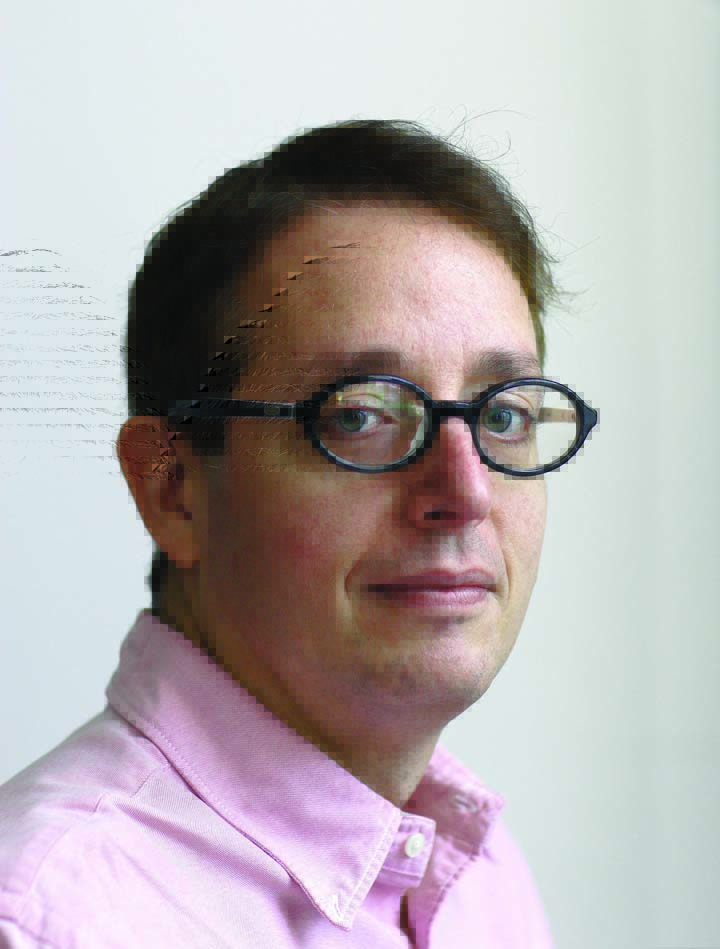
Moderator
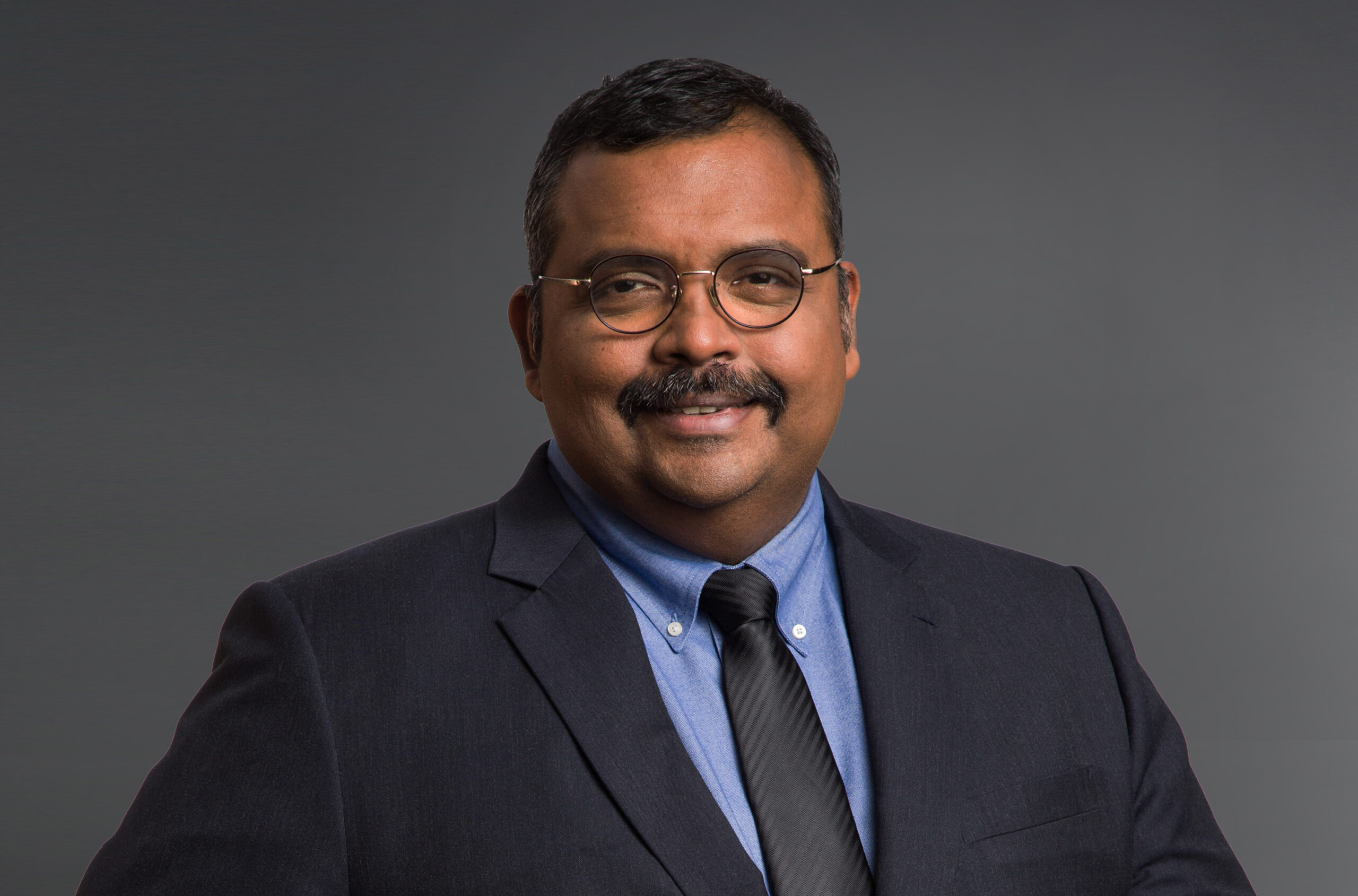
Panel 2: How Multiculturalism is Represented Across Space, Time and Tribes
Multiculturalism is neither static nor universal. It is shaped by history, culture, religion and the unique social experiences of individual societies. From deeply plural societies to those undergoing rapid demographic transformation, different communities develop distinct understandings of diversity, identity and coexistence. This panel examines how multiculturalism is represented, negotiated and experienced across different social and historical contexts, and how changing demographic realities are reshaping conceptions of nationhood, community and belonging.
Speakers

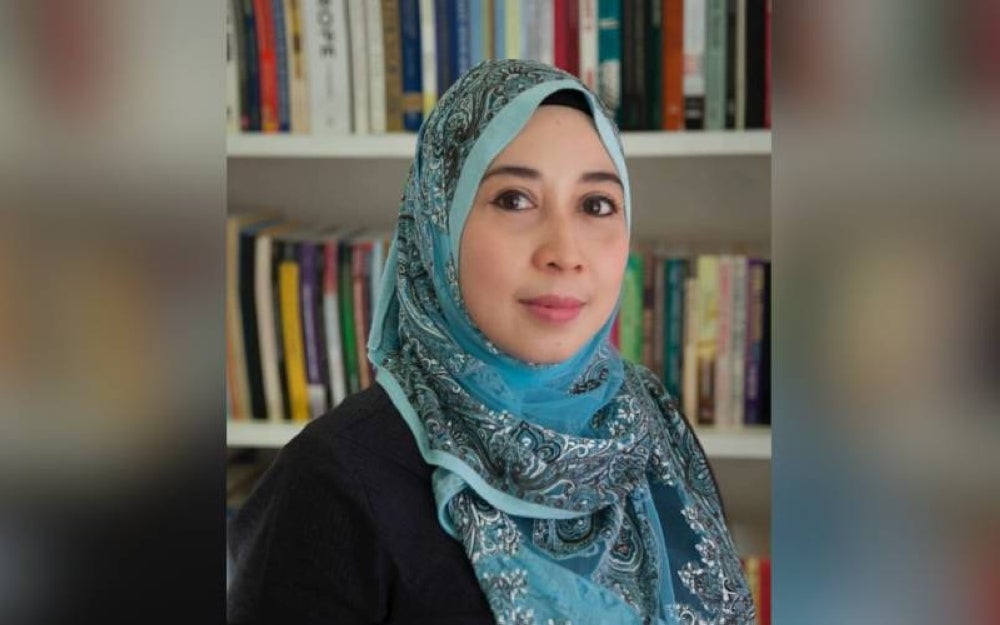
Moderator
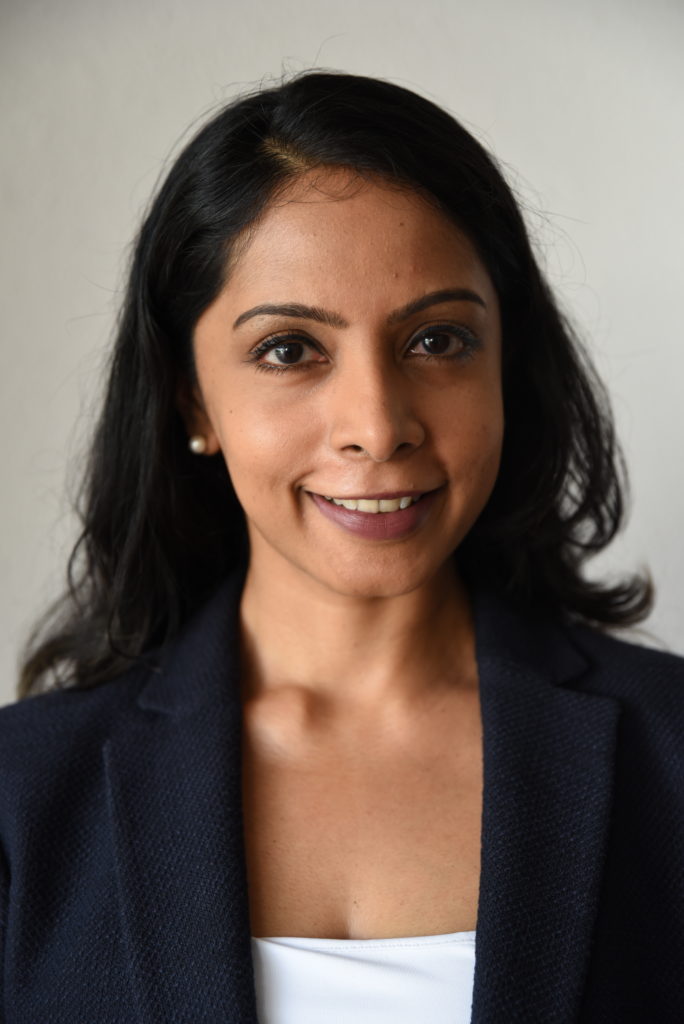
Panel 3: Understanding the Expanding Universe of Identities and Memberships
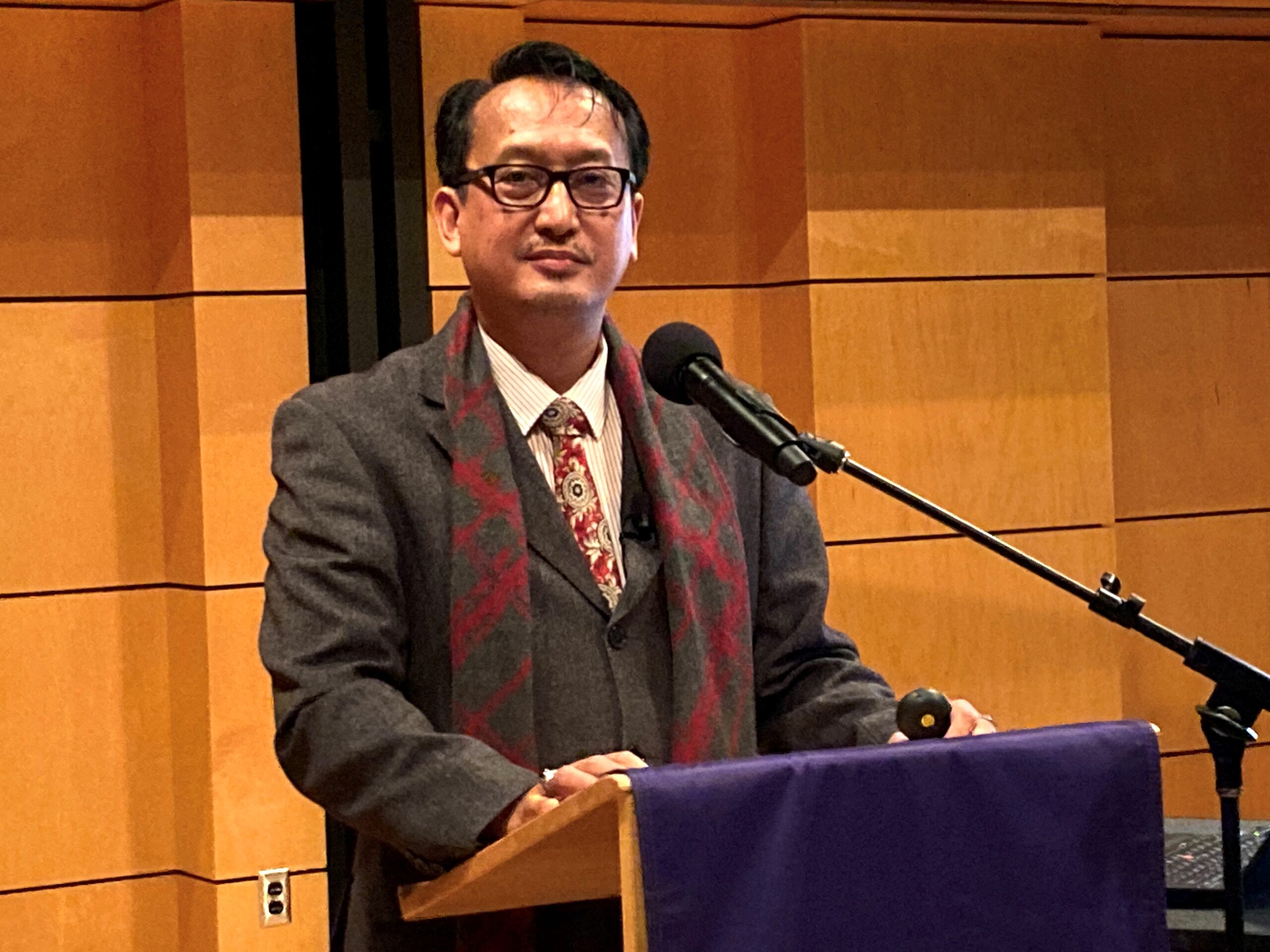
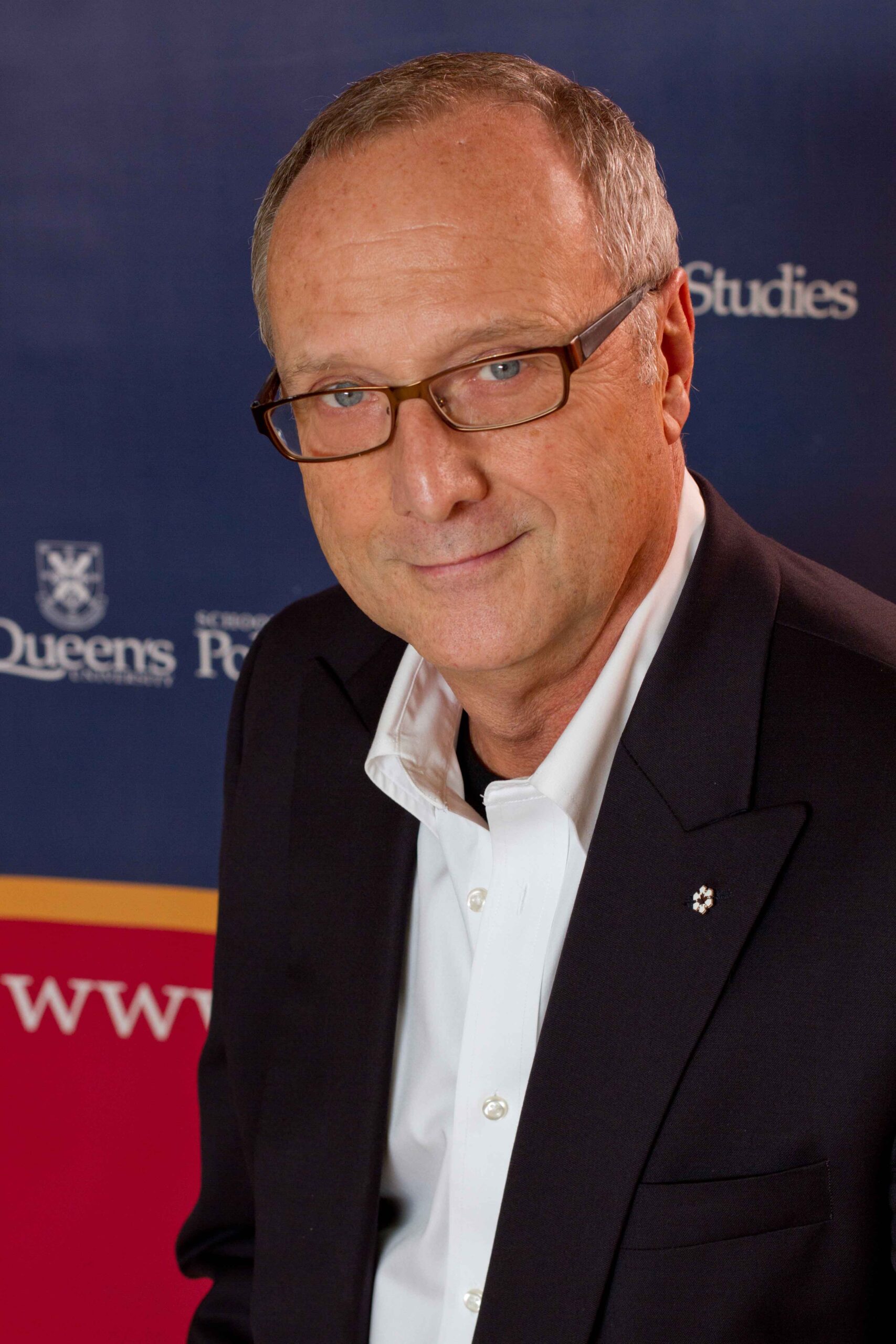
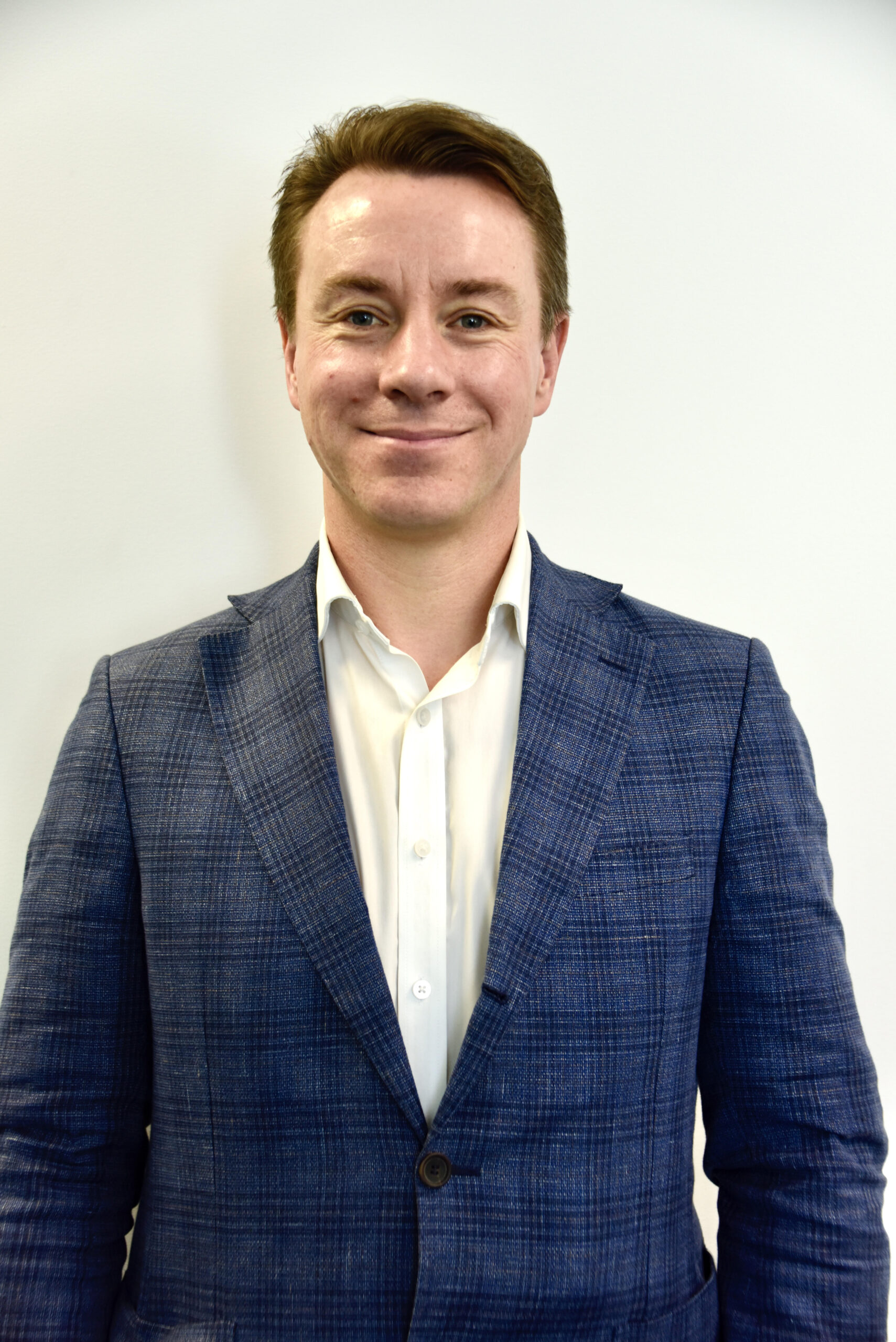
The sources of identity and belonging are becoming increasingly diverse and complex. Technologies, inequalities, migration and changing social expectations are transforming how individuals define themselves and relate to others. New forms of community are emerging alongside longstanding identities rooted in ethnicity, religion, class and history. This panel explores how these evolving identities shape sense of belonging, social cohesion, trust and intergroup relations, and considers how societies can navigate increasingly fragmented and overlapping forms of membership in the years ahead.
Speakers
Moderator
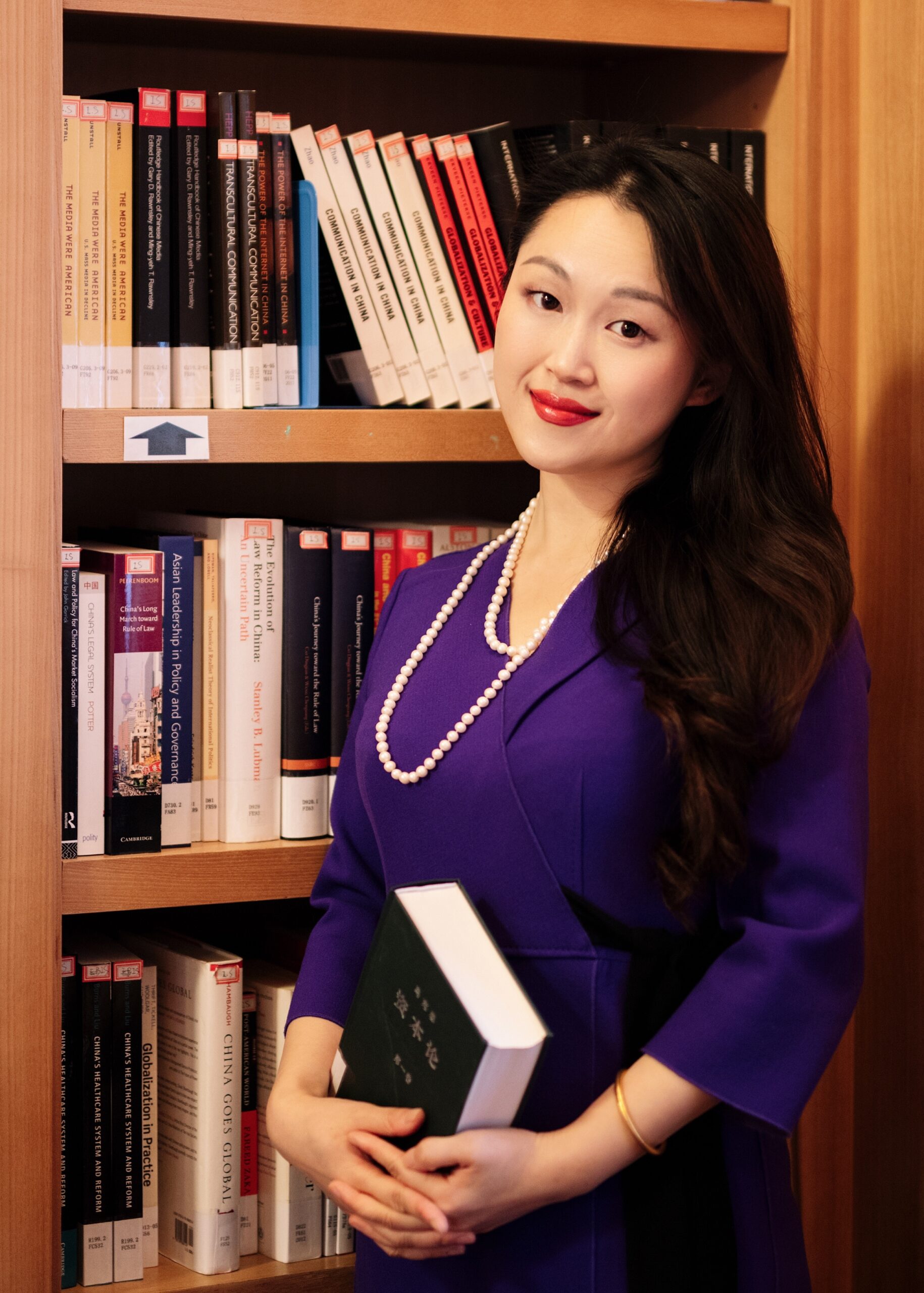
Panel 4: The Everyday Politics of Inclusion and Integration
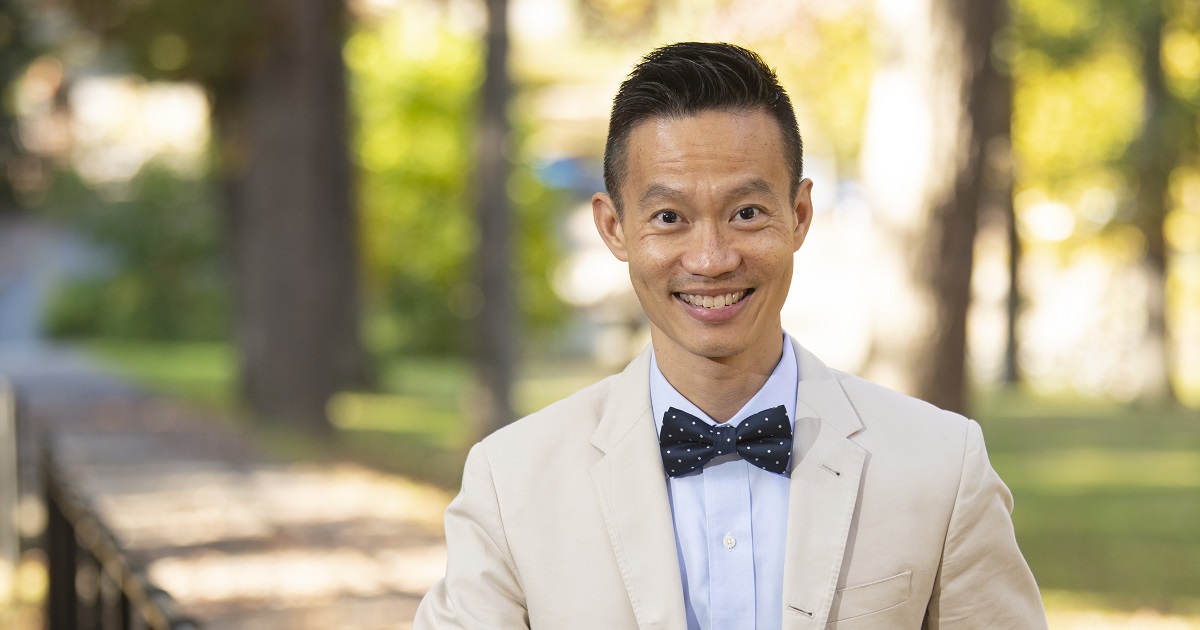
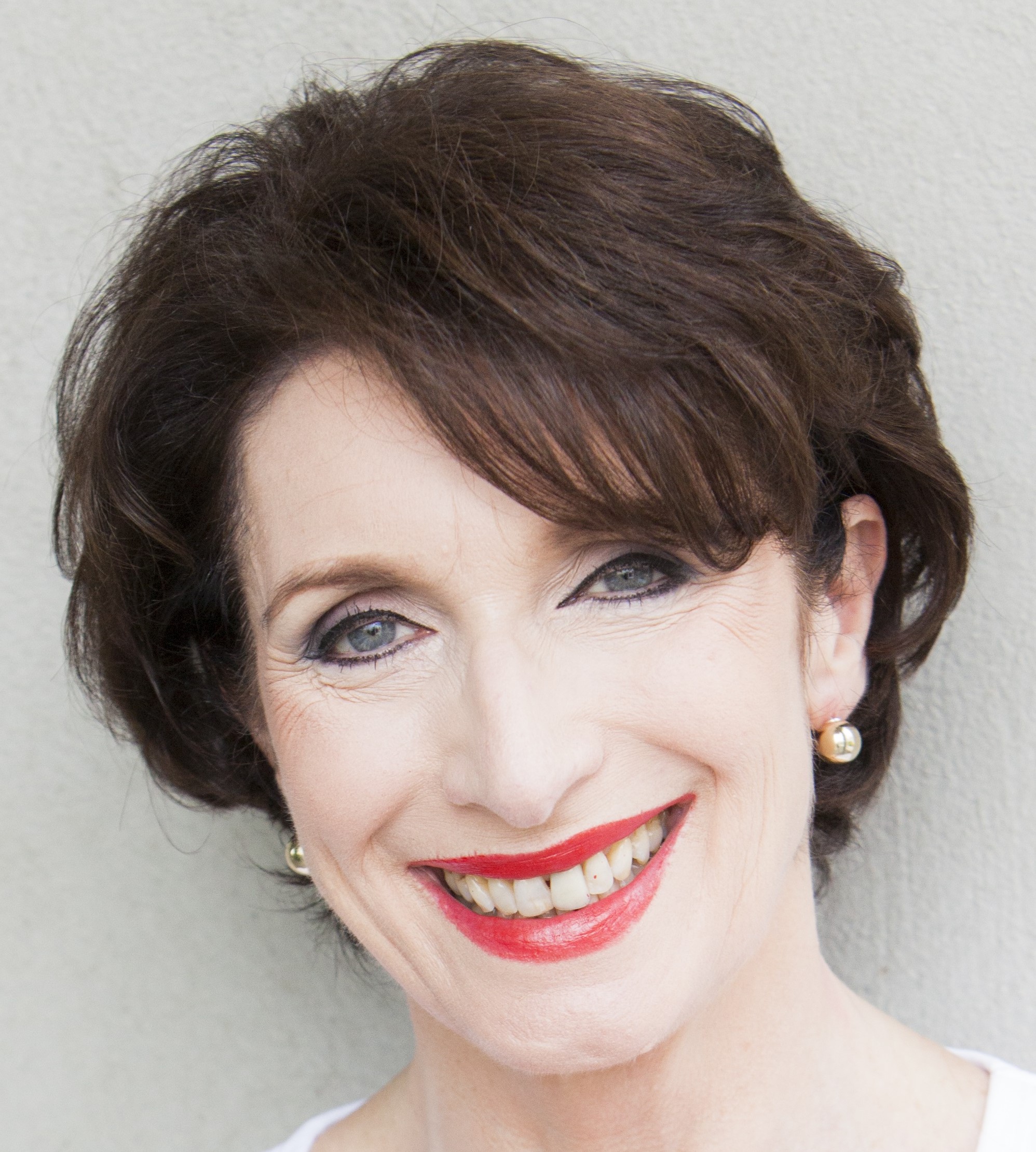
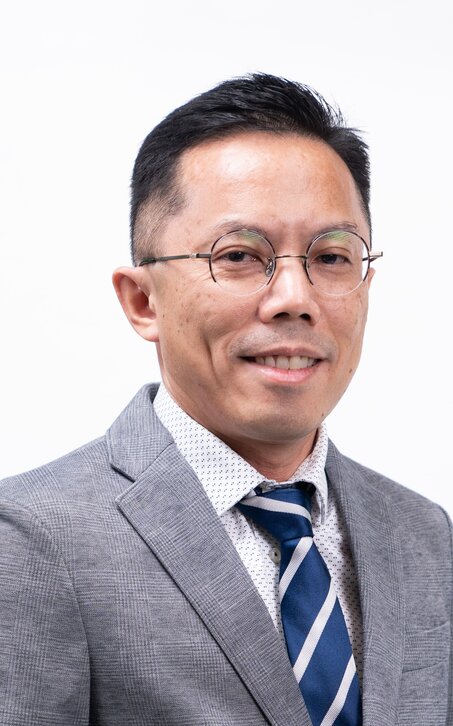
Building cohesive societies requires more than embracing diversity as an ideal. It demands deliberate policies, institutions and social norms that foster trust, participation and a shared sense of belonging among diverse populations. Drawing on experiences from different countries, this panel examines how communities manage diversity in practice, how social cohesion can be measured and strengthened, and how multicultural societies can adapt to changing demographic realities while maintaining social trust and inclusion.
Speakers
Moderator
**Registration for the invite-only ICCS Interlude has now closed following an overwhelming response. We sincerely thank everyone for your tremendous support and interest.
For those who are unable to join us, we look forward to sharing the event report and proceedings, which will capture the key discussions, insights and highlights from the event. As this is a closed-door dialogue intended to encourage open and candid exchanges, audio-visual recordings of the event will not be released.