


 Add to Google calendar
 Add to Outlook calendar
Abstract
Hedging is commonly understood as maintaining a middle position between the US and China without explicitly aligning with either power. However, this paper argues that Southeast Asian states are not hedging solely against US–China competition. Instead, they respond to the uncertainties of a multipolar, interventionist, and constantly evolving international order by pursuing a dynamic strategy of multi-alignment. This means maintaining and expanding relationships with multiple major powers across different issue areas, rather than choosing sides. To support this strategy, Southeast Asian states strengthen their domestic resilience, express their commitment to multi-alignment through diplomatic rhetoric, and encourage the participation of major powers in regional and multilateral institutions.
About the Speaker
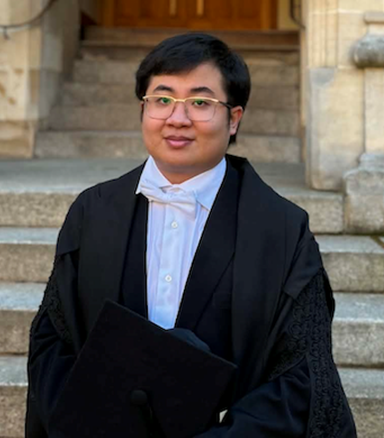
Thu Htet is a DPhil (PhD) candidate in Area Studies at the Oxford School of Global and Area Studies, University of Oxford, and a Clarendon Scholar. His doctoral project examines Southeast Asian states’ preferred alignment behaviours and strategic and security policies through engaging with the literature on hedging. His broad research interests include international security, strategic studies, geopolitics, and foreign policy analysis with a regional focus on Southeast Asia, as well as politics and international relations of Myanmar. In addition to his doctoral studies, he has contributed to teaching and empowering youths through various educational platforms in Myanmar, particularly for those affected by the 2021 military coup.