


 Add to Google calendar
 Add to Outlook calendar
Abstract
Diversity is a hallmark of many societies today. While few have a long history of ethnocultural pluralism, recent global demographic and migration trends have accelerated this transformation. Some countries, including those with a notable indigenous population (e.g., Australia, New Zealand) and colonial history (e.g., Singapore), now reported having a quarter of its residents being born overseas. Monocultural societies in East Asia, like Japan and South Korea, have also began to embrace foreign labour to deal with a rapidly ageing society and talent shortage. The shift in the social fabric unfortunately has affected the discourse in how sectarian identity and equality is negotiated and managed – shaping not just the ties between tribal communities but also the political compact between the state and its constituents. Regardless of imperatives, the central challenge is how to effectively navigate the evolving ethnocultural landscape to foster a harmonious and inclusive environment. Most notably, different acculturation models (e.g., integration, assimilation, segregation) and/or policy thrusts (e.g., strategic economic needs, preserve heritage) are proposed and embraced in different societies to fulfil their own socio-economic objectives and political agendas. This seminar will examine how the multicultural discourse is articulated and practised, this includes the political economy of diversity, the distinct ways to conceptualise cohesion and inclusion, and where or what should be the new identity equilibrium in light of the dynamic development in migration, societal values, and governance system.
About the Speaker
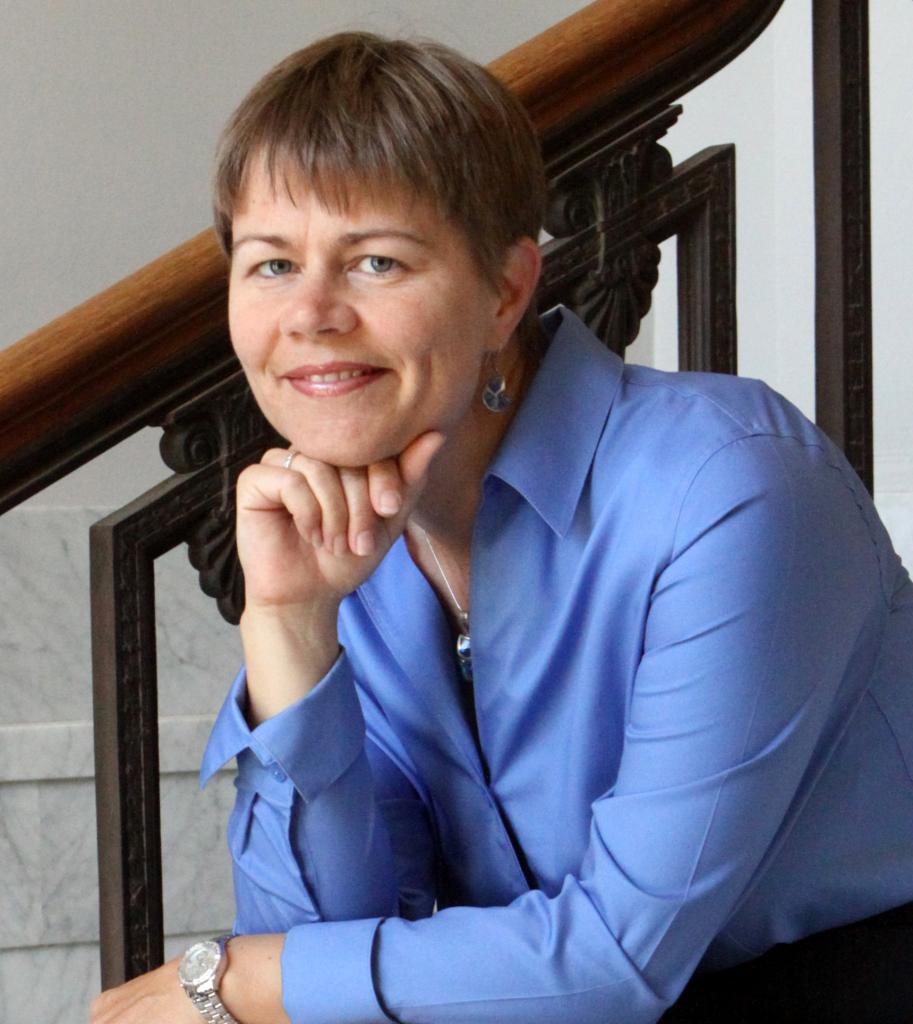
Professor Irene Bloemraad is a leading sociologist of immigration and migration studies and currently serves as the President’s Excellence Chair in Global Migration at the University of British Columbia. She earned her Ph.D. from Harvard University and previously held the 1951 Chair in Sociology at the University of California, Berkeley, where she founded the Berkeley Interdisciplinary Migration Initiative. Her research focuses on citizenship, multiculturalism, and immigrant political participation in Western democracies, particularly comparing the United States and Canada. Prof Irene Bloemraad is the author of influential works such as Becoming a Citizen and has contributed to national policy discussions through service on U.S. National Academies of Sciences committees.
About the Moderator
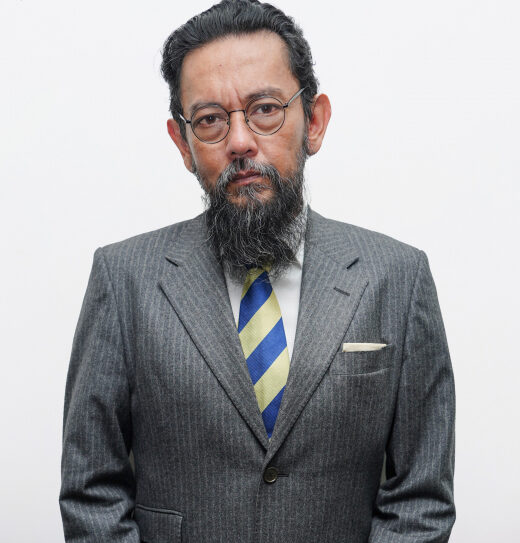
Professor Farish A. Noor is a distinguished professor of history specialising in Southeast Asian studies and colonial history. With a Ph.D. in Political Science from the University of Essex, his academic journey has spanned prestigious institutions across Europe and Asia, including Nanyang Technological University, Singapore, and Friedrich-Alexander University, Germany. He is a prolific author known for his critical essays on colonialism, orientalism, and political movements in Southeast Asia. His work bridges academia and public discourse with numerous publications, podcasts, and lectures delivered worldwide.