


 Add to Google calendar
 Add to Outlook calendar
Abstract
Recent geopolitical developments, particularly disruptions around the Strait of Hormuz, have underscored the vulnerability of global energy systems to external shocks. As a critical artery for global oil flows, instability in this region has triggered sharp volatility in oil prices, heightened supply uncertainty, and renewed concerns over energy security across Asia.
While energy transition is typically framed as a response to climate change and sustainability goals, the current crisis highlights a parallel and underexplored dynamic: how do periods of energy insecurity reshape national energy transition pathways?
Focusing on three major Asian economies and large carbon emitters — China, India, and Indonesia — this webinar, organised by the RSIS Energy Research Cluster, brings together leading scholars and policy experts to draw comparative insights into how similar external shocks produce varied policy responses across diverse institutional and political-economic contexts.
About the Speakers
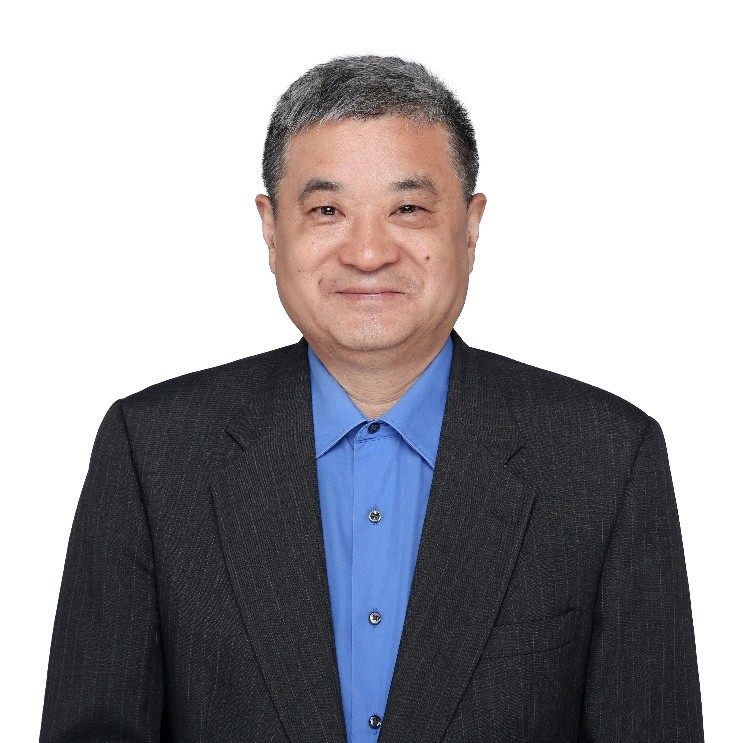 Professor Zha Daojiong is Professor of International Political Economy in the School of International Studies and the Institute of South-South Cooperation and Development, Peking University. His areas of expertise include non-traditional security studies and contemporary China’s international economic relations. His academic publications cover such topics as energy security, Chinese economic diplomacy, South-South Cooperation, international development cooperation, and the politics of international public health cooperation. Prof. Zha is a regular participant in Track II dialogues between China and the United States on issues ranging from trade and investment to public health. He has held various faculty positions across Asia.
 Professor Jyoti M. Pathania is Professor & Director of the Centre for Intelligence Risks and Analysis (CIRA) at Jindal School of International Affairs, O.P. Jindal Global University, India. She is the Founder & Chief Editor of the Online Indian Journal of Peace & Conflict Resolution (www.oijpcr.org) and host of the podcast Indian Conflict Resolution, with her episode on “Mahatma Gandhi’s Conflict Resolution and its relevance in today world” being ranked Top 10 in India. With more than 25 years of teaching and research in India and abroad, she served as Senior Fellow and Chairperson (Outreach) at the Centre for Land Warfare Studies (CLAWS), New Delhi. Her key publications include: Co-editor, Traditional and Non-Traditional Security Issues in South Asia (2020).
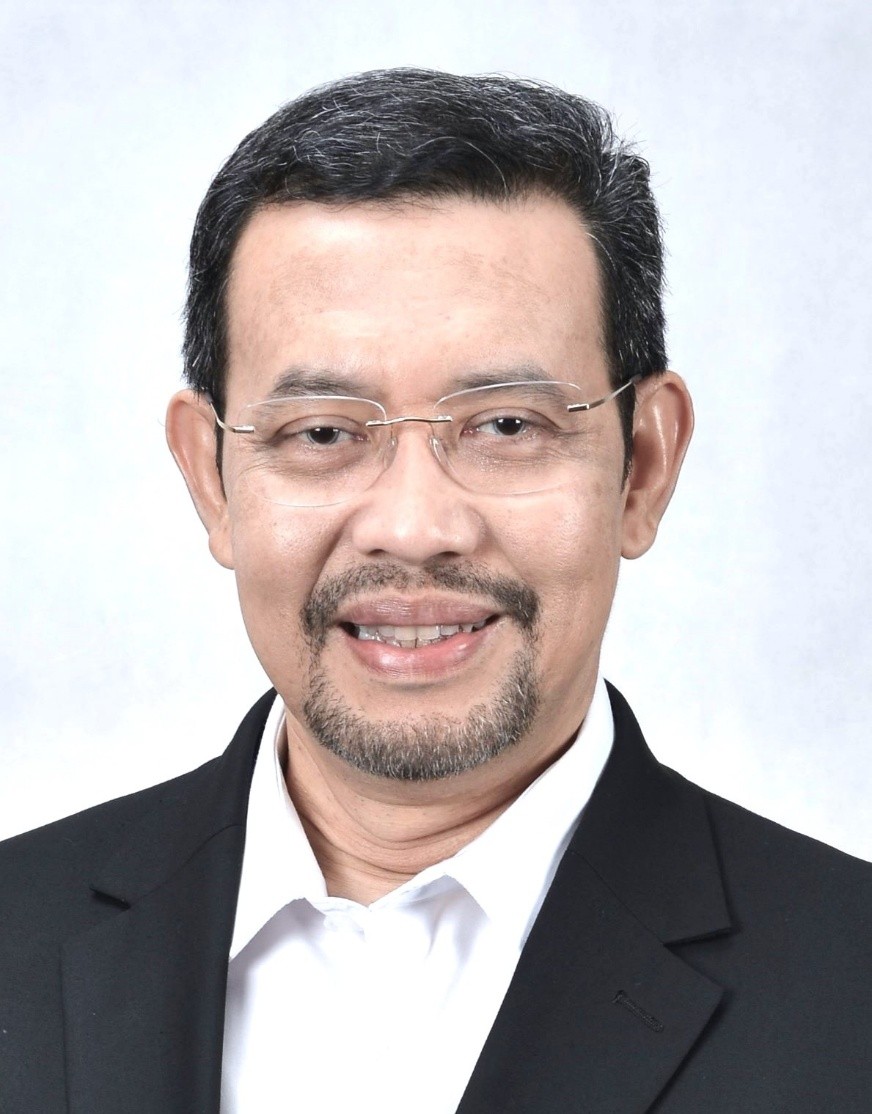 Dr Andi Tabrani is an economist with 30 years of experience in the oil and gas industry and regional development planning. With a background in economic assessment, policy formulation, and national energy outlook studies, Dr Tabrani has contributed to major upstream and downstream initiatives, including fiscal enhancement efforts and strategic programmes to advance national oil and gas development. His expertise in regional development planning, supported by extensive economic impact assessments, investment multiplier analyses, and identification of key economic sectors across Indonesia, highlights his experience in strategic evaluation and long-term planning. His current interests focus on the intersection of economics, energy policy, and fiscal strategy.