


 Add to Google calendar
 Add to Outlook calendar
Abstract
The idea of an “East Asia without the United States” was once unthinkable because the American economic and military presence in the region was so dominant and beneficial to many of its countries. But the US is no longer seen as a credible patron and bulwark, benevolent benefactor, and a beacon of democracy and human rights. Intellectuals in East Asian countries have begun to question the virtue of America’s role in the area. Some of them argue that an East Asia without the US should not be equated with the end of region’s security or prosperity, while calling for a new security architecture, a common zone of prosperity, and a new space of cultural harmony. Creating such a community will be a daunting challenge, requiring new and imaginative thinking and leadership. This lecture will examine the case of South Korea and draw comparative implications for other East Asian countries.
About the Speaker
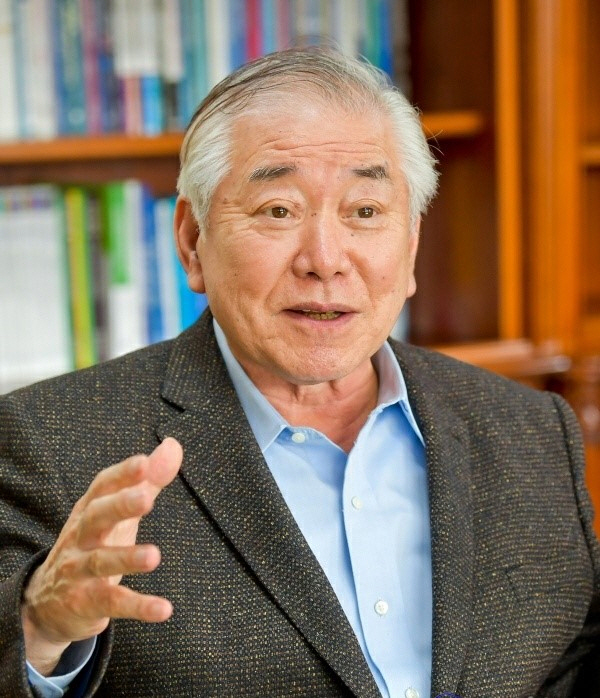 Chung-in Moon is a Vienna-based Global Neighbors fellow and James Laney Distinguished Professor at Yonsei University. He is Vice Chairman of APLN (Asia-Pacific Leadership Network for Nuclear Disarmament and Non-Proliferation). He is also Krause distinguished fellow at School of Global Policy and Strategy at the University of California, San Diego, and editor-in-chief of Global Asia, a quarterly journal in English. He was a special advisor to the ROK president for foreign affairs and national security (2017-2021). He was Chairman of the Sejong Institute (2021-2023) and dean of the Graduate School of International Studies, Yonsei Univ. and served as Ambassador for International Security Affairs of the Korean Ministry of Foreign Affairs and Trade and Chairman of the Presidential Committee on Northeast Asian Cooperation Initiative, a cabinet-level post. Dr. Moon was a special delegate to the first (2000), second (2007), third Korean summit (2018) held in Pyongyang. He has published over 60 books and 300 articles in edited volumes and scholarly journals.