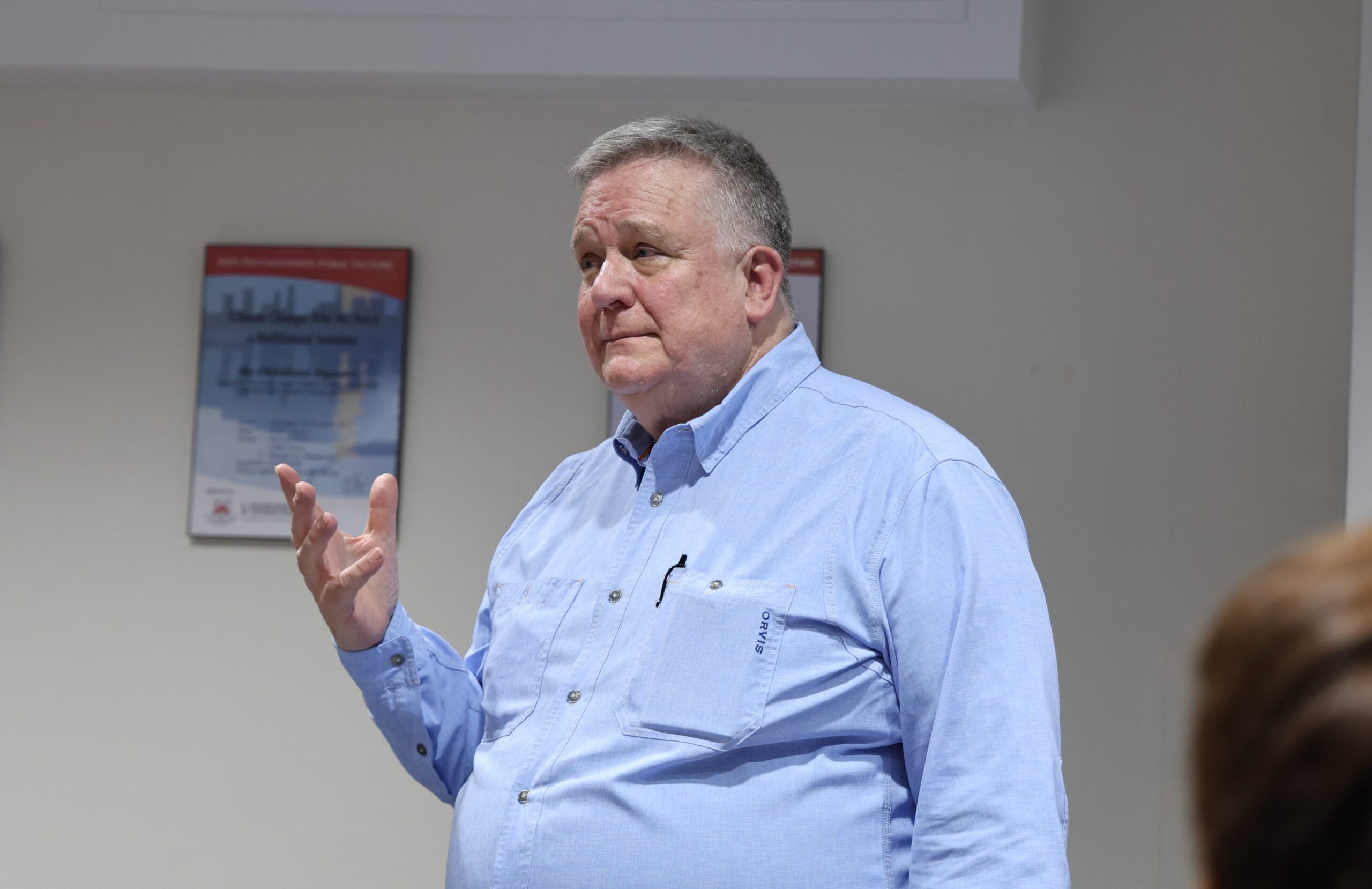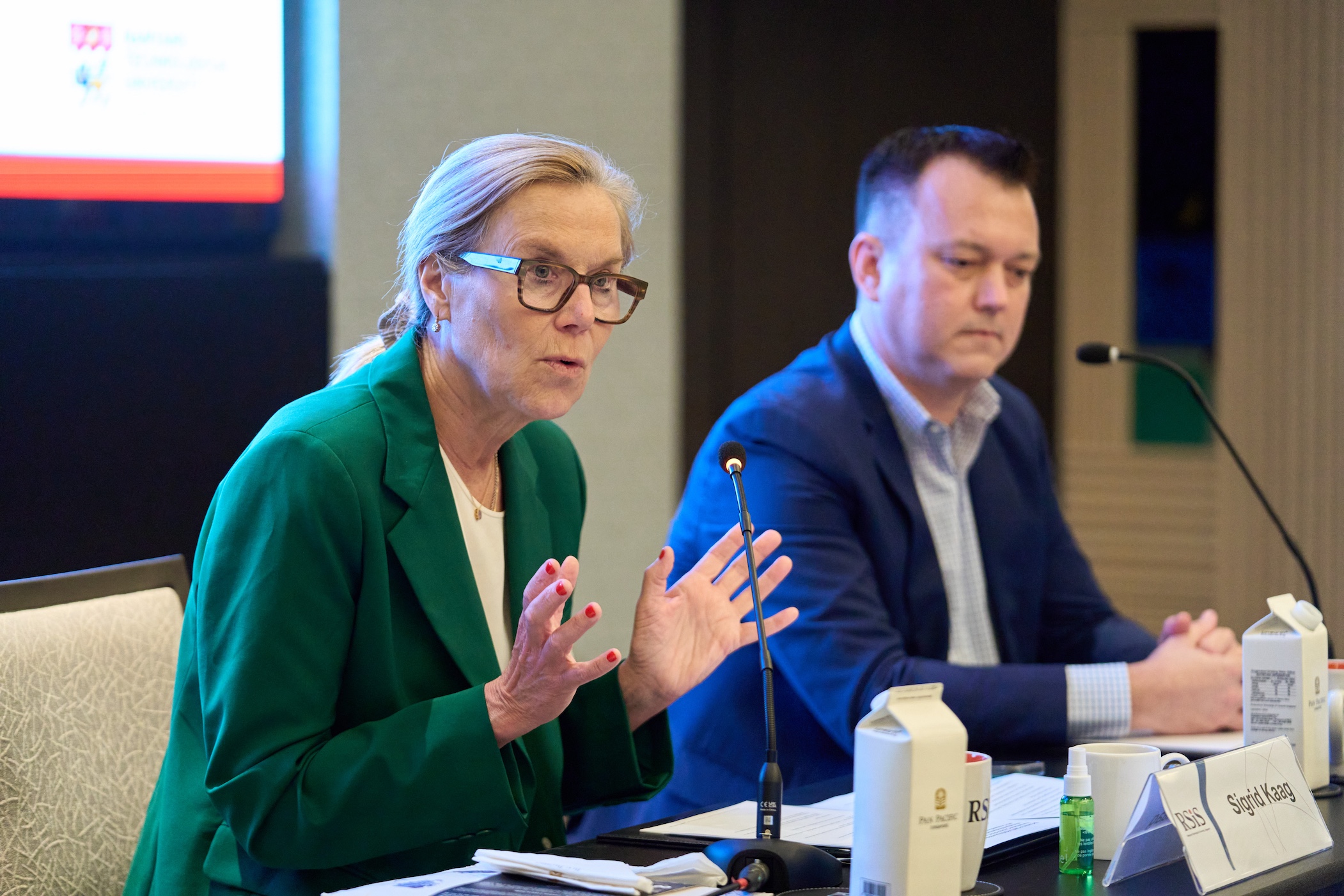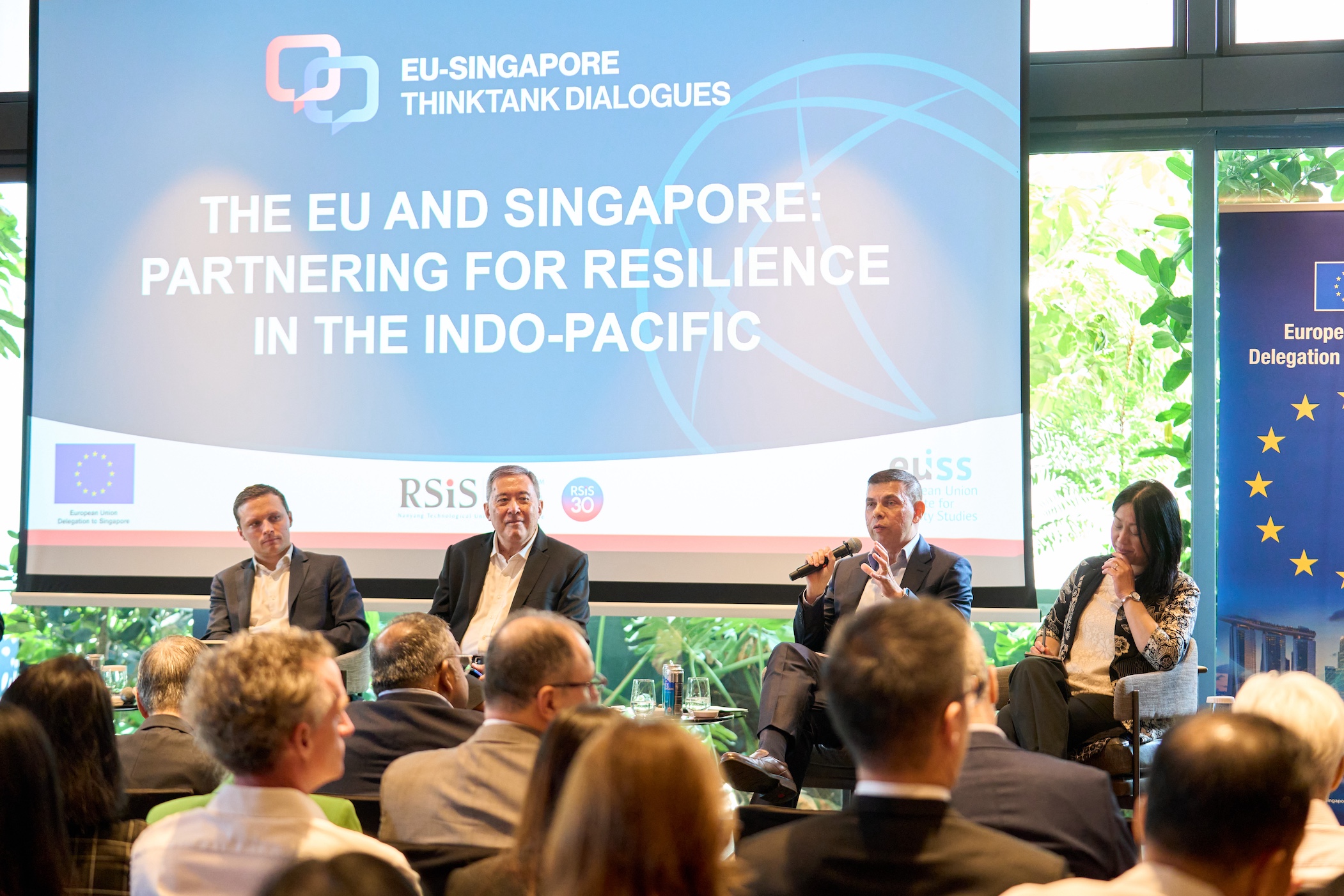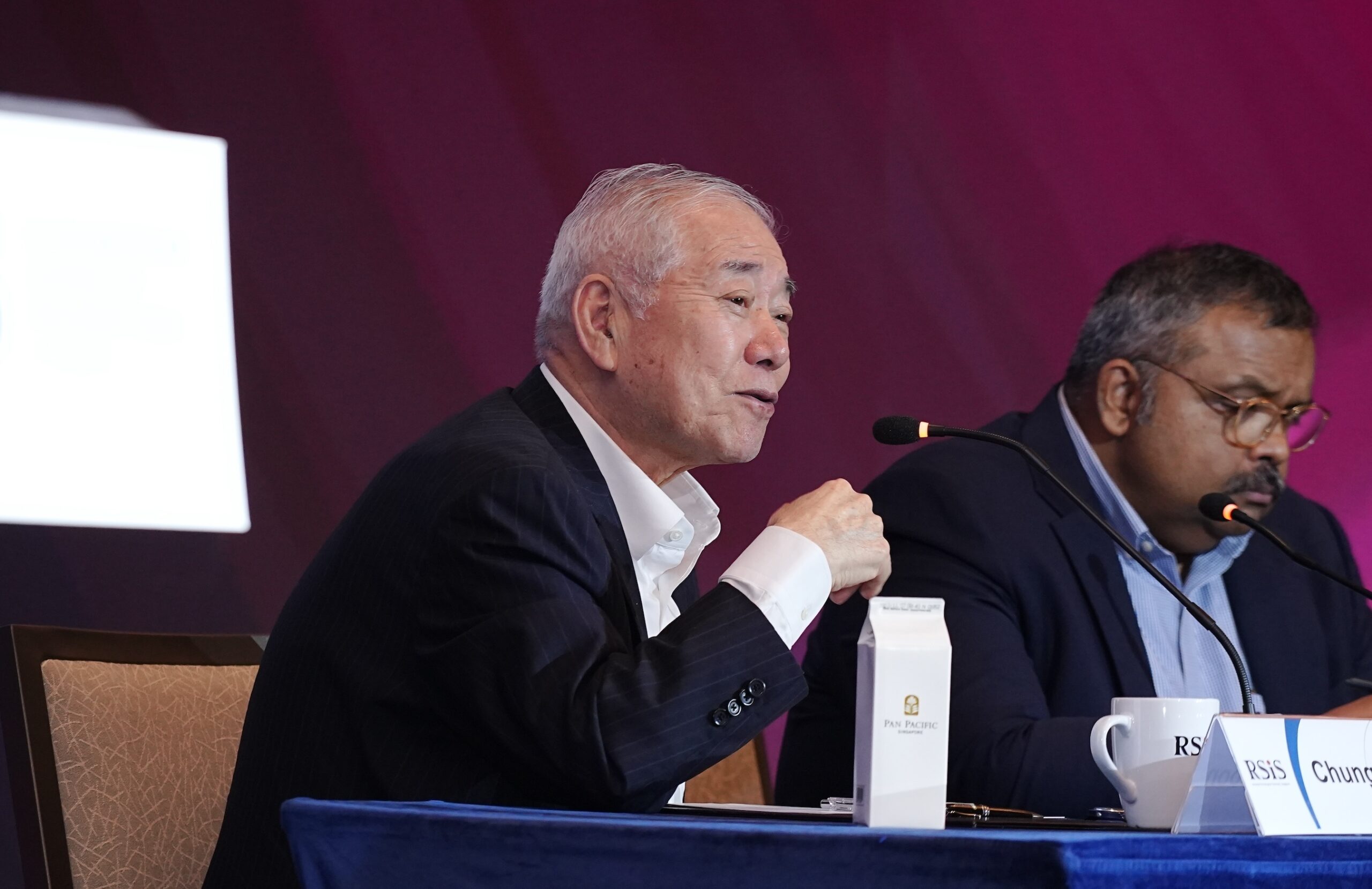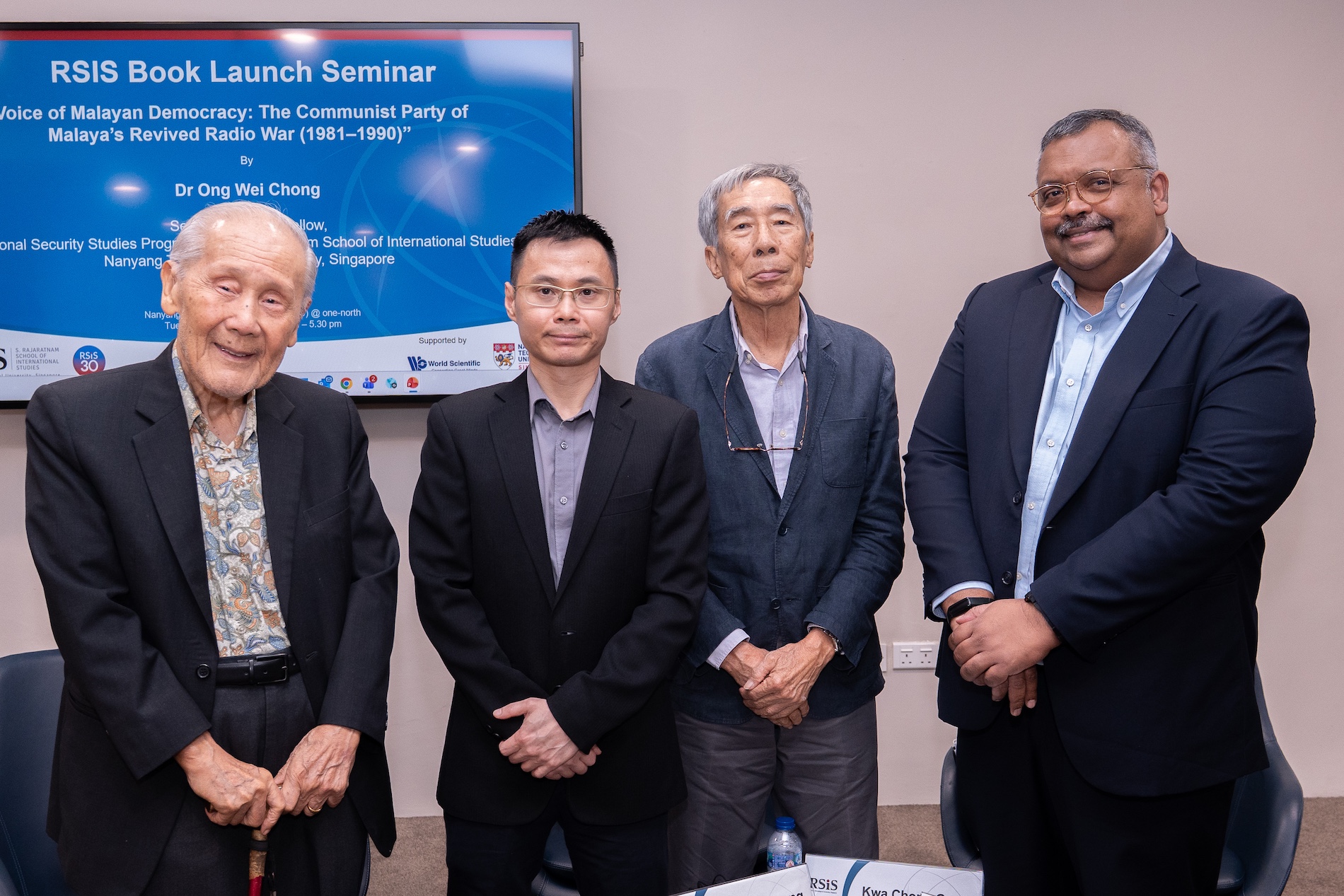



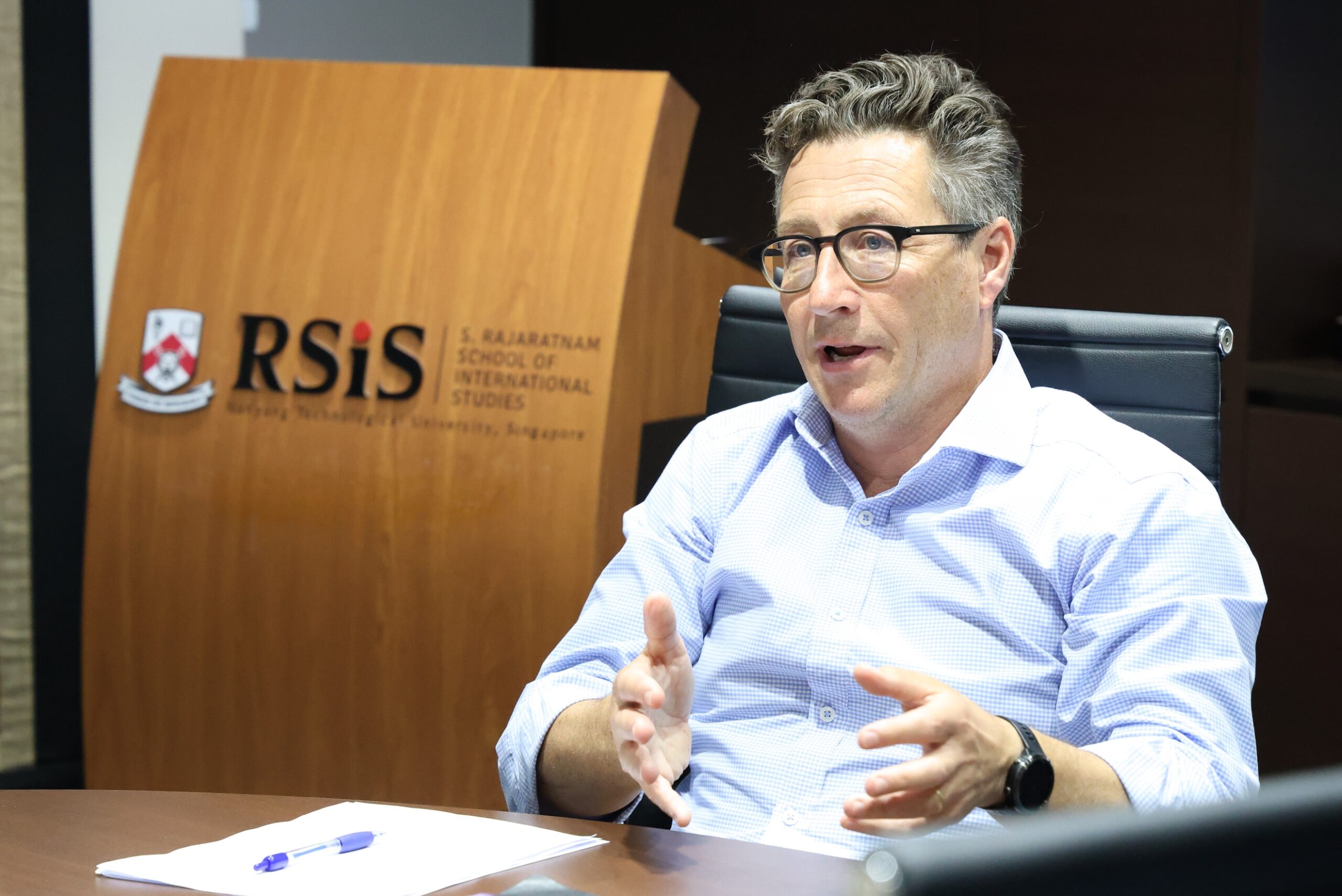
Professor Nick Bisley, Pro Vice-Chancellor for Research and Professor of International Relations at La Trobe University, delivered a seminar at RSIS on 17 March 2026 that explored the role of globalisation and geopolitics in the making of modern Asia, based on Professor Bisley’s new book, “Asian Crucible: Globalization, Geopolitics and the Contest for the Future”.
In this seminar, Professor Bisley traced the story of Asia’s transformation from pre-colonial times to the 21st century era of globalisation. He underlined how globalisation, market integration and global supply chains contributed to Asia’s economic rise. However, economic integration and globalisation are increasingly viewed as sources of vulnerabilities, especially since the Covid-19 pandemic, which accentuated these underlying fears. He explained the role of intensifying geopolitical contestation and increasing economic nationalism as drivers of this shift away from globalisation.
Discussing geopolitics, he highlighted the existence of various prominent flashpoints and zones of contestation in Asia — including Korea, Taiwan, and the South China Sea, underlining that the world is moving towards a more multipolar and less Western order.
Against this backdrop, Professor Bisley also laid out three potential scenarios for the future of the region. He first discussed the potential for further fracturing and fragmentation due to rising economic nationalism and contestation over geopolitical faultlines in the region. His second scenario detailed a potential geopolitical rebalancing between the US and China, leading to a stable equilibrium. The third scenario optimistically envisaged a return of globalisation and economic integration through a new framework for a global and regional order.
The seminar concluded with a lively discussion with Mr Warren Fernandez, Senior Fellow and Head of the National Security Studies Programme at RSIS, and a Q&A segment moderated by Dr Sarah Teo, Assistant Professor in the Regional Security Architecture Programme. Professor Bisley answered questions on the issue of income inequality, the potential future of regional institutions, and potential shocks that could dramatically shift the geopolitical environment.