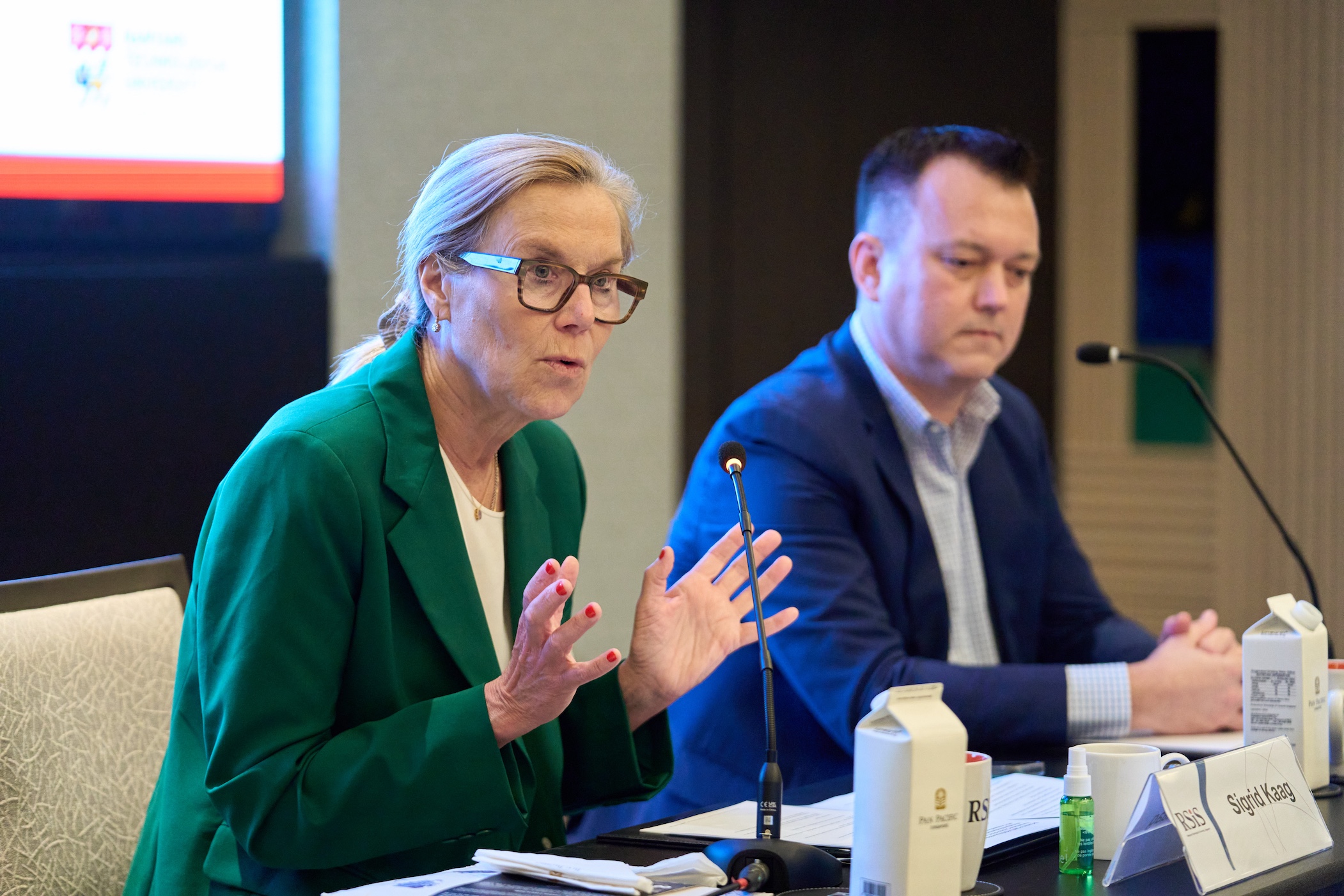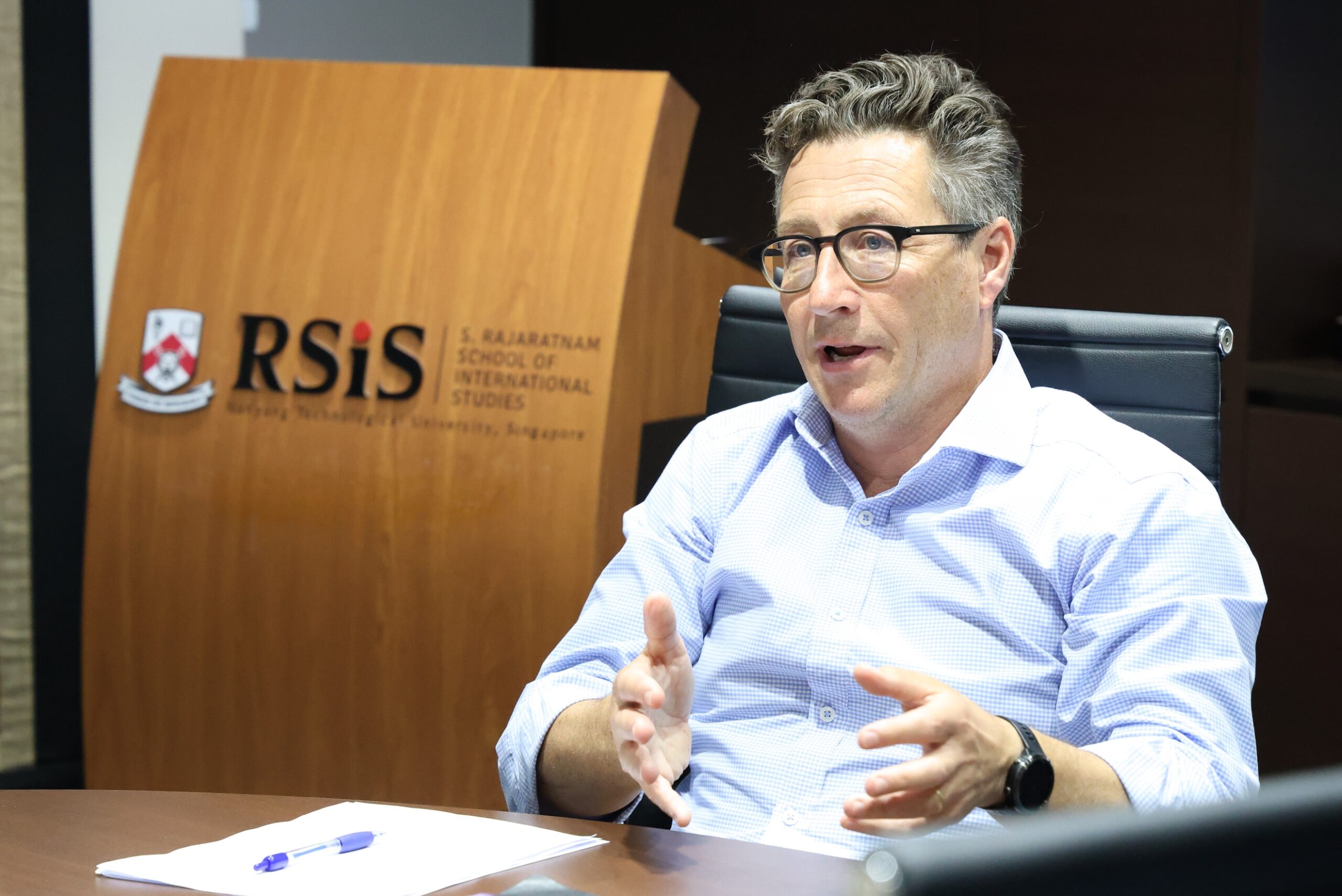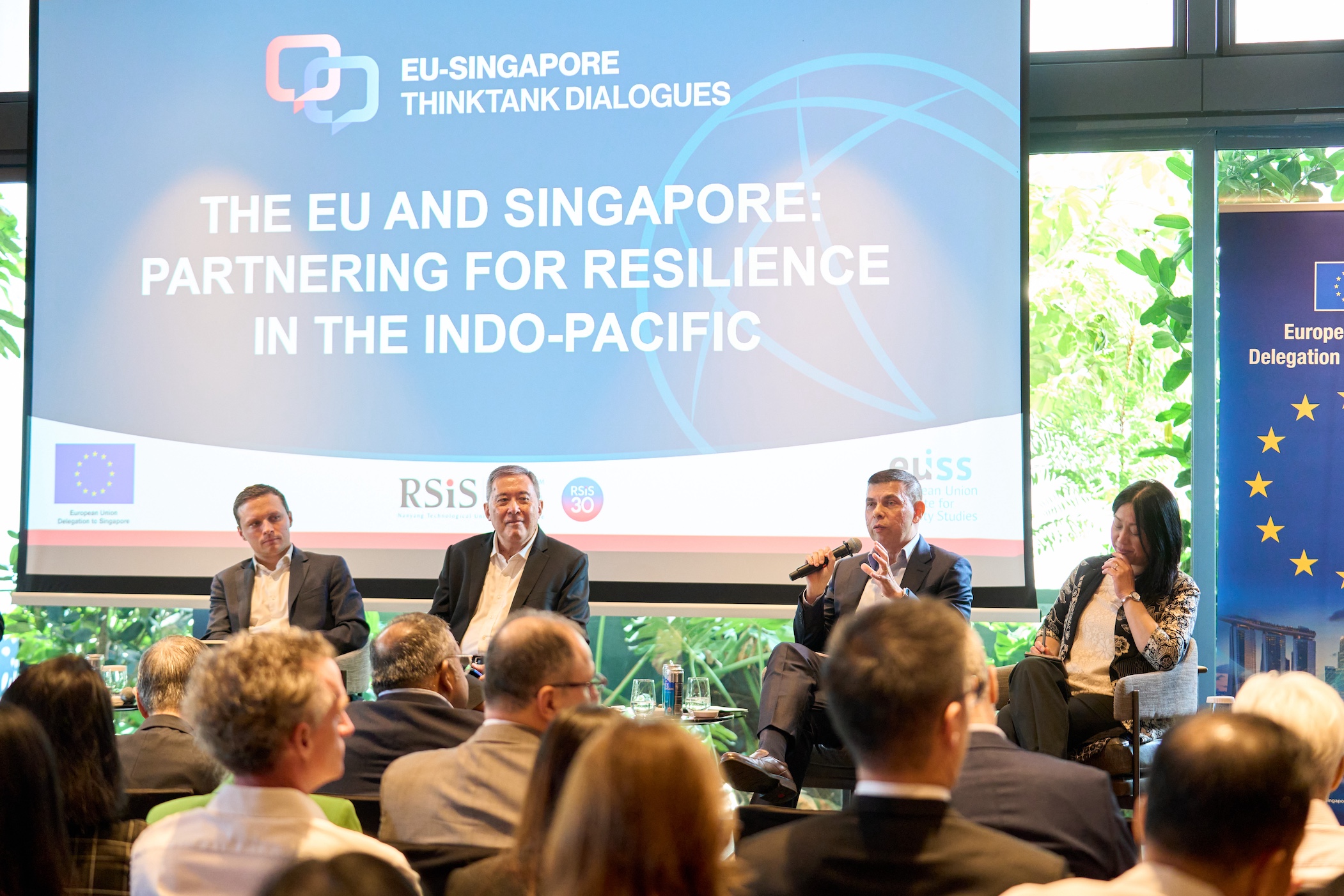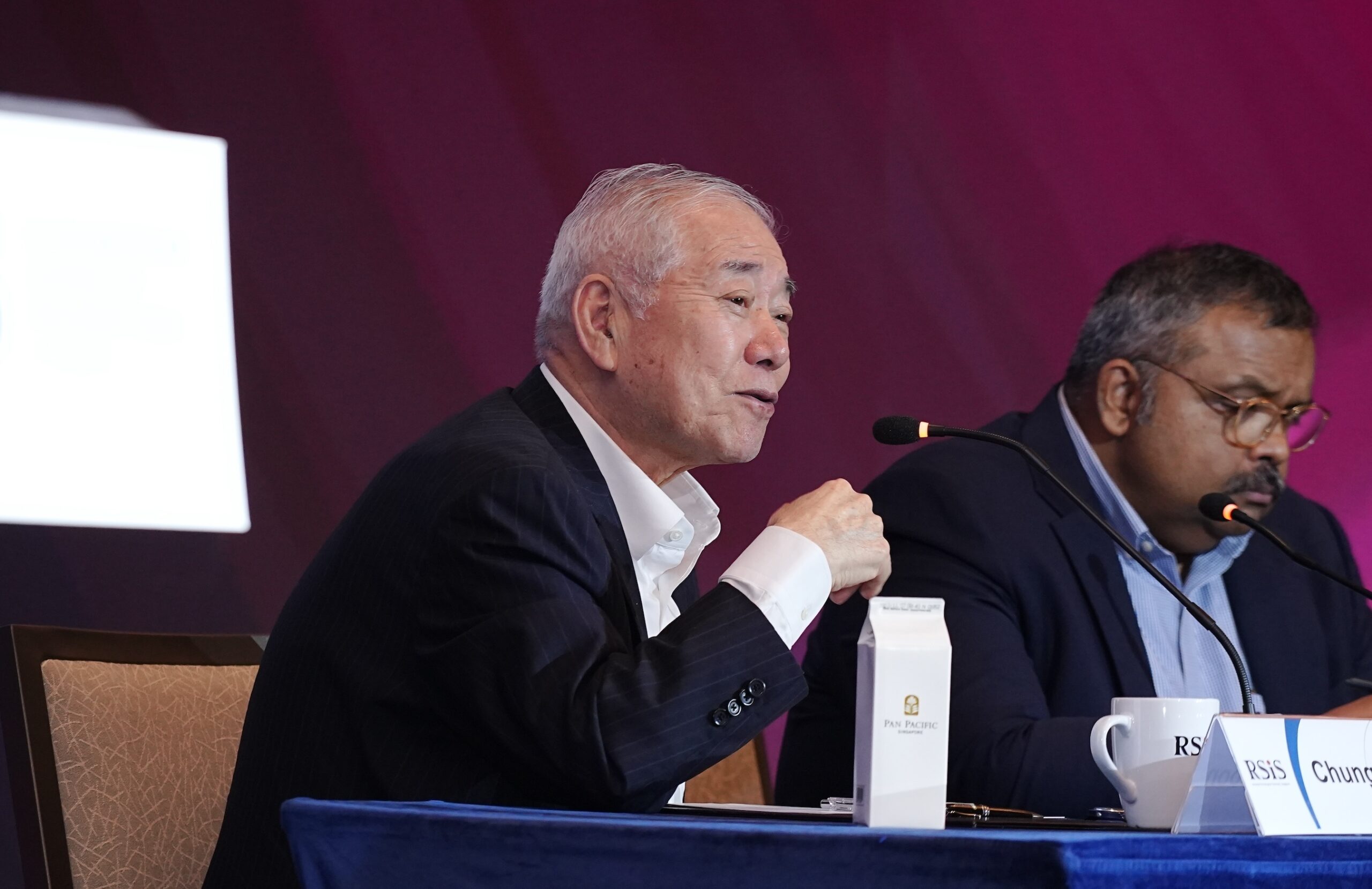
The Humanitarian Assistance and Disaster Relief (HADR) Programme of the Institute of Defence and Strategic Studies at RSIS organised a webinar on 18 March 2026 titled “Doing More with Less: HADR in the Current Era of AI, Crisis, and Austerity.” The webinar examined how the humanitarian sector can harness innovation effectively under conditions of austerity, while addressing the governance, ethical, and operational risks associated with the growing use of data-intensive and AI-enabled technologies. It also explored what “doing more with less” should mean in a context where challenges from resource constraints in global humanitarian funding, rapid digital transformation, and increasingly complex crises driven by climate change, conflict, and extreme weather events are converging.
A key theme that emerged during the discussions was the dual role of technology, particularly artificial intelligence (AI), as both a conditional force multiplier and a source of risk for humanitarian and disaster management work. While AI and other digital tools are enhancing the speed and scale of data collection and analysis, the speakers highlighted concerns around accountability, bias, ethics, and transparency. These concerns are especially pronounced when data and AI-generated outputs risk exacerbating exposure and existing vulnerabilities, particularly in sensitive settings such as conflicts.
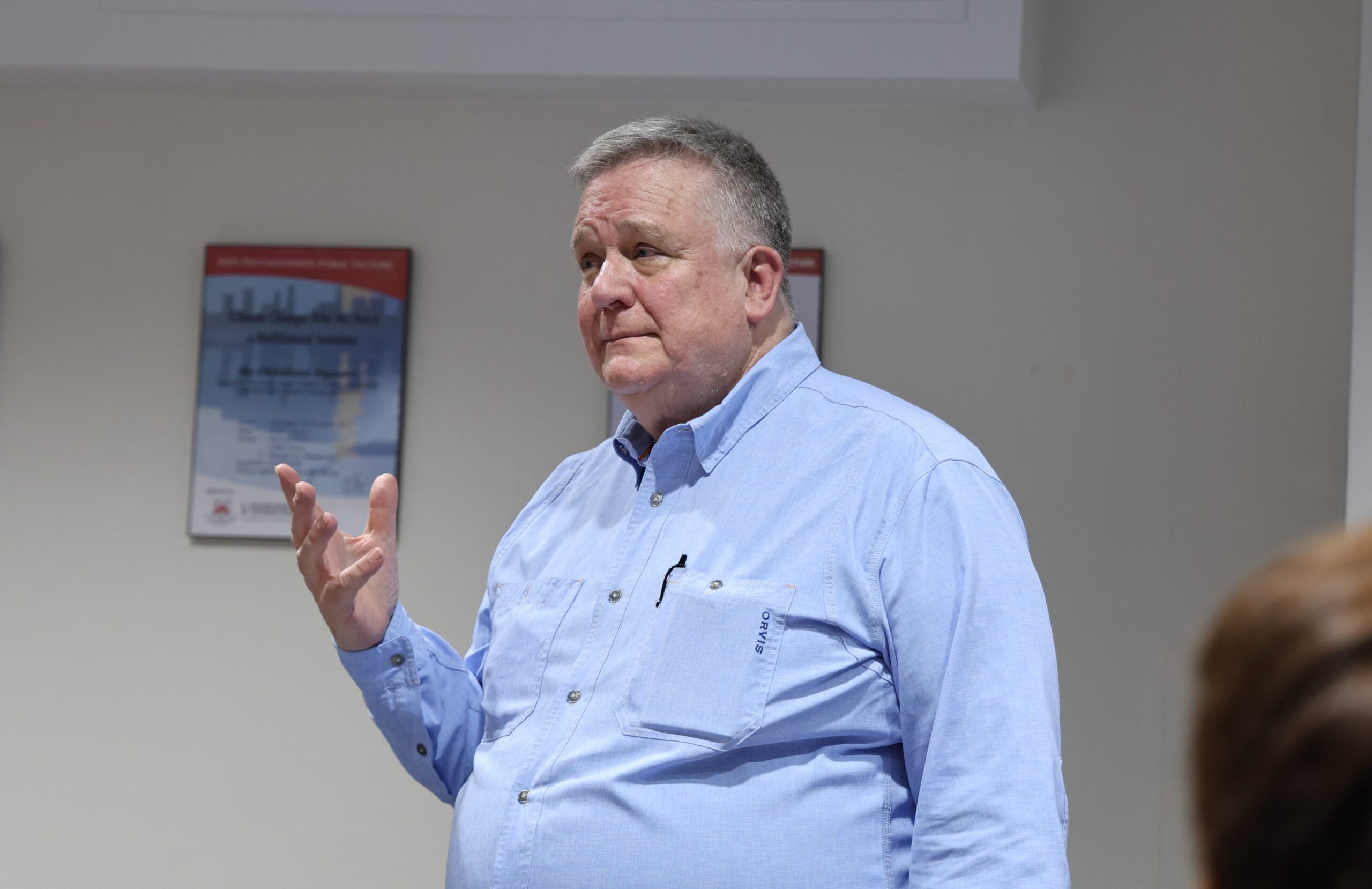
Dr Miguel Laverde of the Asian Disaster Preparedness Center (ADPC) emphasised the importance of shifting from a reactive to an anticipatory approach to disaster management. He highlighted the capacity of AI to deliver on this, enhancing early warning systems that enable timely and targeted information. However, he cited that the “last mile” remains a persistent problem, as local communities may lack the expertise to access or interpret such information. He underscored the importance of bridging the provider and end-user gap, and the need for broader governance frameworks to also include sustained capacity-building efforts.
From a private-sector perspective, Mr Vincent Kessler of Synspective SG highlighted how advances in satellite technology are transforming disaster response. As satellite technology and imagery can provide near-real-time data, private firms like Synspective SG can support rapid damage assessment and resource deployment. He also noted that technological capability alone is insufficient; rather, partnerships with public institutions and investments in user training are essential to translate data into actionable insights.
Ms Feye Andal of the University of the Philippines Resilience Institute underscored the critical role of youth and volunteer networks in filling data gaps as well as open data in humanitarian response and disaster management. Through open mapping initiatives, communities are able to contribute their locally grounded information that is especially valuable for underserved areas. Ms Andal pointed out that resource constraints and volunteer turnover remain as persistent challenges.
Across the discussion, speakers converged towards the need for a balanced approach — one that combines technological innovation with strong governance, human oversight, and community engagement. Ultimately, “doing more with less” is not solely about efficiency gains, but about making strategic choices that prioritise impact without losing sight of inclusivity and trust in an increasingly complex humanitarian landscape.