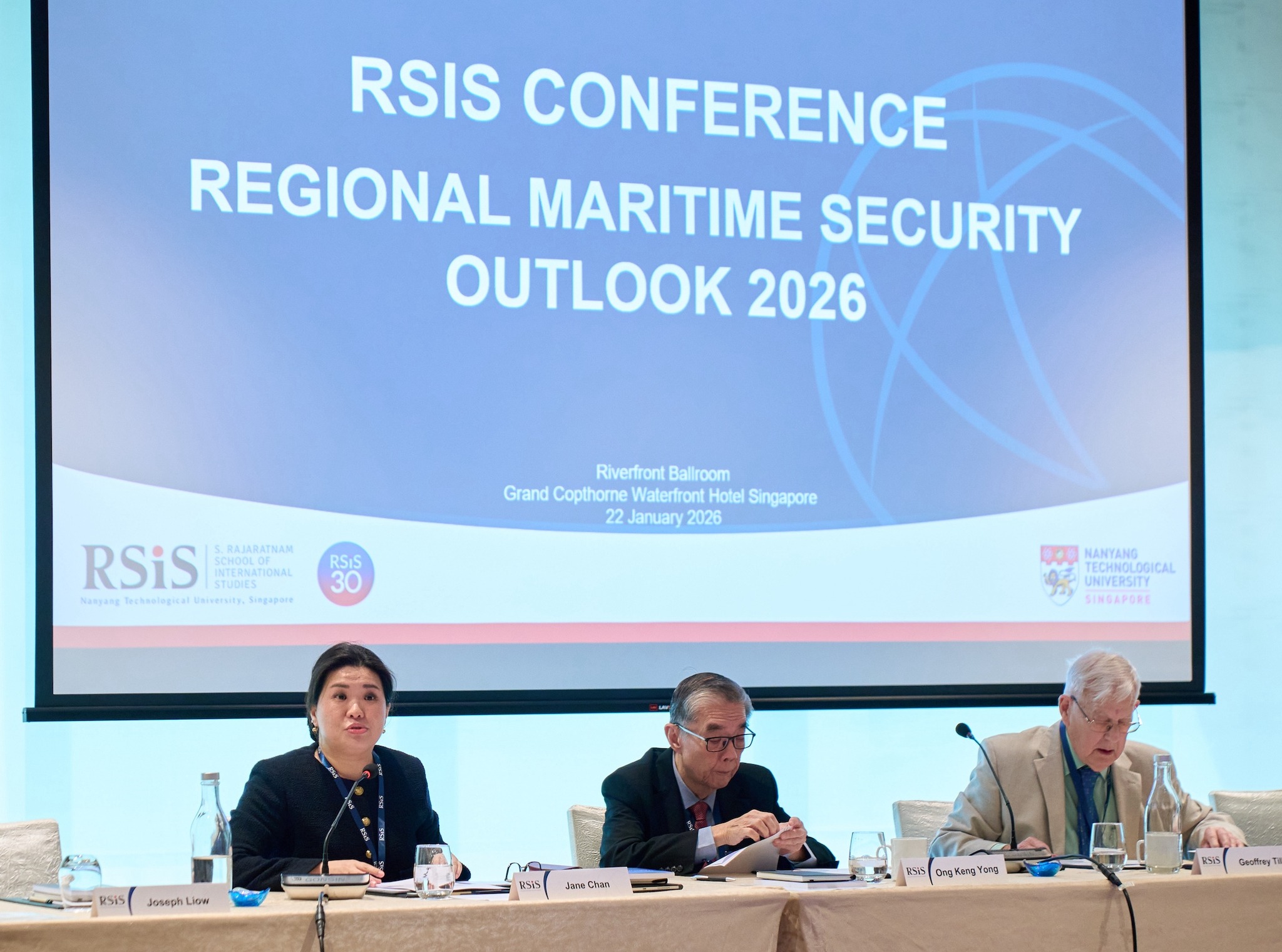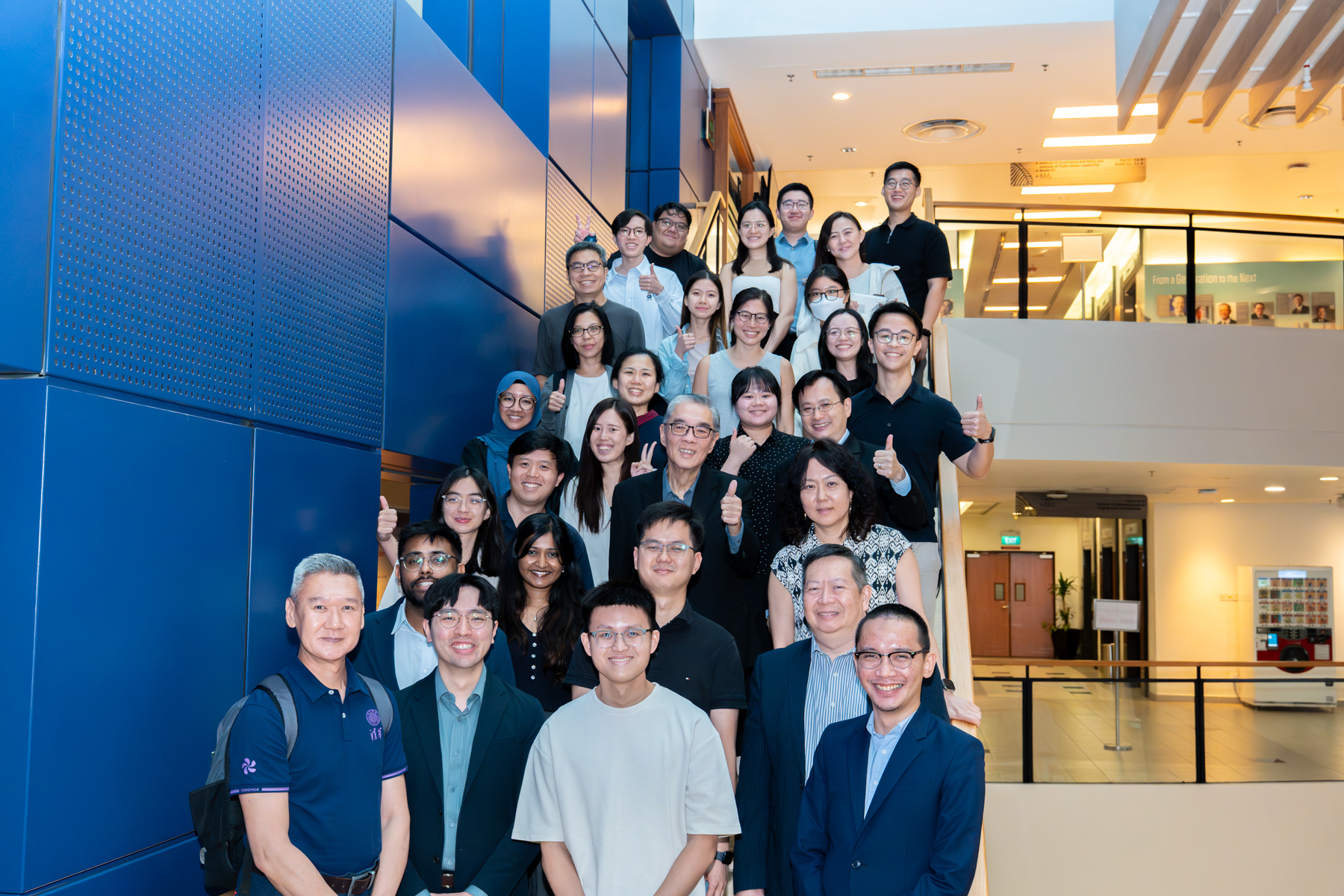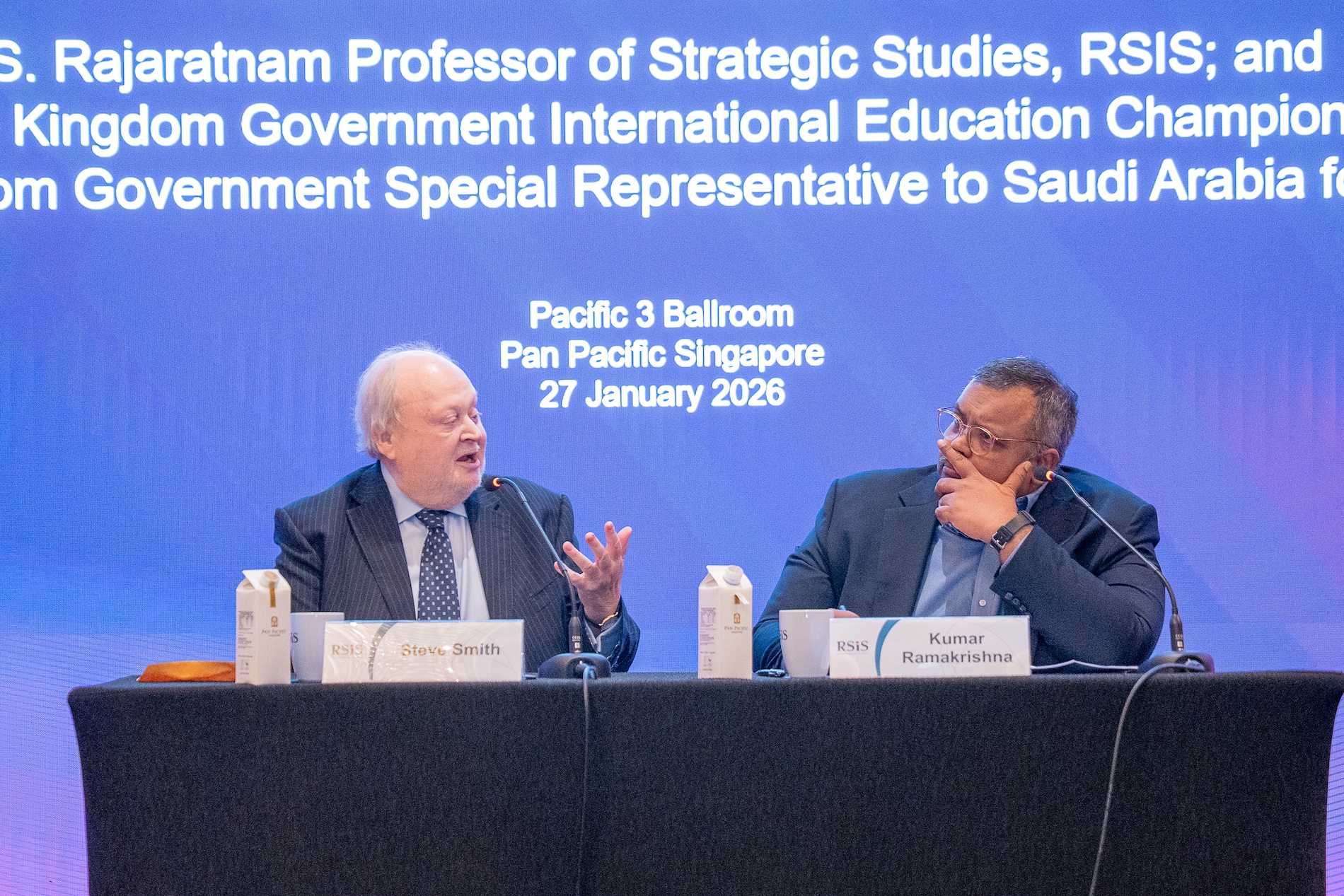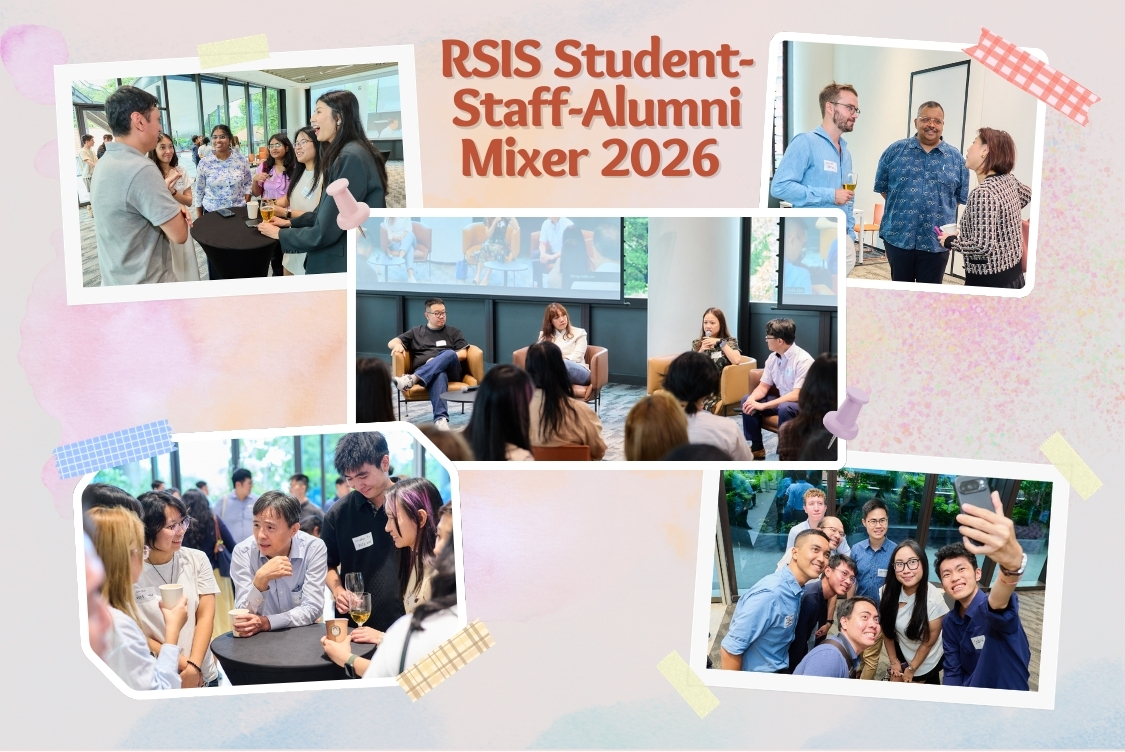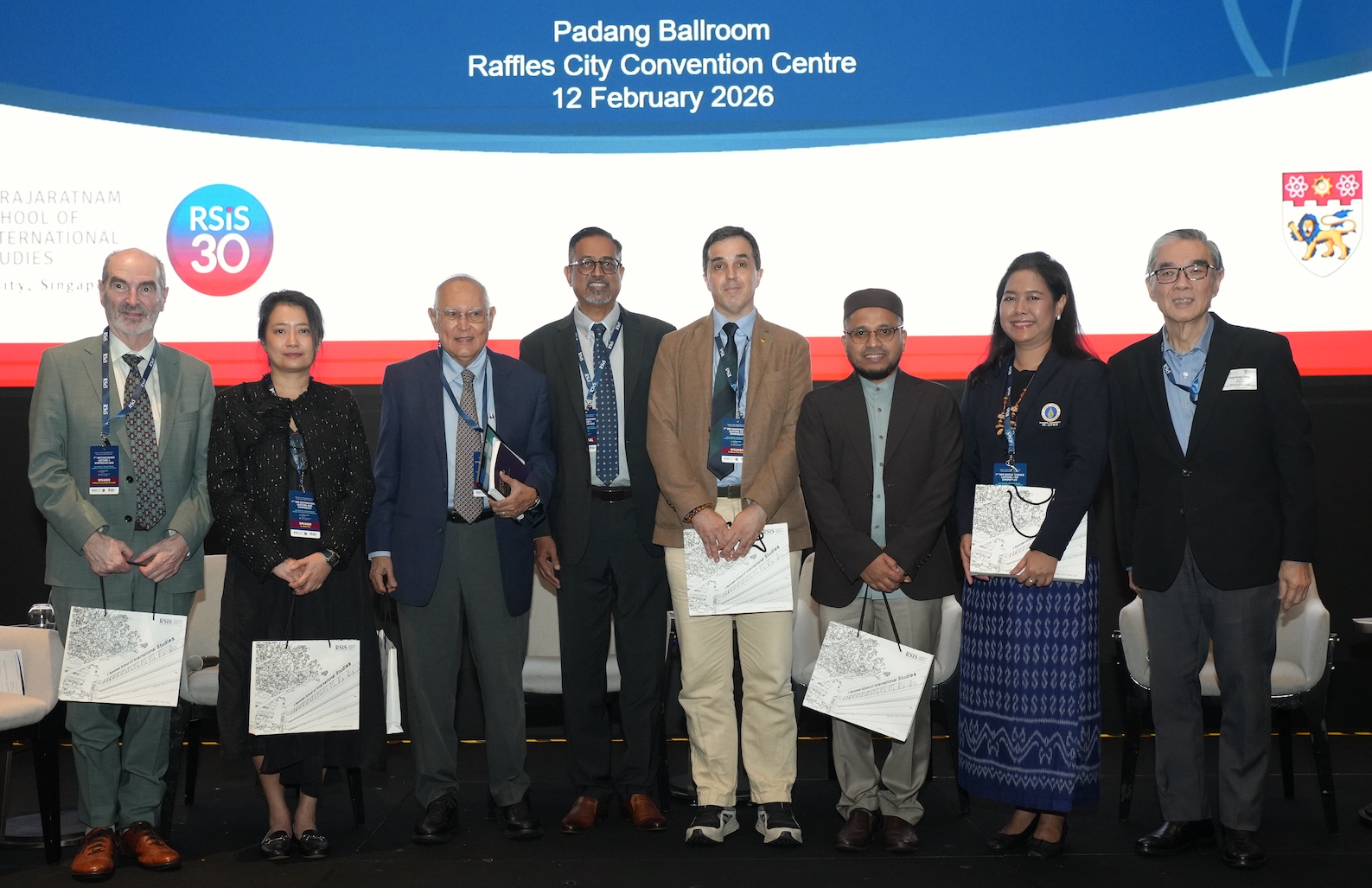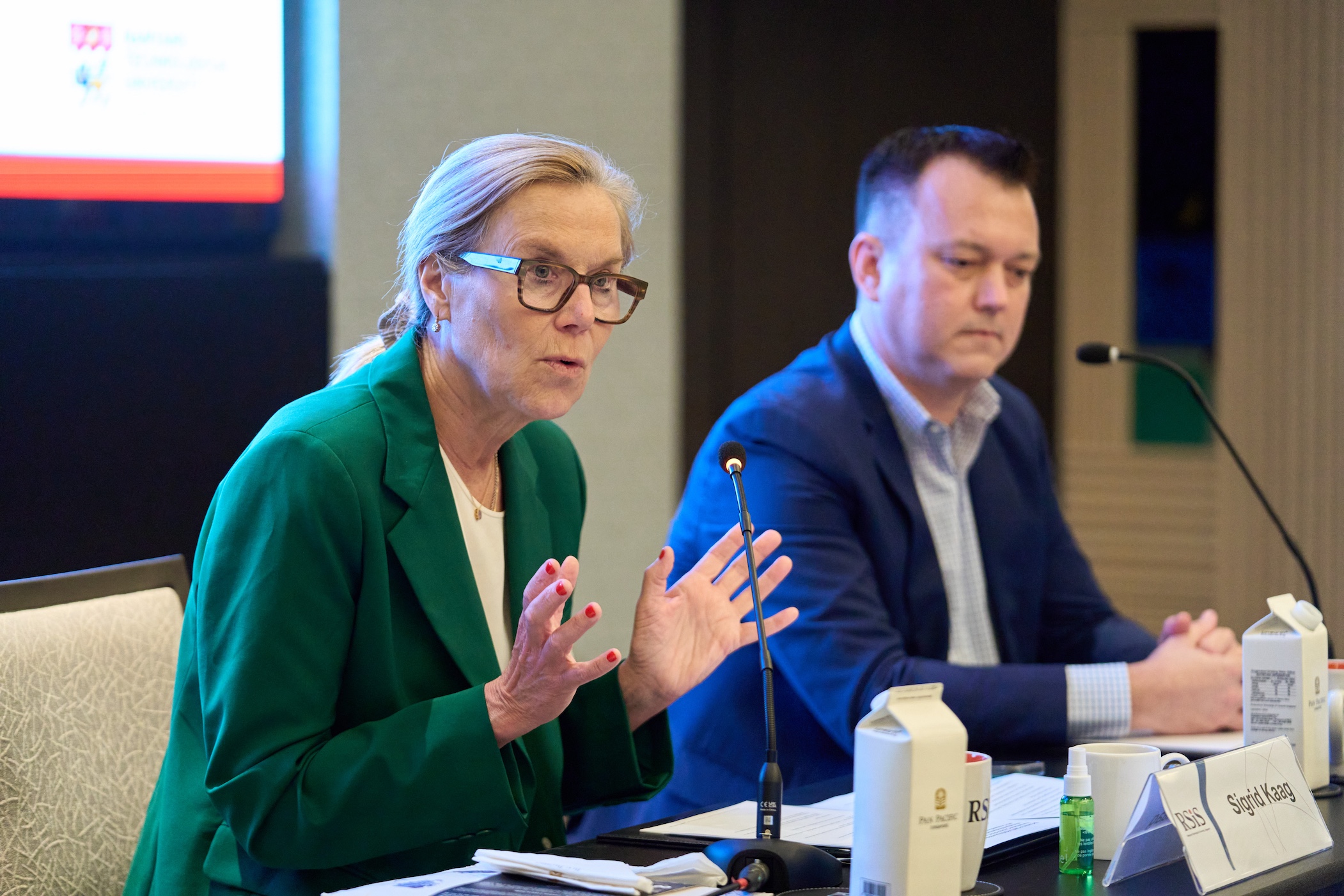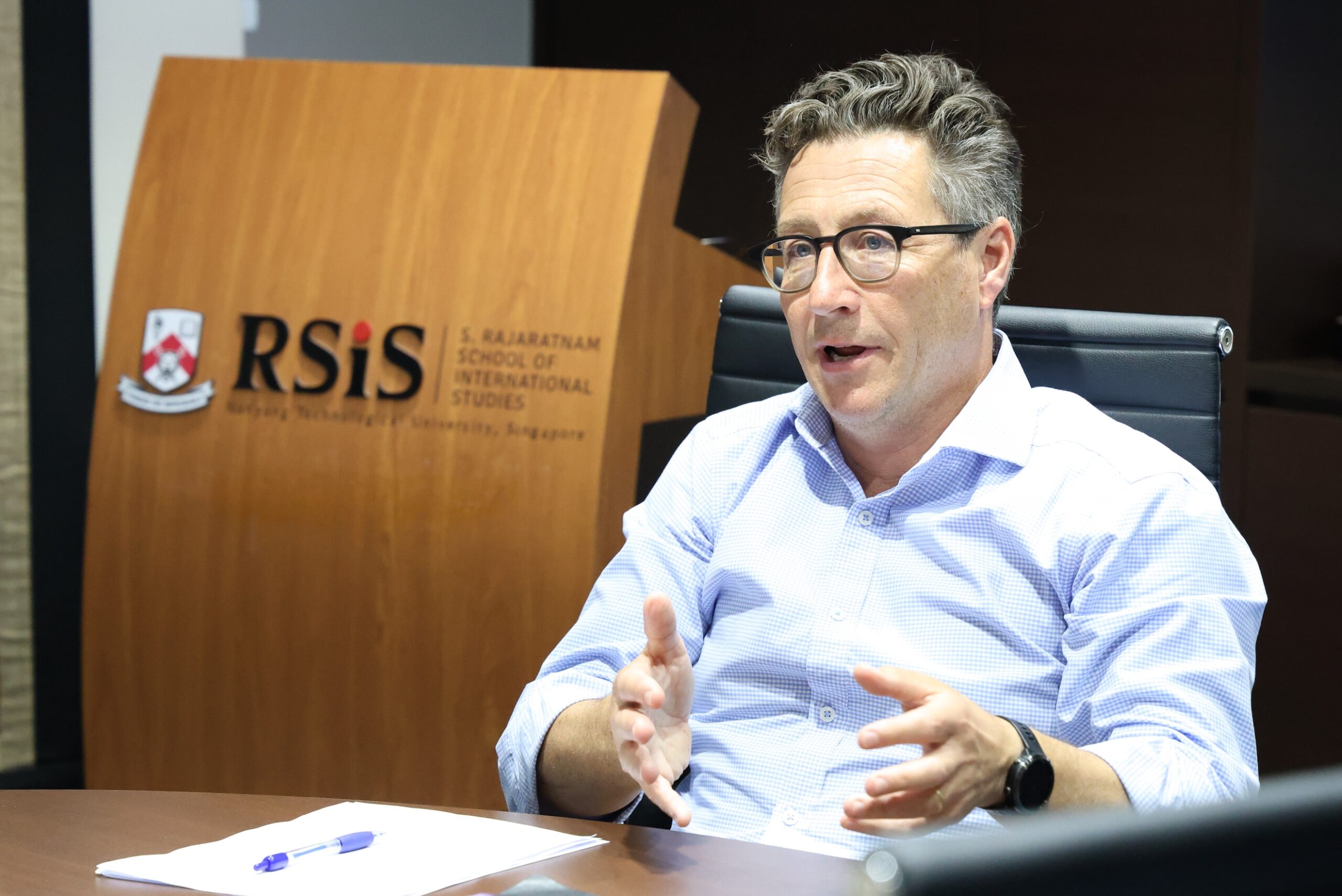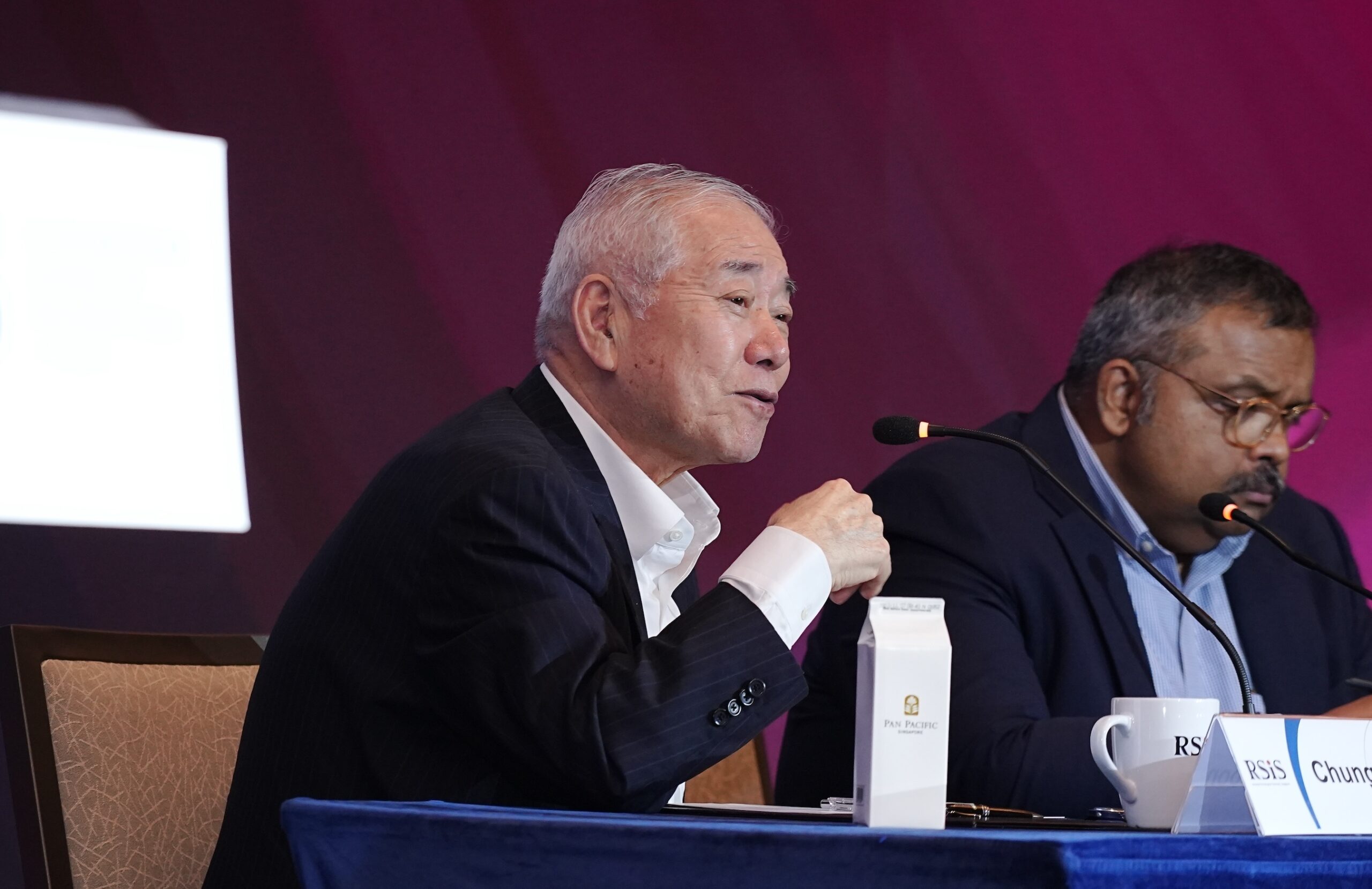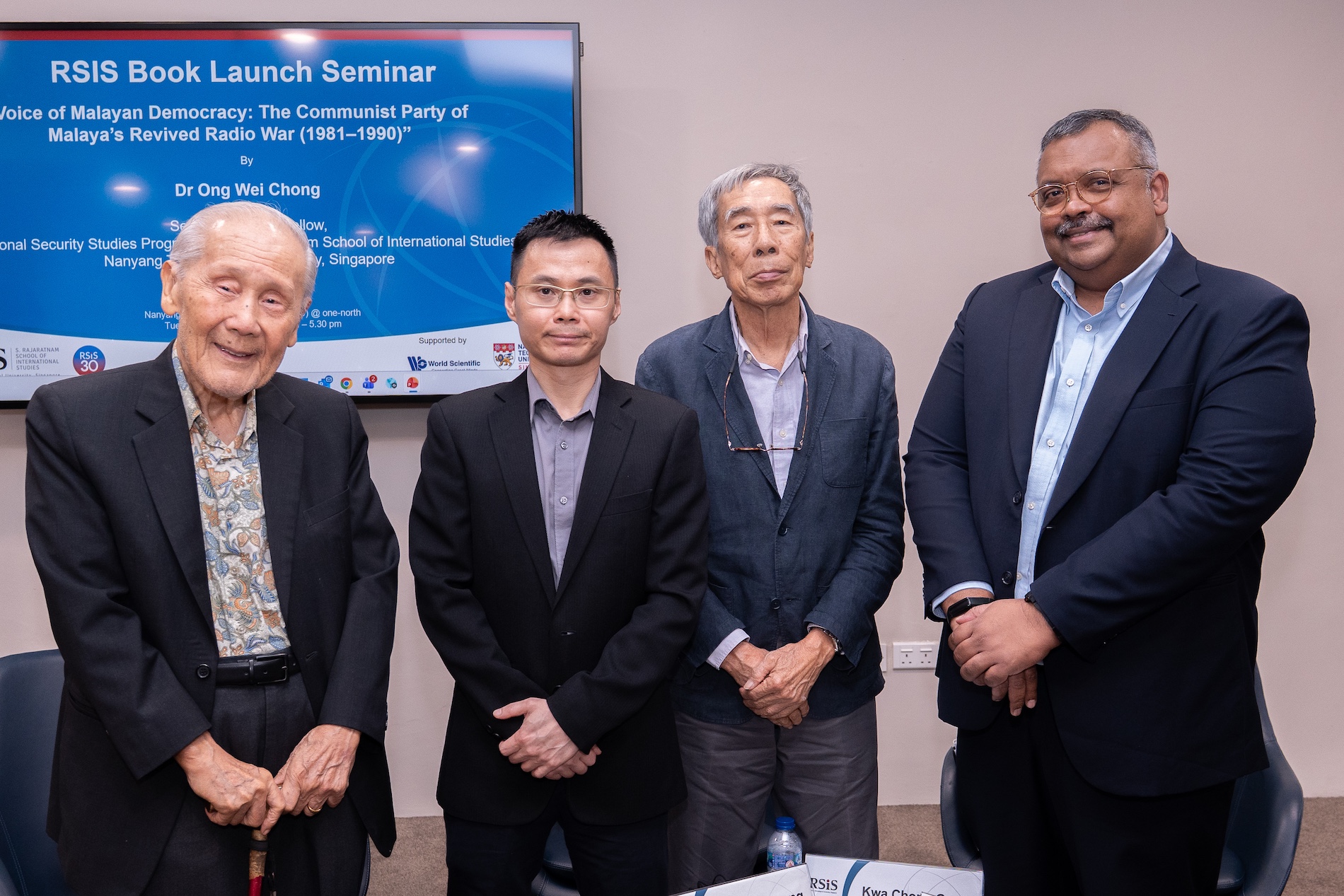


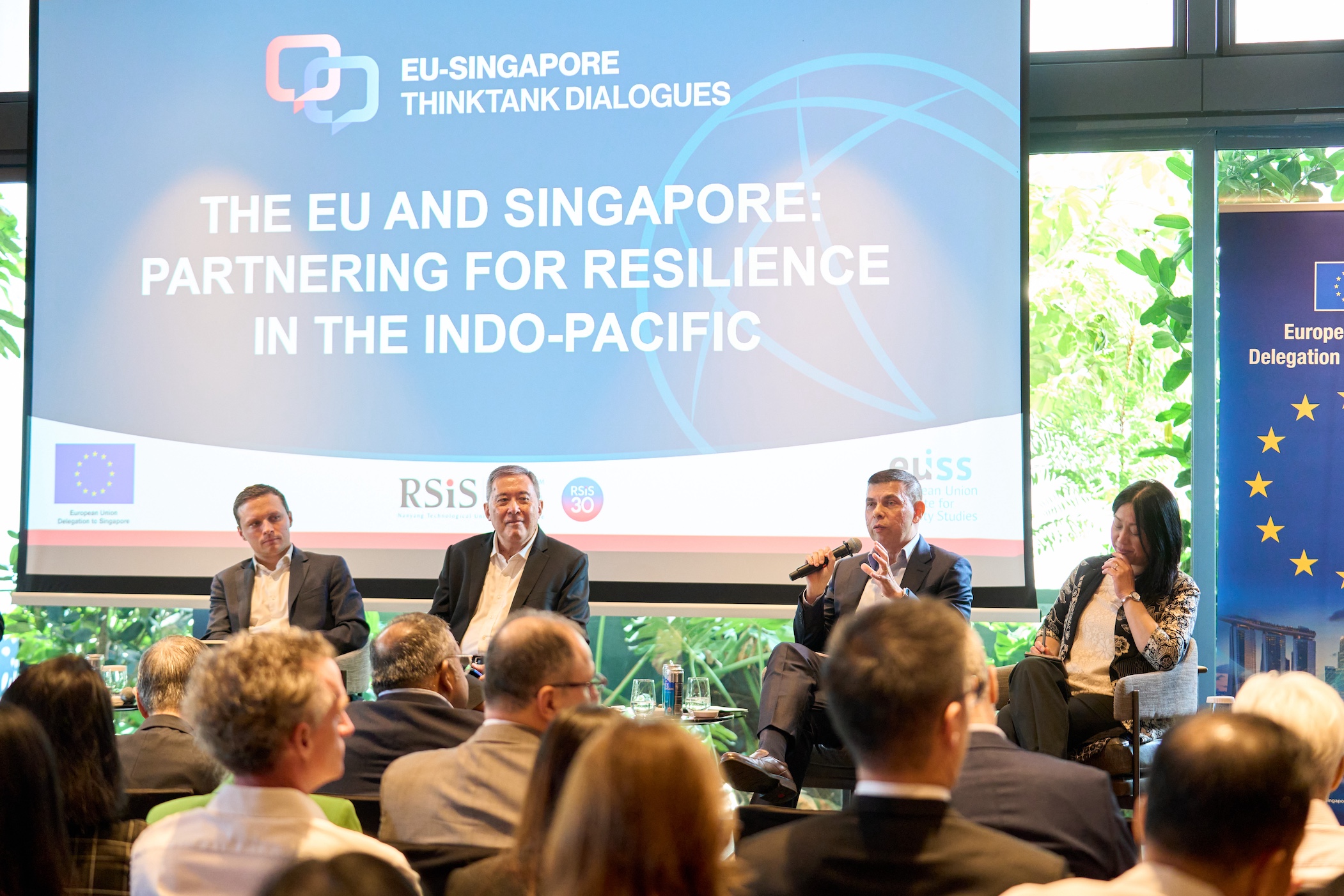
Organised by the European Delegation in Singapore, the EU-Singapore Think Tank Dialogue Series (TTDS) is a platform for think tanks from the European Union to interact with their counterparts in Singapore. Originally launched in other regions before the COVID-19 pandemic, the TDDS was recently restarted with this latest dialogue focusing on defence and security, in partnership with RSIS and the European Union Institute for Strategic studies (EUISS). Conducted over two days with a closed day session between the think tanks on 16 March and a public dialogue on 17 March, the dialogue discussed how the European Union (EU) and Singapore could increase cooperation within an increasingly uncertain international environment.
In his opening remarks on the 2nd day of the dialogue, H.E. Artis Bērtulis, EU Ambassador to Singapore, highlighted the increasingly turbulent global environment, citing the erosion of international law and intensifying geopolitical competition and how it necessitated cooperation with partners such as Singapore in priority areas such as cyber security, hybrid threats, and maritime security.
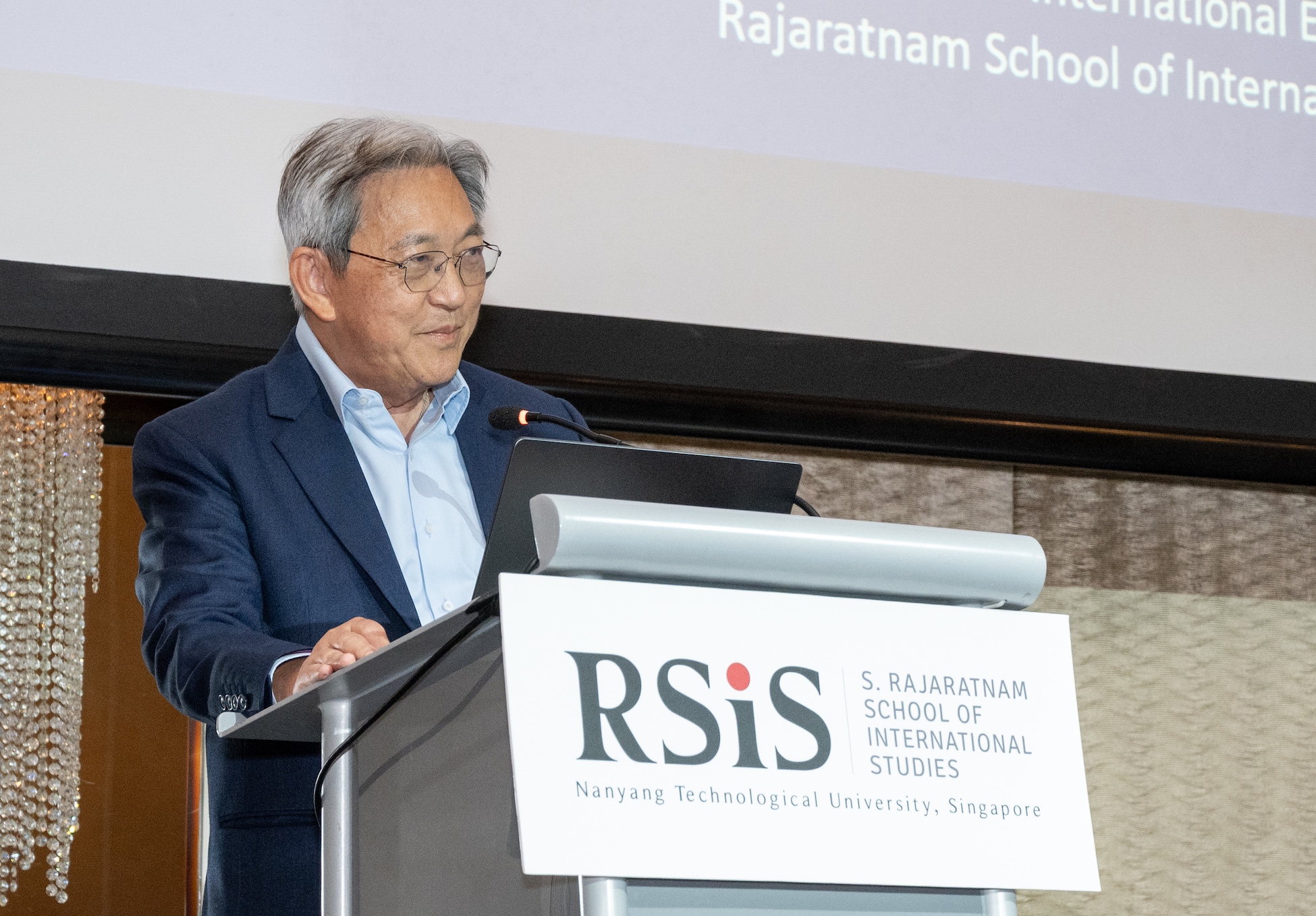
RSIS Executive Deputy Chairman, Ambassador Ong Keng Yong, contextualised EU–Singapore cooperation within the broader challenges facing the rules-based international order. He observed that ASEAN-led mechanisms and EU frameworks that have historically empowered smaller and middle powers, are now threatened by protectionist policies and great power rivalry. Ambassador Ong stressed that future EU–Singapore engagement should prioritise adaptability and measurable outcomes, while retaining a people-centred approach.
The dialogue centred around a panel titled “The EU and Singapore: Partnering for Resilience in the Indo-Pacific”, with Dr Joel Ng, Senior Fellow & Head of the Centre for Multilateralism Studies (CMS) at RSIS, moderating the panel. He emphasised the interconnectedness of global crises, observing that instability in one region, such as the Middle East, can have immediate repercussions elsewhere as a result of shared vulnerabilities and the presence of supply chains, thus underscoring the necessity for closer cooperation.
Ms Lizza Bomassi, Indo-Pacific Research Analyst at the EUISS, observed that maritime security is undergoing a significant transformation amid great power competition. This could affect freedom of navigation and open sea lanes, as well as the growing vulnerability of critical maritime infrastructure, particularly subsea cables. Ms Bomassi identified these issues as clear opportunities for EU–Singapore cooperation.
Mr Roderick Kefferpütz, Director, European Union Office, Heinrich-Böll-Stiftung (HBS); highlighted the rapid expansion of European security and defence cooperation in the Indo-Pacific, which has markedly increased in recent years. He further observed the evolving nature of warfare and identified defence technology cooperation and knowledge exchange as promising avenues for deeper EU–Singapore collaboration.
Mr Lawrence Anderson, Senior Fellow at RSIS, argued that the weakening of the rules-based international economic system compels smaller states to reassess their strategic options. He identified energy security, digital governance, and regional economic integration as priority areas for EU-Singapore collaboration.
Mr Warren Fernandez, Senior Fellow and Head of the National Security Studies Programme at RSIS, underscored the importance of maintaining agency for middle and small powers in an increasingly uncertain global environment. He argued that EU–Singapore cooperation can enable these states to actively shape the emerging order, rather than remain passive recipients of external pressures, while also explaining that economic, trade, and strategic imbalances must be addressed to achieve a more durable and equitable global order.
The dialogue proceeded to a lively discussion around policy priorities, strategic uncertainties, and new domains of cooperation between the EU and Singapore, followed by a networking session.