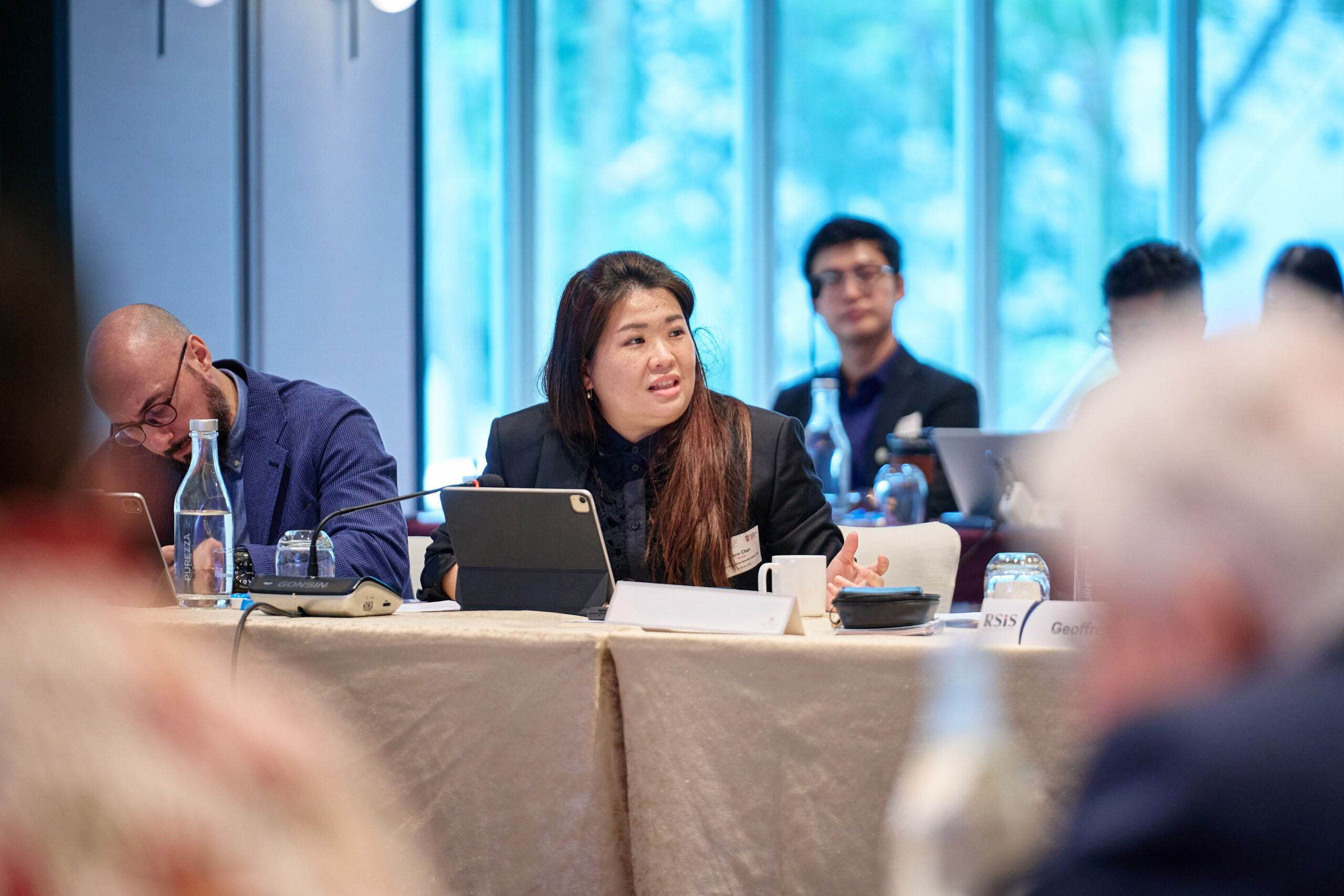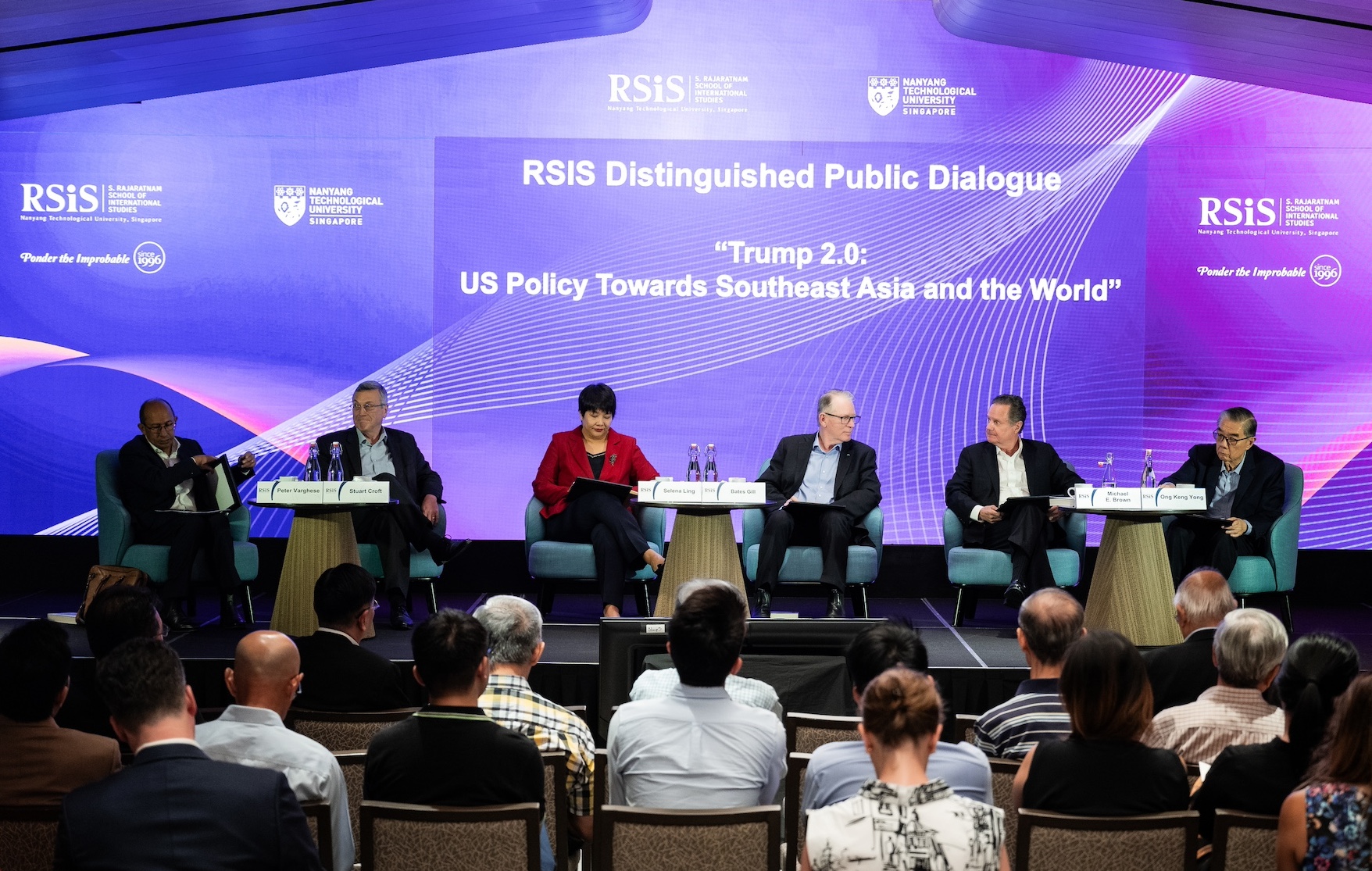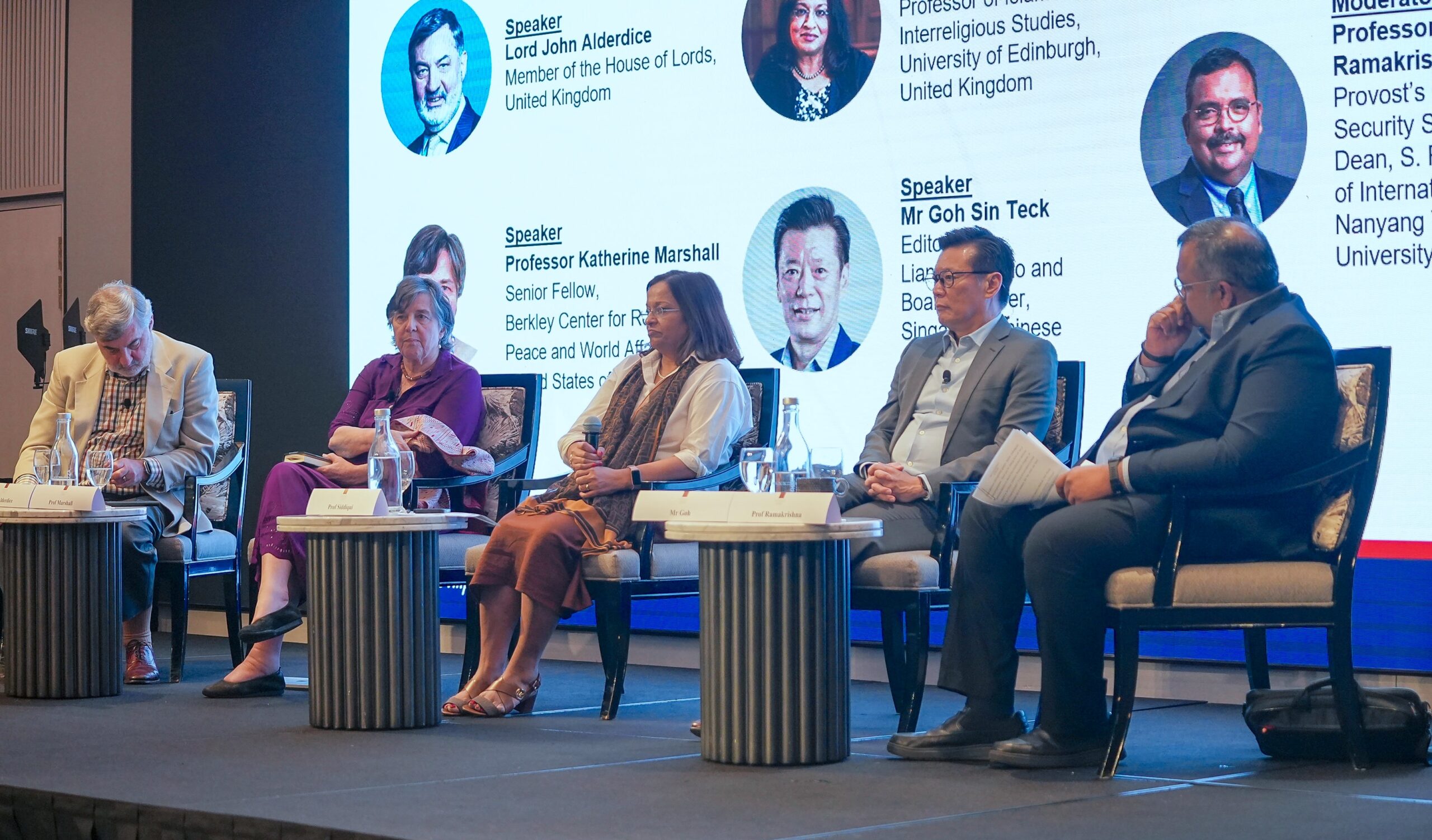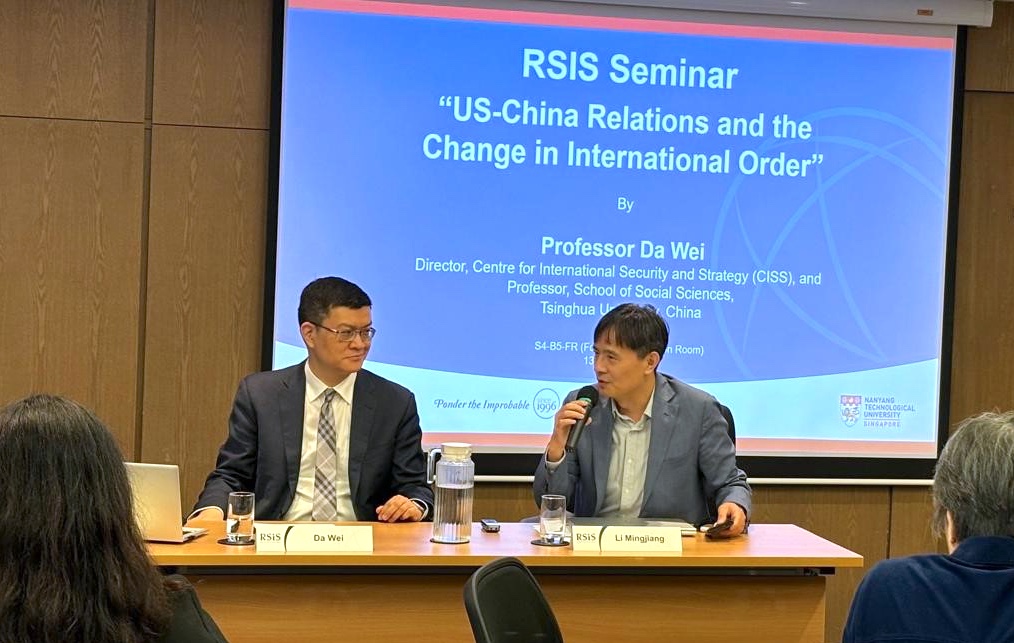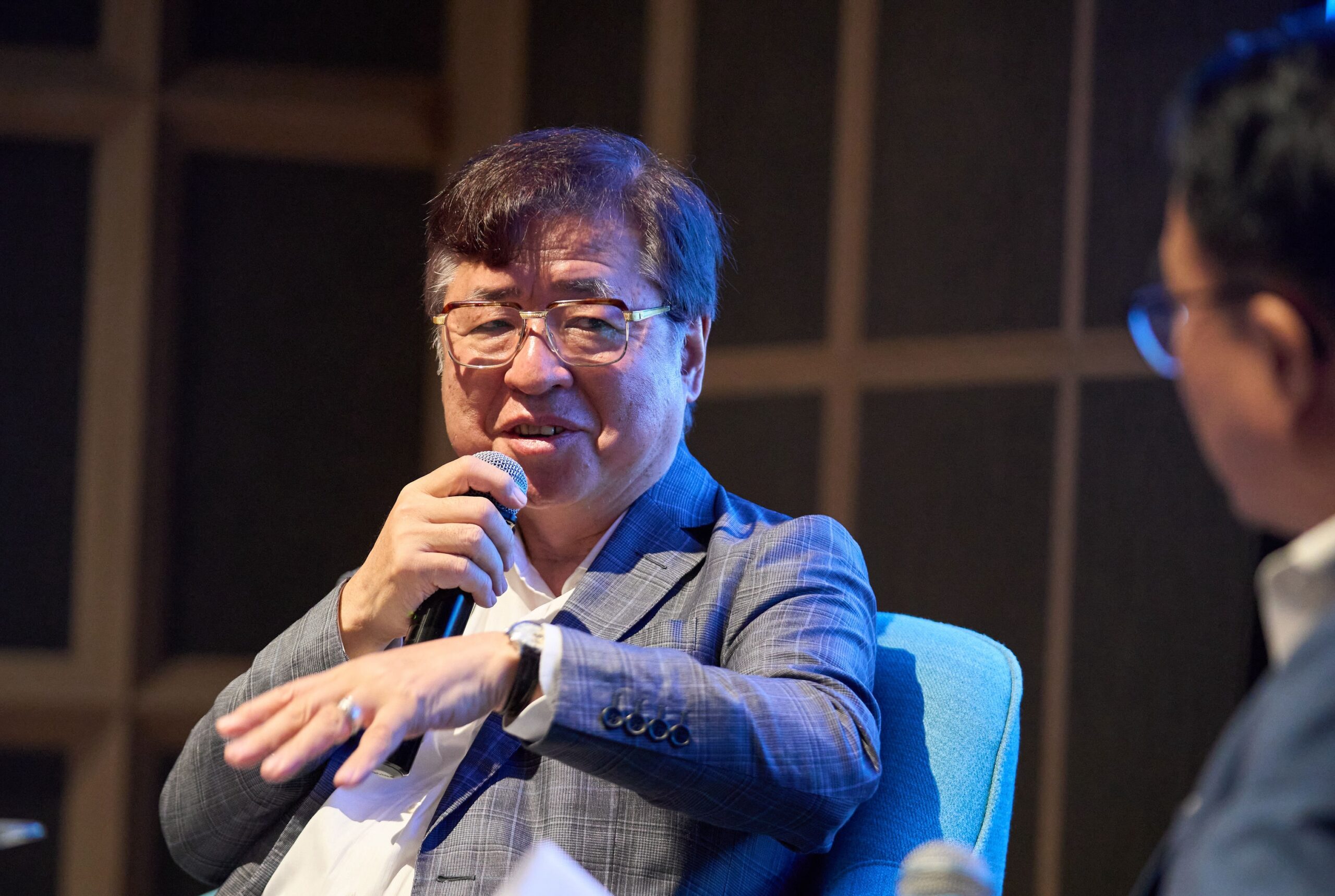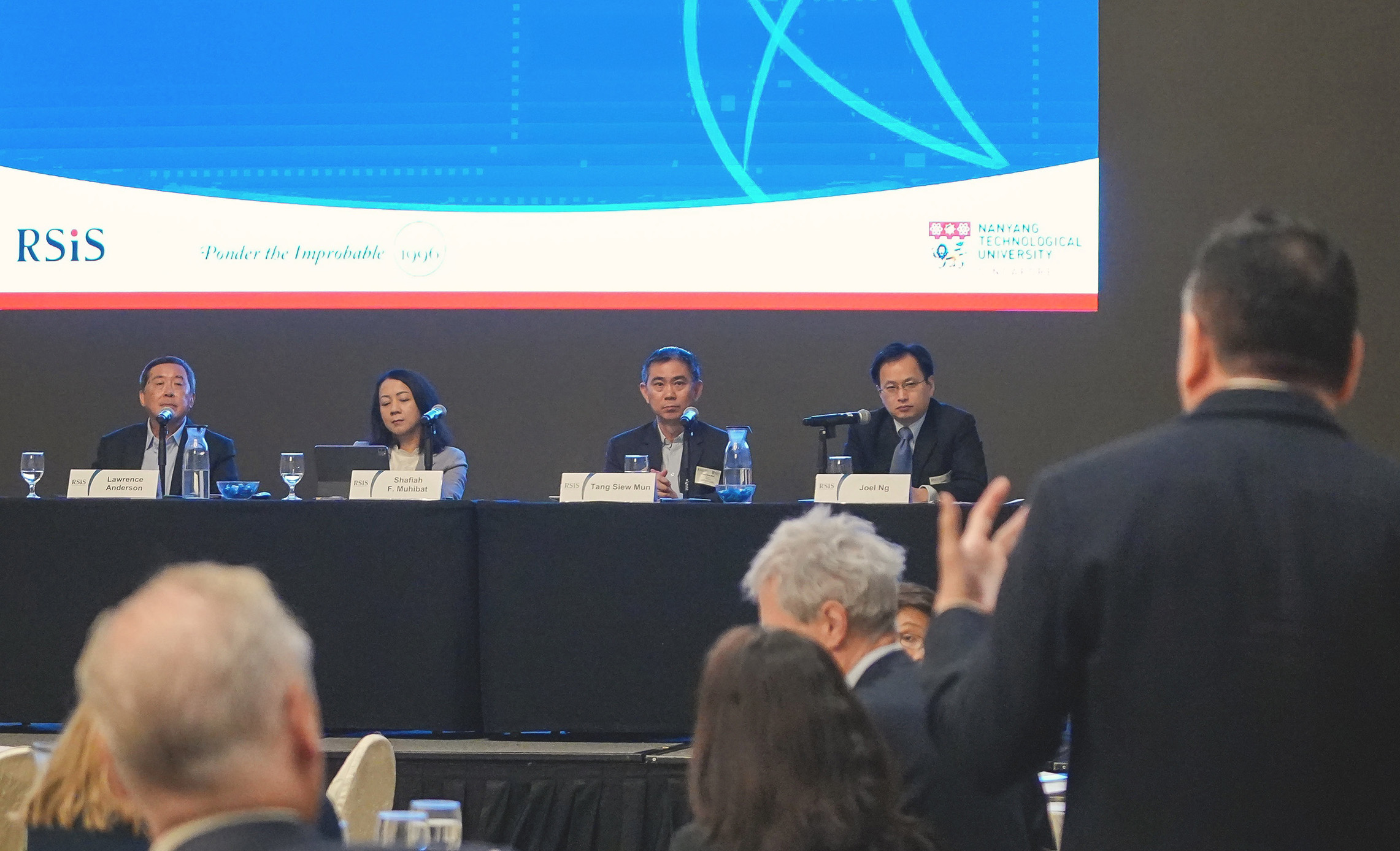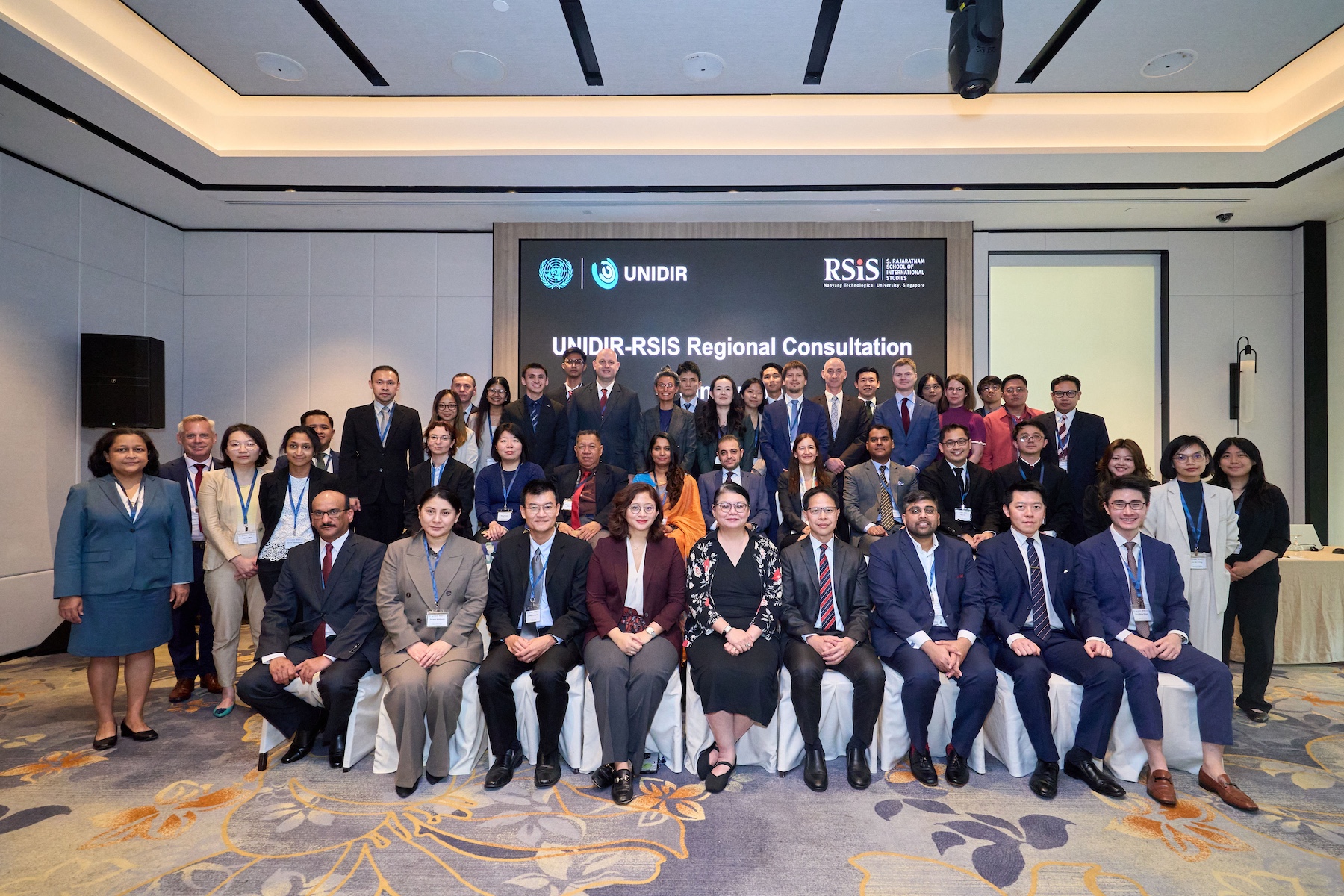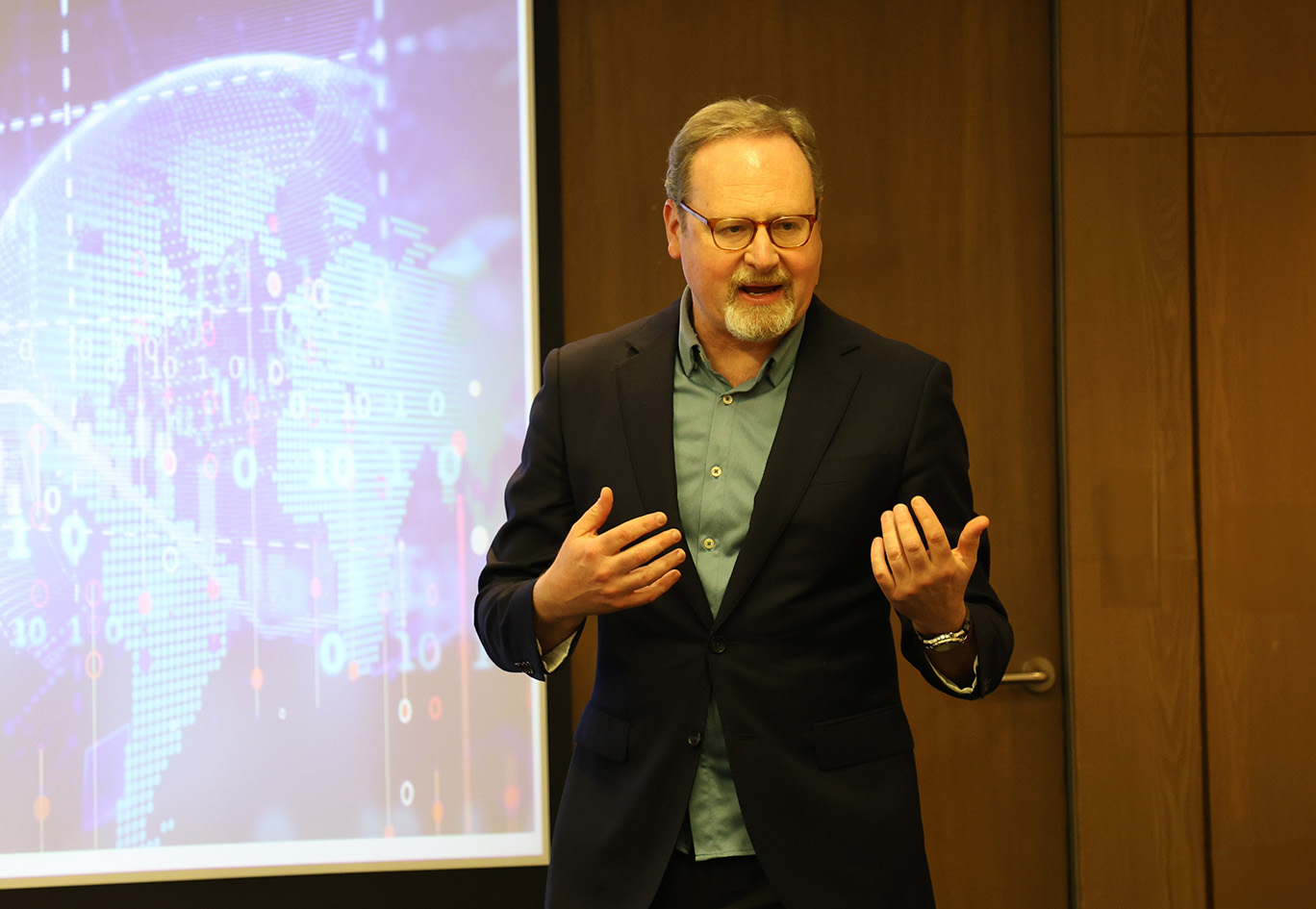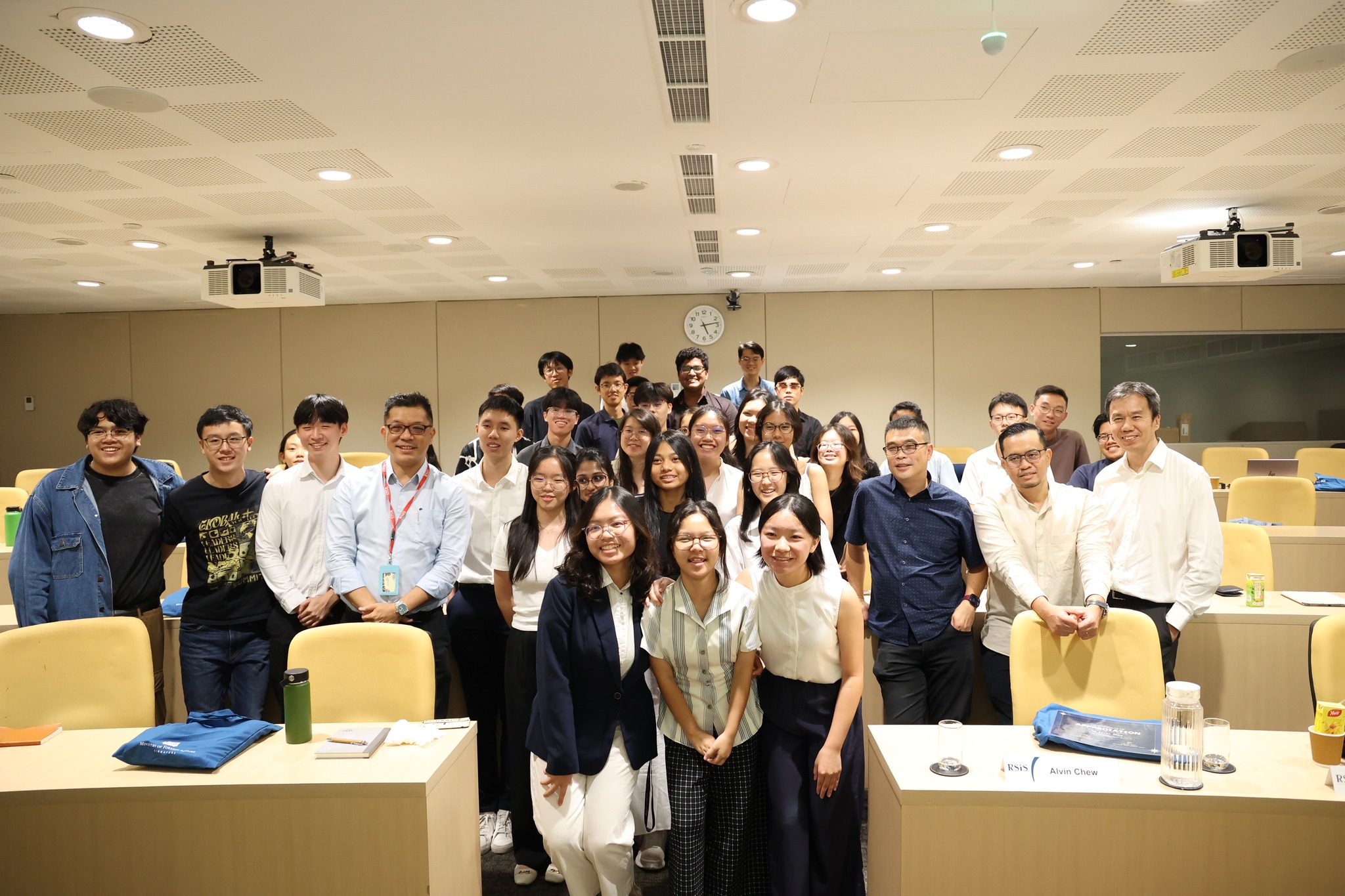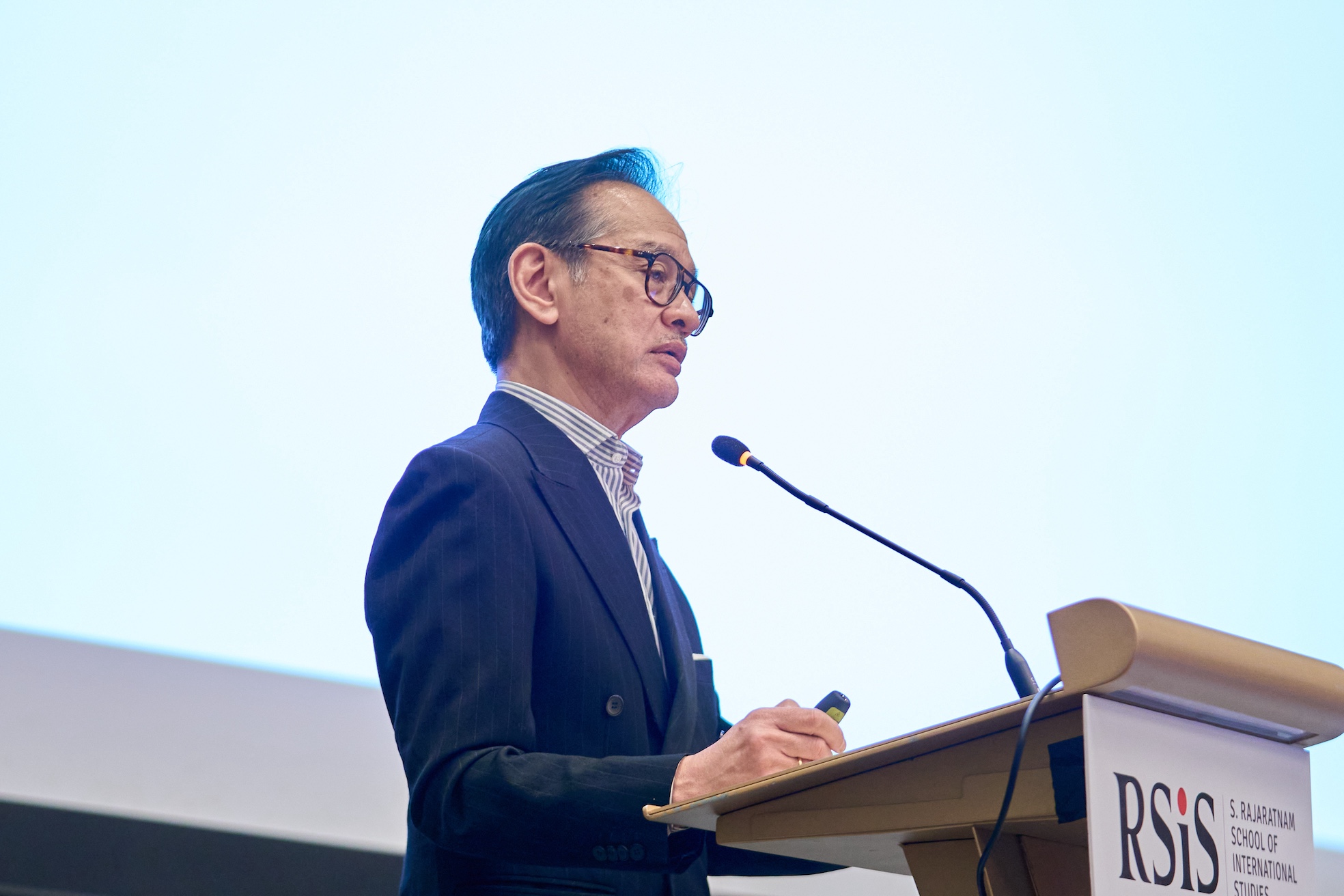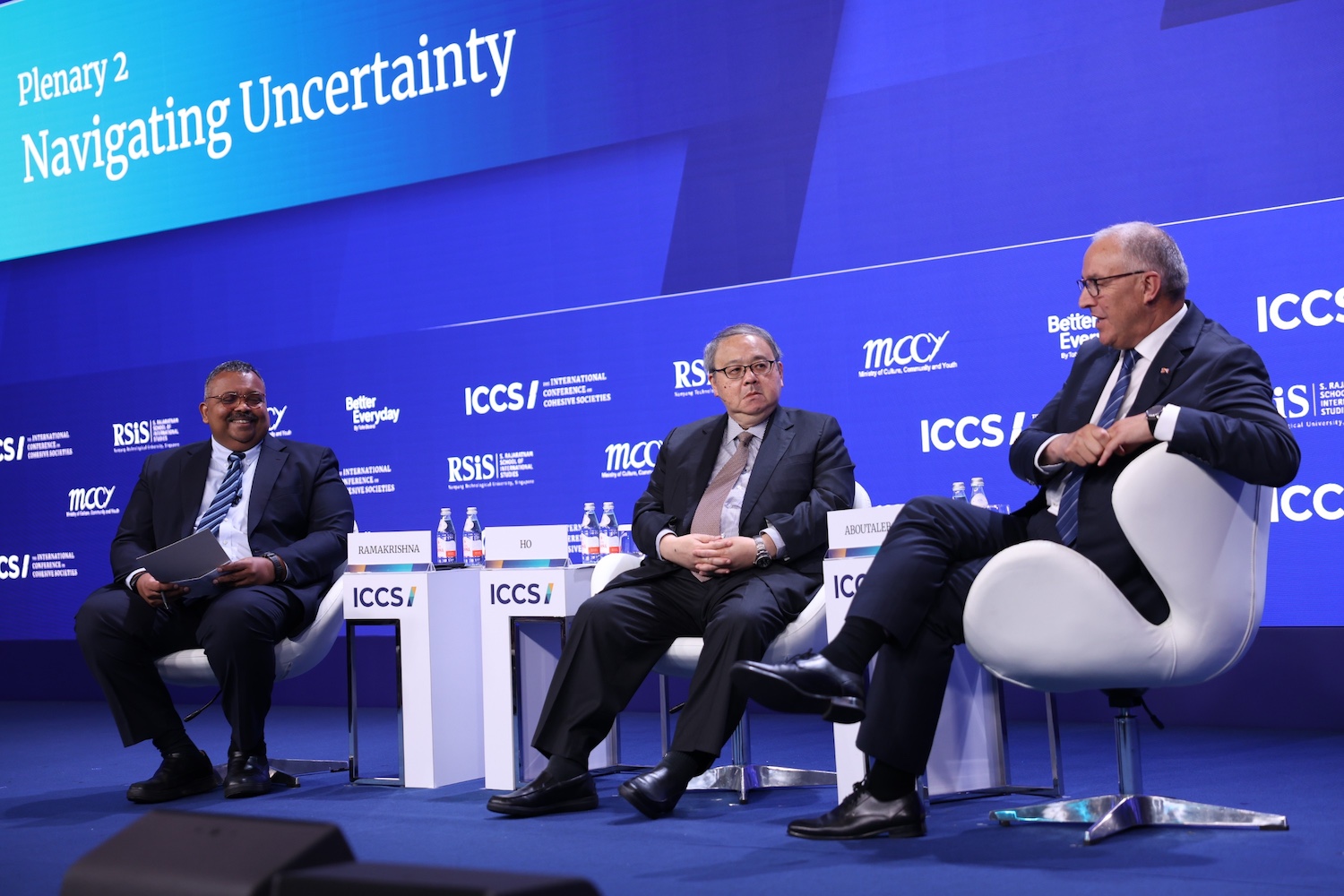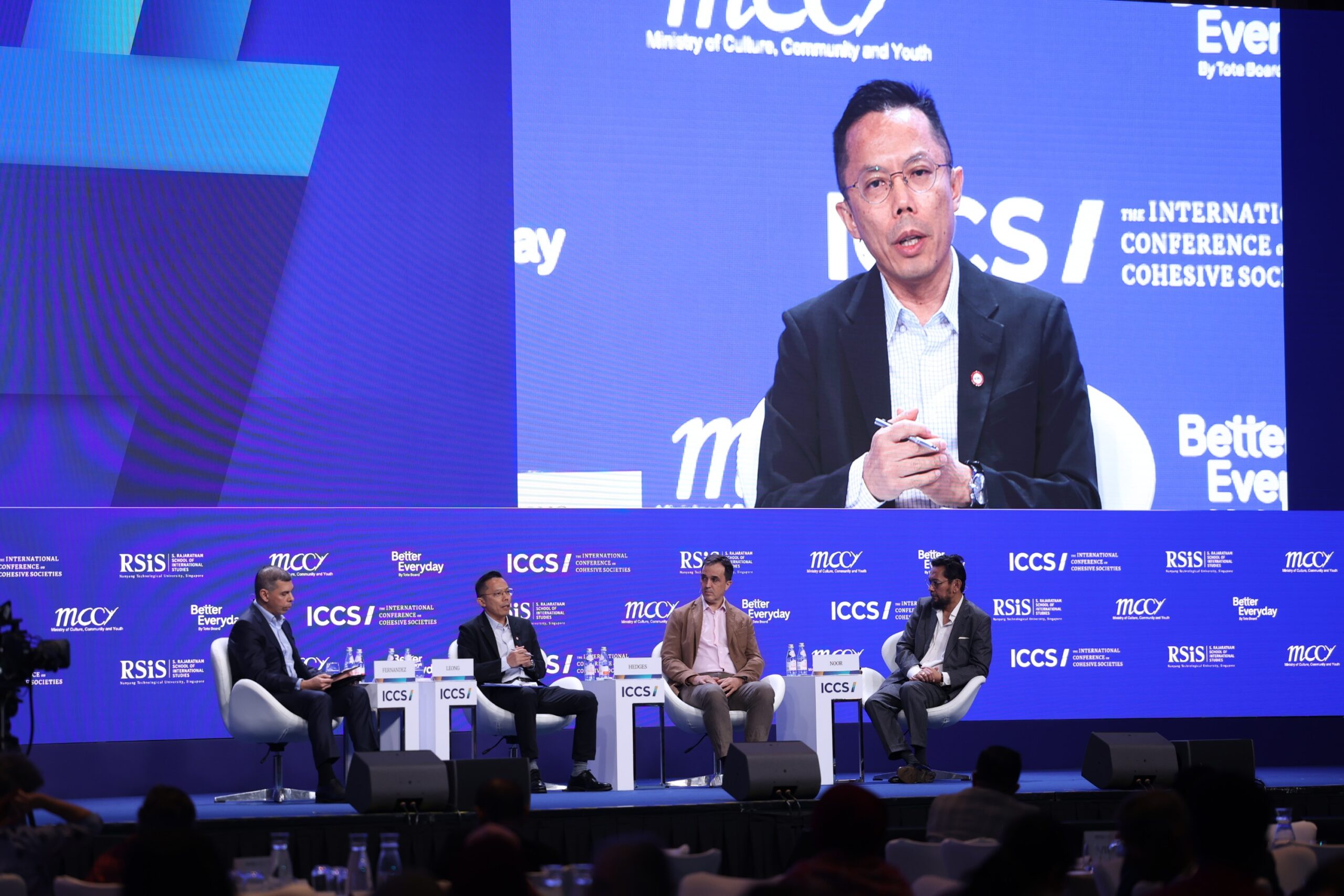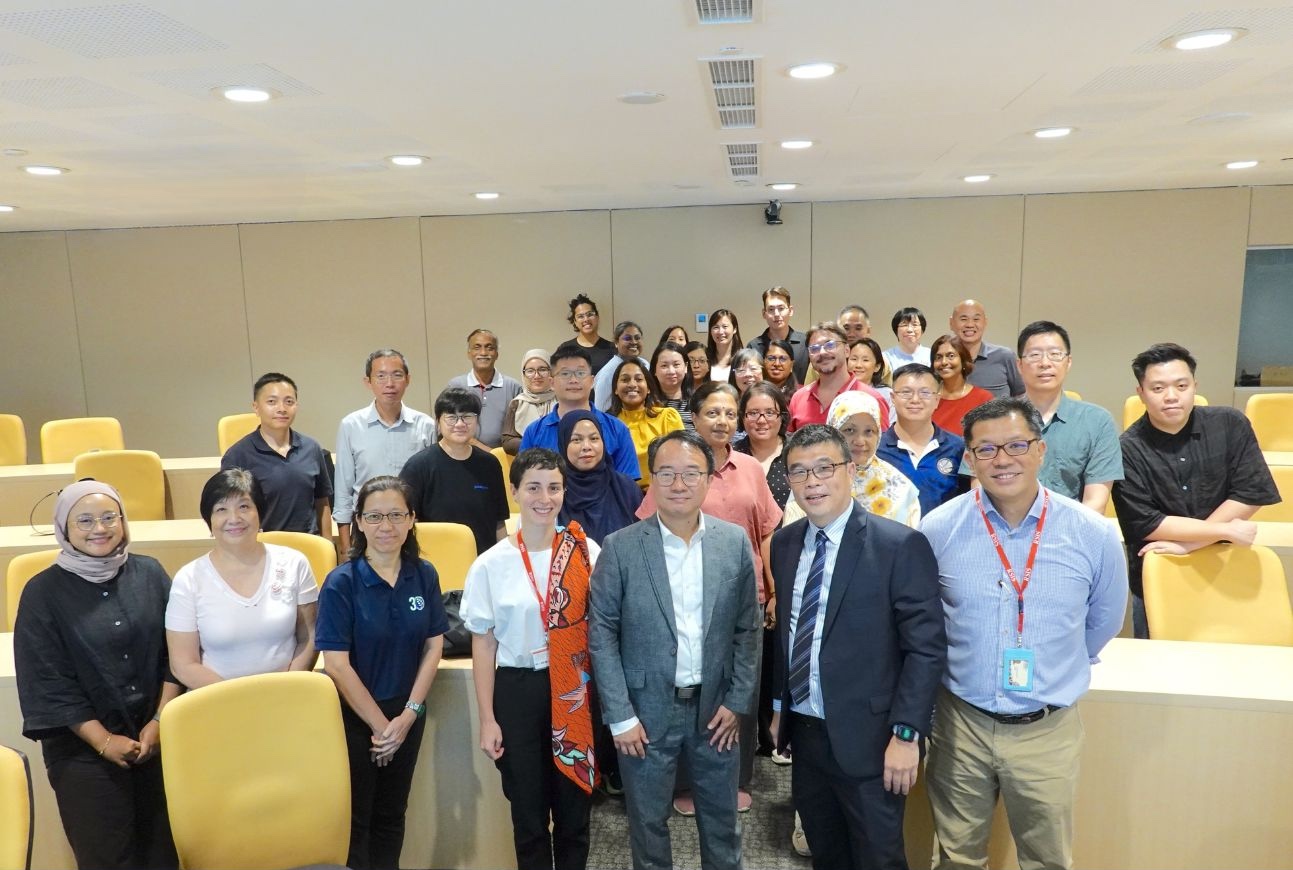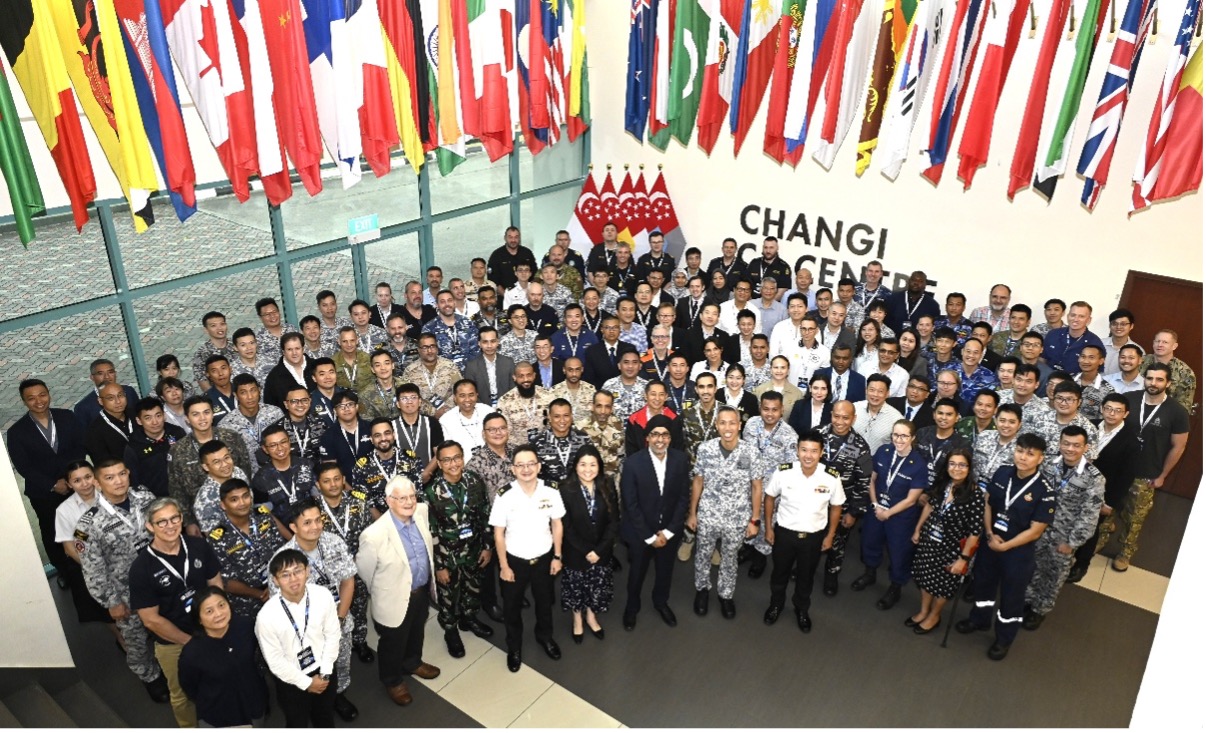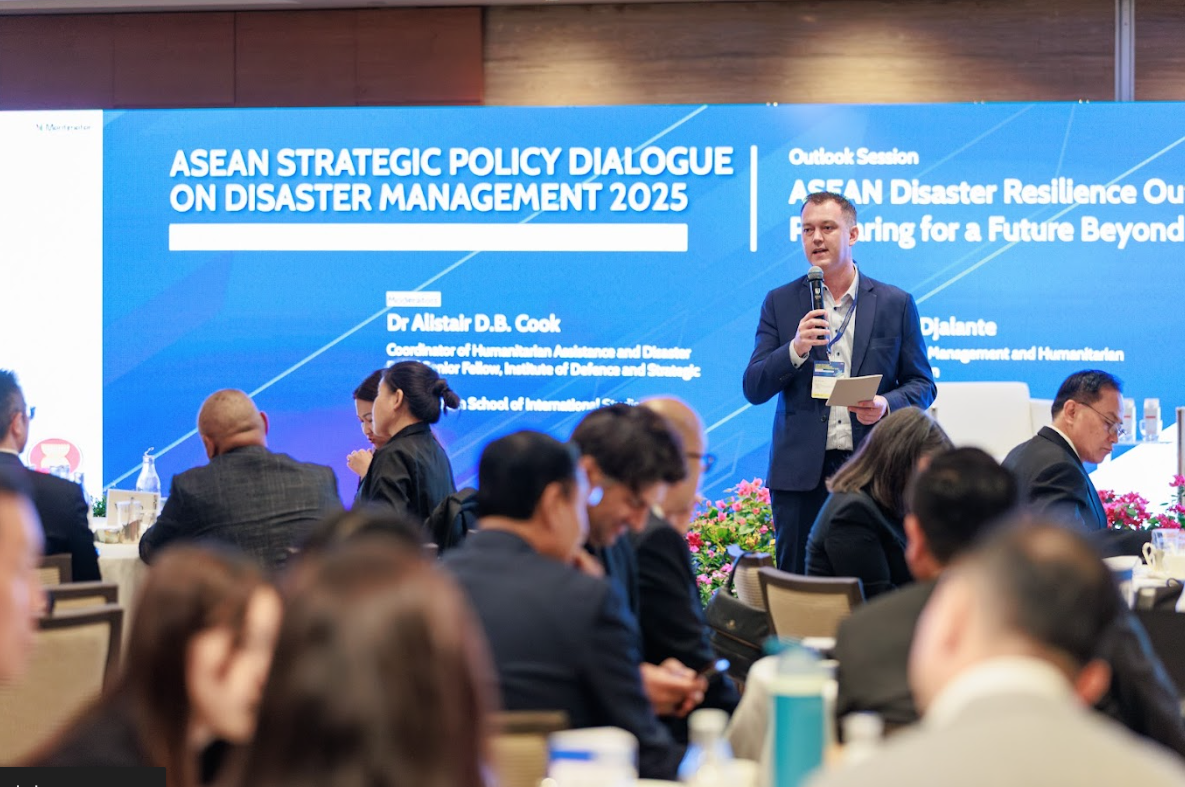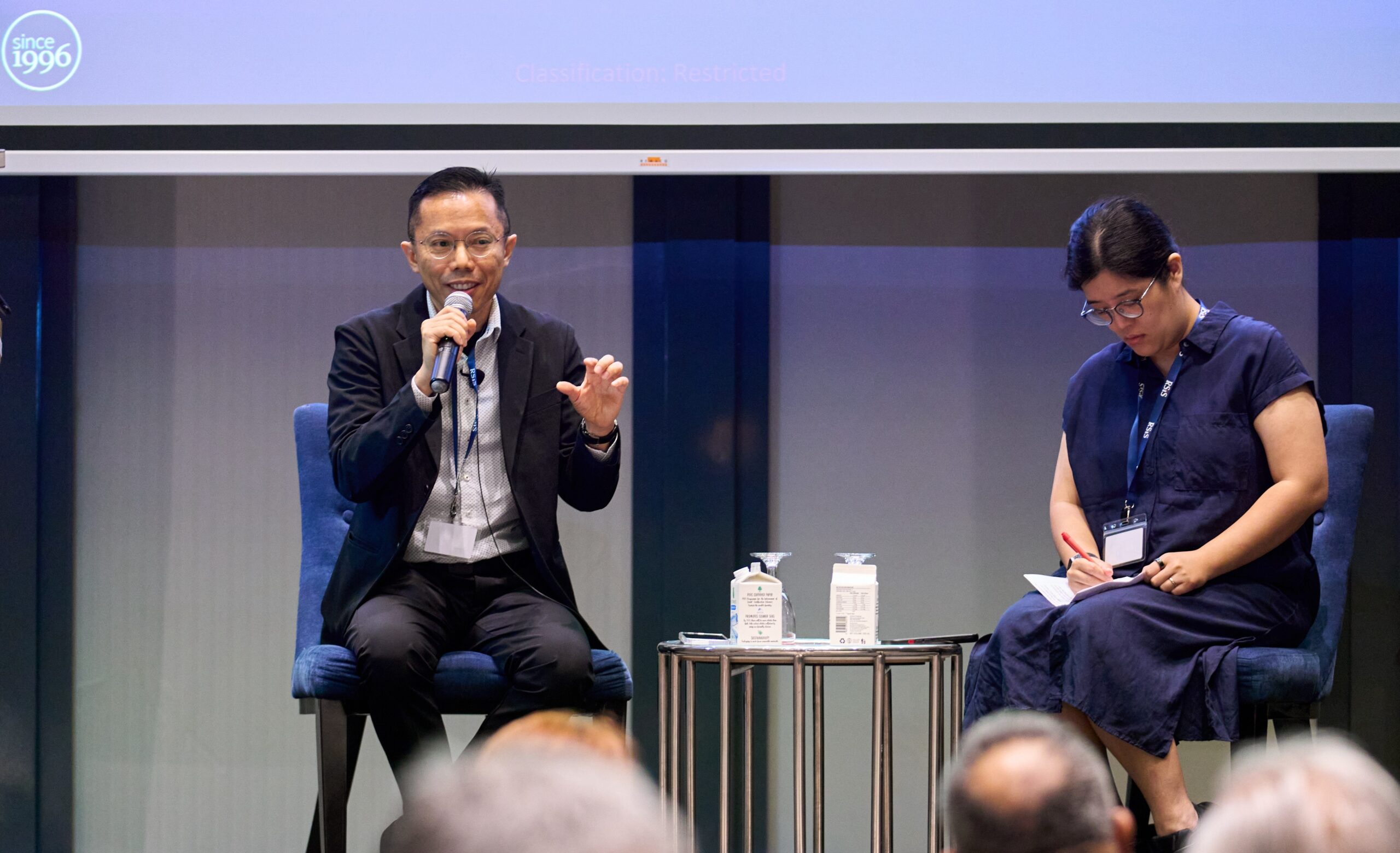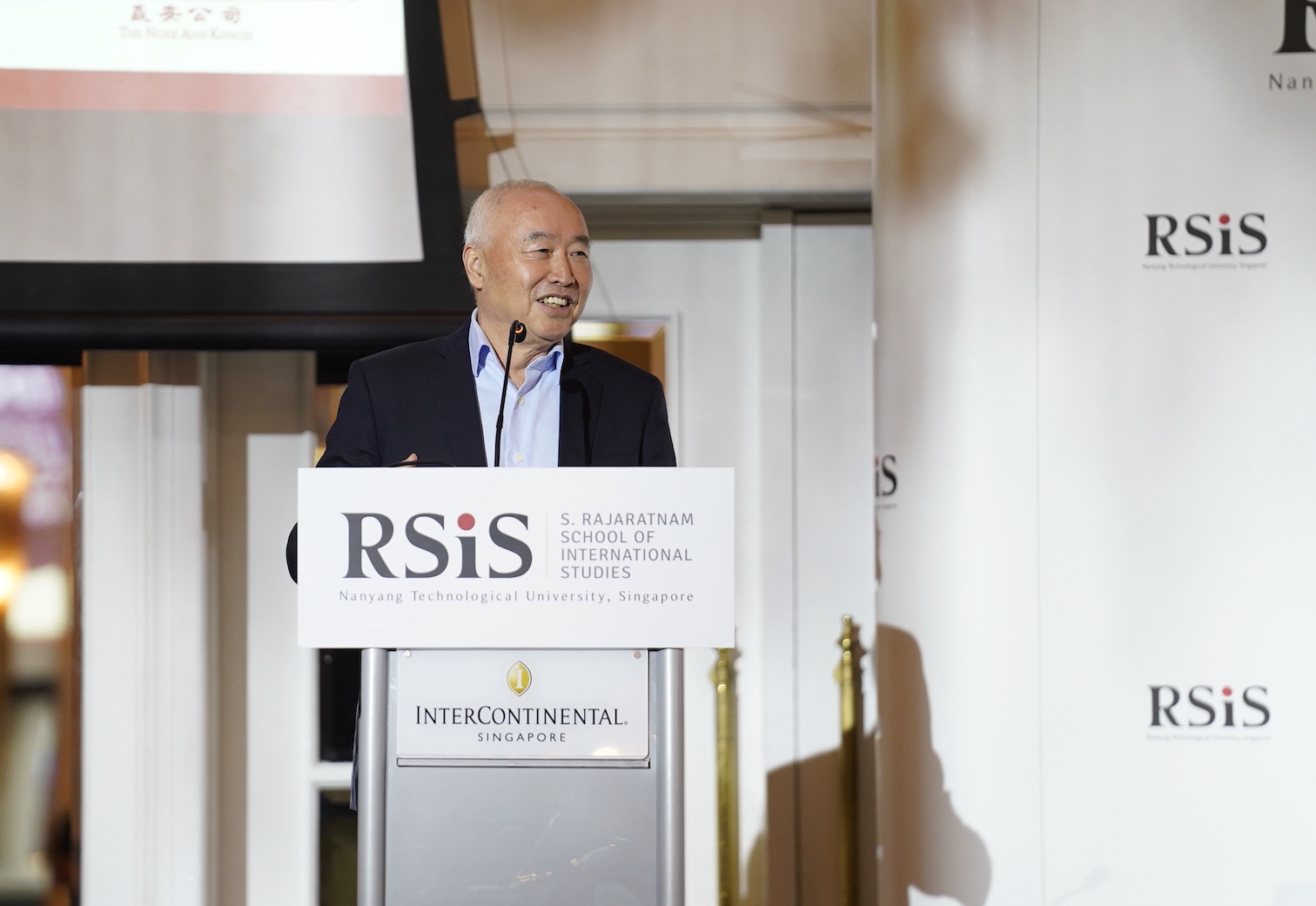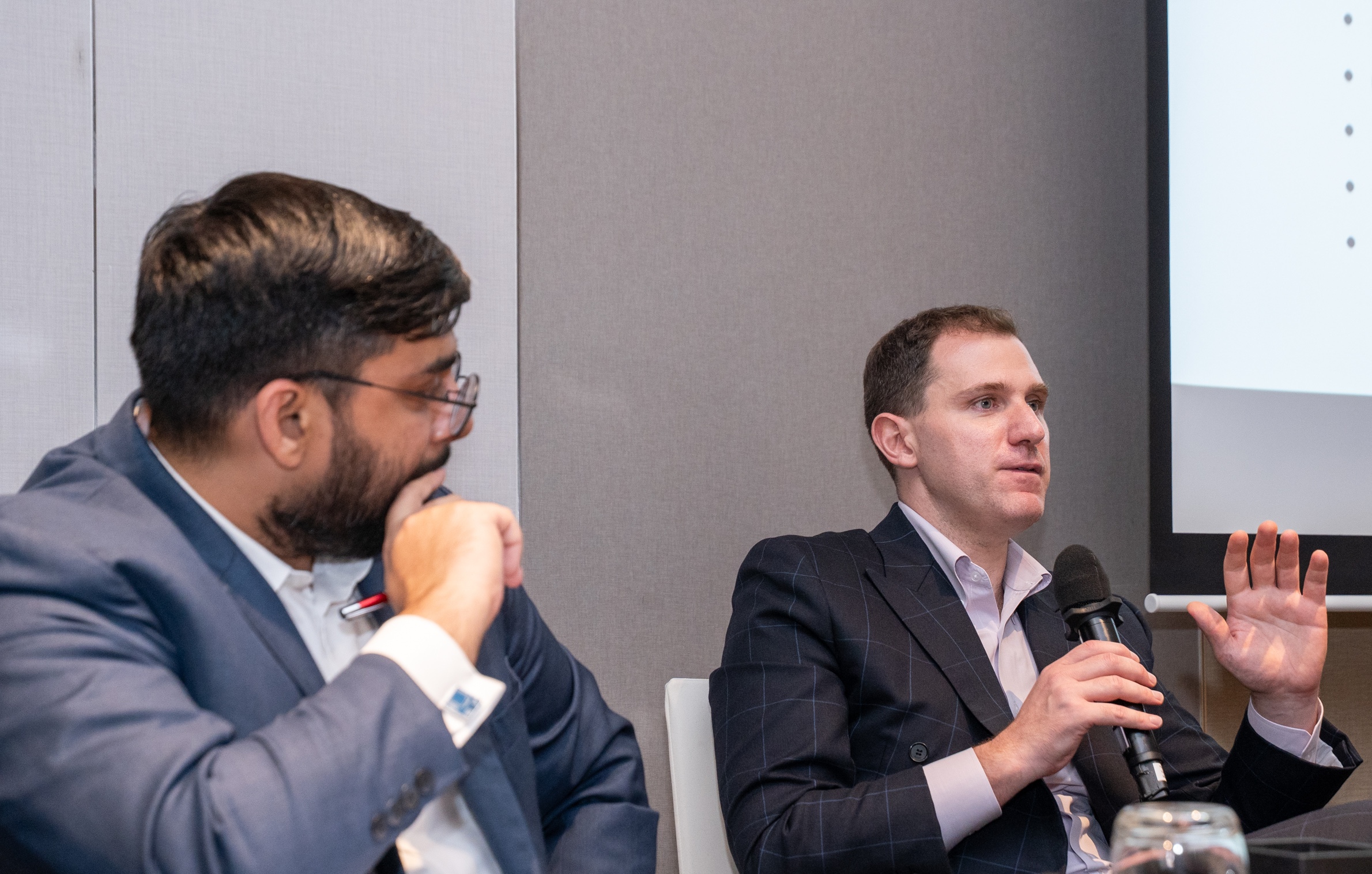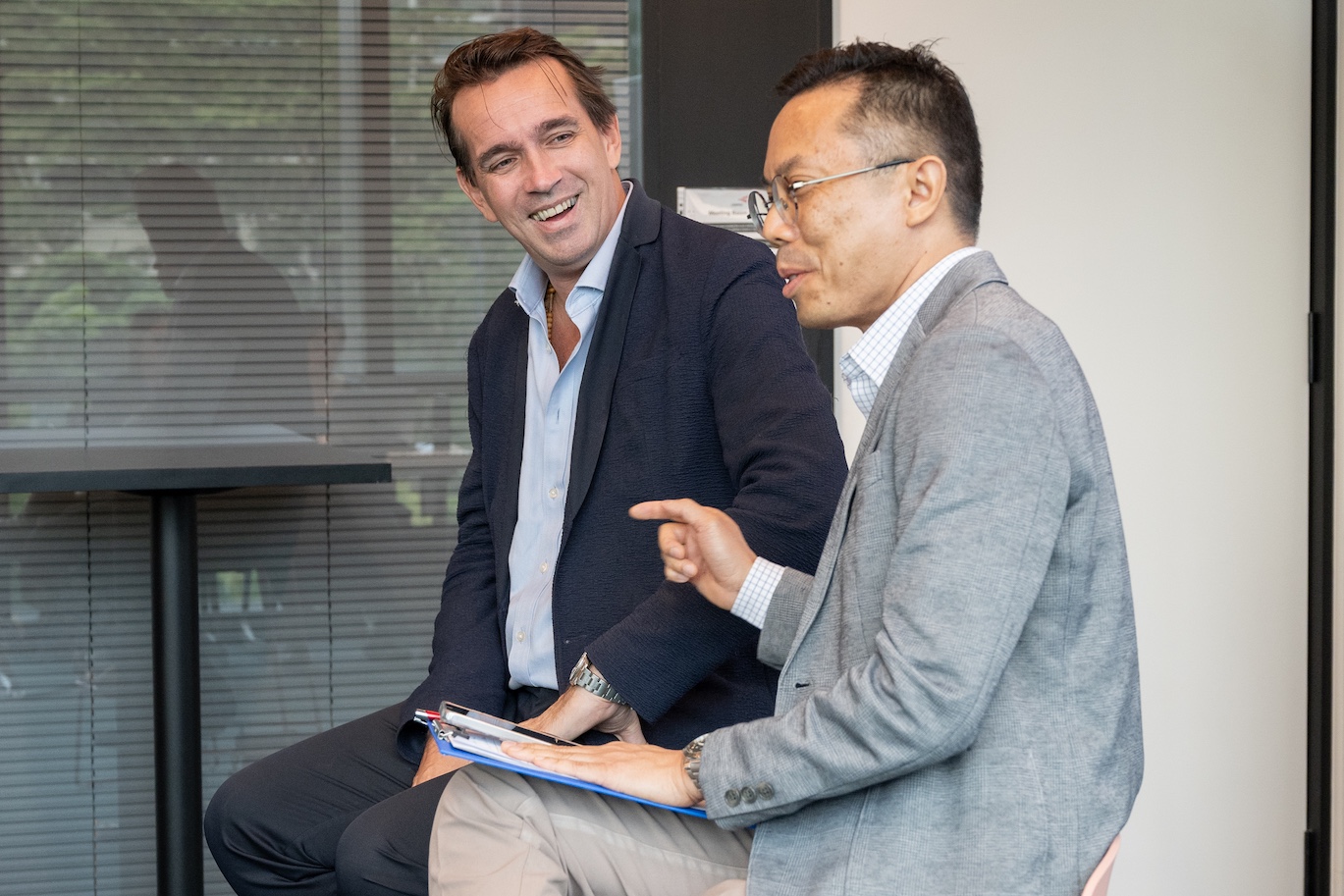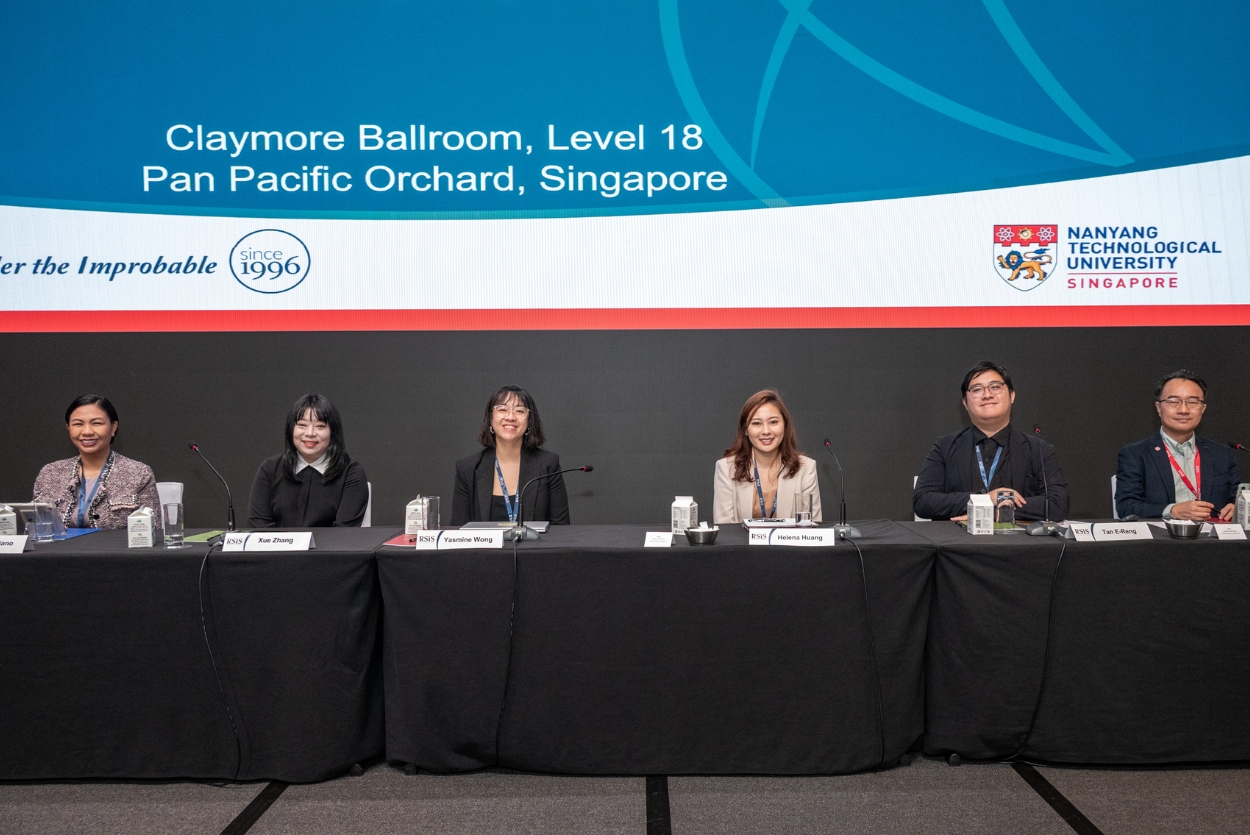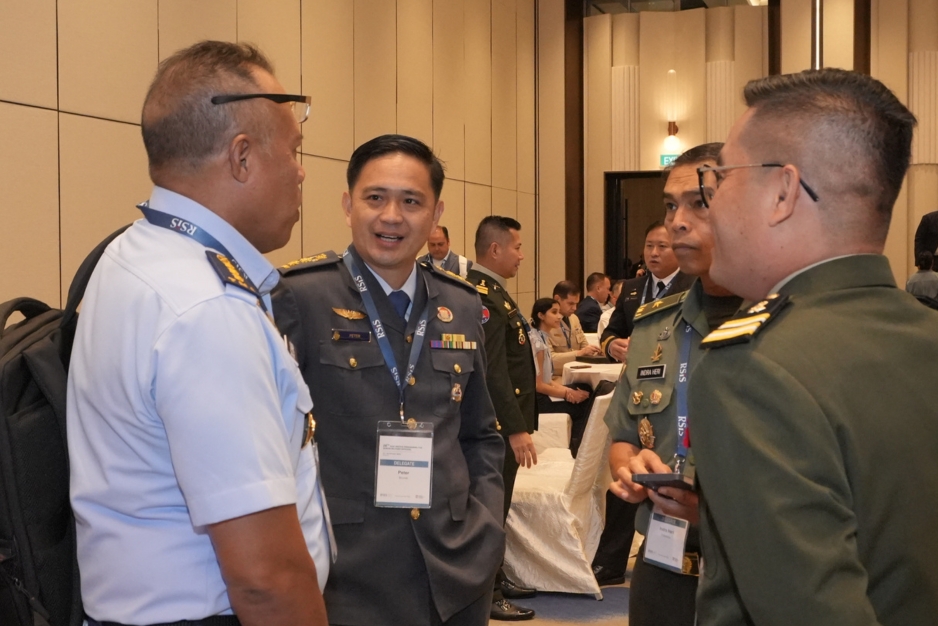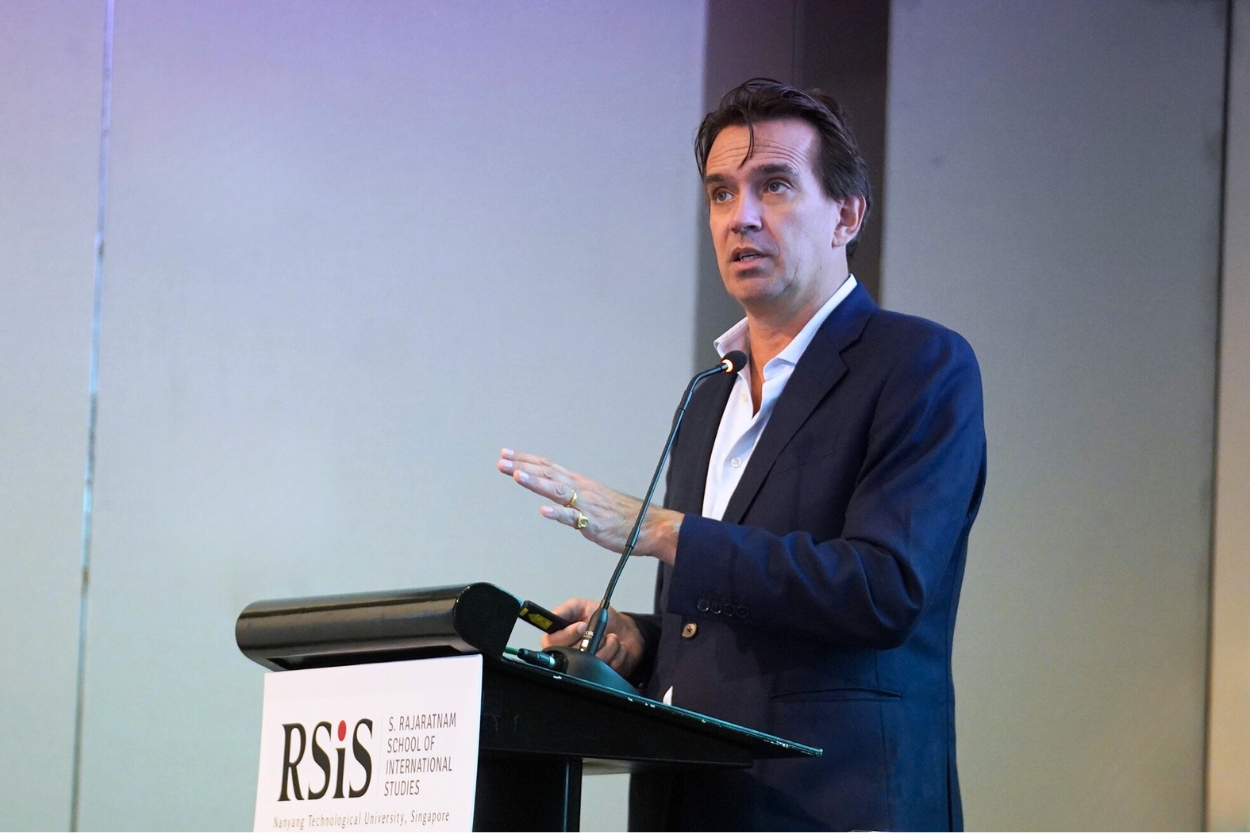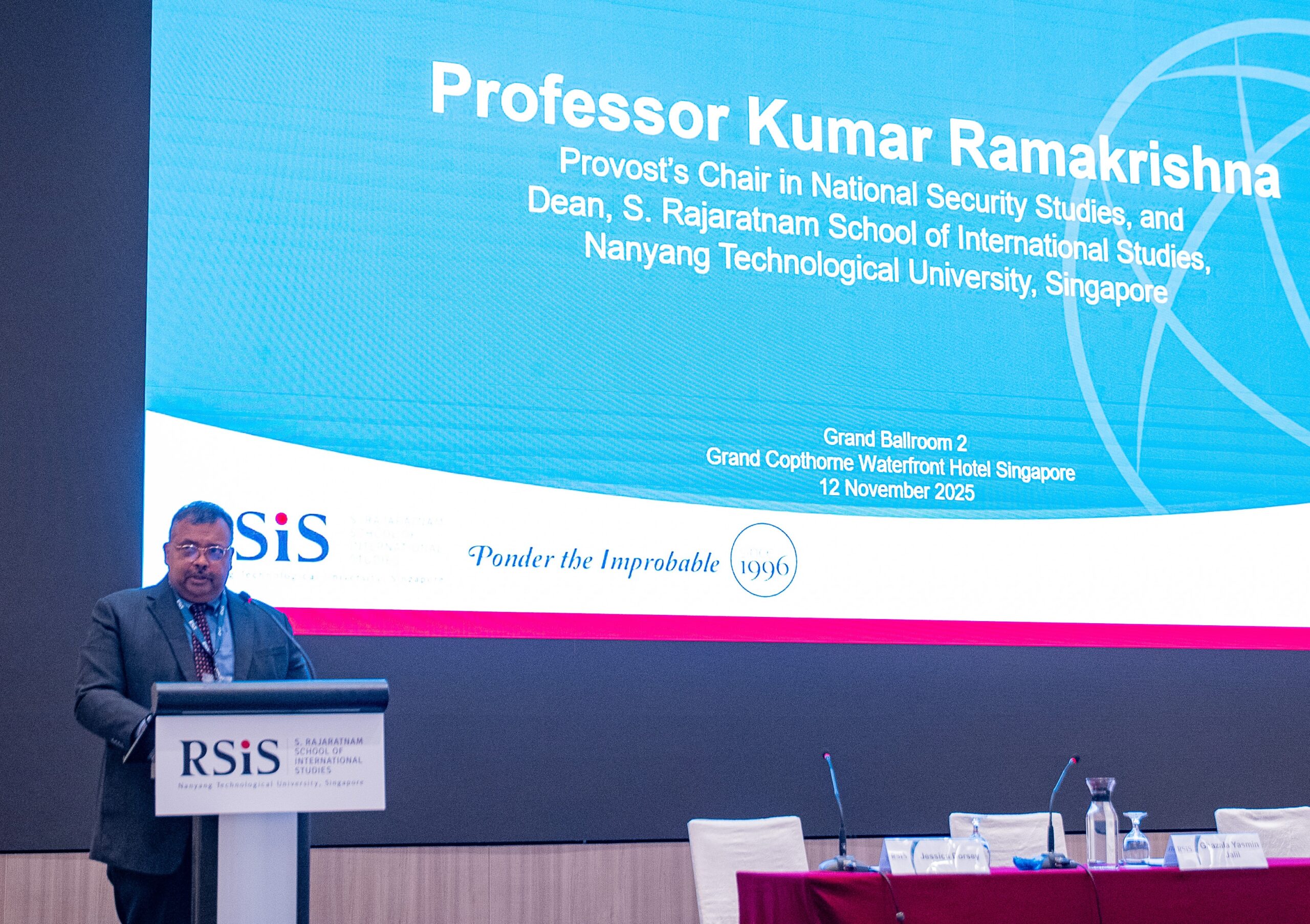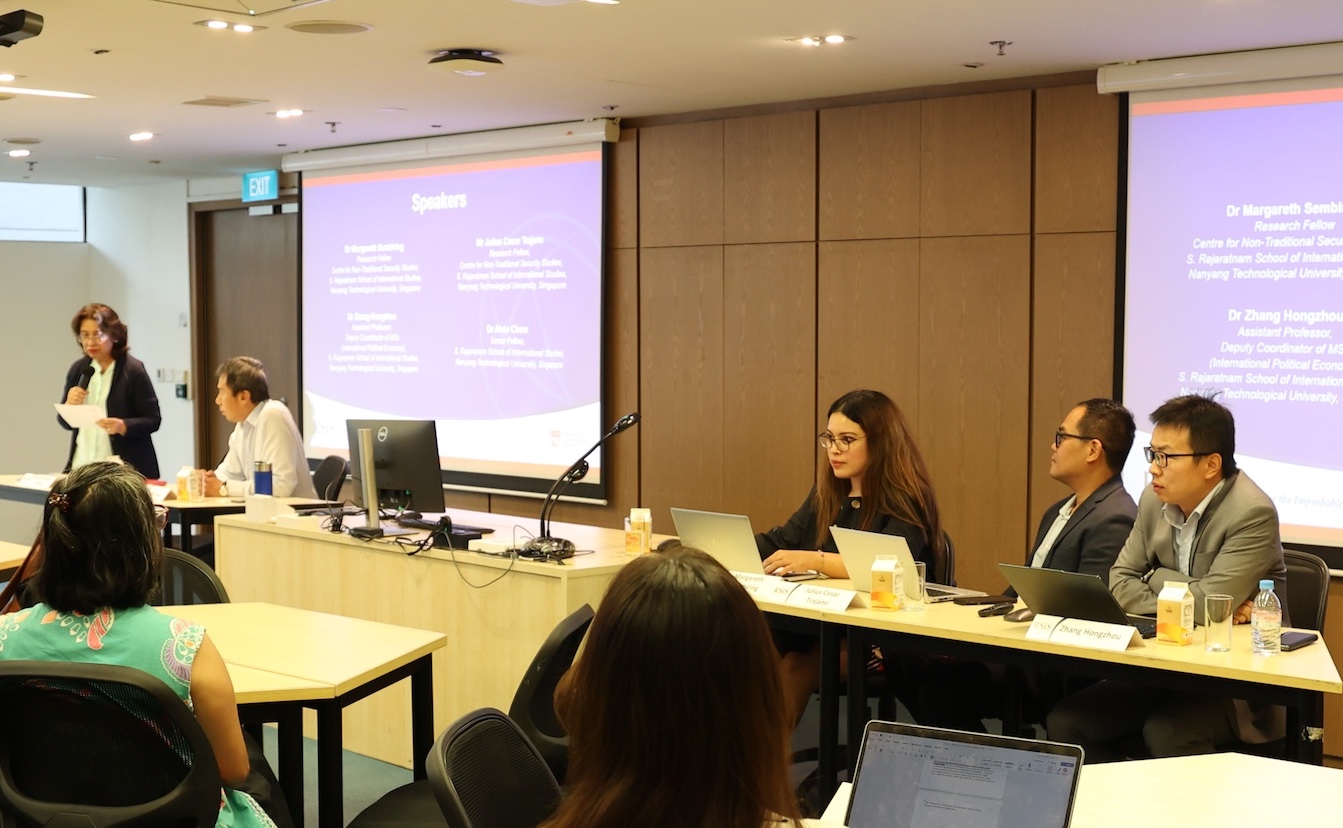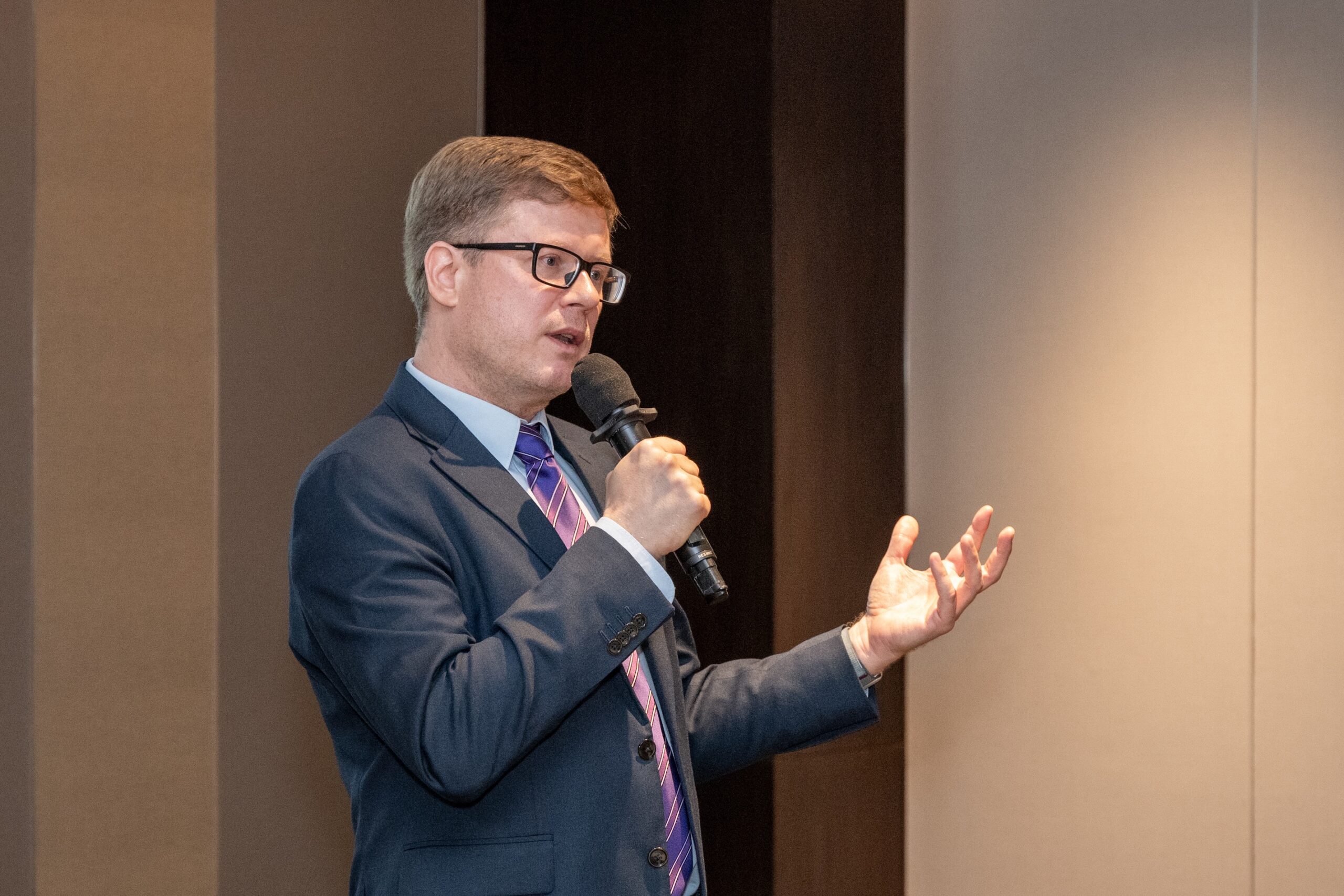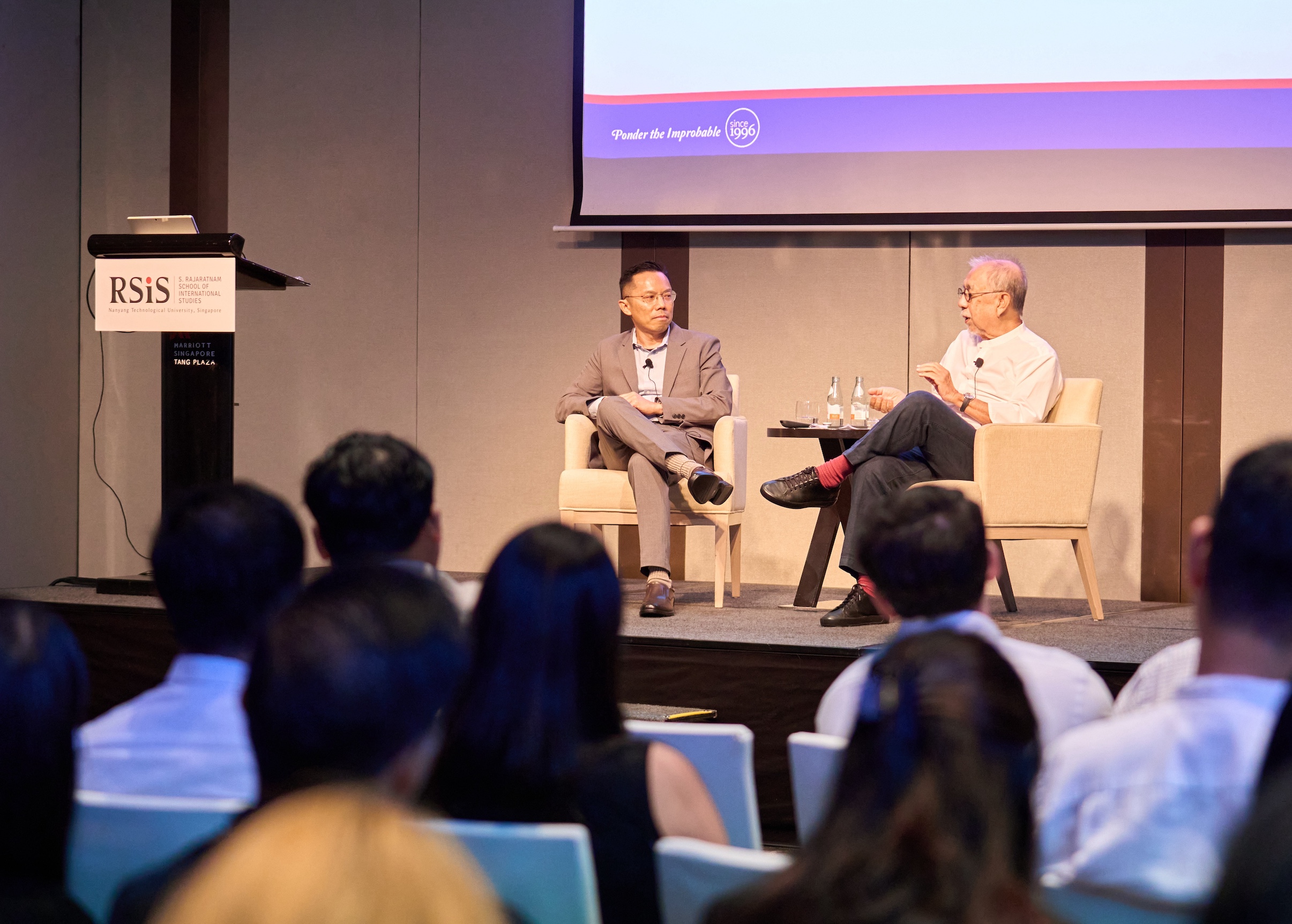



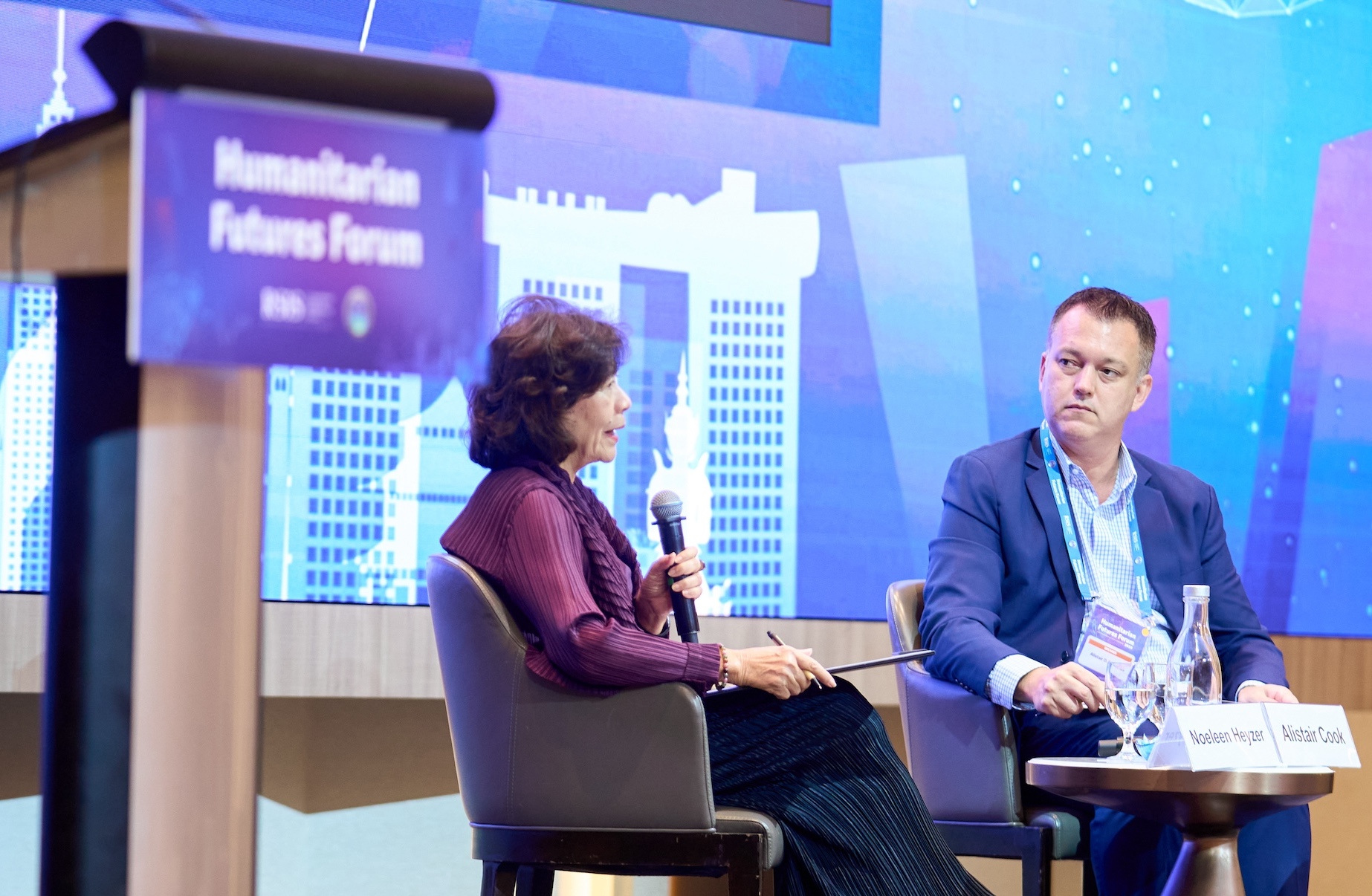
RSIS, together with the Centre Changi Regional HADR Coordination Centre (RHCC), co-organised the 4th Humanitarian Futures Forum, held on 27 October 2025. The successor to a series of events focused on humanitarian futures held during the COVID-19 pandemic, the forum brought local and overseas humanitarian actors together to review their experiences and interact with the wider humanitarian community.
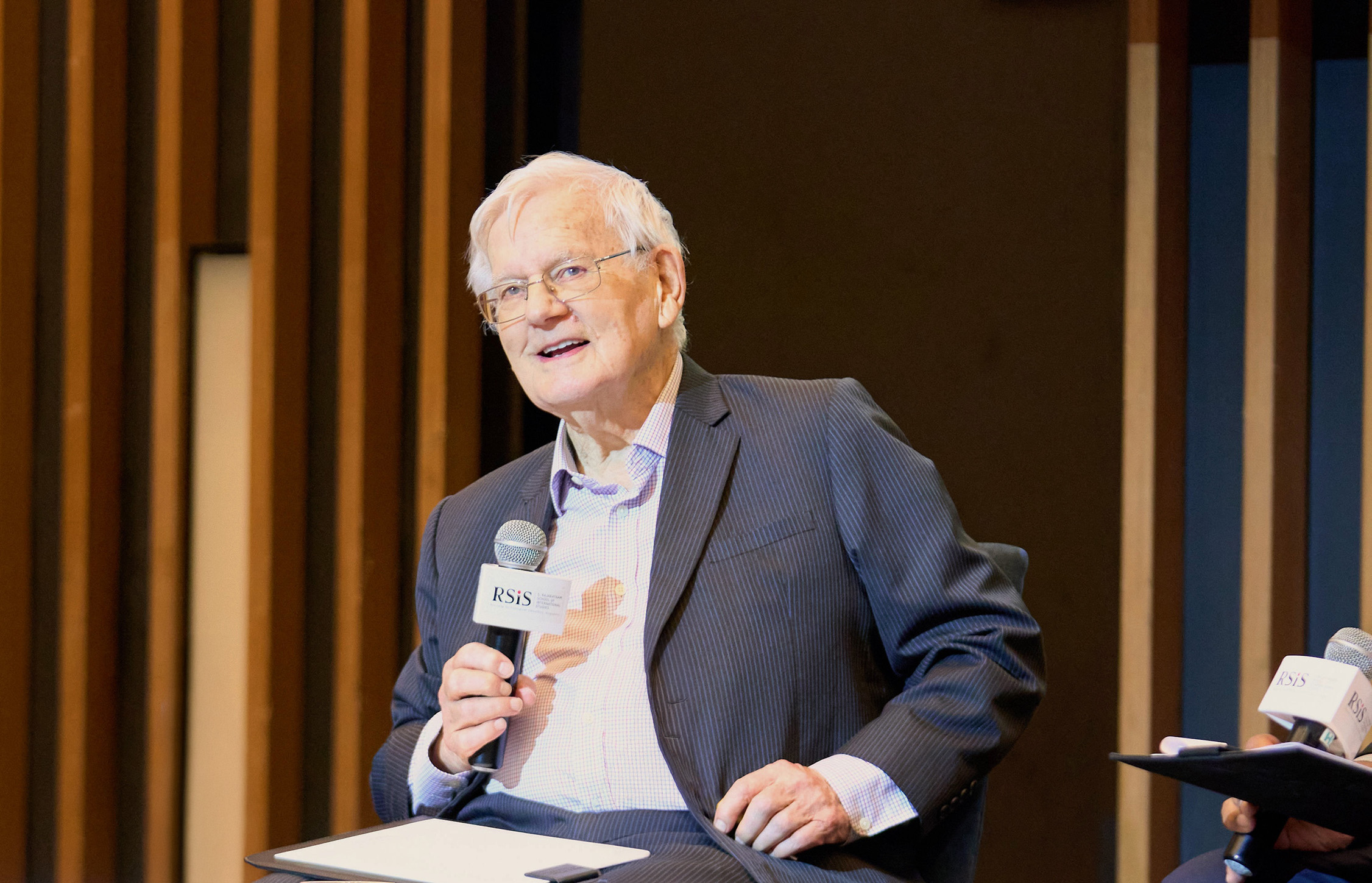
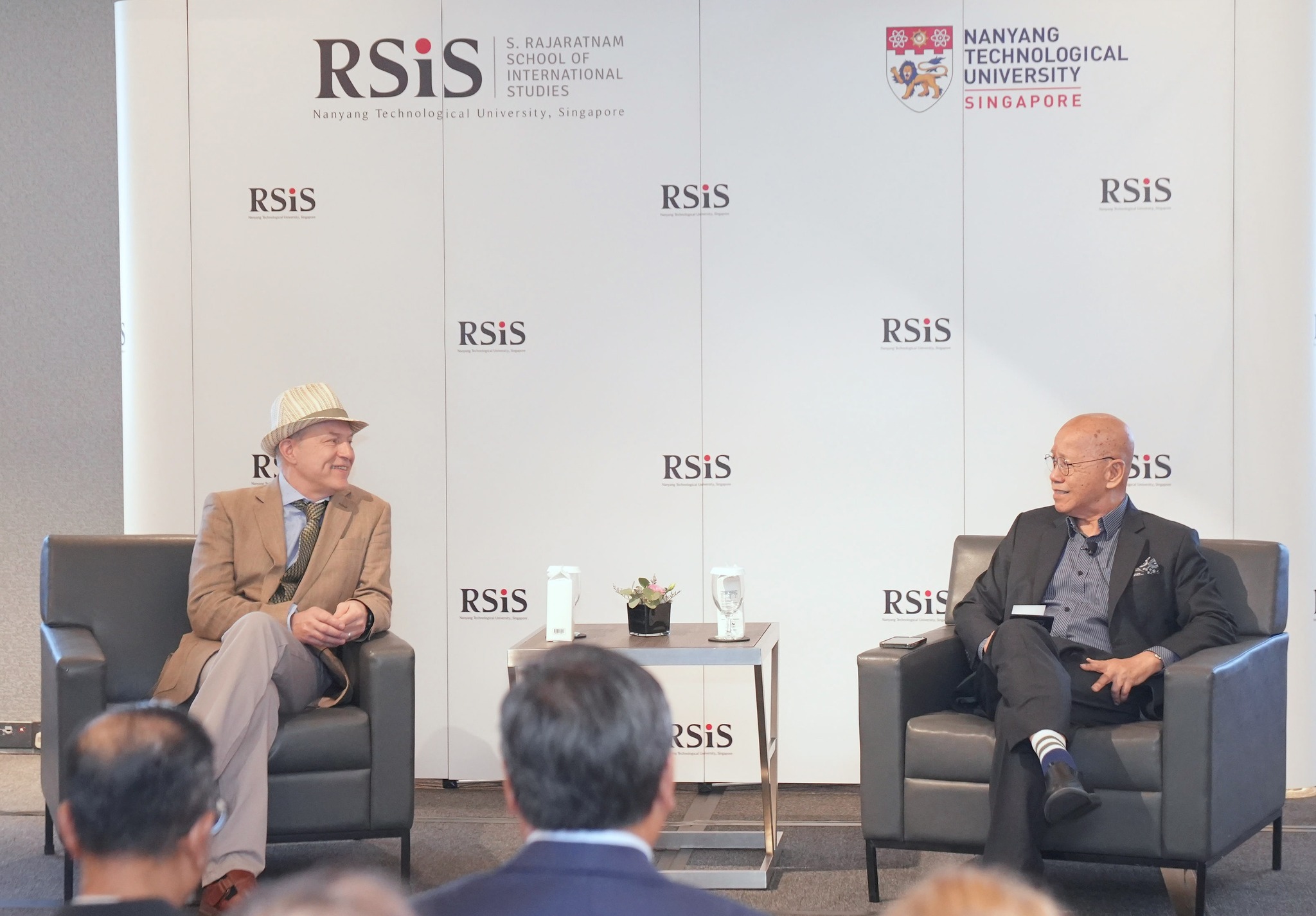
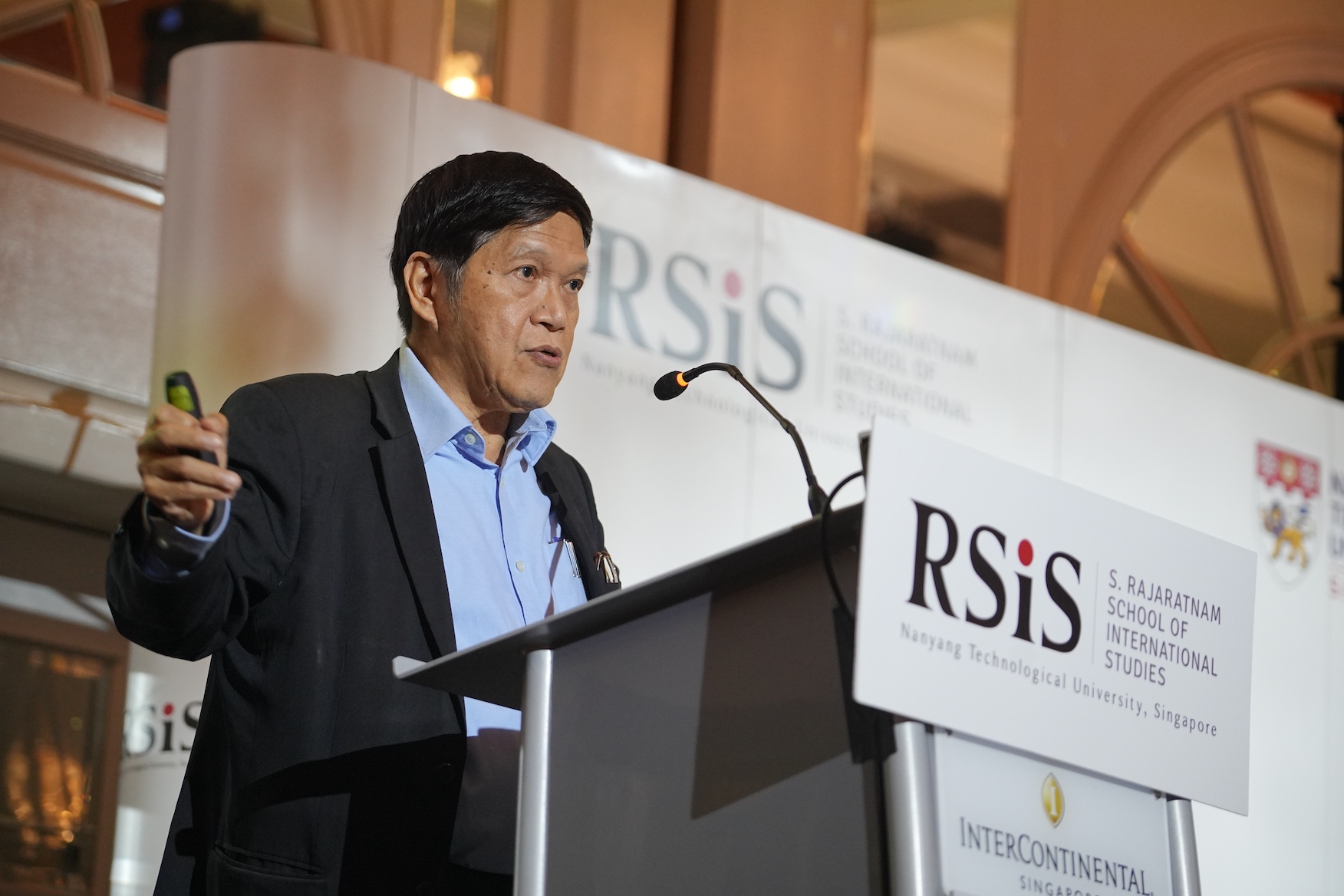
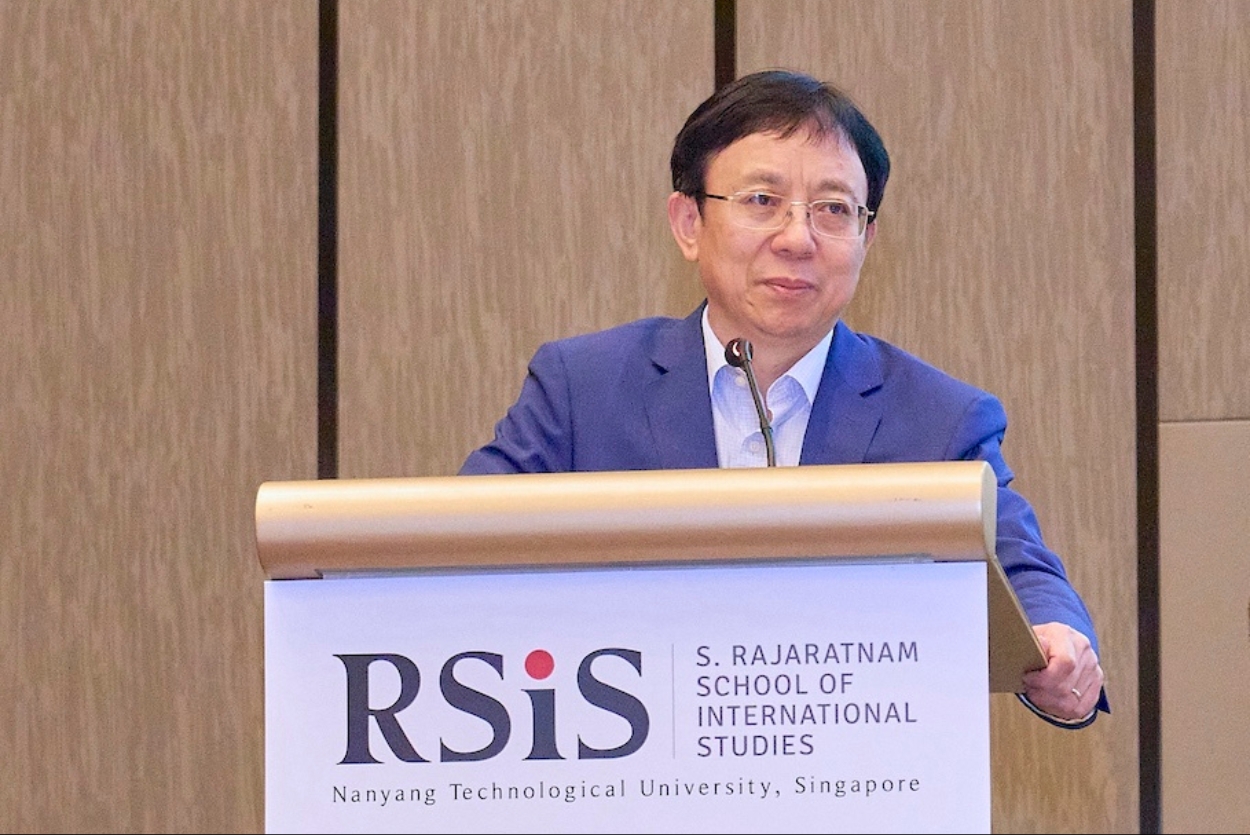
The forum kicked off with opening remarks delivered by Colonel Lew Tze Soon, Director of RHCC. This was followed by the keynote address, which was delivered by Dr Noeleen Heyzer, former United Nations Under-Secretary General, who highlighted core dilemmas in today’s humanitarian landscape including the need to balance principles with political realities.
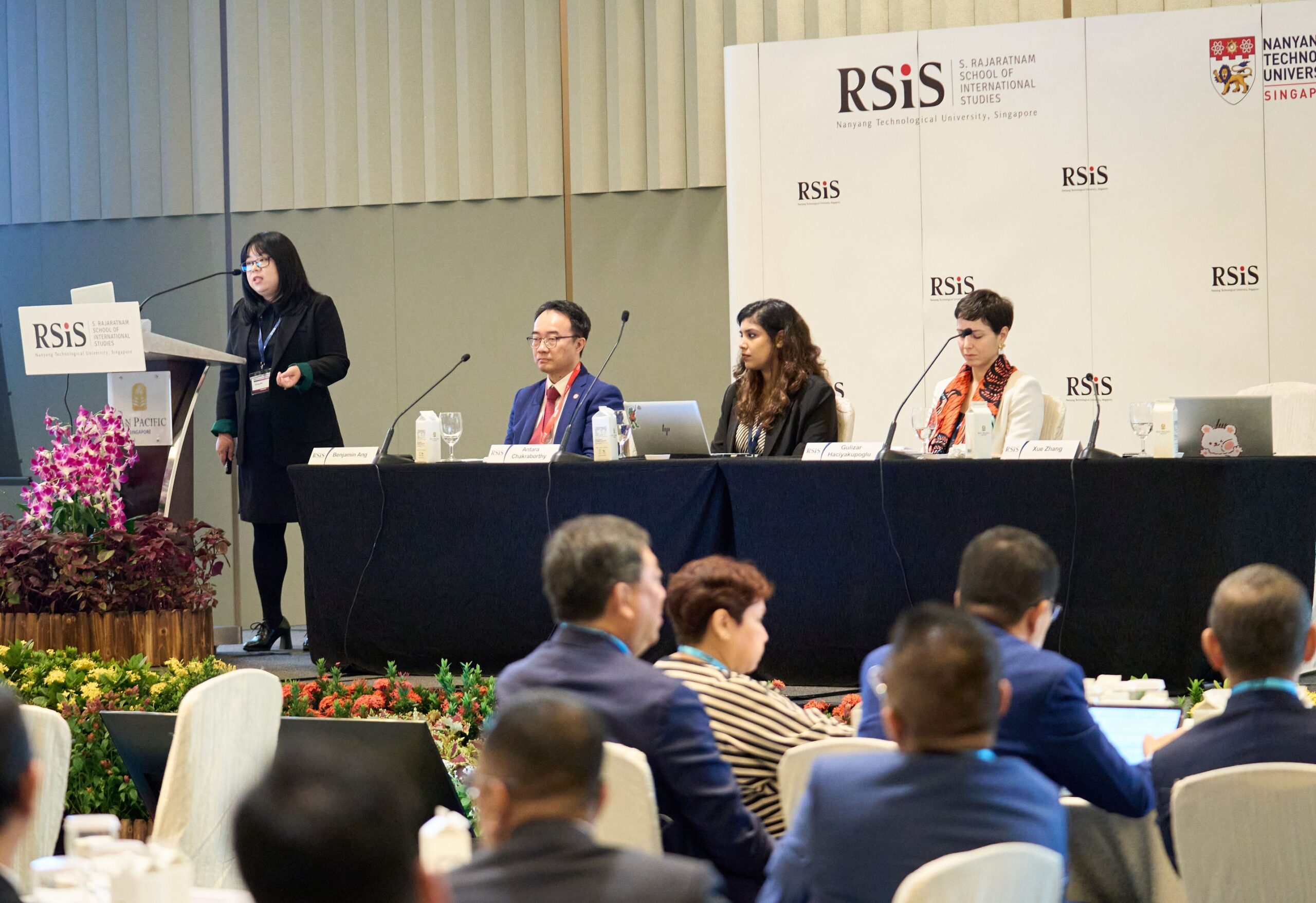
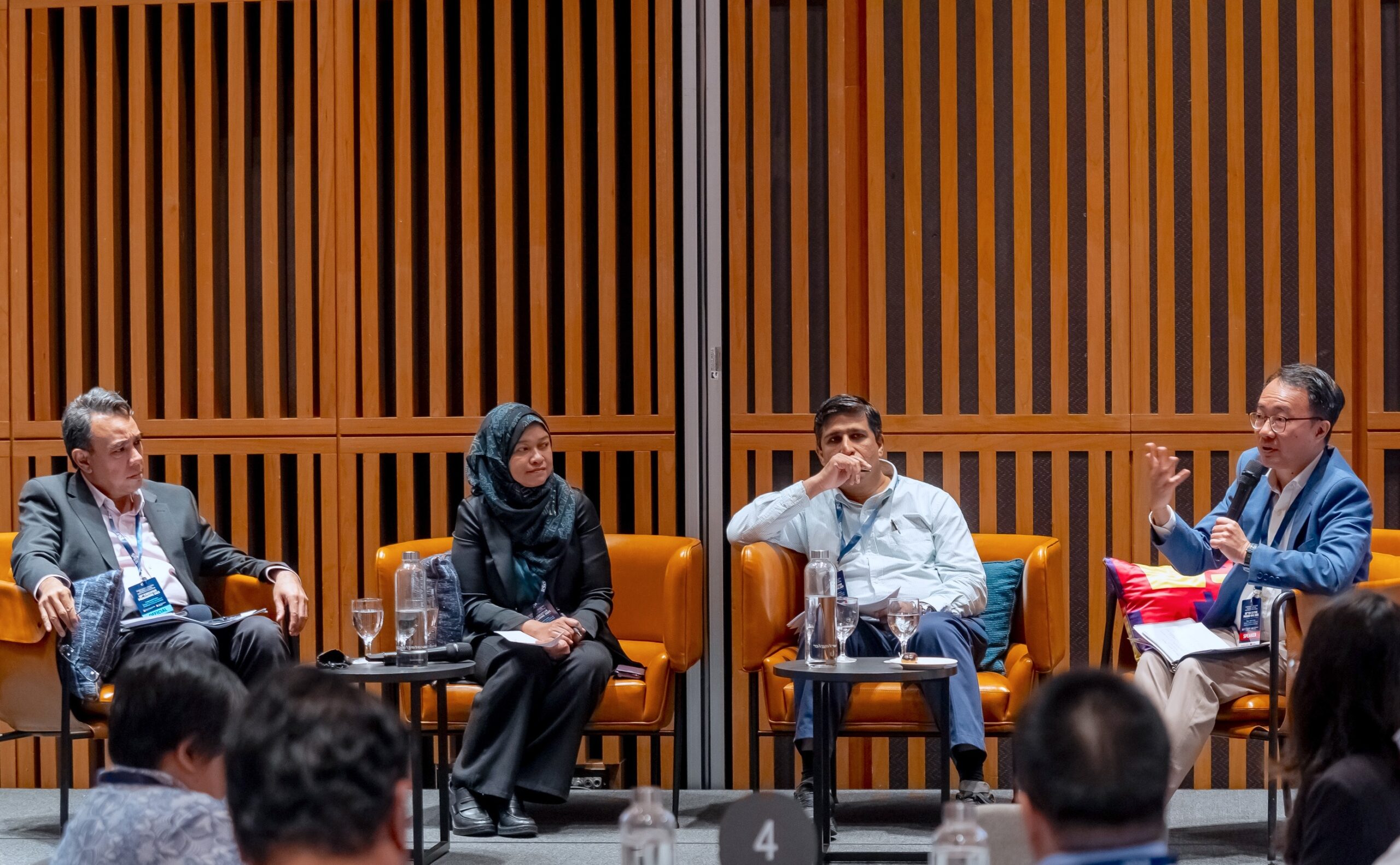
The first panel session discussed “The Future of Digital Humanitarianism: Balancing Impact, Sustainability, and Resilience”. Moderated by Ms Wu Ye-min, Regional Director (Asia-Pacific), Centre for Humanitarian Dialogue; this panel brought together four experts in the field: Mr Devanand Ramiah, Director of Crisis Readiness, Response and Recovery, UNDP; Ms Lynette Tan, CEO and Chairwoman, Space Faculty Private Limited; Mr Nama Raj Budhathoki, Regional Director, Open Mapping Hub – Asia-Pacific (AP Hub); and Ms Swathi T Nagesh, Global Security Lead – APAC, Uber.
Moderated by Ms Lim Junli, Research Fellow, RSIS; the second panel focused on “Dilemmas and Trends in the Emerging Humanitarian Landscape,” including topics such as the trust deficit in the humanitarian system and the need to move forward from its colonial structures. The panelists were Professor Dewi Fortuna Anwar, Research Professor, Research Center for Politics, National Research and Innovation Agency (BRIN), Indonesia; Dr Mukesh Kapila, Former Under Secretary General, IFRC; Colonel Arai Nobuhiro, Chief, Planning Sec., Defense Cooperation & Policy Center, Japan Self-Defence Force; and Mr Pierre Prakash, Program Director (Asia), International Crisis Group.
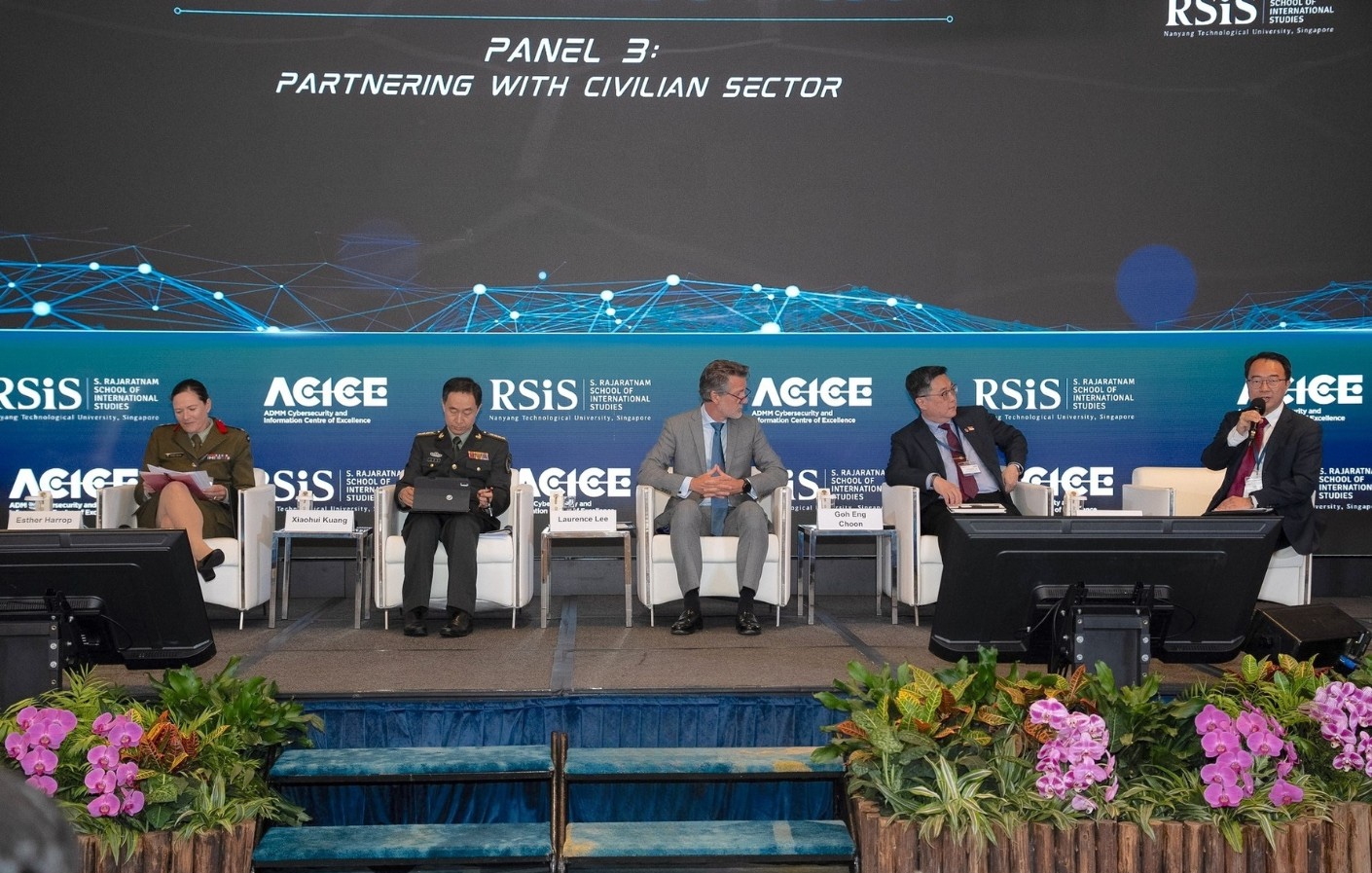
The third panel explored the “Frontiers in Civil-Military Partnerships in Disasters” and current civil-military issues including the tensions between civilian mandates and military necessities, and perceptions of military participation in humanitarian operations. Moderated by Dr Catherine Bragg, Senior Fellow, University of Toronto; the panel featured Professor Adam C. Levine, Associate Dean of Global Health Equity, Brown University; Mr Dave Smith, CEO, Disaster Relief Australia; Dr Lalita H. Hanwong, Lecturer, Kasetsart University; Colonel Piero Furlan, Commander, Multinational CIMIC Group, NATO; and Colonel Eddie Maskell-Pedersen, Head, British Defence Staff (Southeast Asia), British High Commission, Singapore.
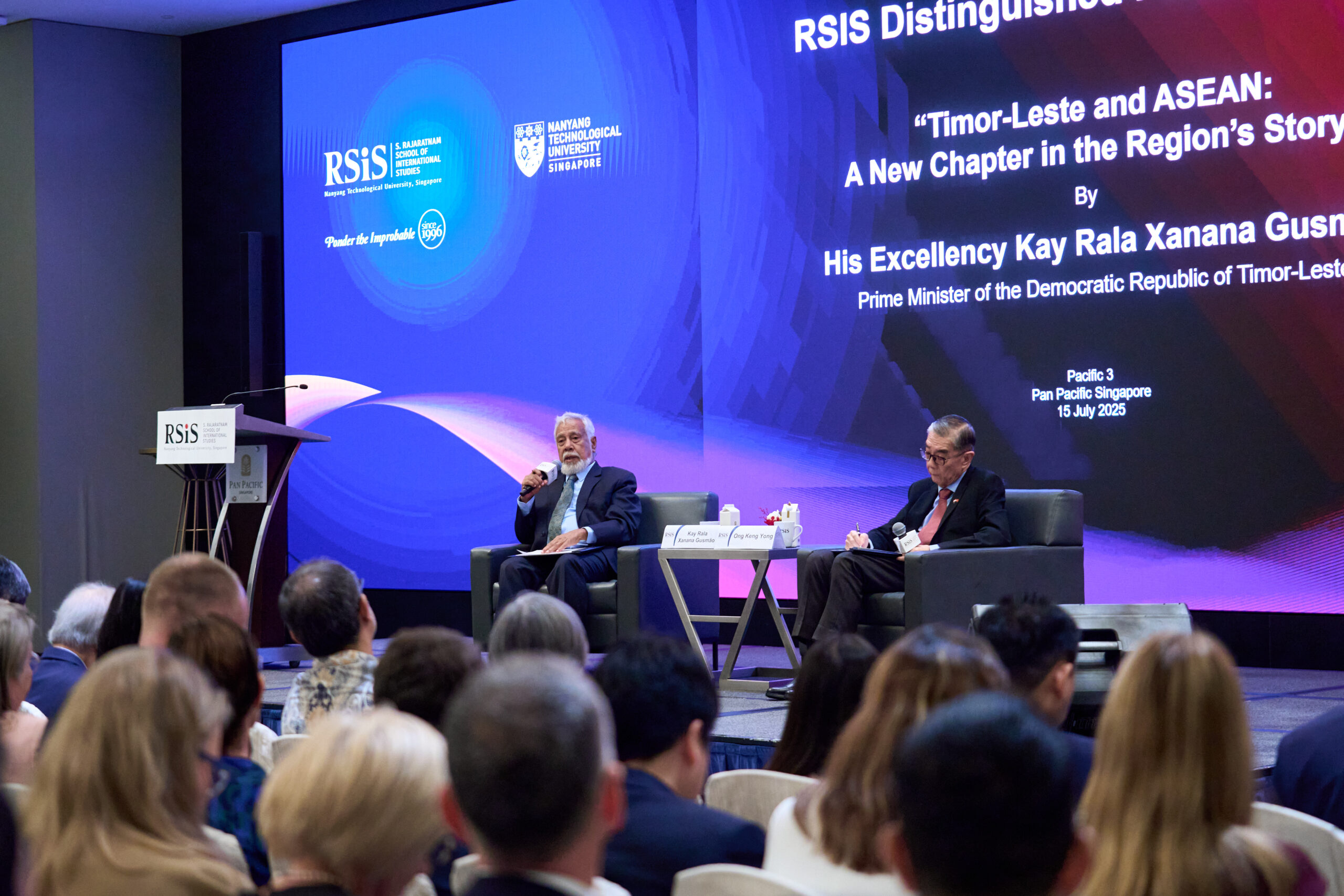
The Closing Remarks were delivered by Ambassador Ong Keng Yong, Executive Deputy Chairman of RSIS. He reflected on the importance of the HFF to convene humanitarian actors from the military, government agencies, think tanks and academia, private sector, philanthropy, local civil society, regional organisations as well as international NGOs to discuss the issues of the day. He concluded his remarks by highlighting the need for the humanitarian sector to evolve and undergo its own “Revolution” to keep pace with current geopolitical realities and landscapes.