



How should states react when scientific breakthroughs, from the discovery of extraterrestrial microbial life to advances in AI and biotechnology, outpace existing governance frameworks, reshape strategic competition, and generate new uncertainties for international security and cooperation?
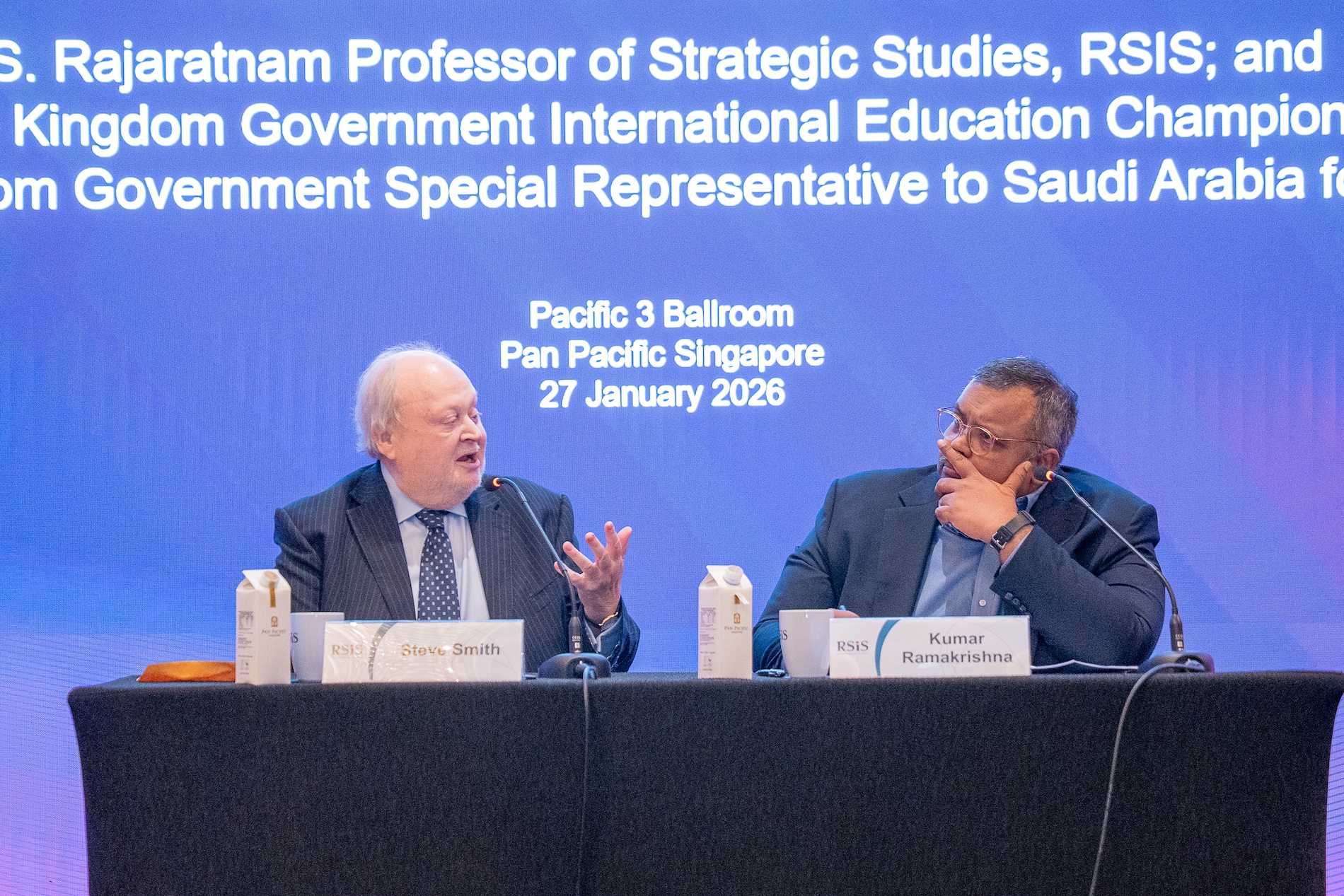
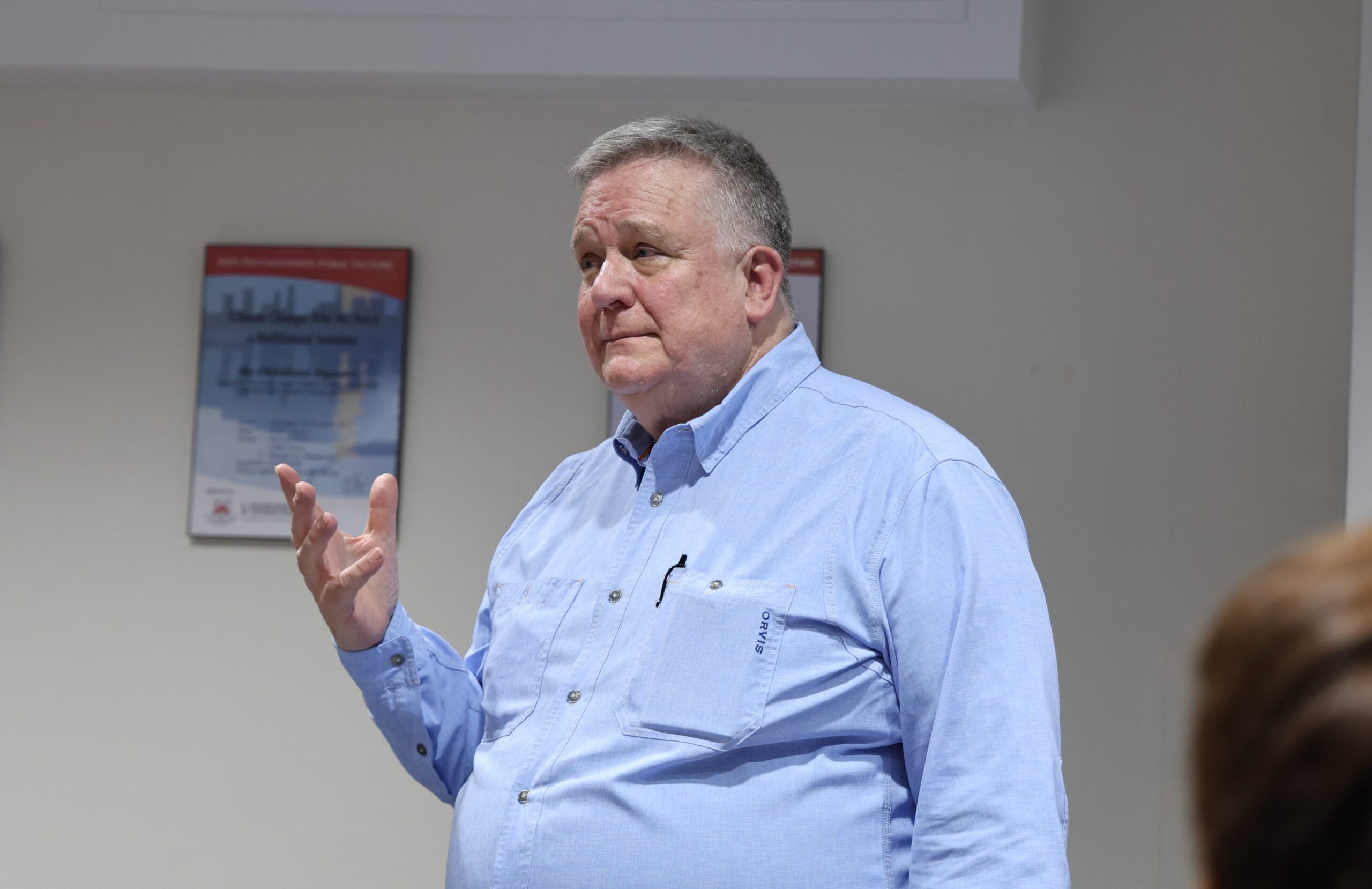
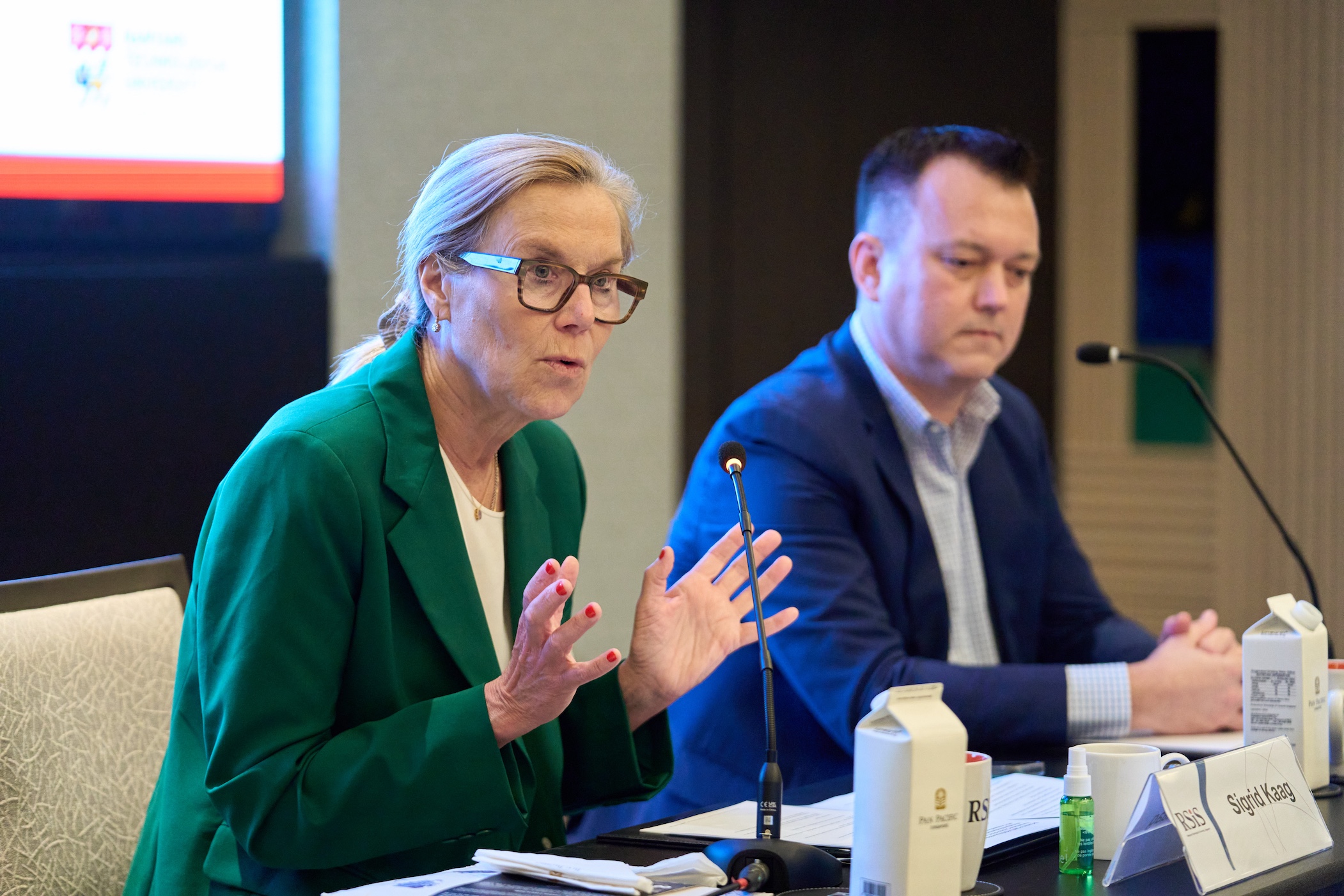
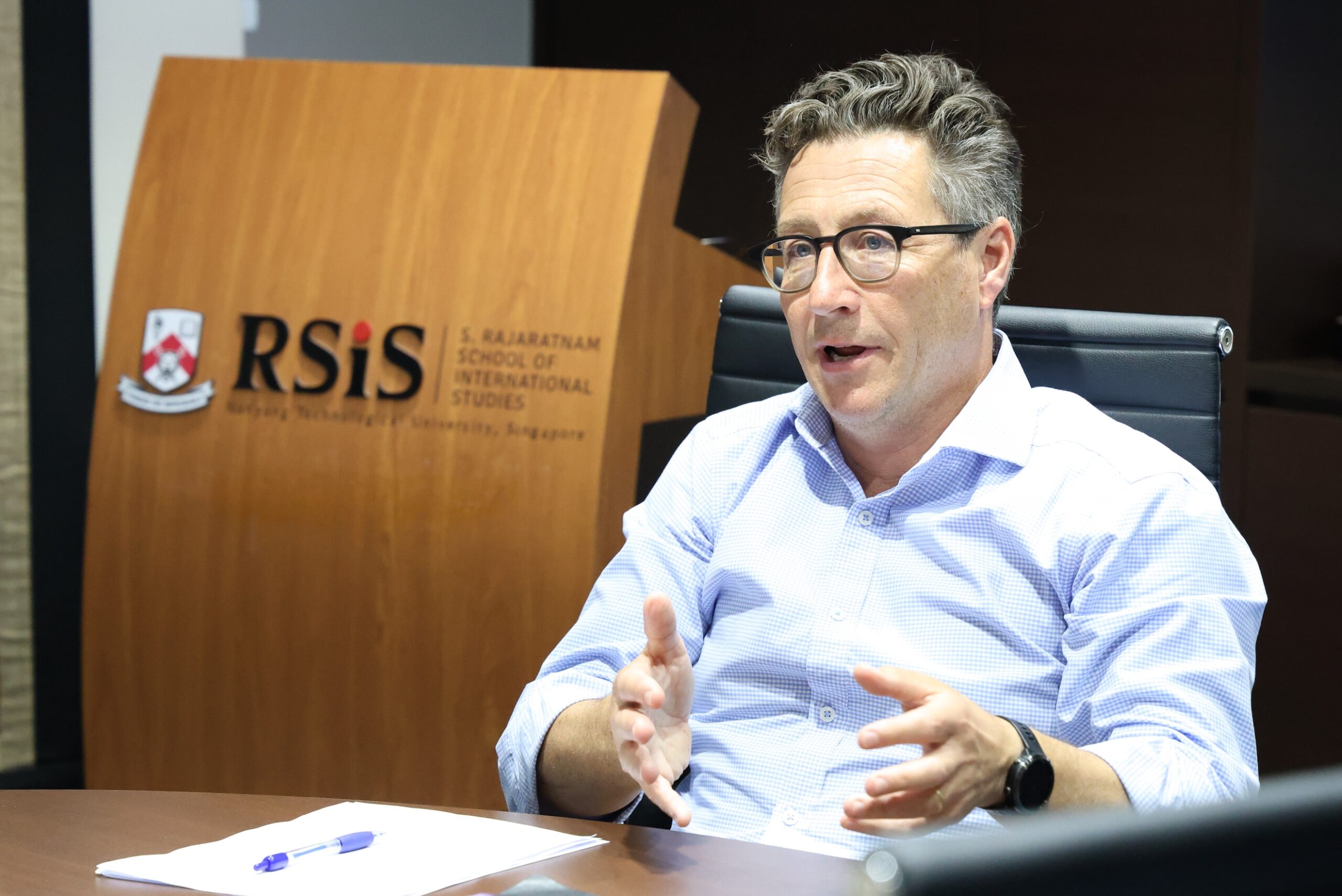
Professor Margaret E. Kosal, Professor at the Sam Nunn School of International Affairs at the Georgia Institute of Technology, explored this question during her visit to Singapore as a Visiting Senior Fellow at RSIS from 2 to 6 March 2026. Hosted by the Future Issues and Technology (FIT) cluster, her engagements, including two seminars and a roundtable, brought together policymakers, academics, and practitioners. The seminars were moderated by Research Fellow Karryl Kim Sagun Trajano, while the roundtable was chaired by Senior Fellow and Head of FIT, Benjamin Ang.
Across her talks, Professor Kosal emphasised that emerging technologies generate security risks not simply because of their capabilities, but because of how they are governed. Institutions, political choices, and regulatory systems ultimately determine whether such technologies stabilise or destabilise. For states, the key challenge is not prediction, but preparedness — particularly in shaping governance frameworks and mitigating downstream risks.
A key topic of discussion was the governance challenge posed by the potential discovery of extraterrestrial microbial life. Professor Kosal argued that this would not primarily be a scientific issue, but a political one. Scientific detection and political “discovery” are likely to be separated by a 12 to 24 month window, during which states may engage in diplomatic positioning, competition, and disinformation. Existing space governance mechanisms remain weak: while the Outer Space Treaty establishes norms, it lacks enforcement and is increasingly strained by dual-use technologies. This suggests focusing on rules setting, coordination, and information integrity during this critical phase.
More broadly, global responses to technological breakthroughs are unlikely to follow a single trajectory, and instead oscillate between cooperation, competition, and isolation. While collaboration may persist, it will likely coexist with techno-nationalist competition and arms race dynamics. Furthermore, the growing role of the private sector further complicates governance. In both space and biotechnology, private firms are increasingly central yet remain subject to geopolitical pressures and national security controls. Private-led innovation does not reduce competition; it may instead intensify it. In this context, Singapore’s regulatory credibility and legal predictability emerge as strategic assets, even as they may invite external pressure.
Professor Kosal also highlighted biotechnology and the bioeconomy as strategic sectors. The United States and China approach governance differently, but both recognise their importance. Risks stem less from non-state actors and more from strategic leverage, supply chains, and public trust. Robust domestic regulation and implementation are therefore more critical than international agreements alone.
On AI, she cautioned against overstating its ability to remove technical barriers. While tacit knowledge remains essential, AI compresses timelines, enhances modelling, and heightens perceptions of vulnerability — factors that can destabilise strategic relationships.
As technological frontiers continue to expand, the decisive challenge for states will not be anticipating every breakthrough, but building the governance, resilience, and strategic agility to respond when the improbable becomes reality.