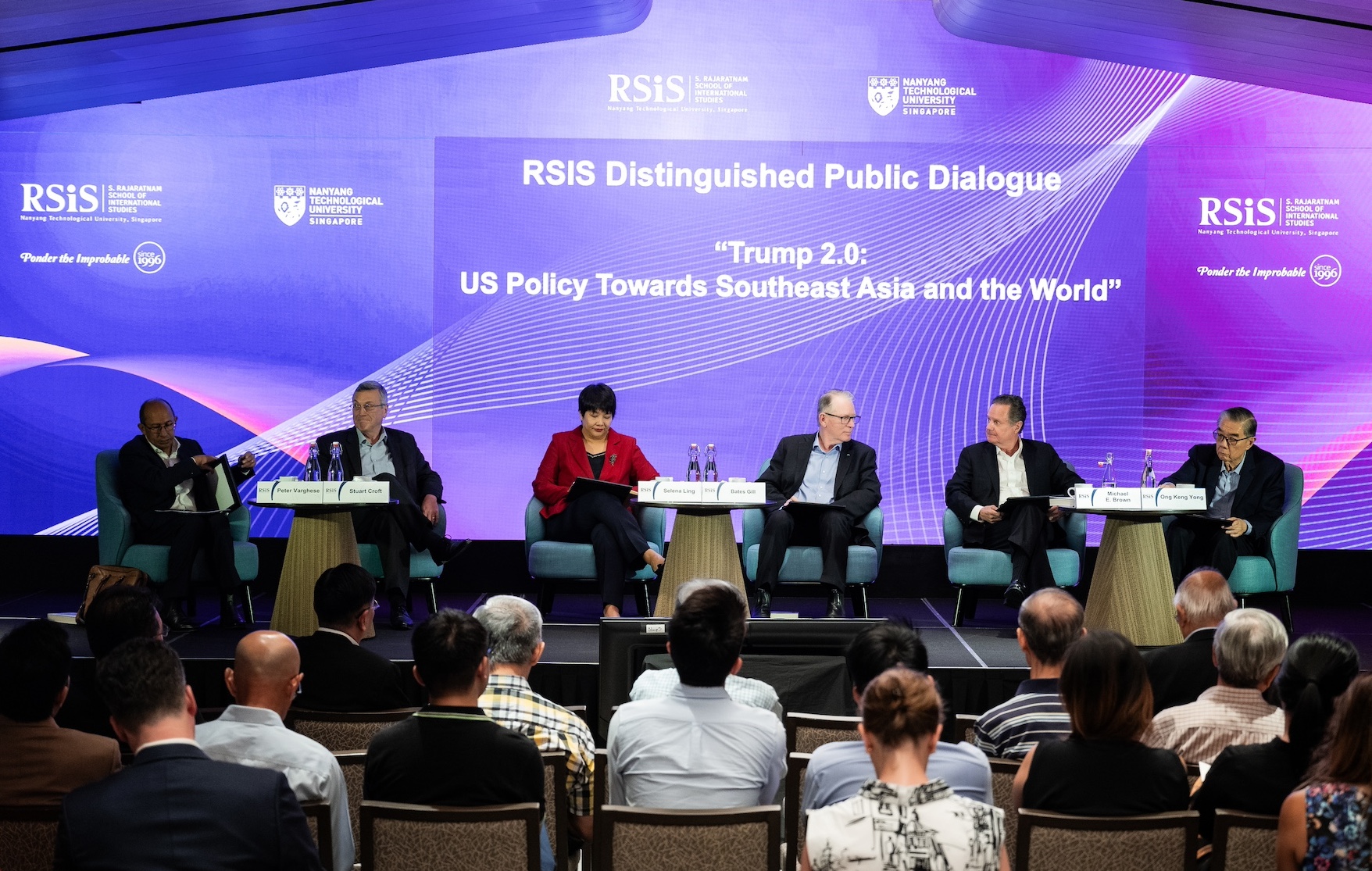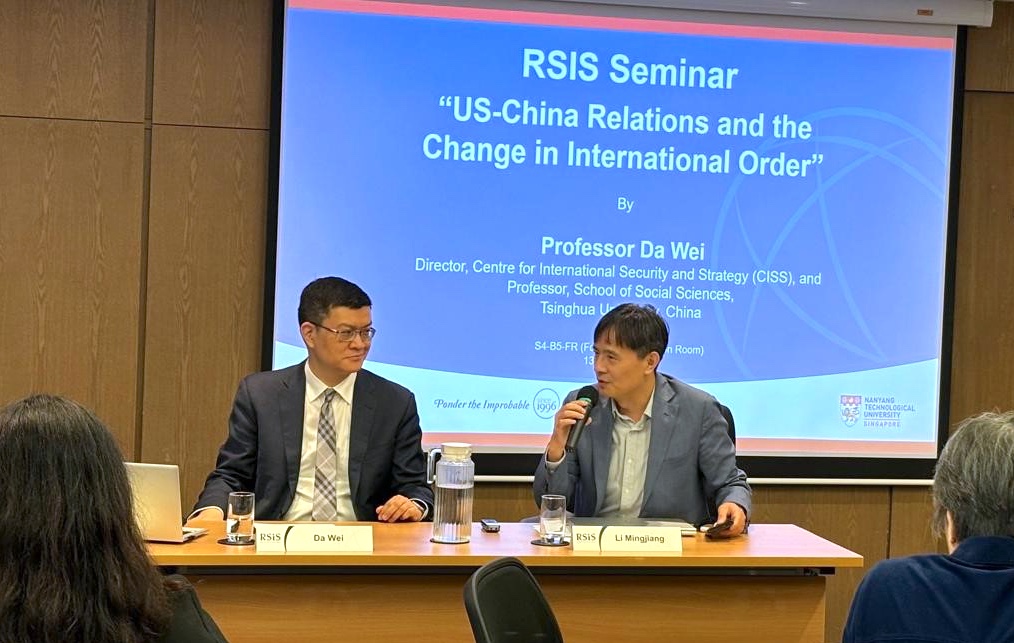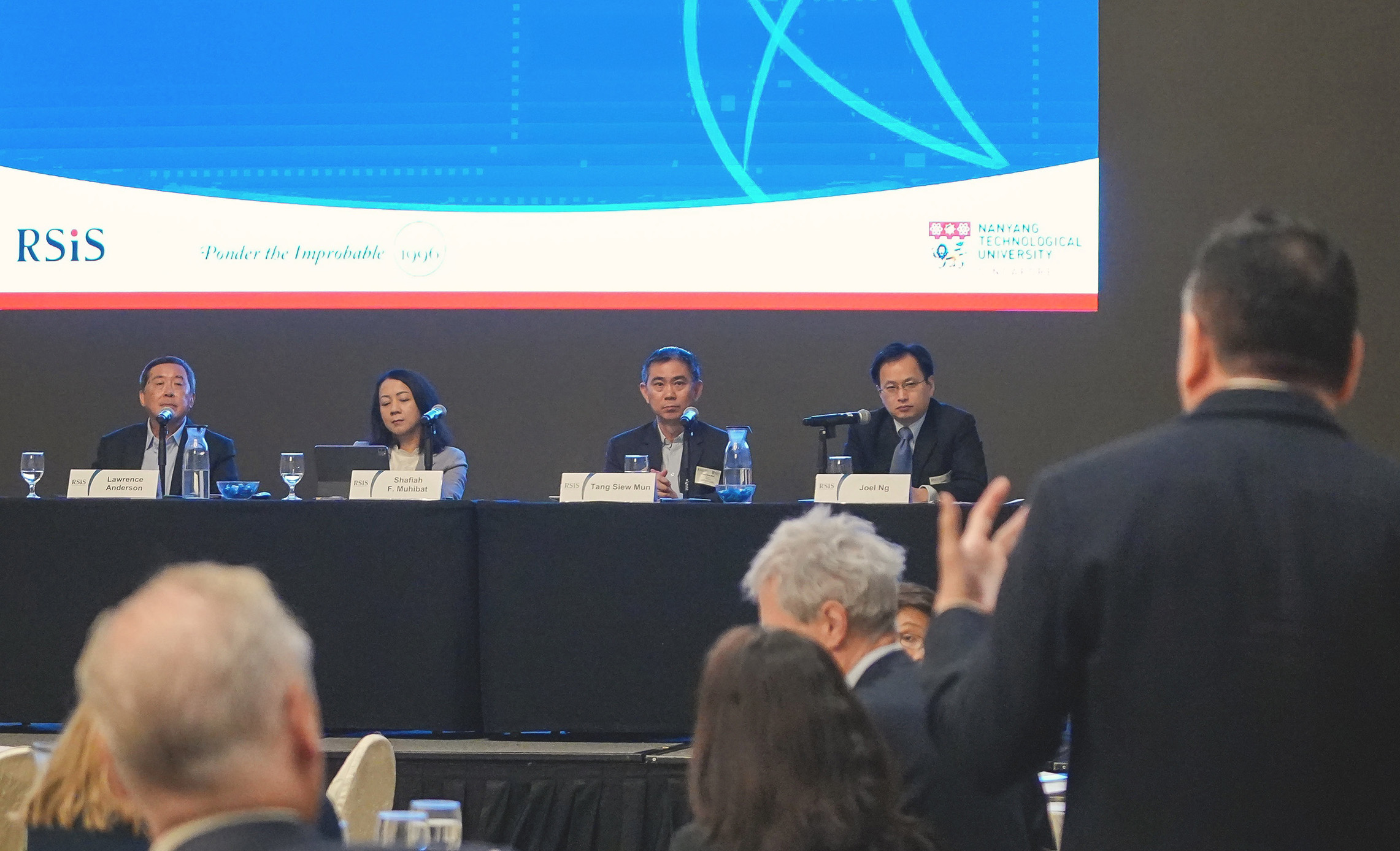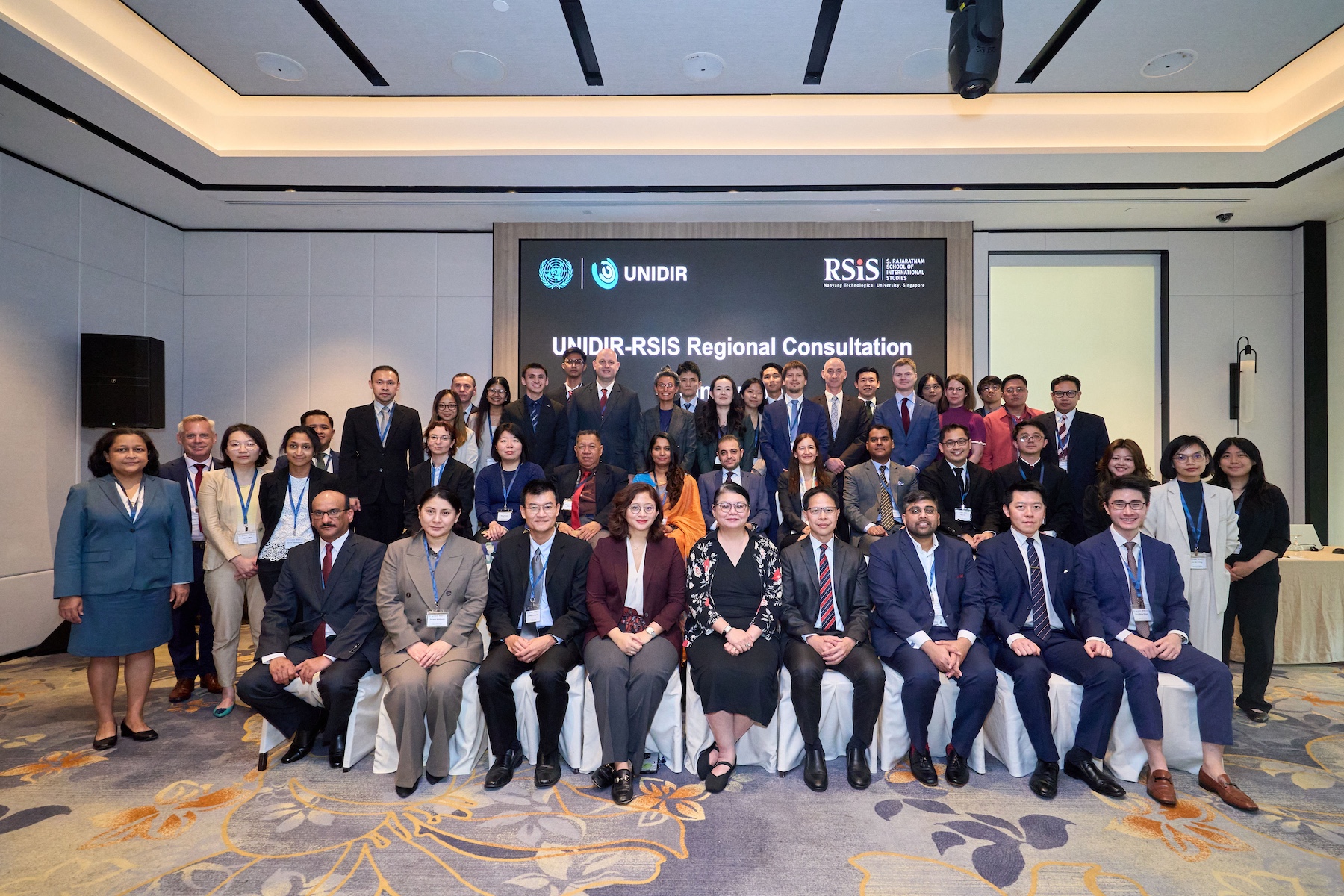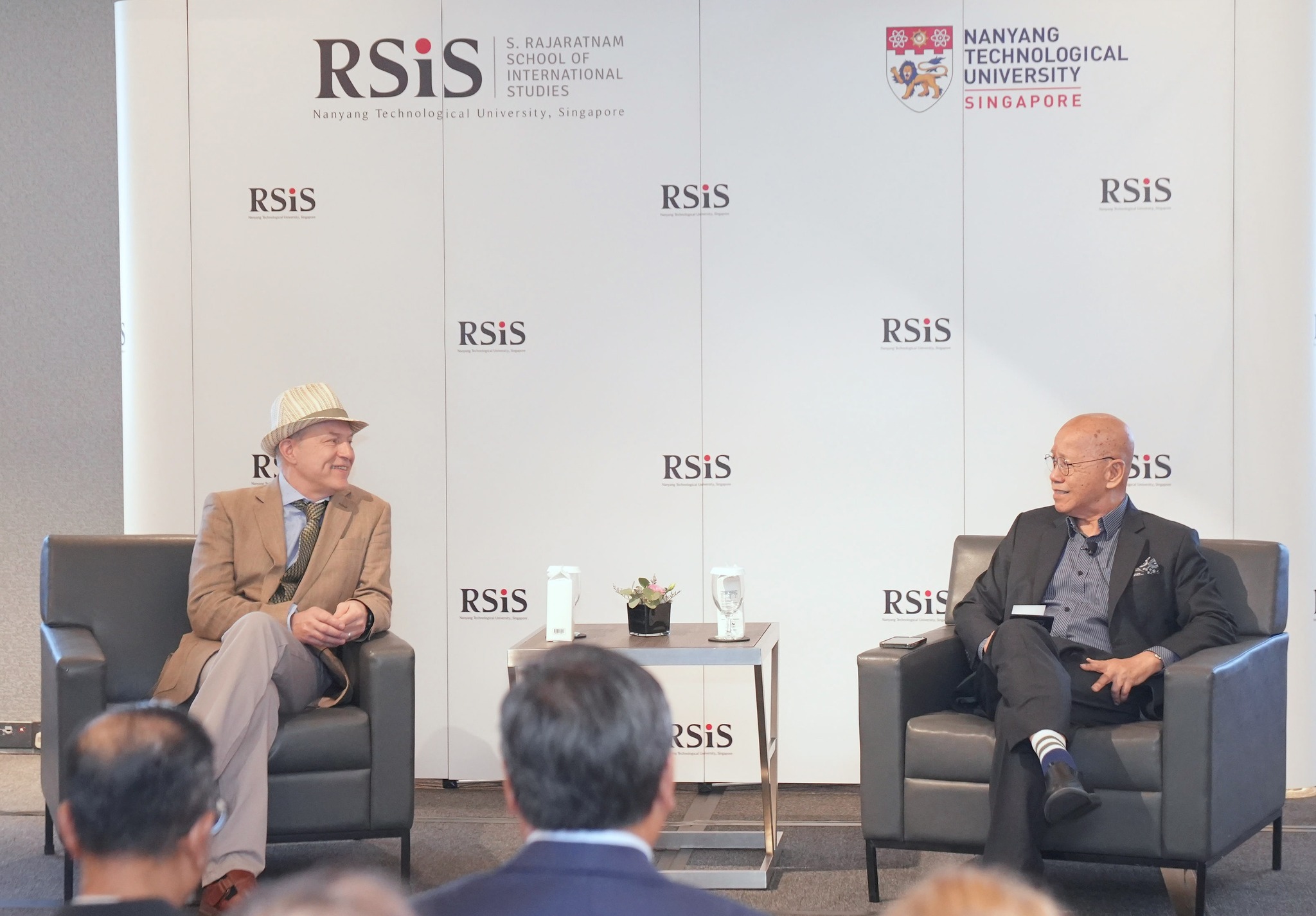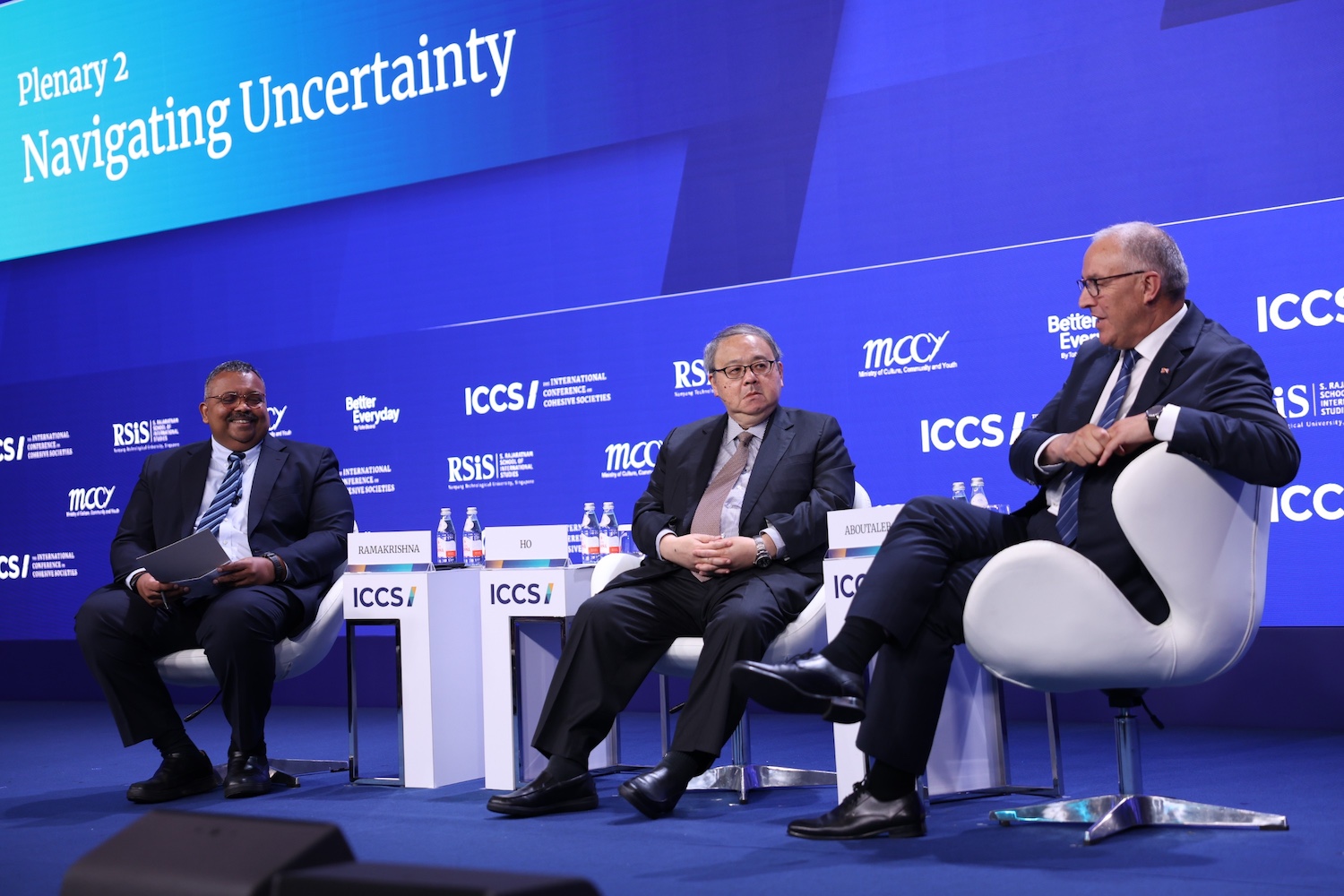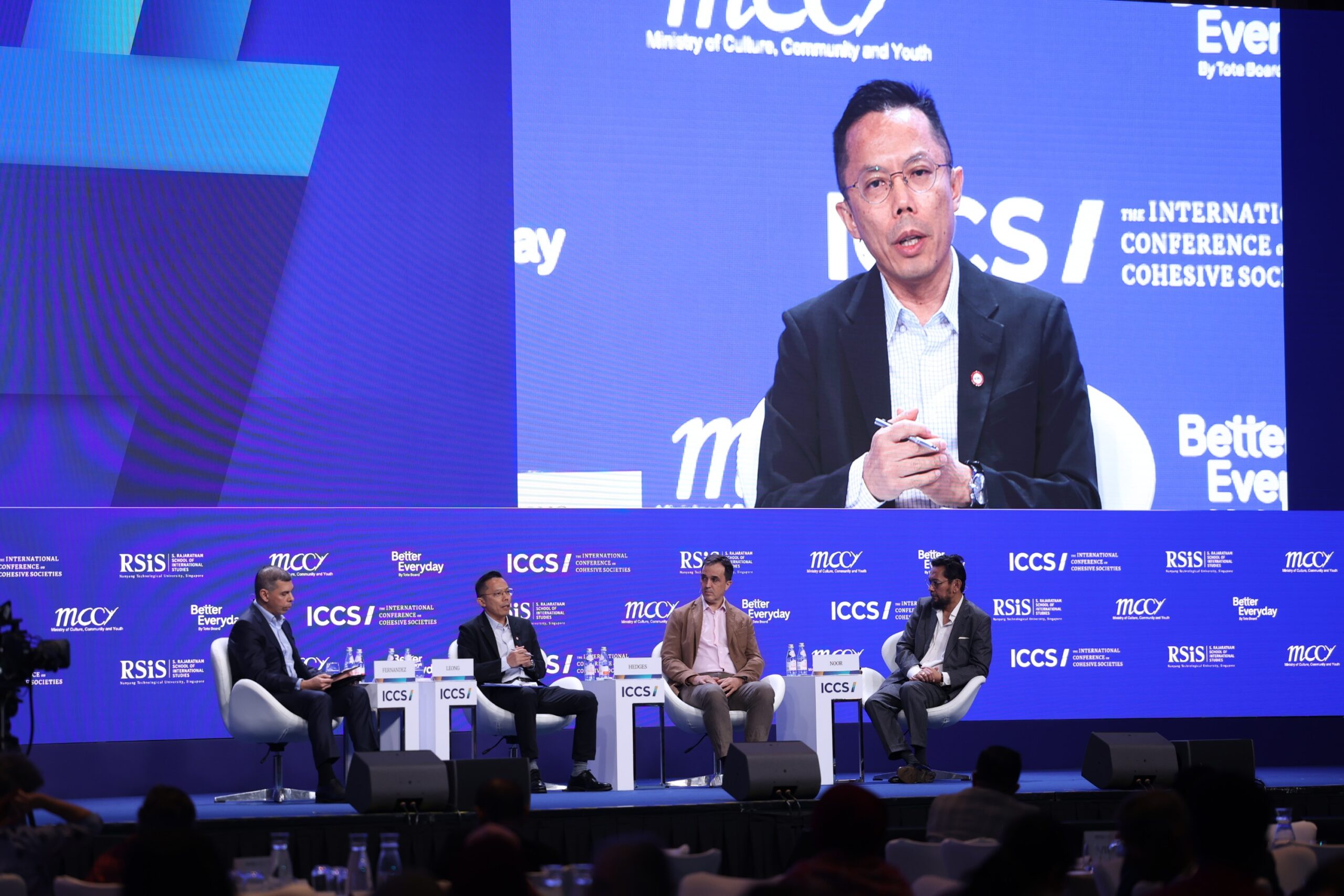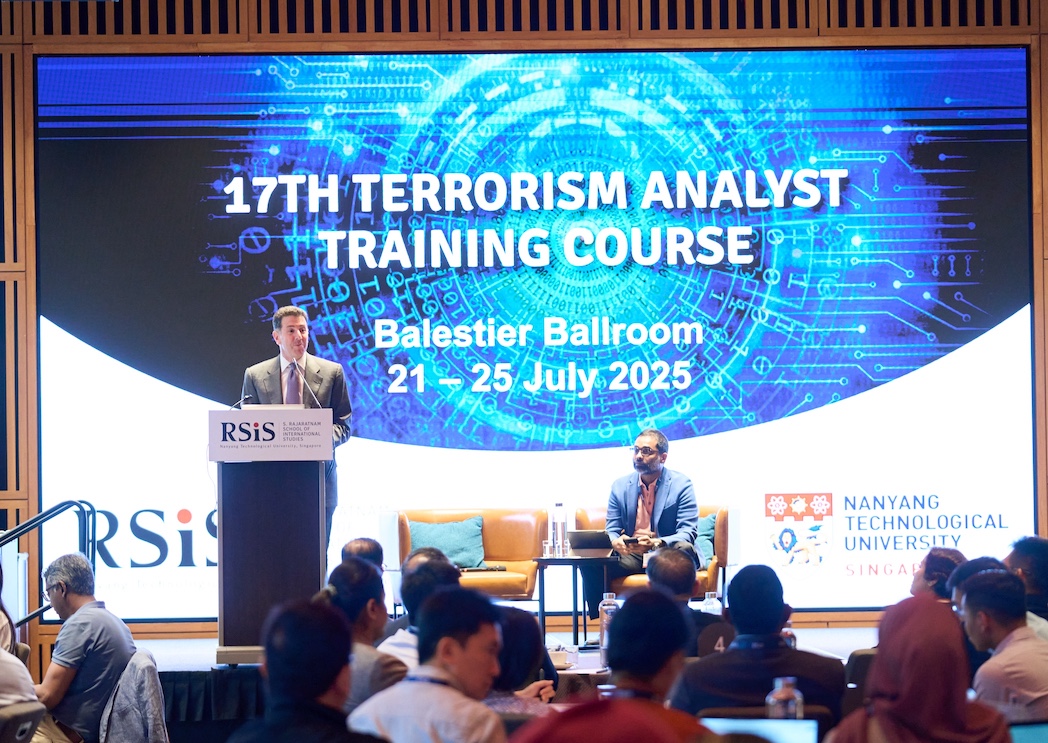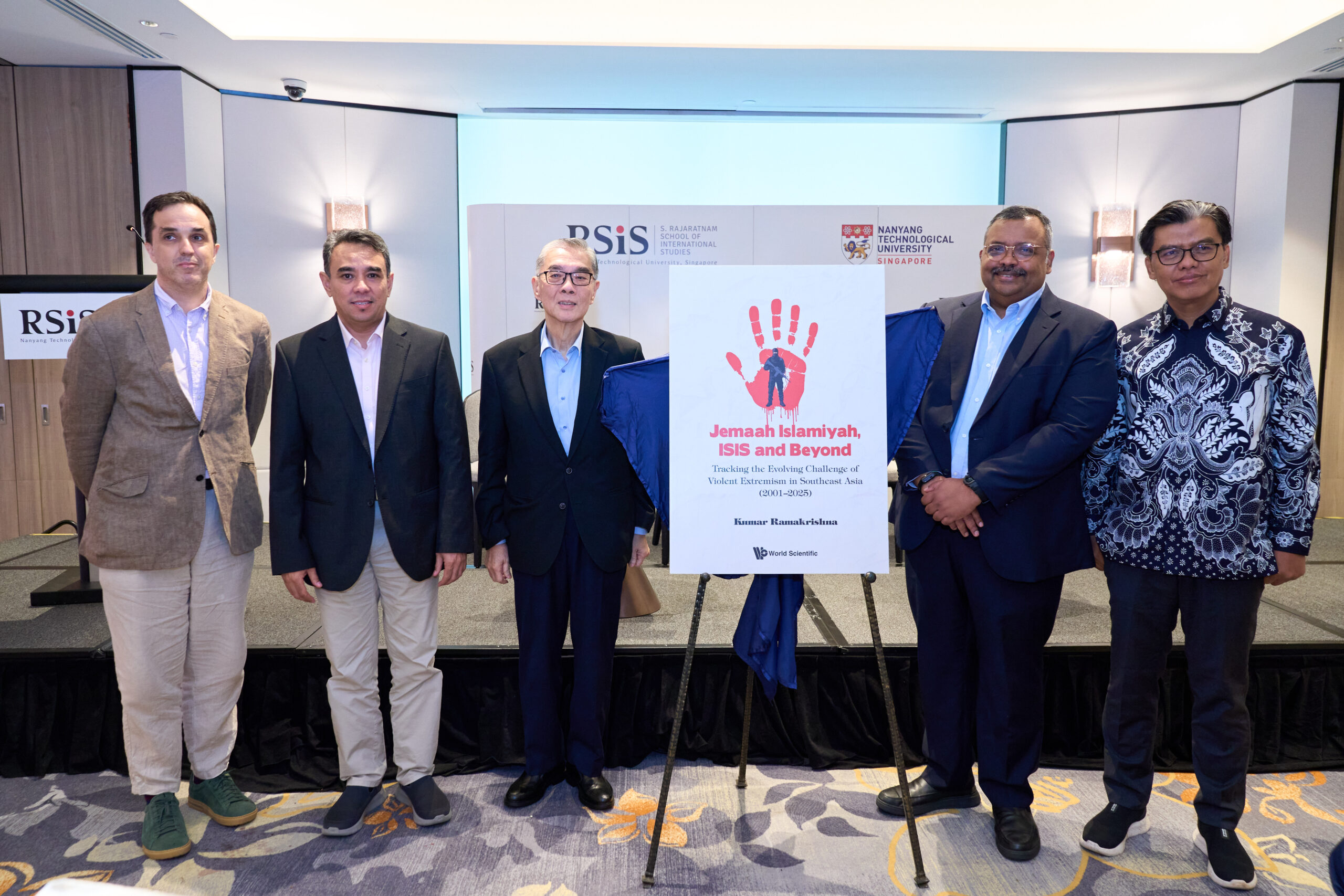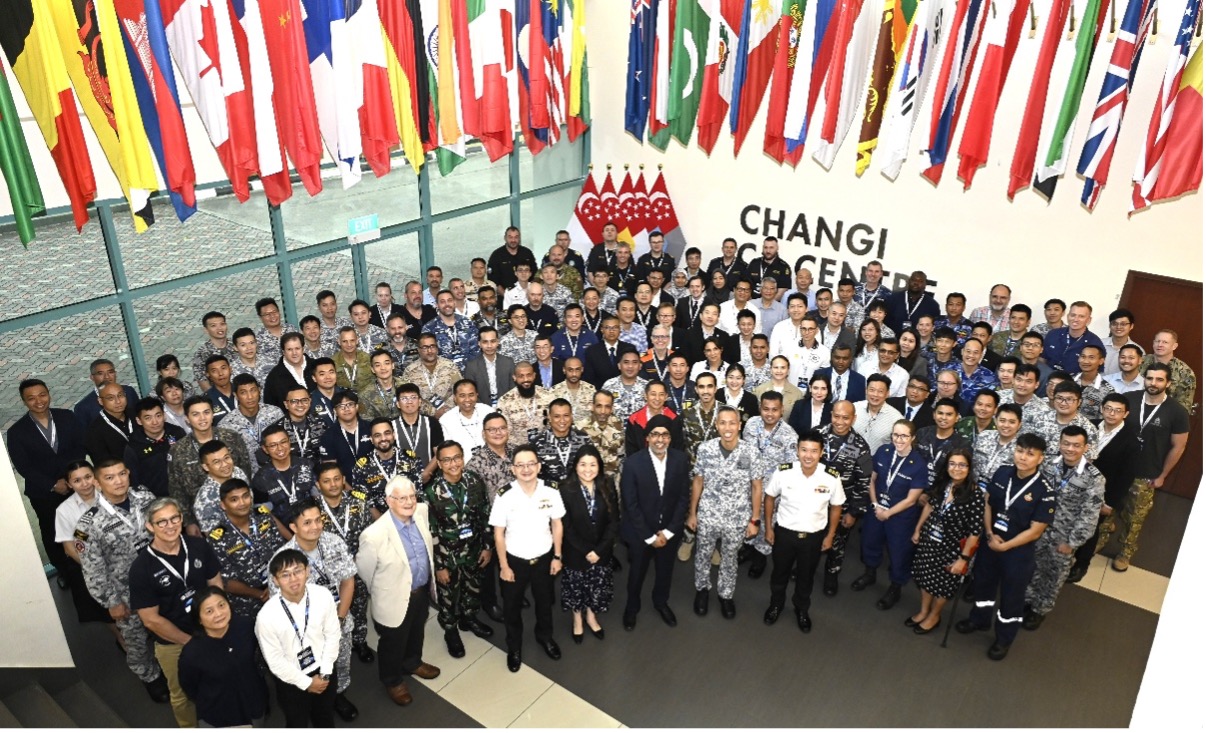



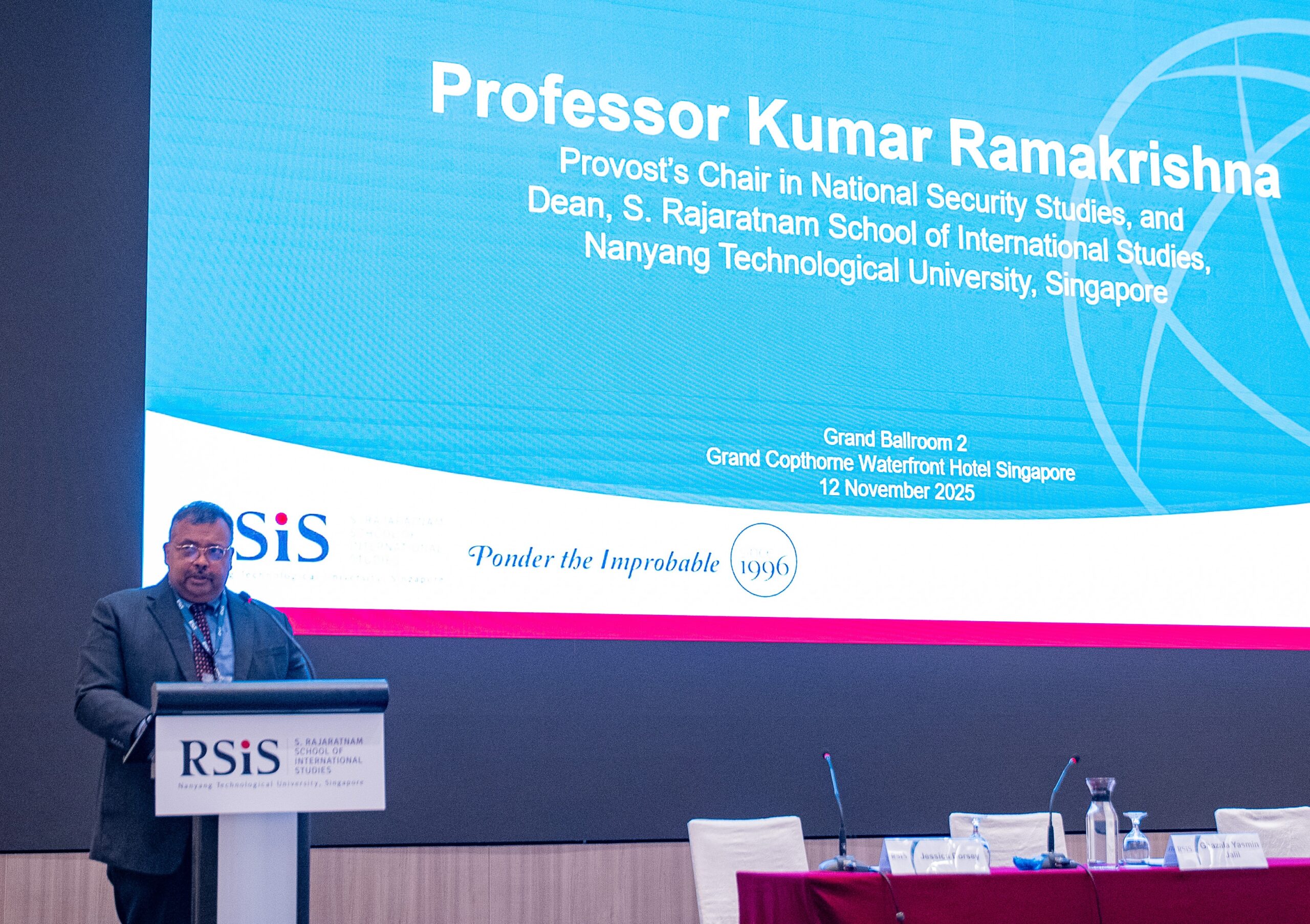
This event marks the third instalment in an ongoing series exploring how disruptive technologies intersect with arms control. The 2023 conference, “Beyond Nuclear: Disruptive Technologies and Strategic Stability in the 21st Century,” highlighted how global strategic stability has moved beyond traditional Cold War–era nuclear frameworks. In 2024, “Navigating Uncertainty: Arms Control in an Age of Disruptive Technologies” focused on the growing volatility and complexity of the security landscape. This year’s theme builds on those foundations—shifting the conversation from understanding the challenges to identifying practical, governance-oriented solutions.
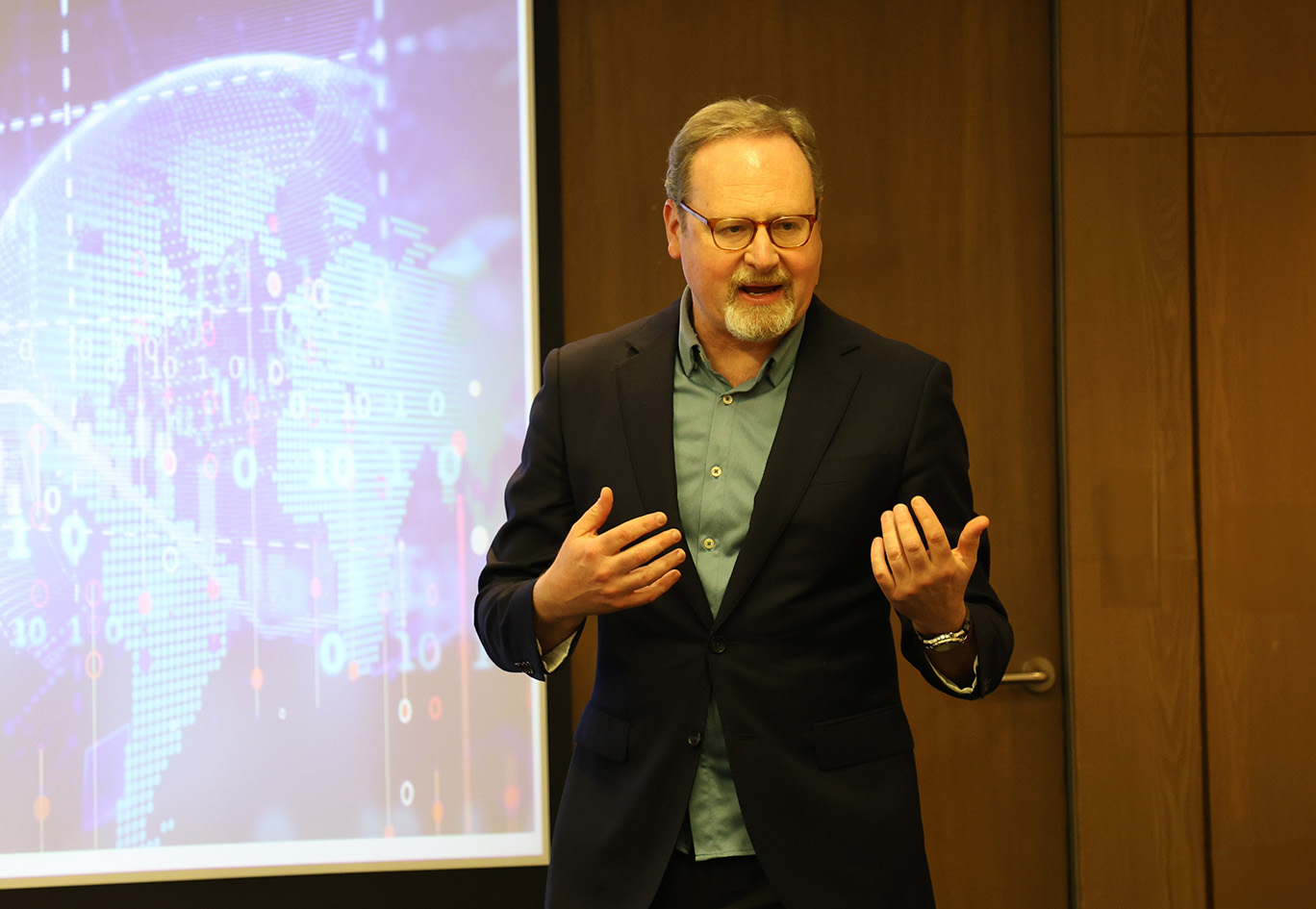
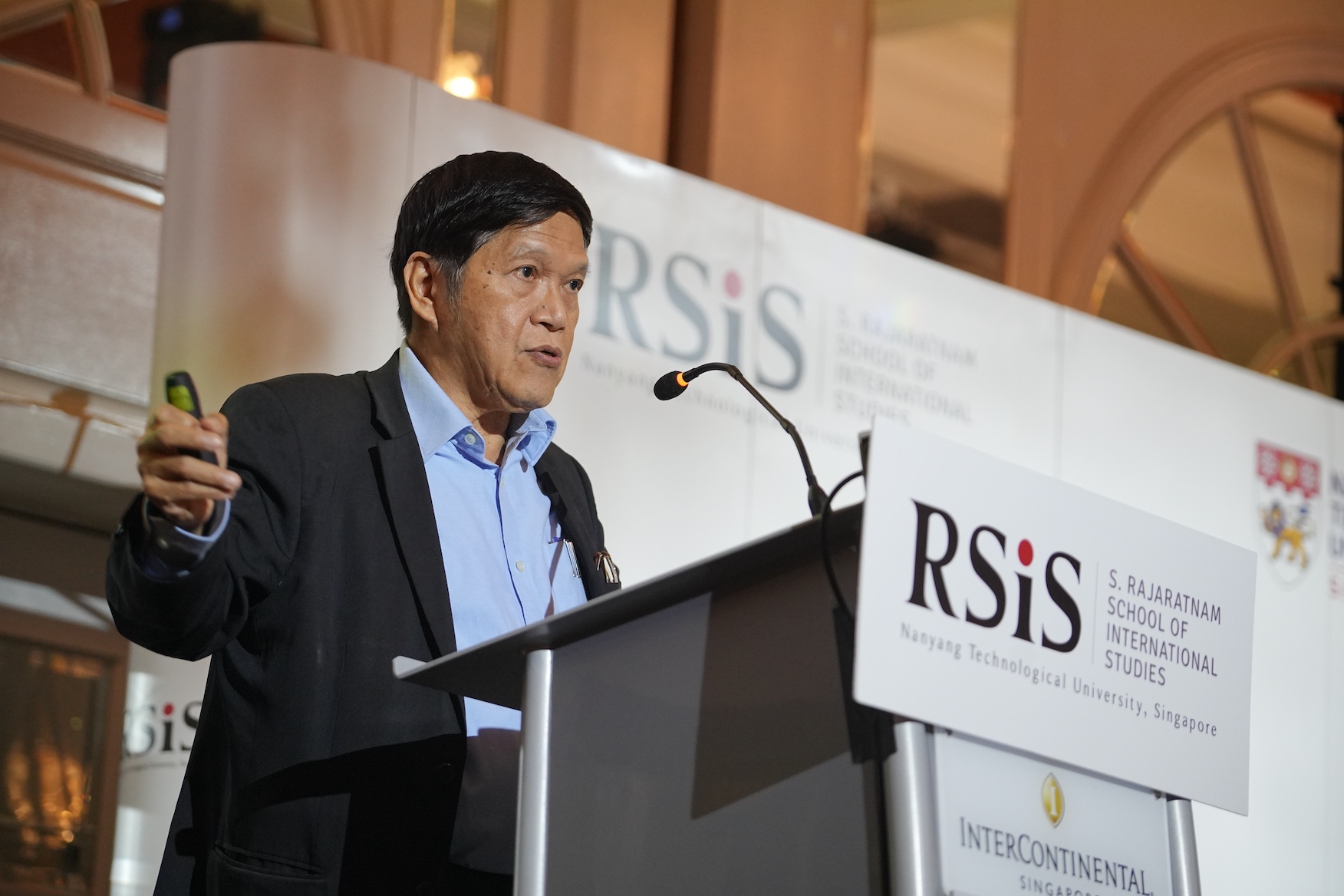
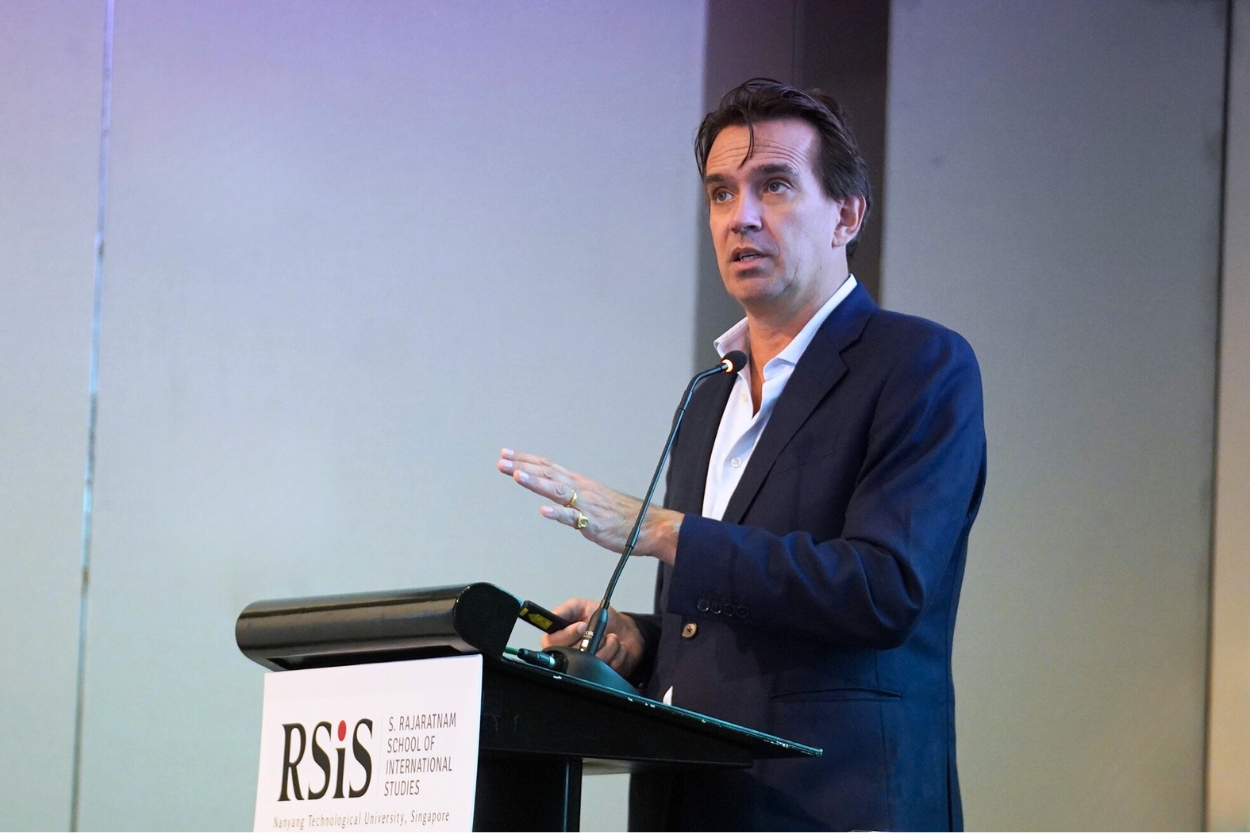
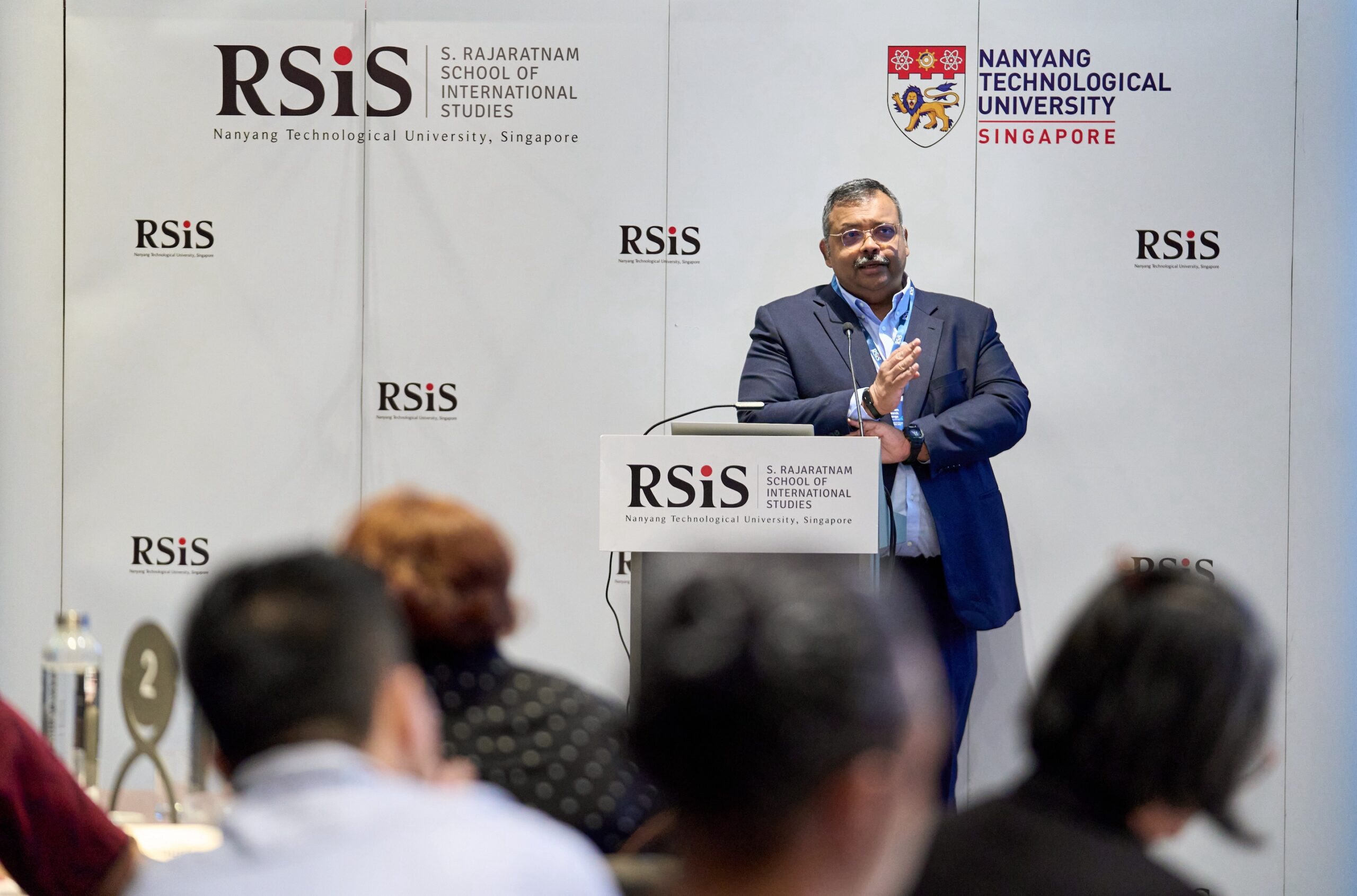
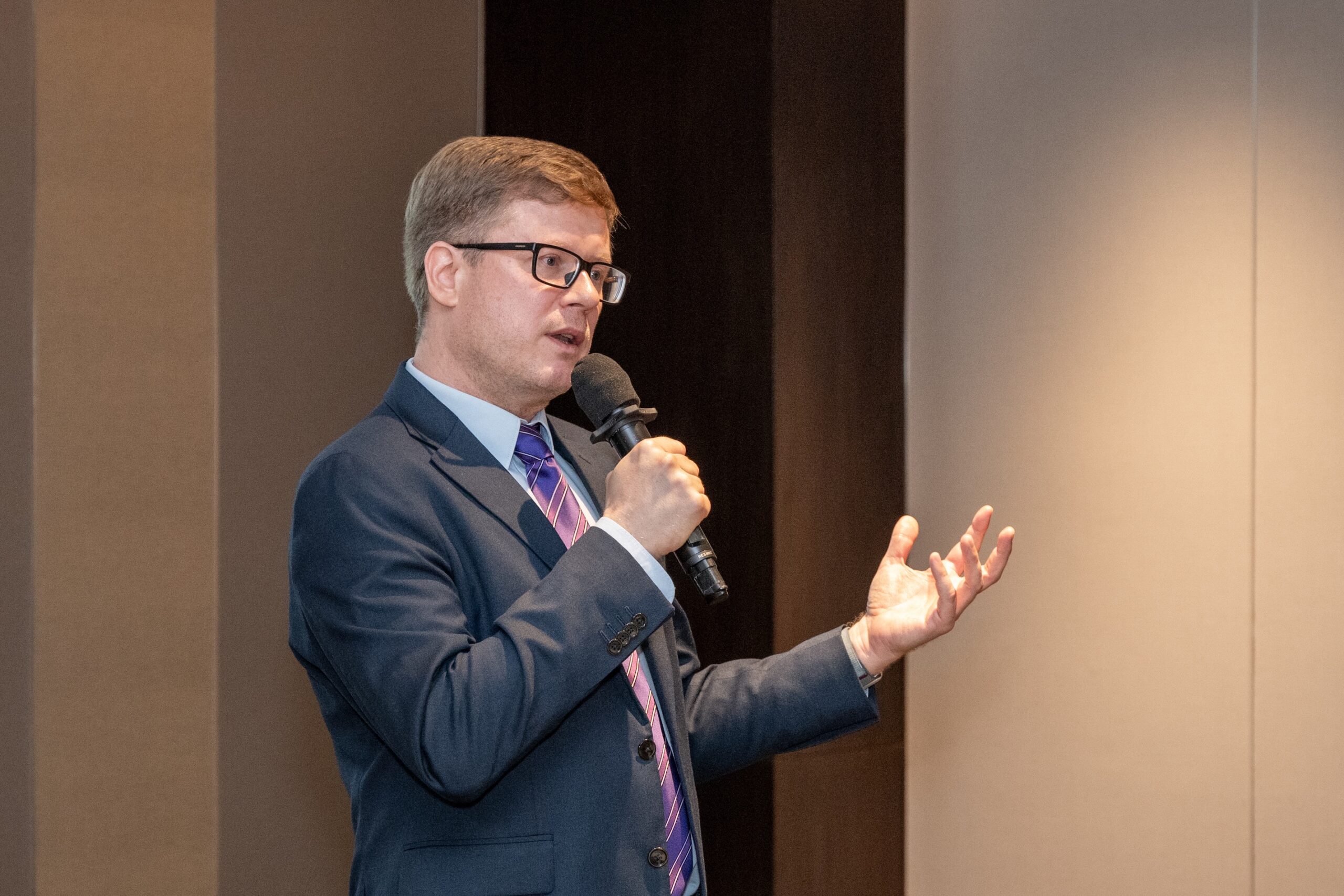
Dr Anupam Ray, Ambassador and former Permanent Representative of India to the Conference on Disarmament, delivered the keynote address. He structured his remarks around three fundamental questions: What are disruptive technologies and what is being done to regulate them internationally? What is arms control and what role does it play in international governance? What is the current state of play regarding arms control in emerging technologies and how does it impact their regulation?
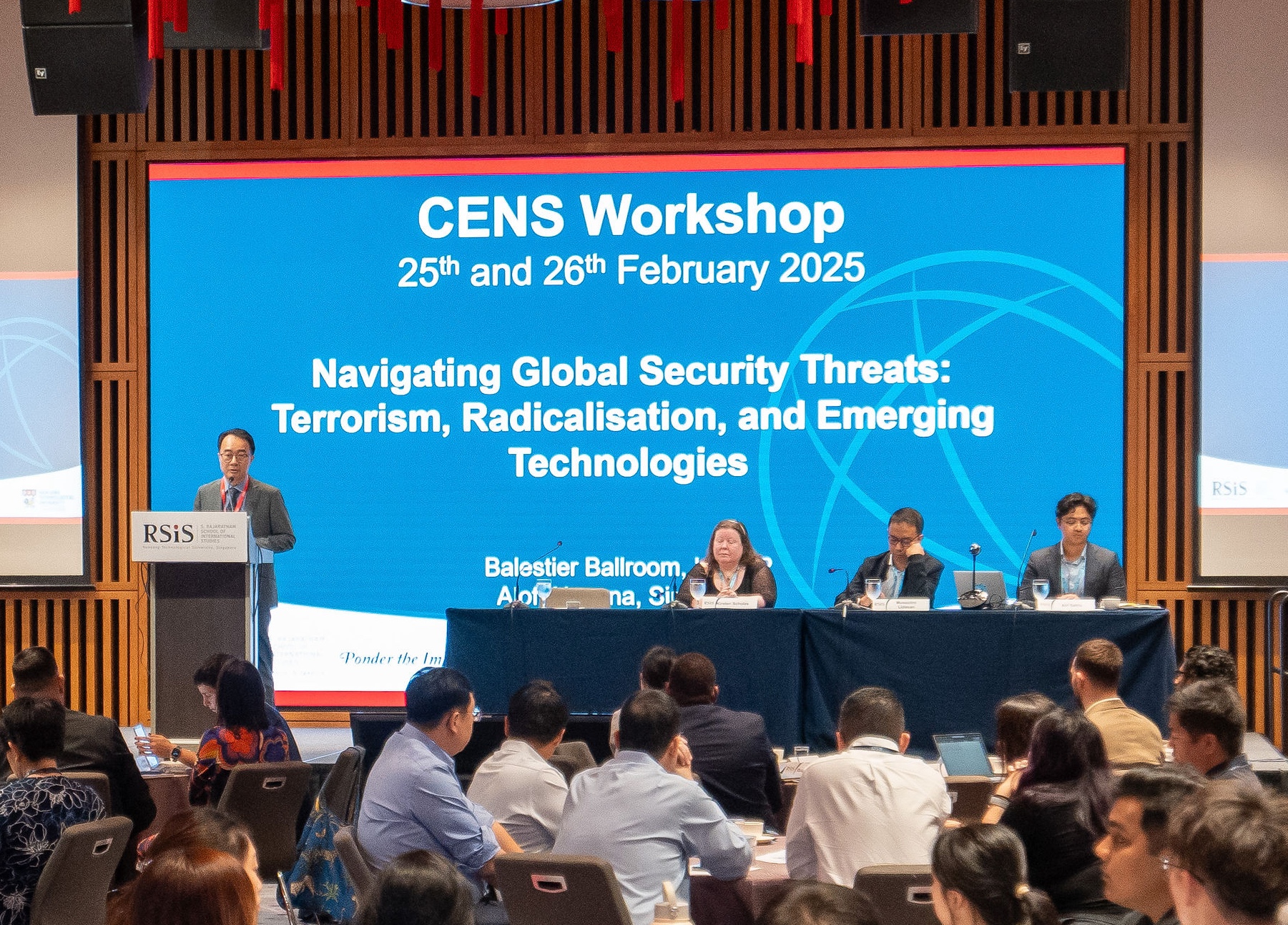
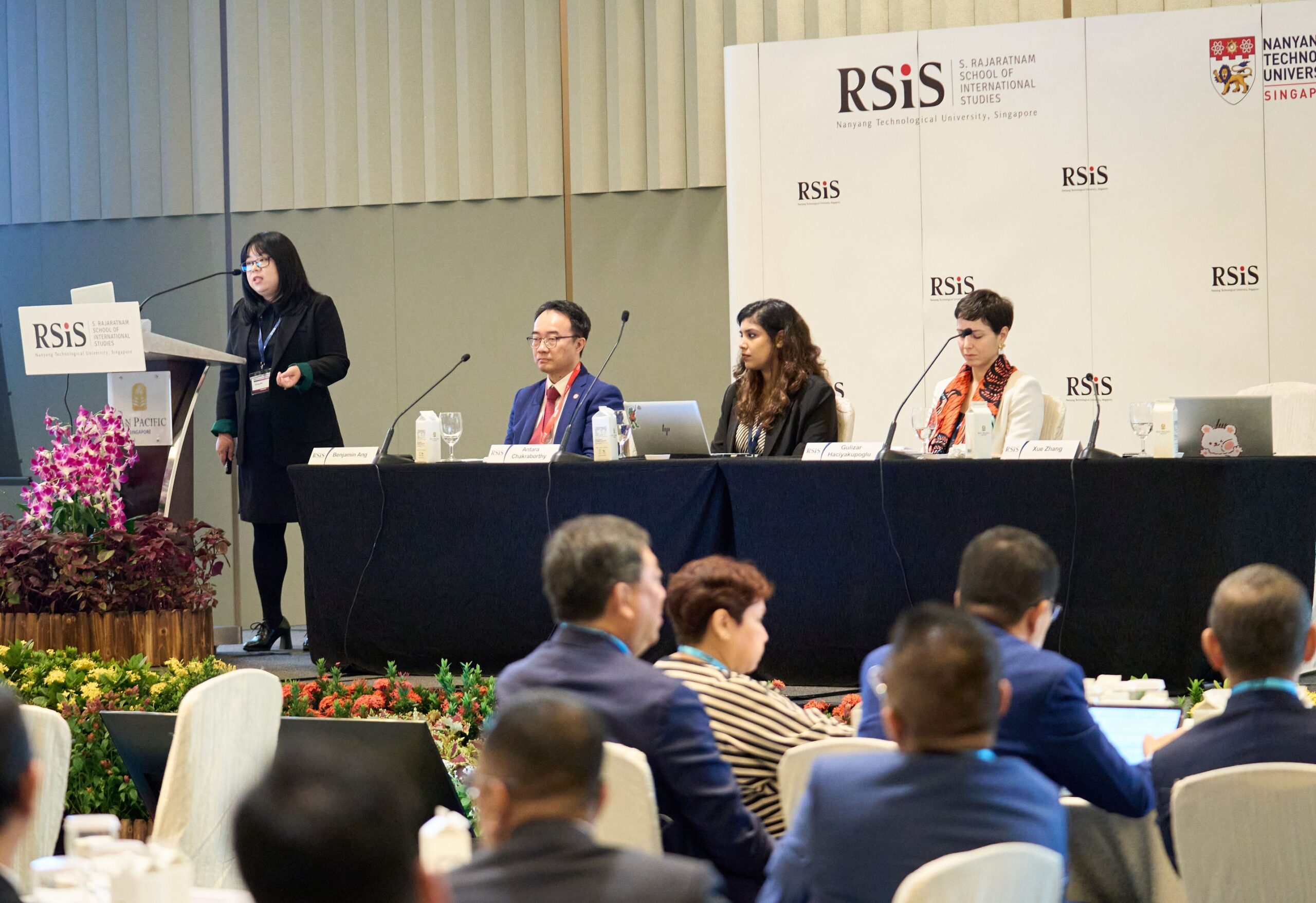
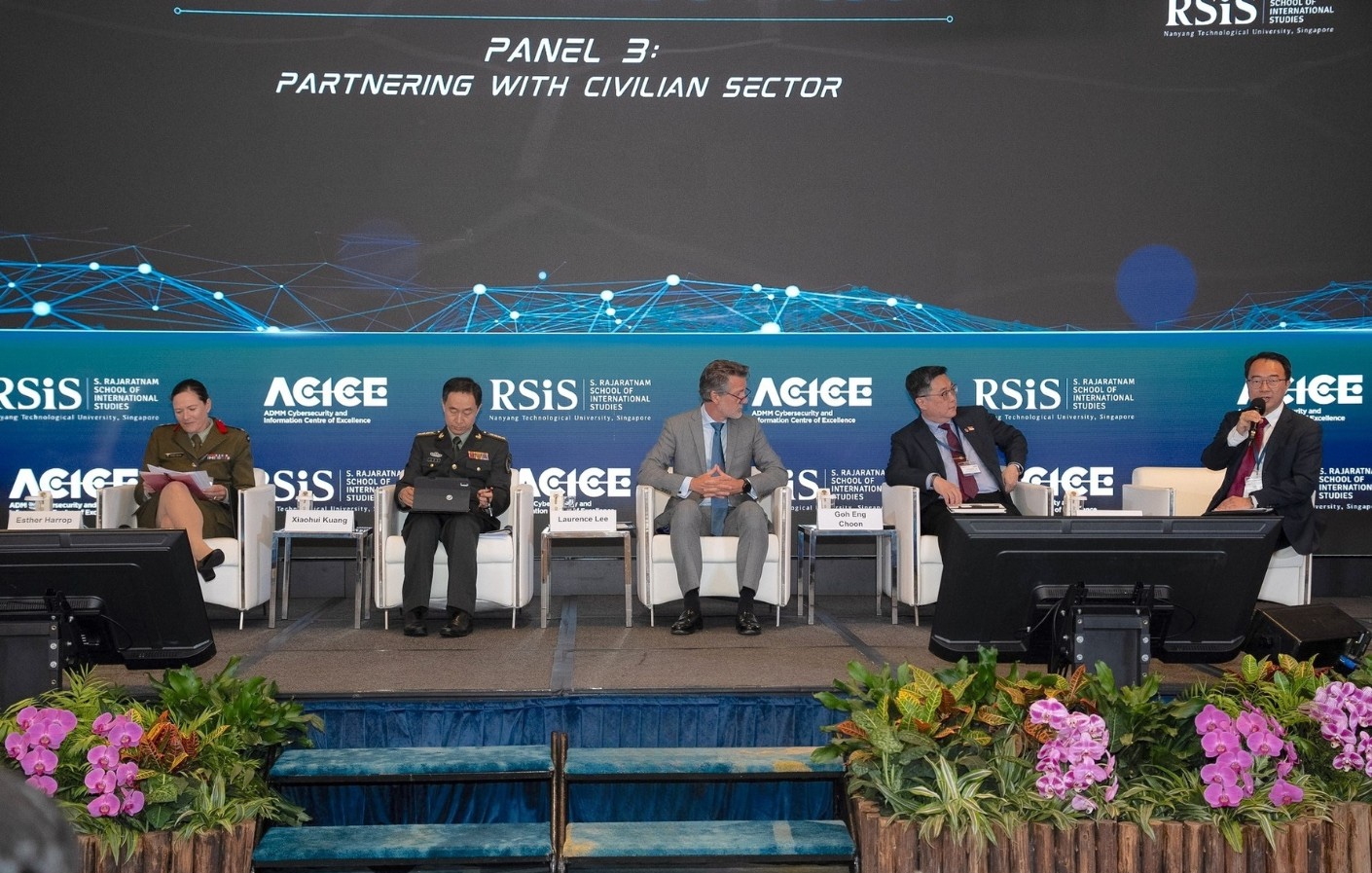
The conference comprised four panel discussions. The first one examined how disruptive technologies are altering the speed and character of modern warfare, creating unprecedented challenges for traditional arms control frameworks. The second panel explored the complex interdependencies that emerge as artificial intelligence increasingly converges with other technologies in military applications. The third panel addressed the growing intersection between the outer space and cyber domains. The final panel examined how the private sector’s central role in developing disruptive technologies creates new pathways for arms proliferation and misuse while simultaneously offering opportunities for enhanced governance.
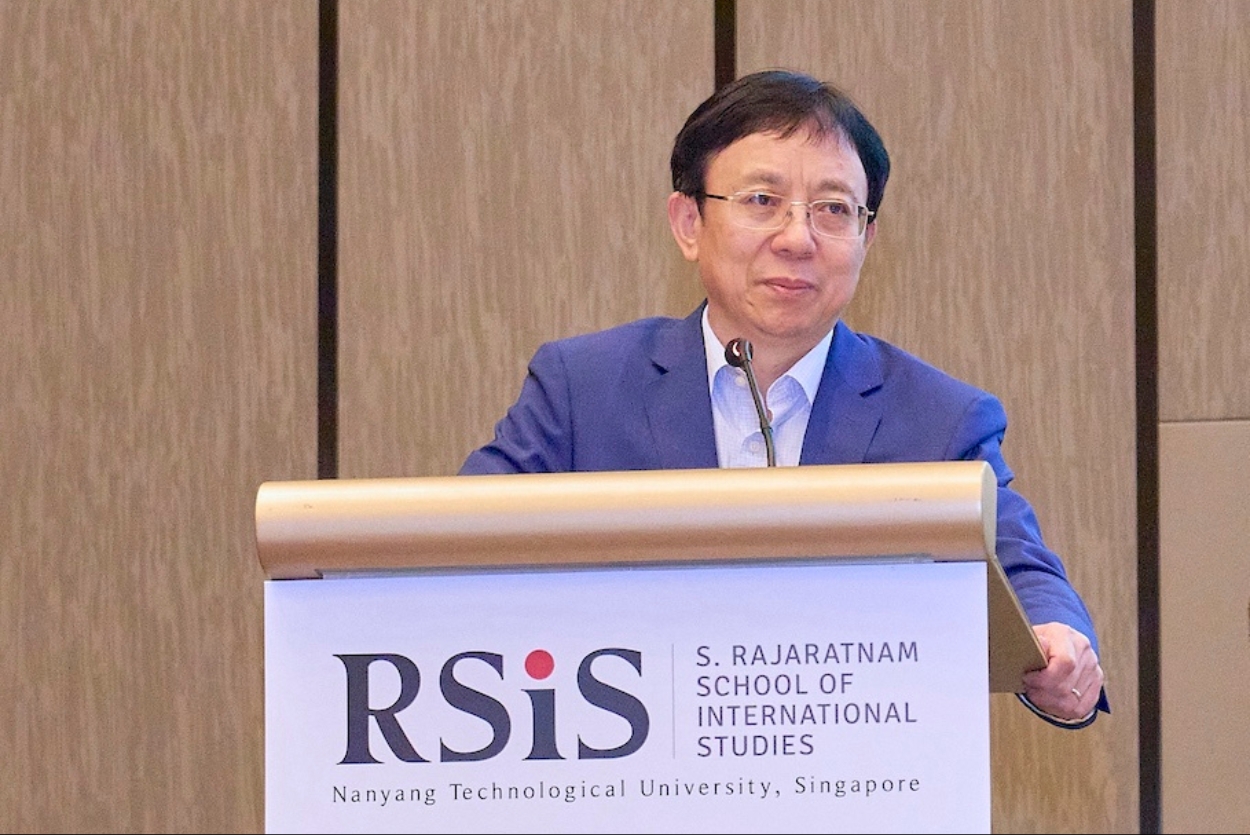
The conference ended with remarks by Col. Daxson Yap, Director of the Defence Policy Office at the Ministry of Defence, Singapore. He offered three reflections on governance. First, we must avoid falling into the trap of binary approaches and should embrace varied governance tools rather than adopting a “one size fits all” strategy. Second, in an era of deepening geopolitical divides, we must redouble our efforts to strengthen and uphold the stable framework of global rules and norms. Finally, we must engage all relevant stakeholders in arms control conversations. He concluded that the governance of emerging technologies will require a nuanced and inclusive approach, as well as continued commitment to global cooperation.