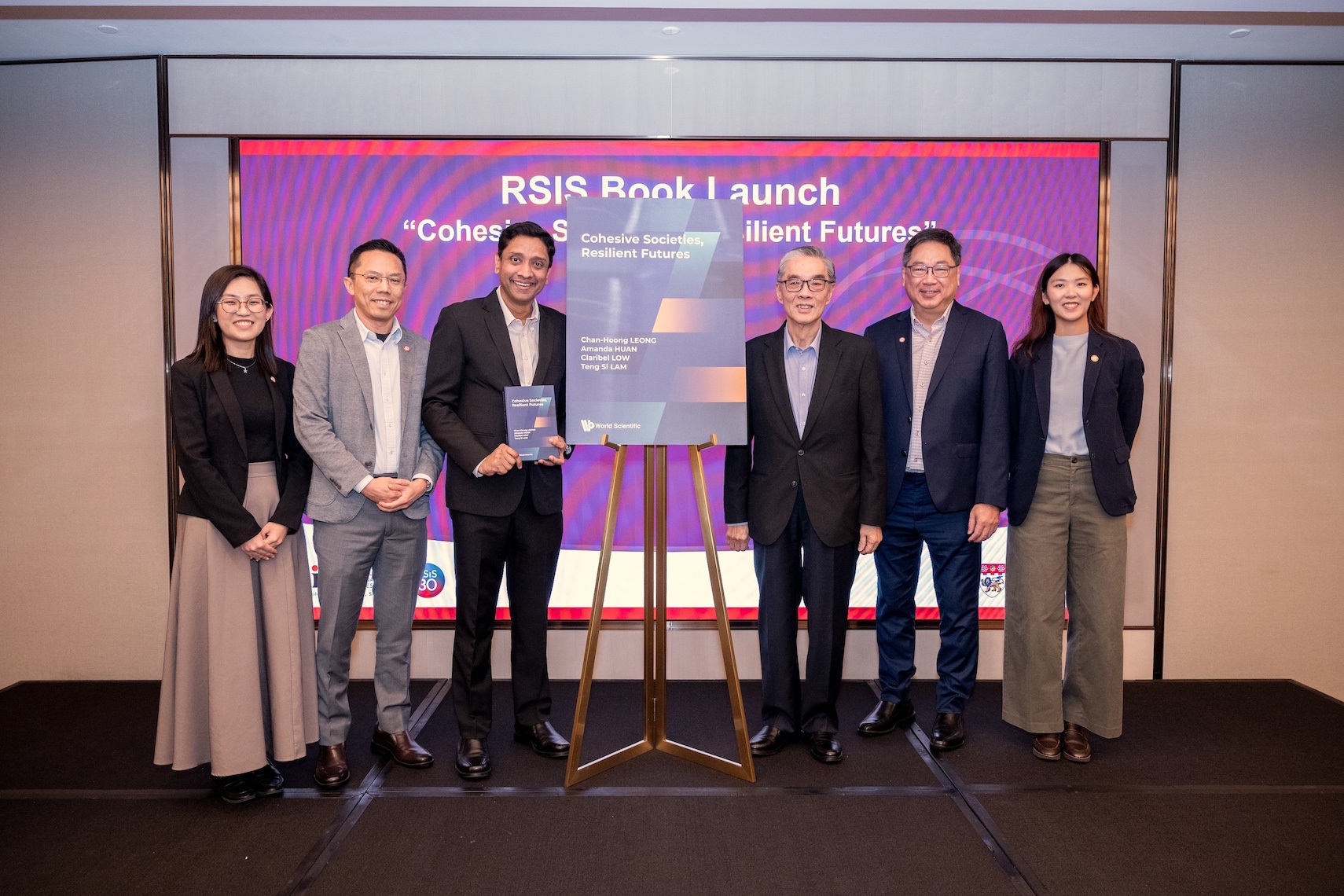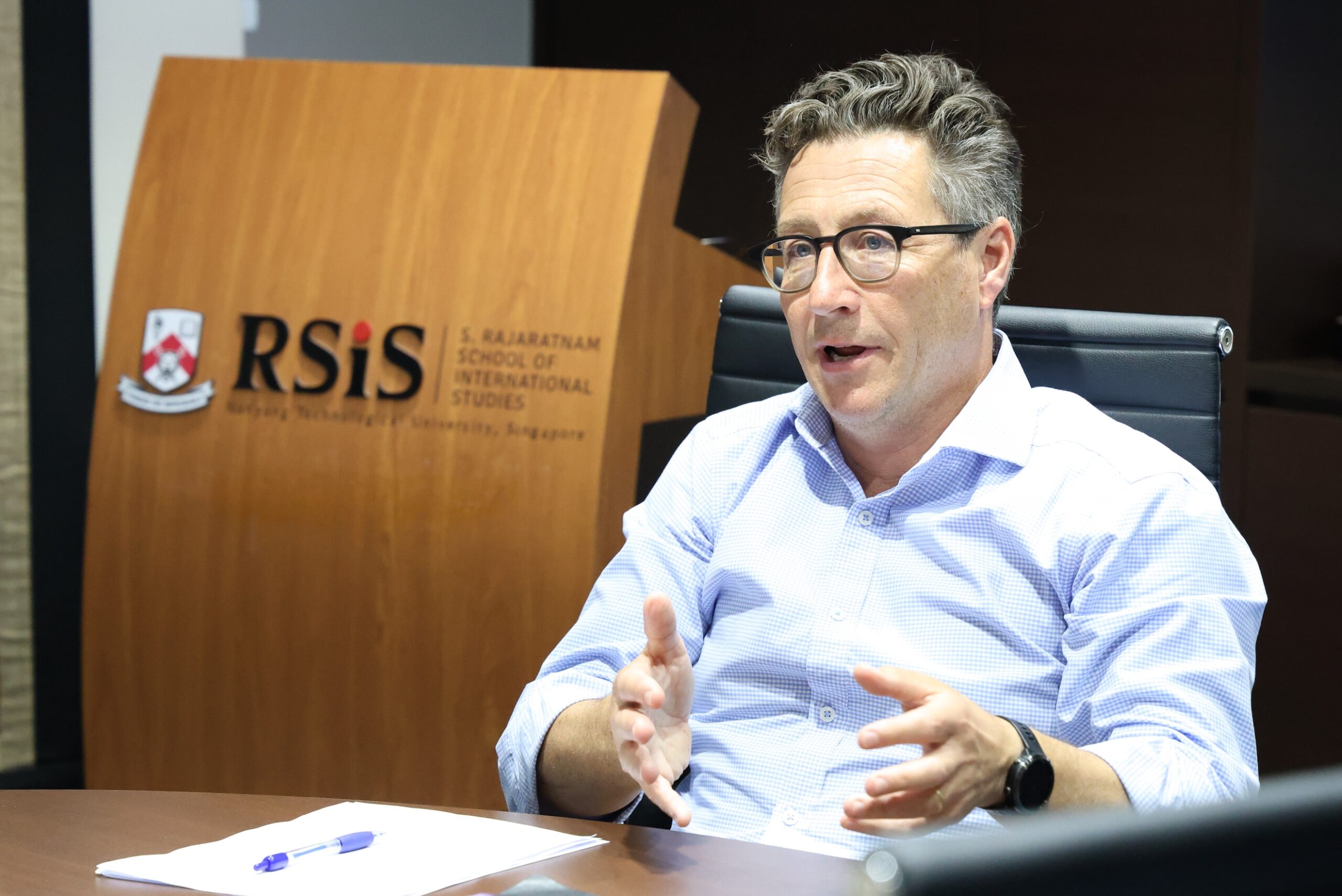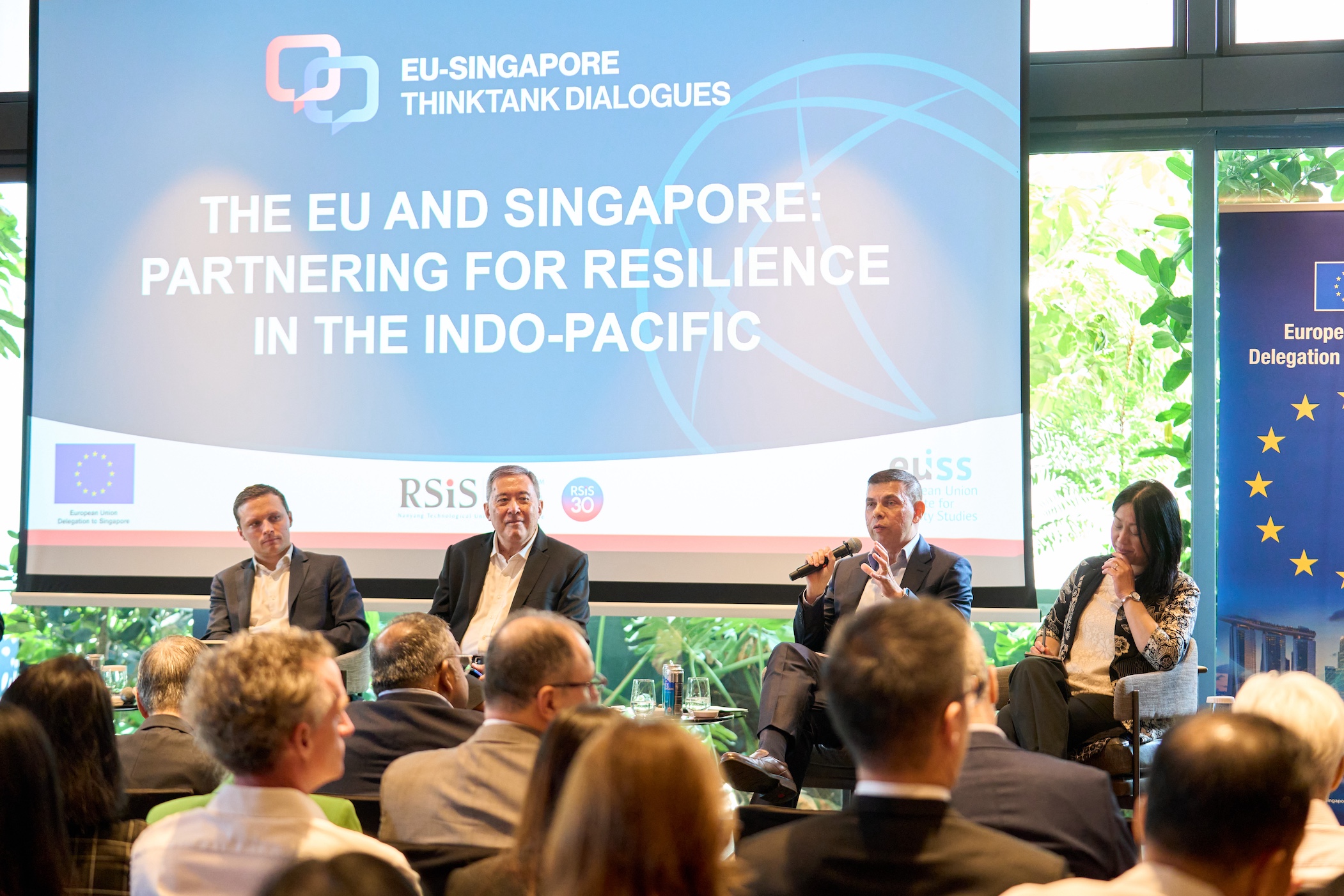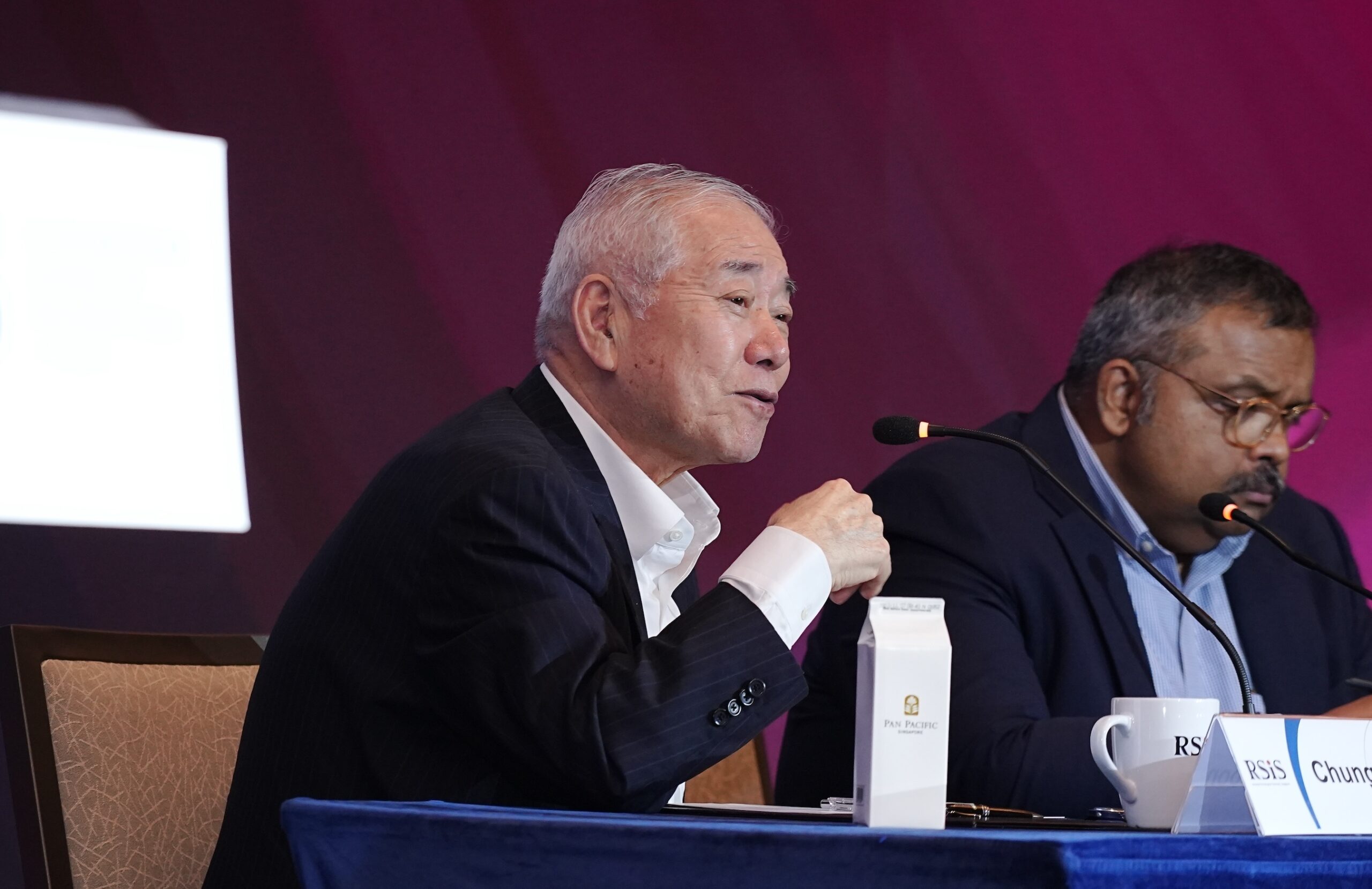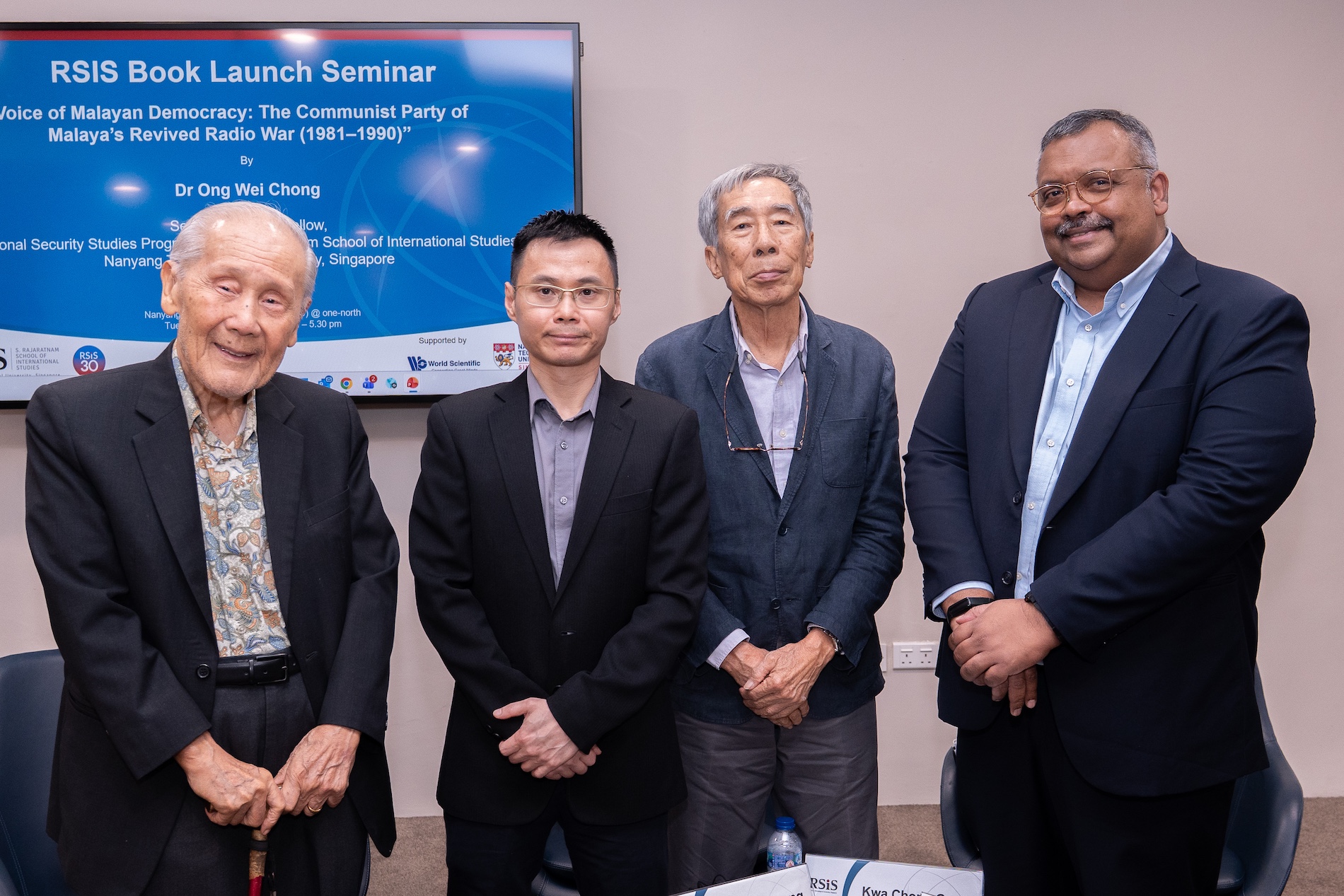


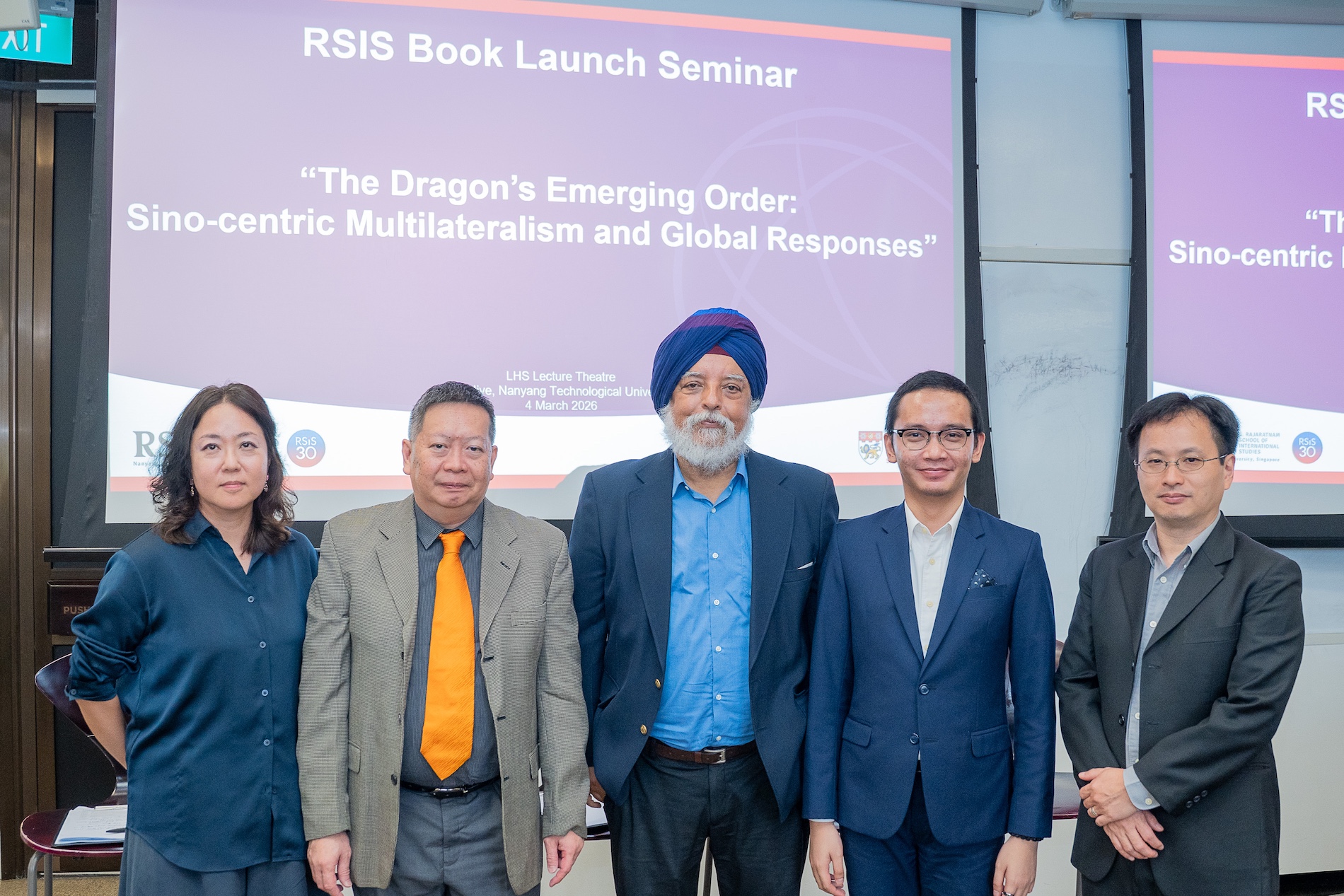
On 4 March 2026, the Centre for Multilateralism Studies (CMS) organised the RSIS Book Launch Seminar titled “The Dragon’s Emerging Order: Sino-centric Multilateralism and Global Responses”. Edited by Dr Joel Ng, Head of CMS, the book examines the phenomenon of Sino-centric multilateralism.
Providing an overview of the book, Dr Alan Chong, Senior Fellow at CMS, noted that Sino-centric multilateralism is an integral part of understanding ‘Global South’ dynamics. Dr Chong outlined the book’s central argument that China has developed a distinct approach to multilateralism — one that differs from the UN and Bretton Woods institutions — by prioritising broad principles, flexible interpretation, and development-led cooperation.
As the discussant, Associate Professor Li Mingjiang, Associate Dean (Academic Affairs) and Head of Graduate Studies at RSIS, noted that the book provides an important framework for understanding how China is reshaping regional and global governance. He argued that China is neither simply rejecting nor fully conforming to the existing order, but is instead crafting new rules and institutional formats through dialogue platforms, partnerships, and looser governance mechanisms. By conceptualising this phenomenon as Sino-centric multilateralism, the book manages to capture institution-building and agenda-setting strategies that China has increasingly pursued in recent years.
Dr Su-Hyun Lee, Deputy Head of Graduate Studies and Senior Associate Fellow at RSIS, highlighted the central role of the Belt and Road Initiative (BRI) in the emergence of Sino-centric multilateralism, framing it as a grand strategic plan for regional integration, trade, and economic growth. Dr Lee explained that while the BRI has expanded China’s role in development finance and increased its appeal in Southeast Asia, it has also generated criticism over local corruption, environmental damage, and stalled economic reforms.
Dr Dipinder S. Randhawa, Senior Fellow at CMS, linked the rise of China-led multilateralism to the evolving role of the G20, noting that China’s relative resilience after the 2008 financial crisis positioned it to expand its influence both within existing institutions and through new ones.
Offering a regional perspective, Mr Miguel Enriquez, Associate Research Fellow at CMS, observed that China-ASEAN relations reflect both deepening economic interdependence and enduring security caution, showing that ASEAN states continue to seek cooperation with China while preserving strategic “elbow room.”
In the panel discussion, speakers underscored both the appeal and the limits of Sino-centric multilateralism, highlighting that while China-led platforms offer new avenues for development and influence, their long-term traction will depend on how other states respond and negotiate space within them.
Watch the book launch seminar here: