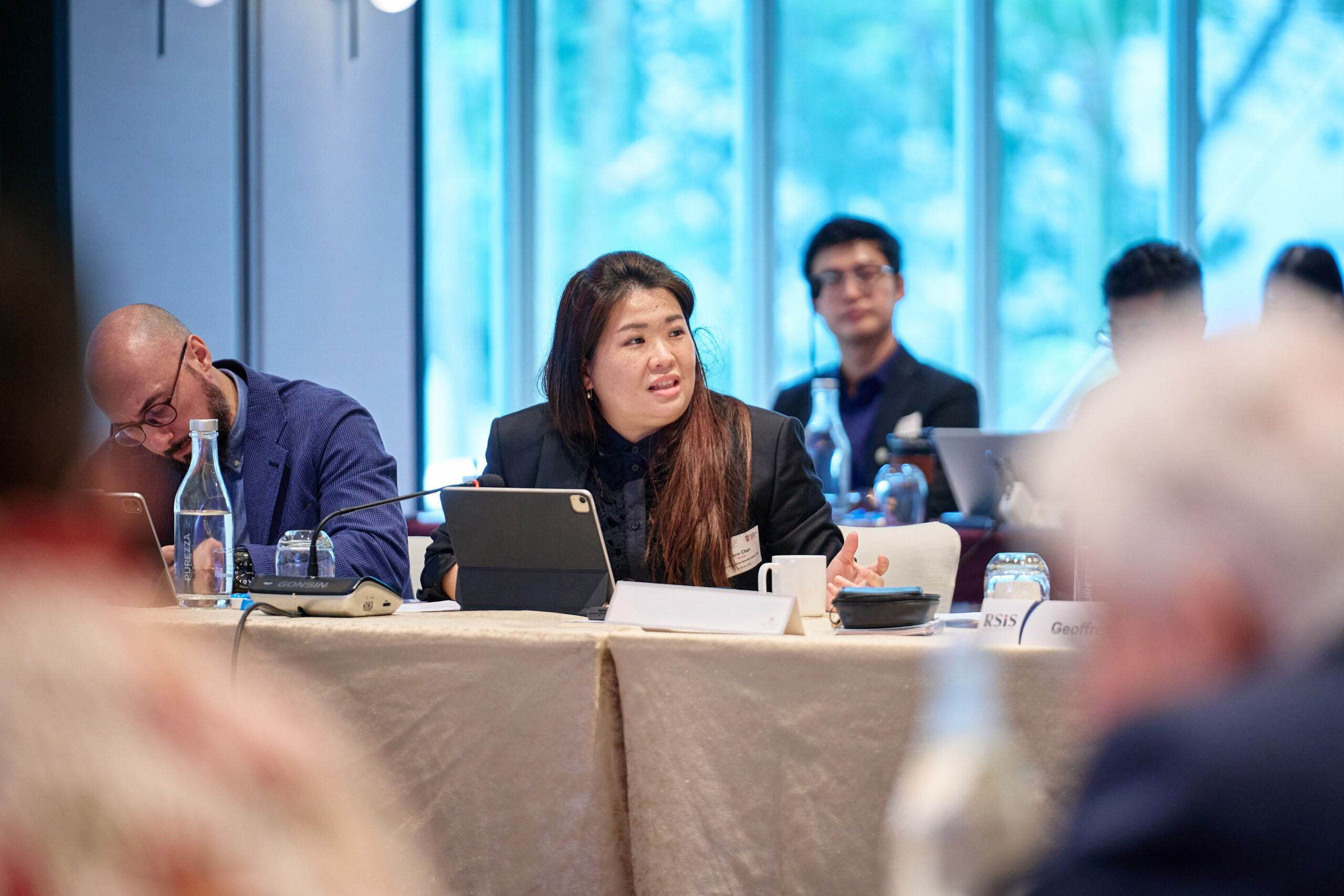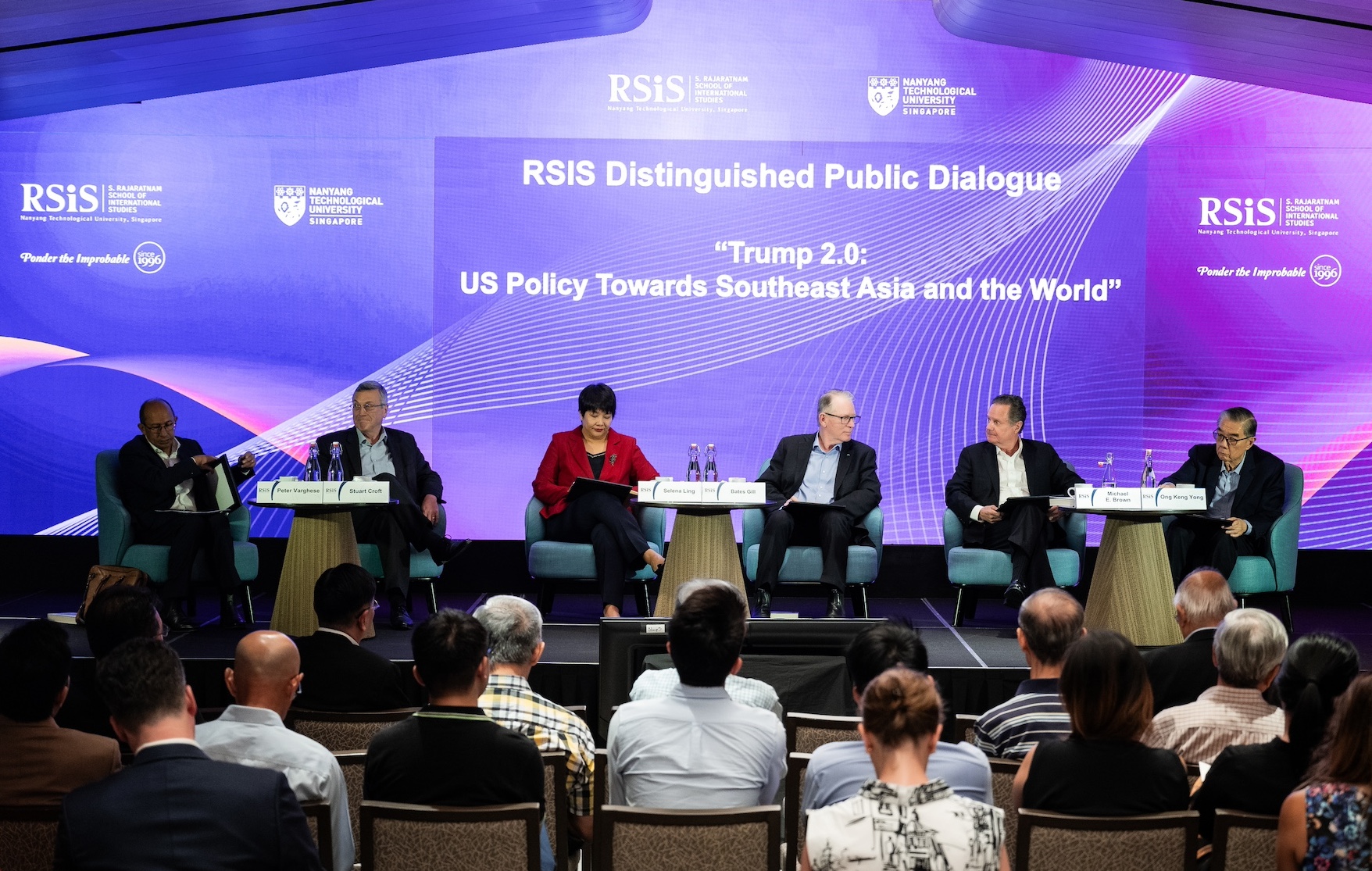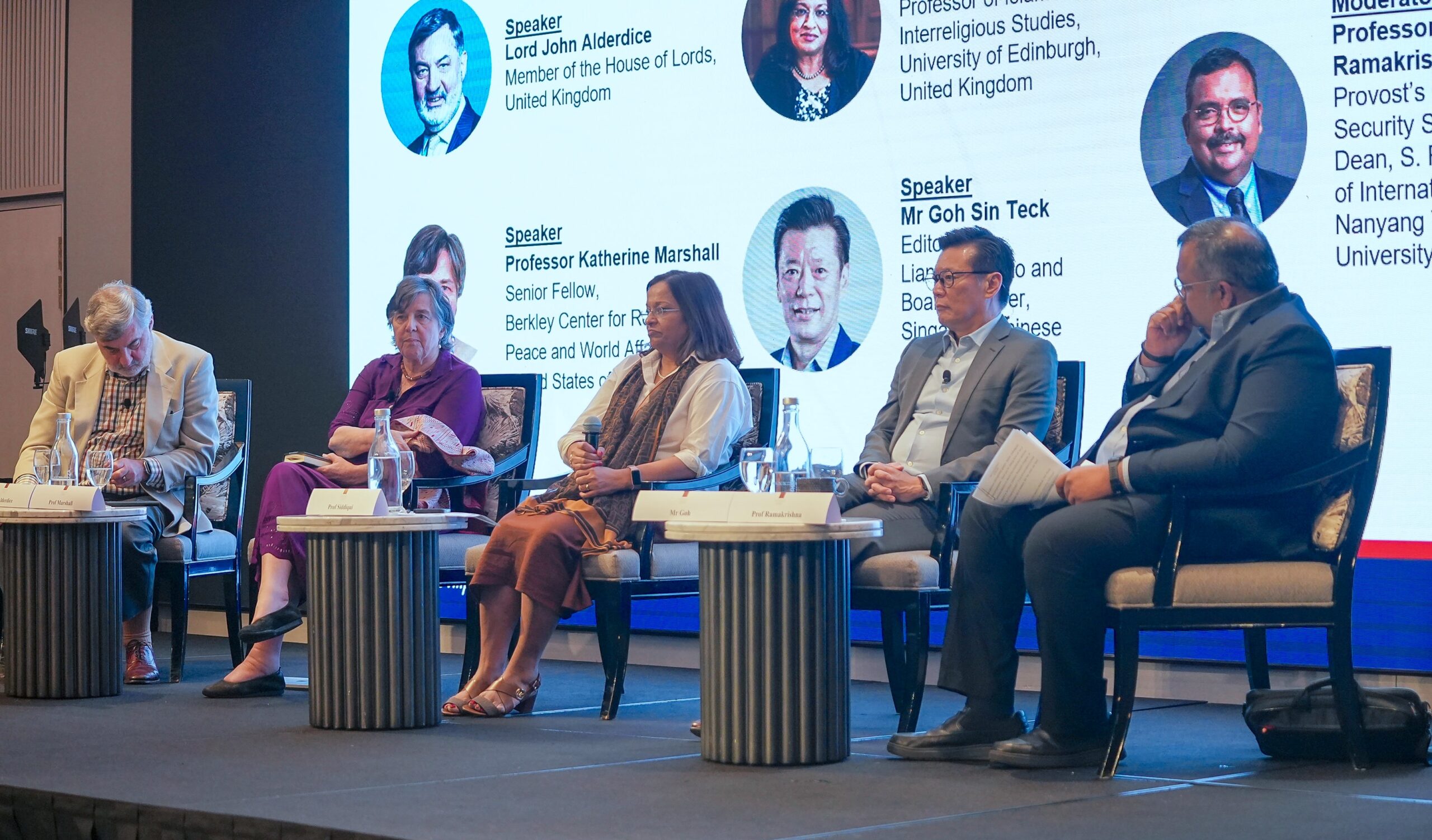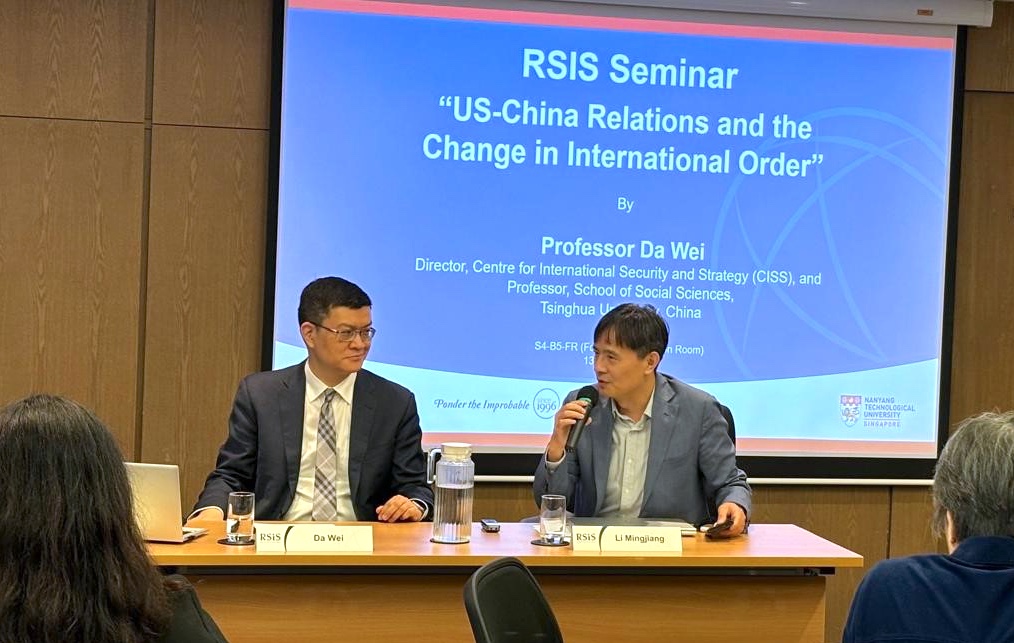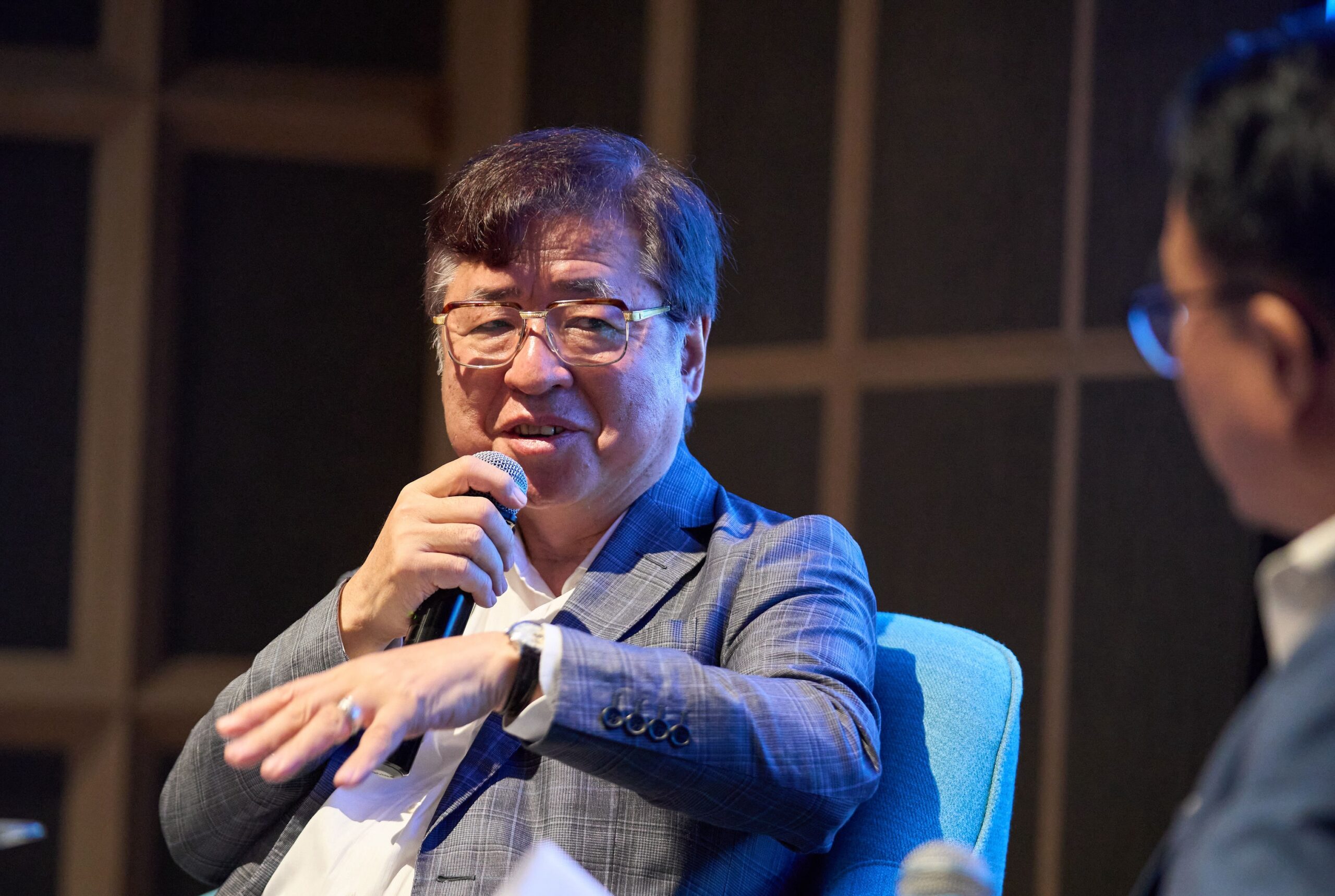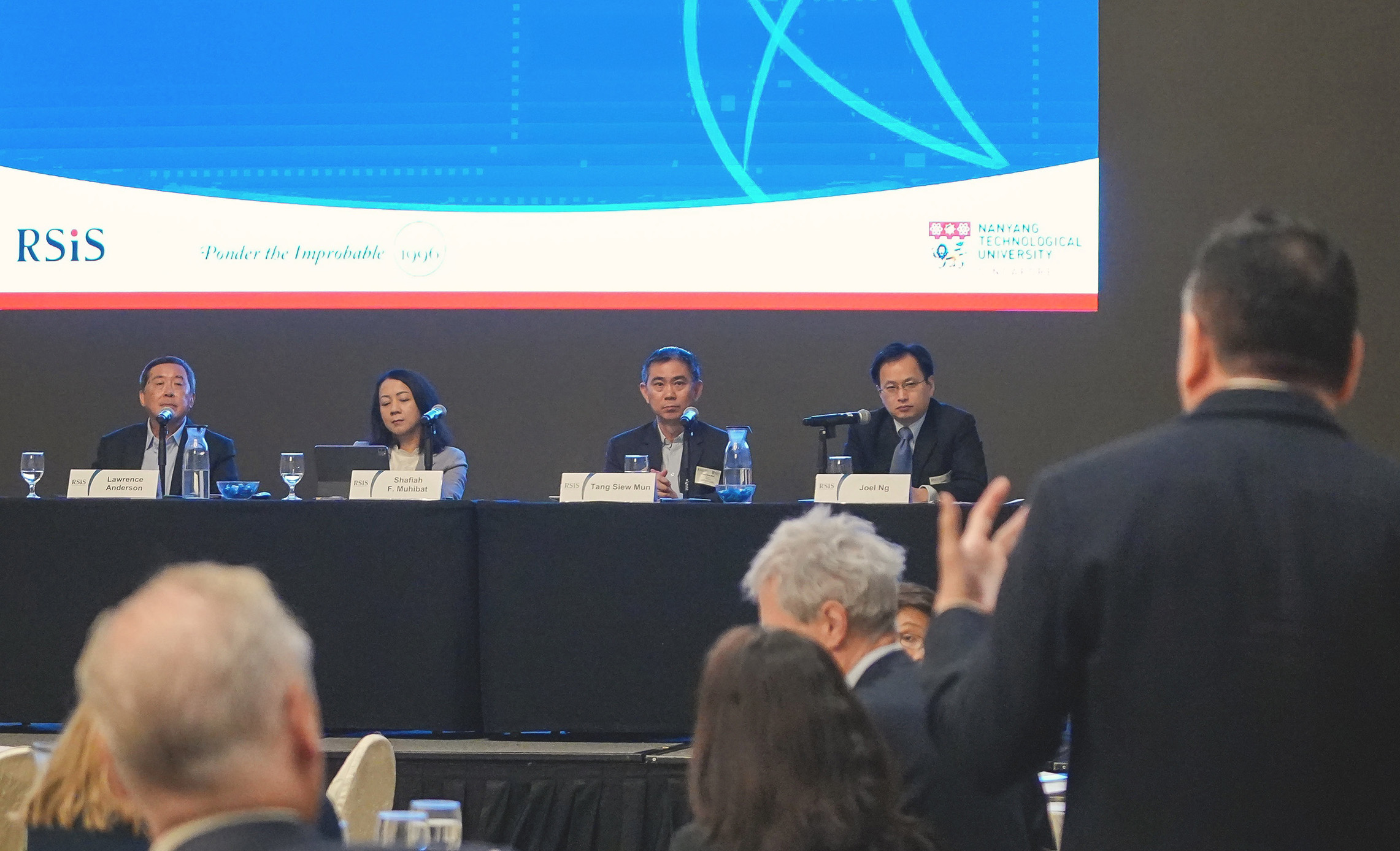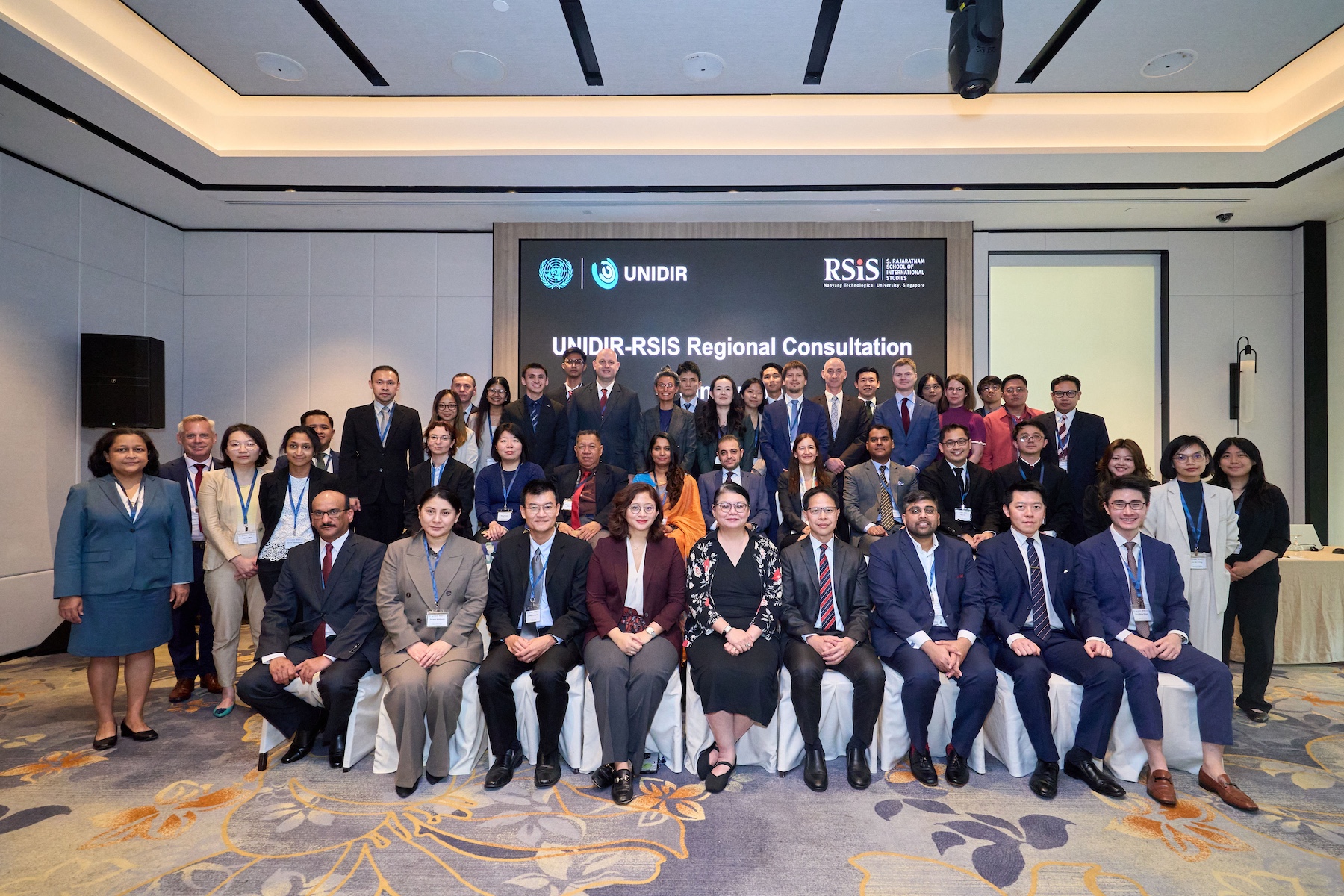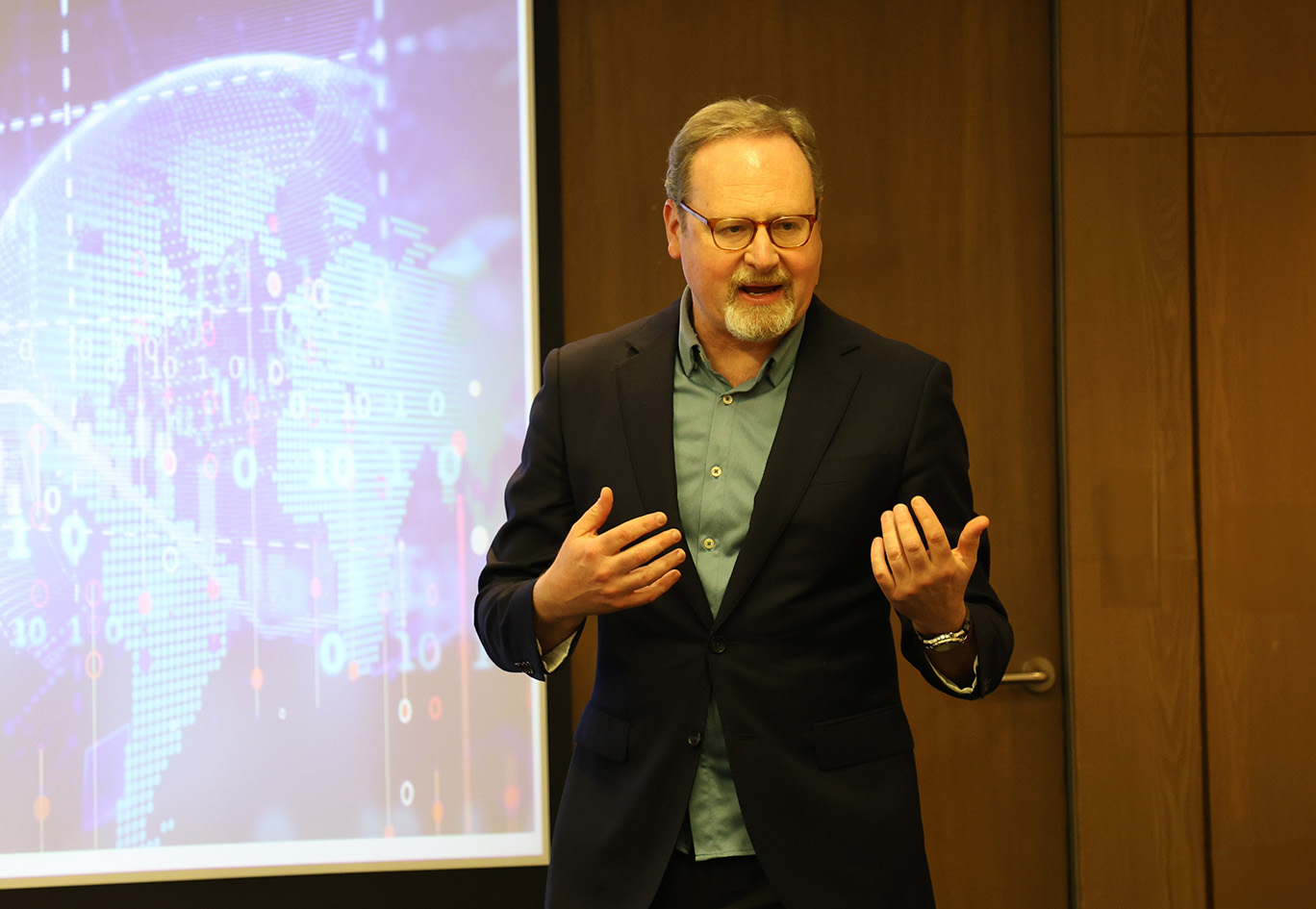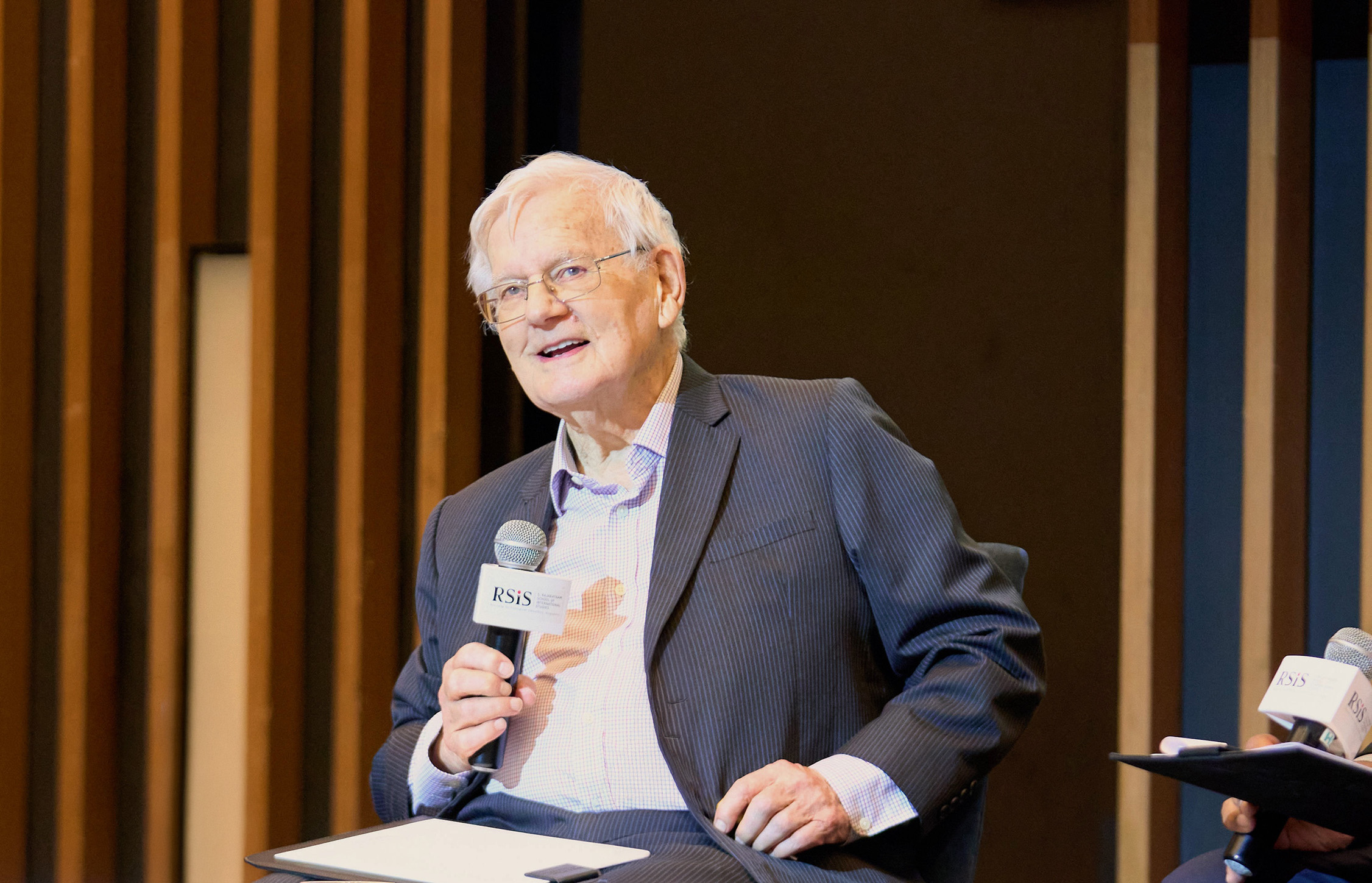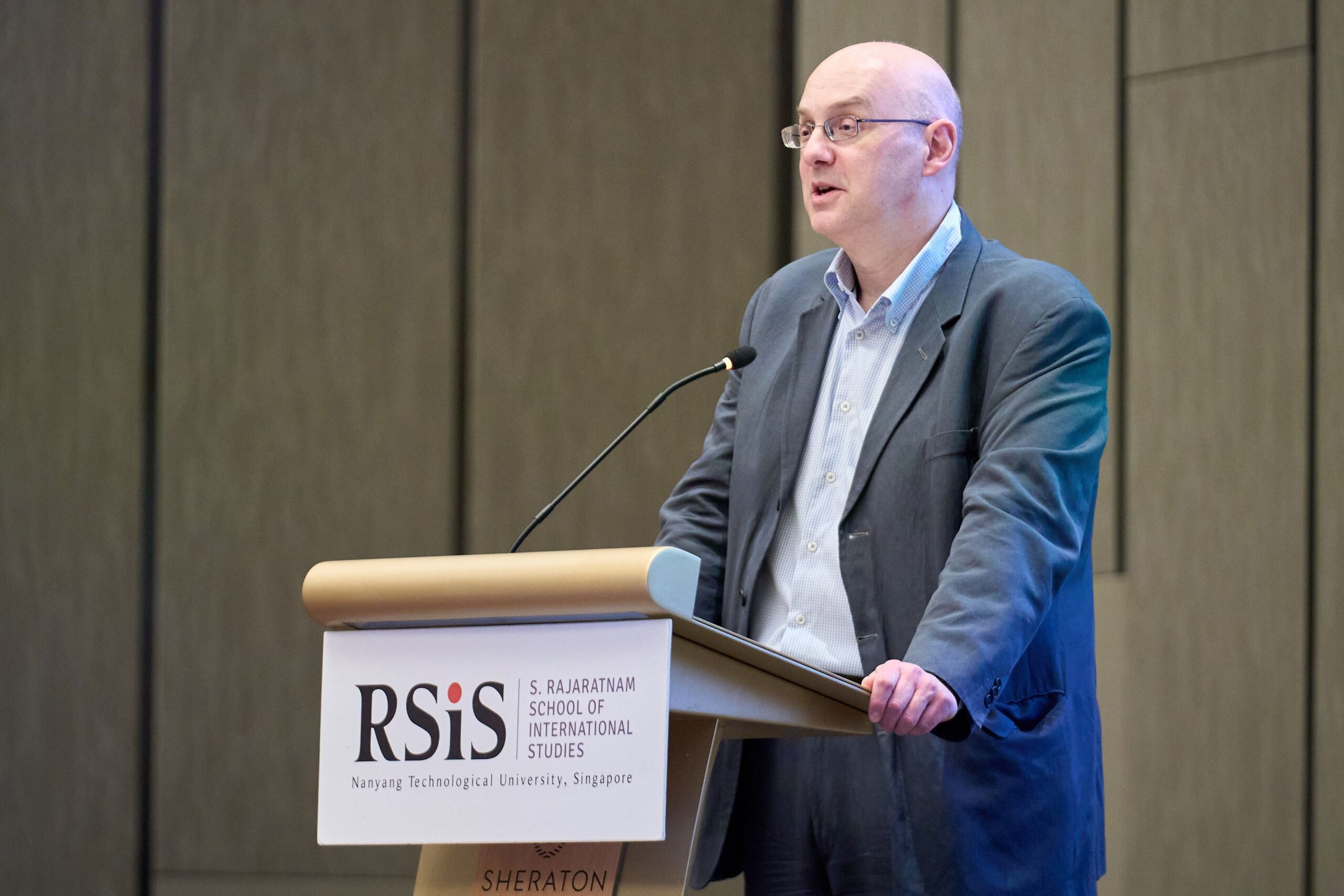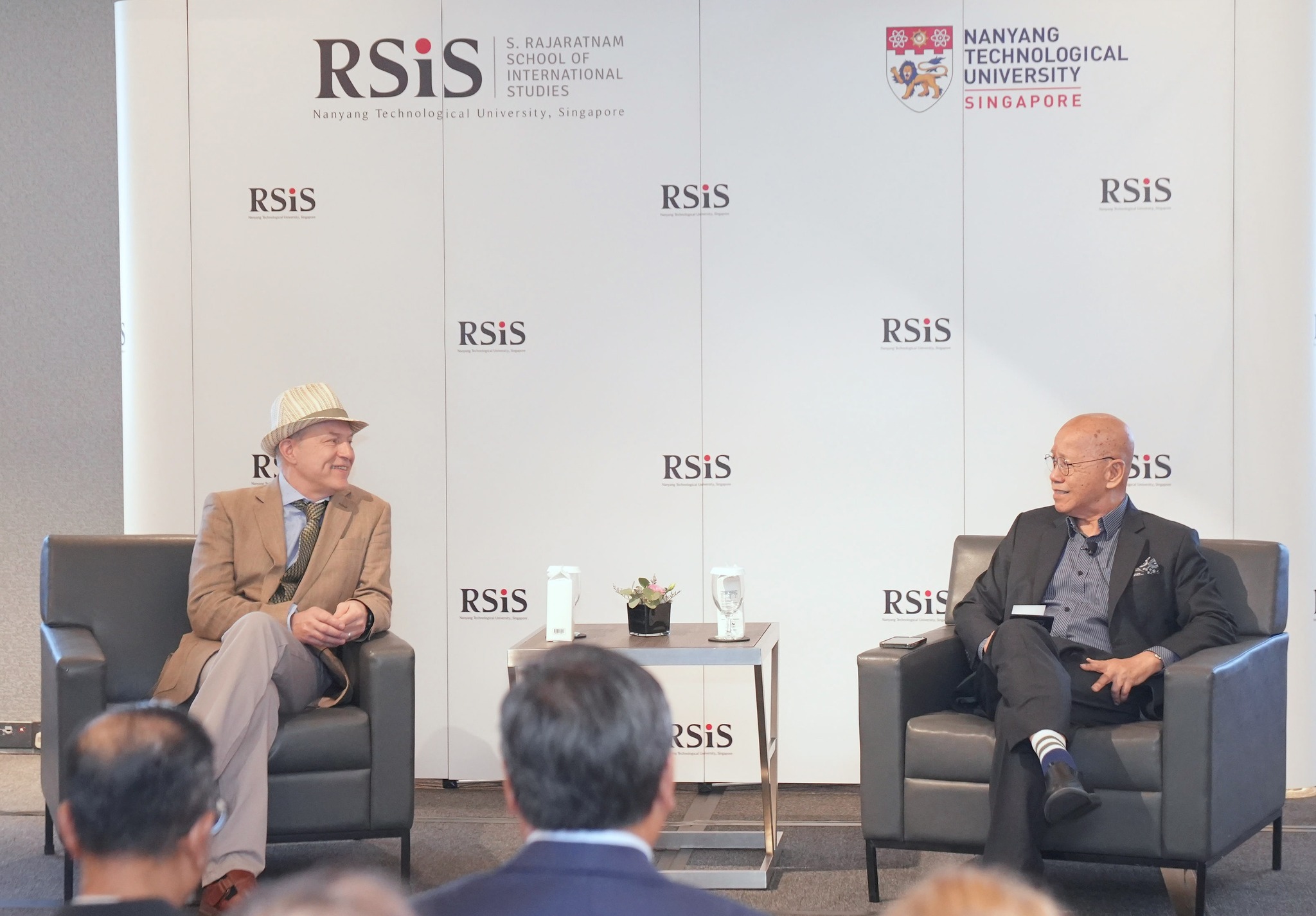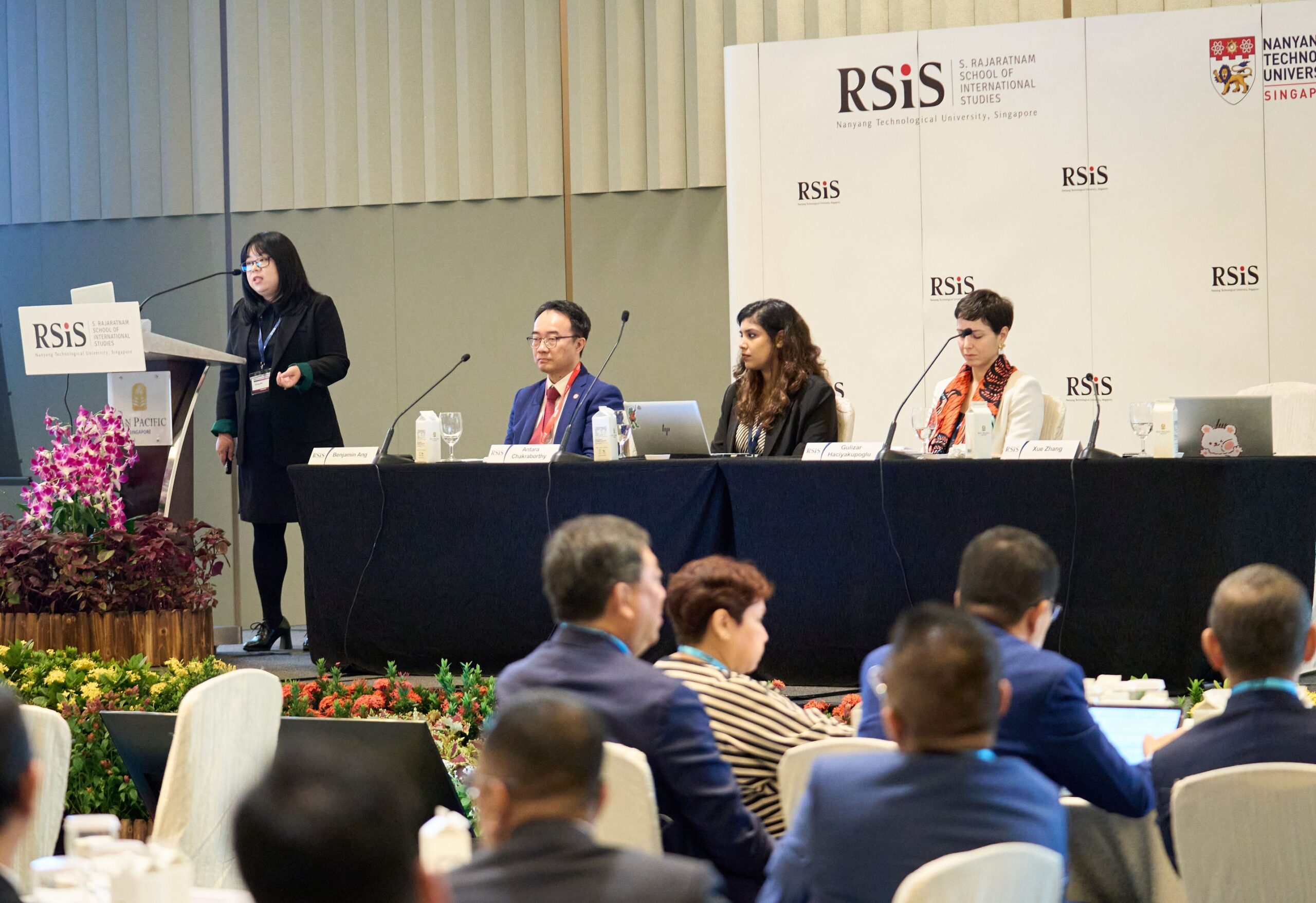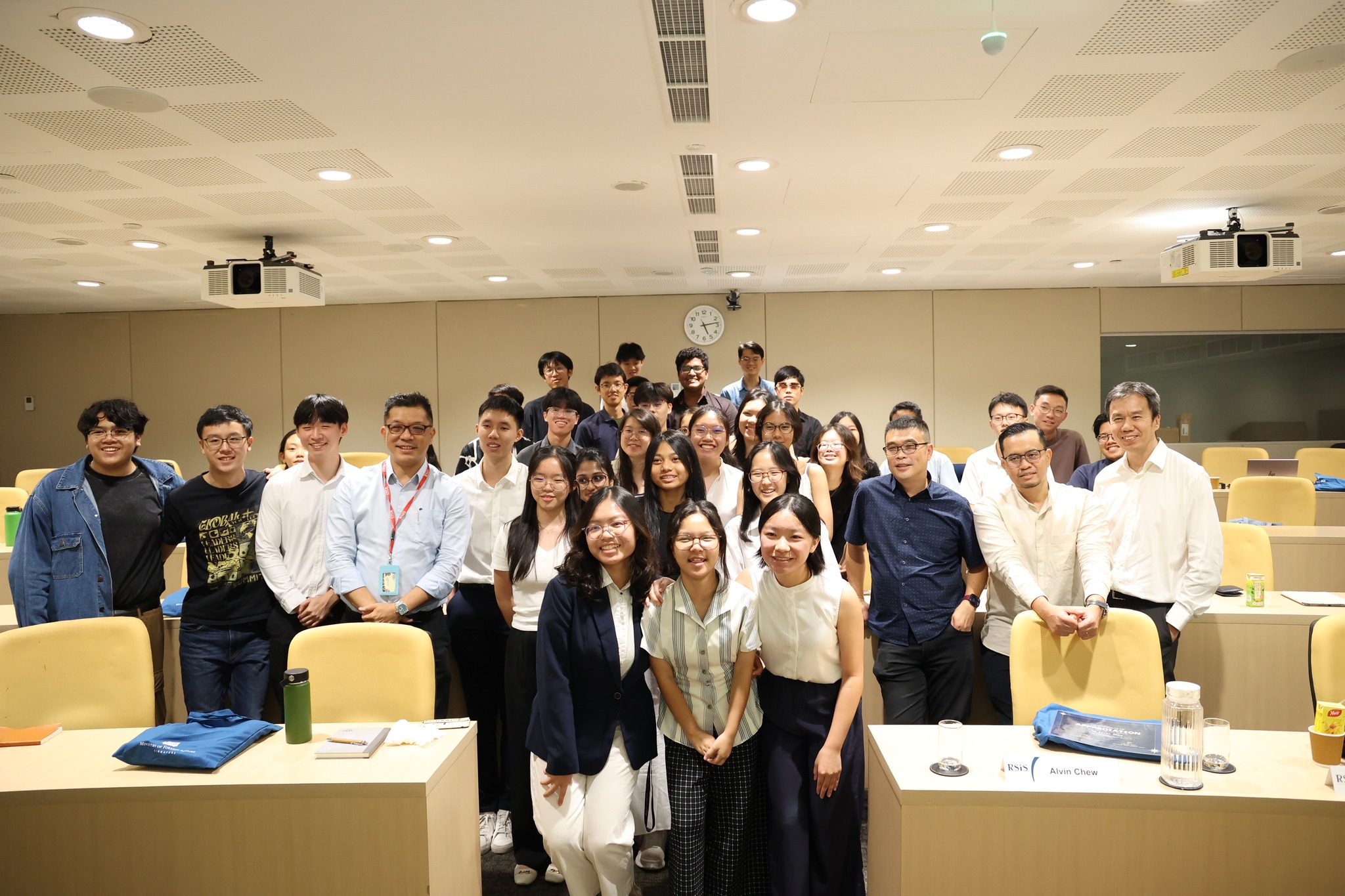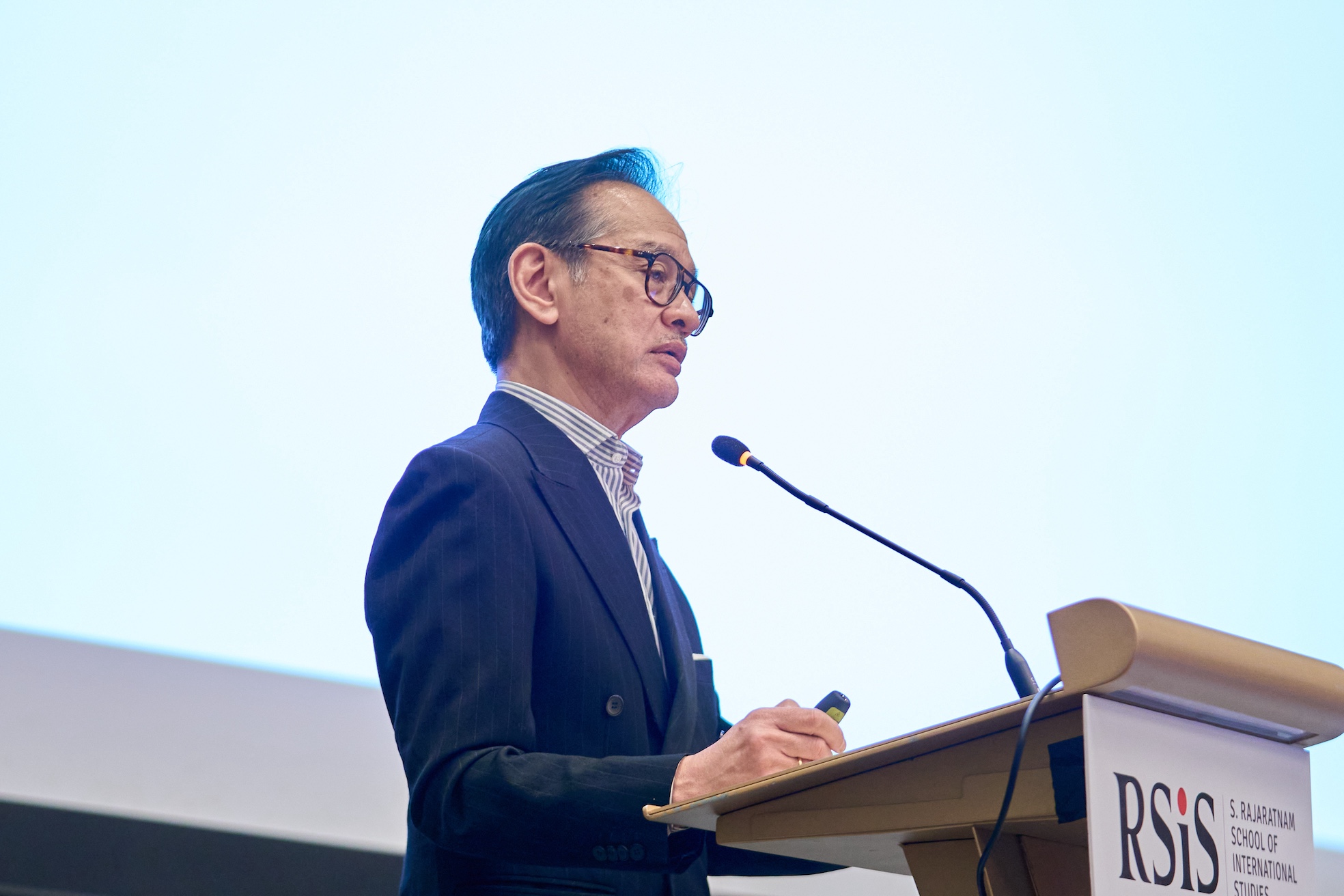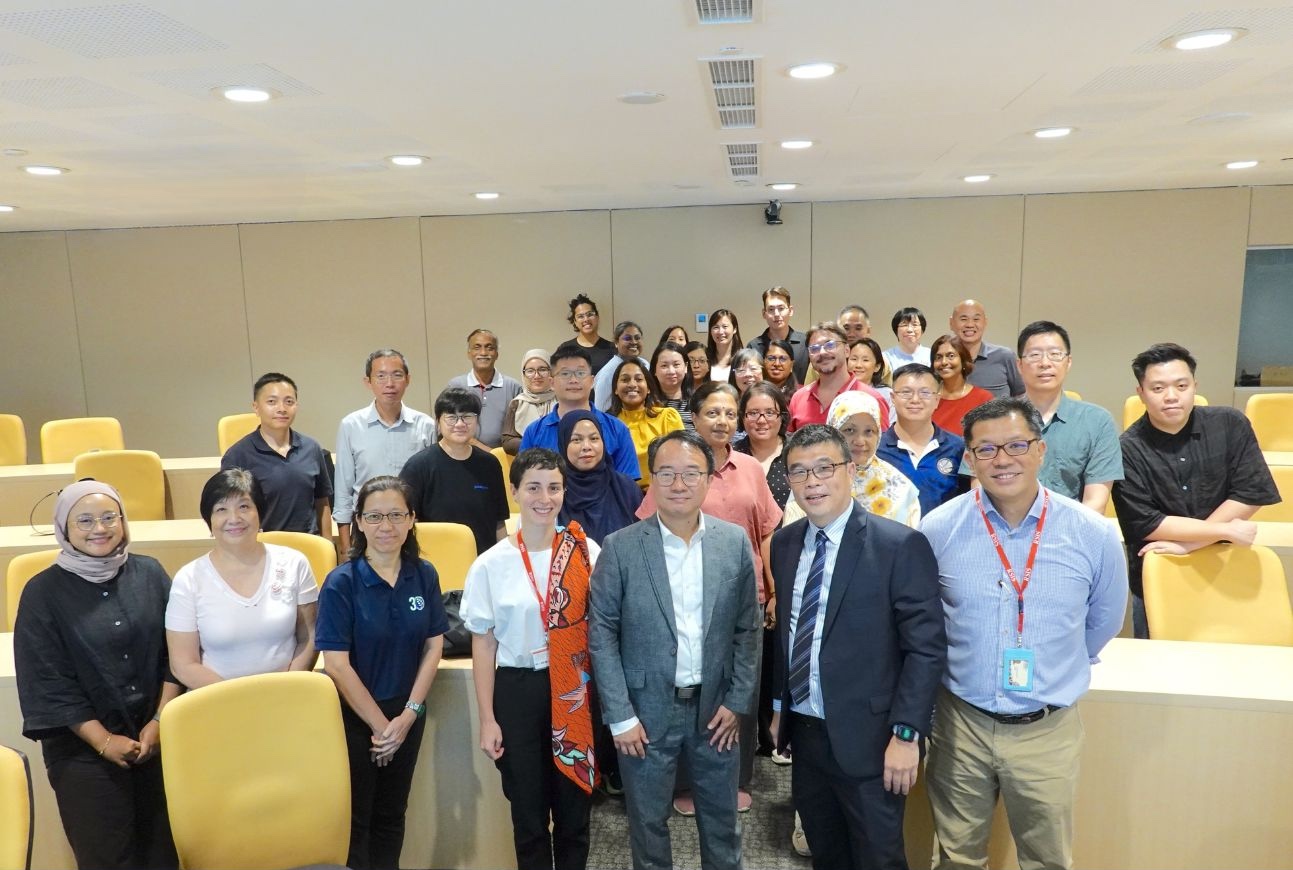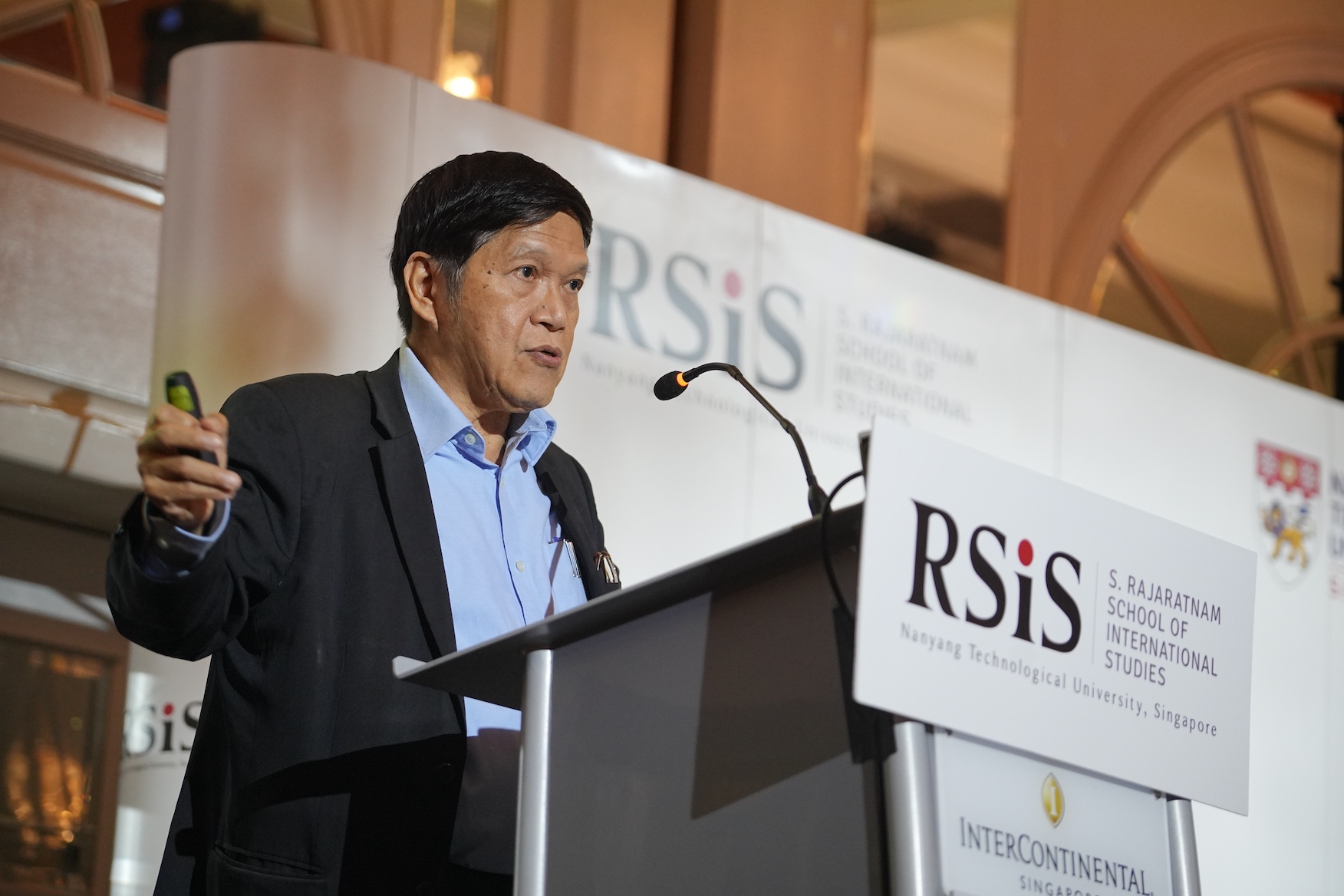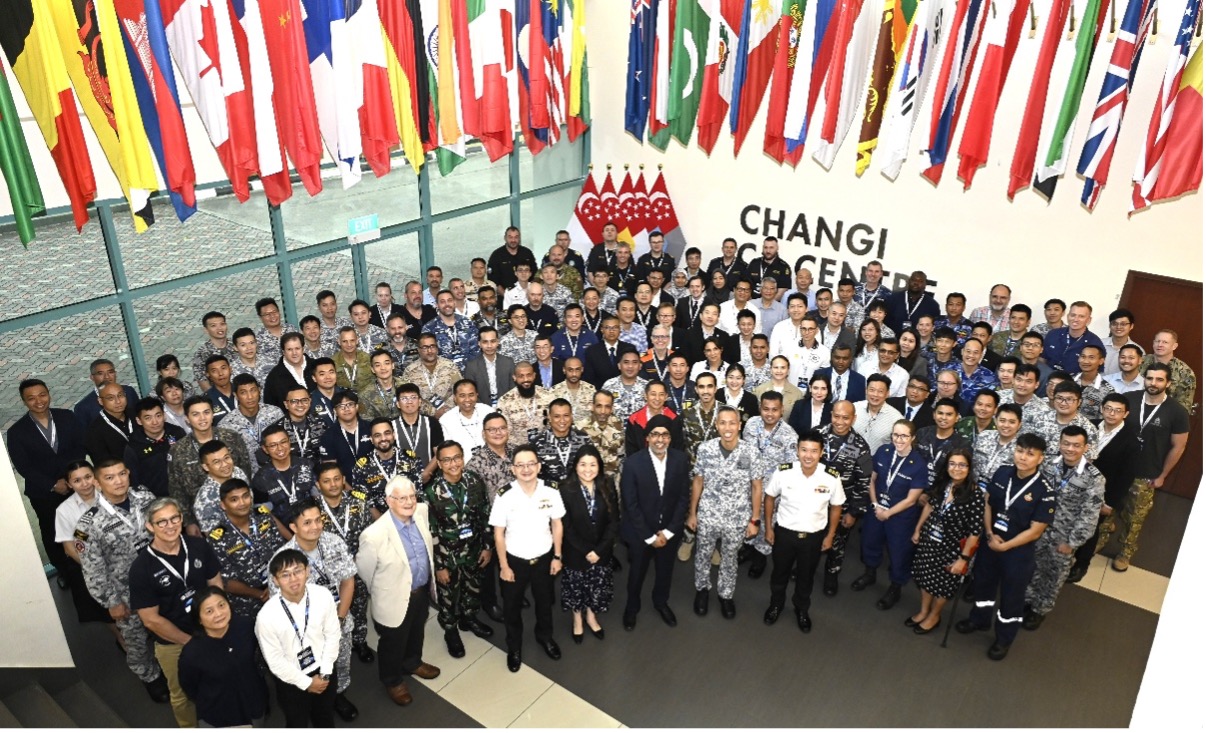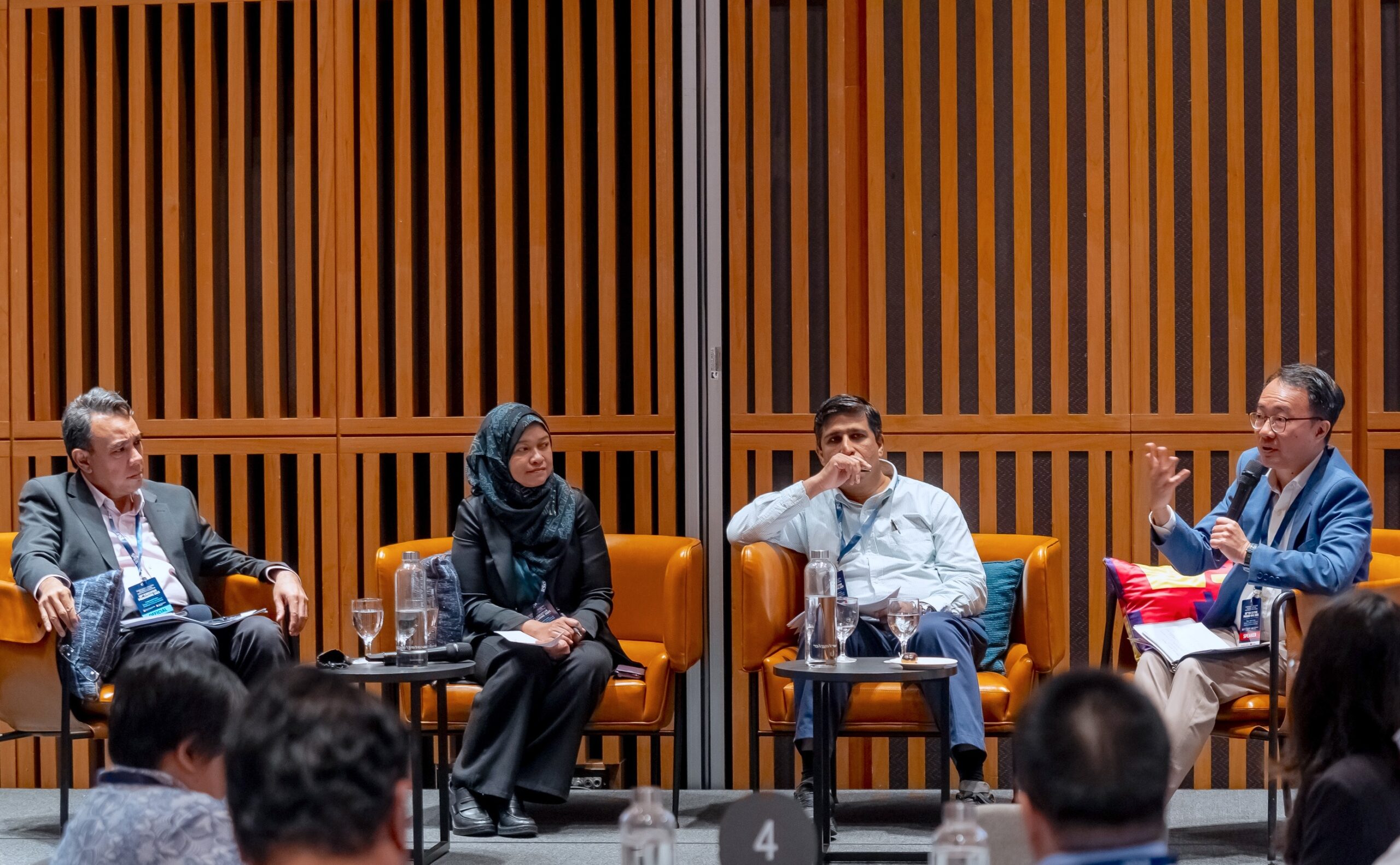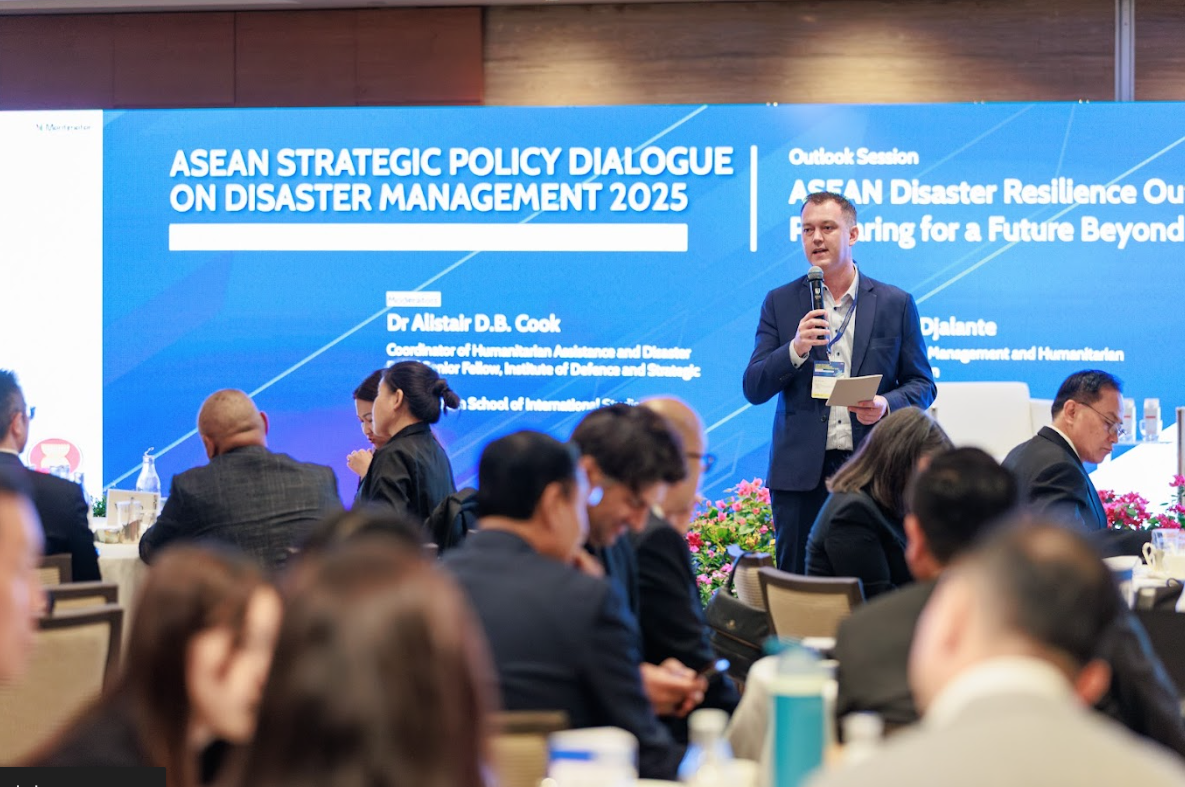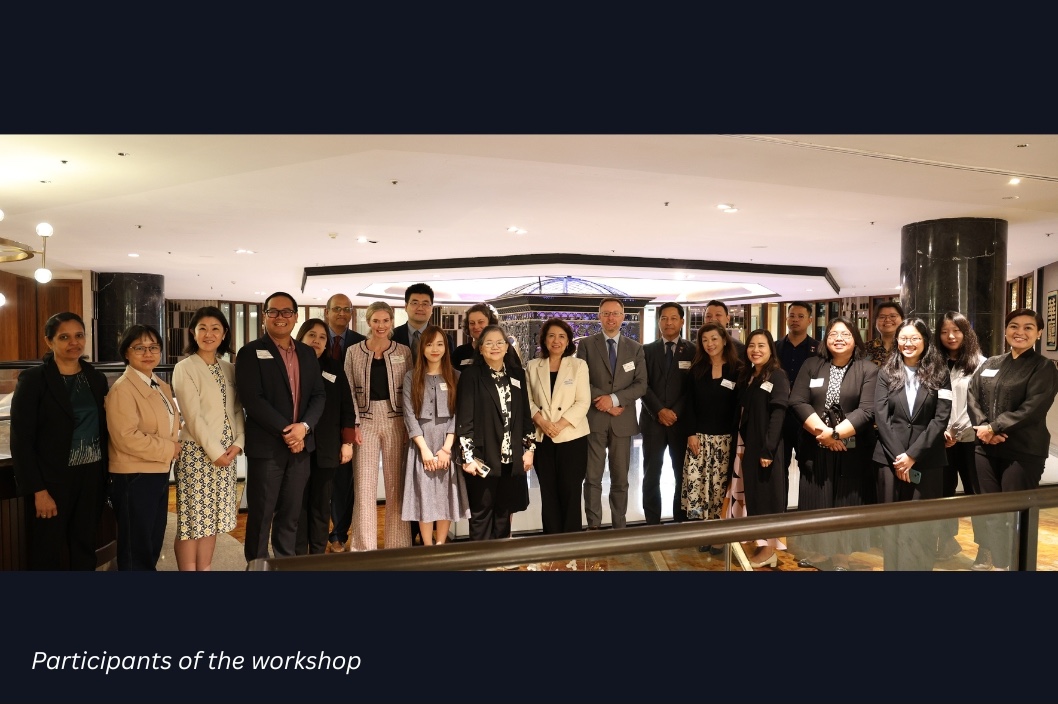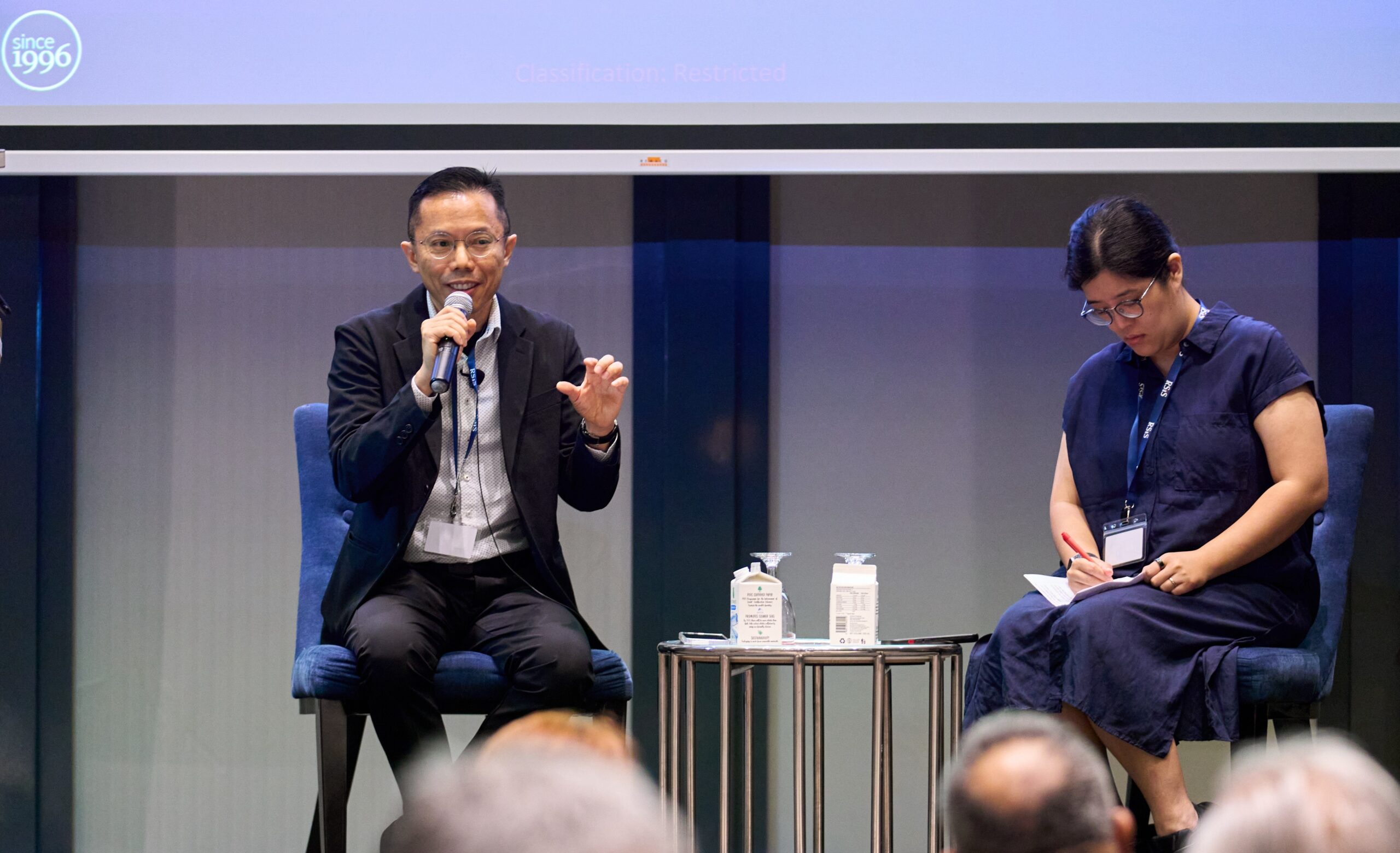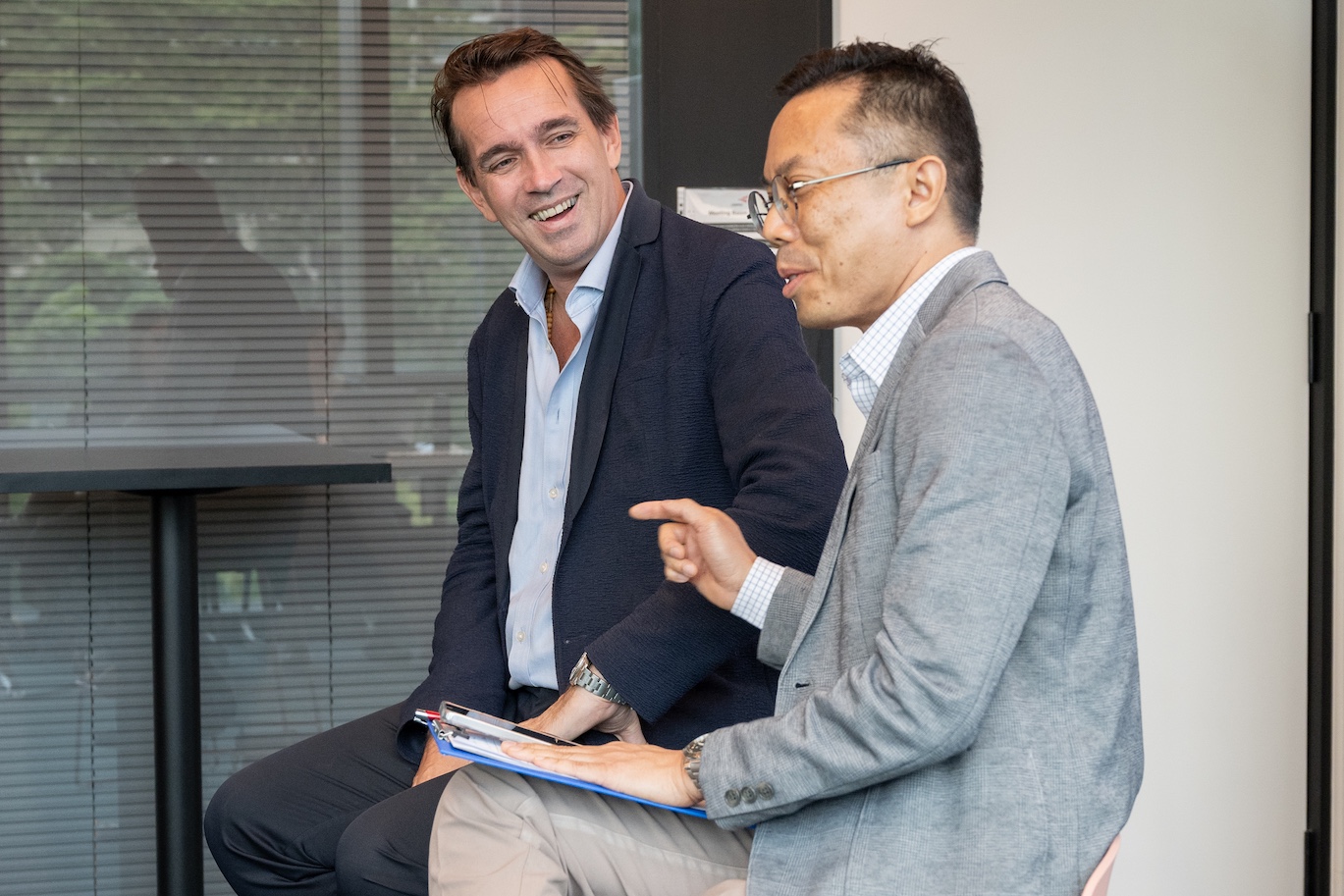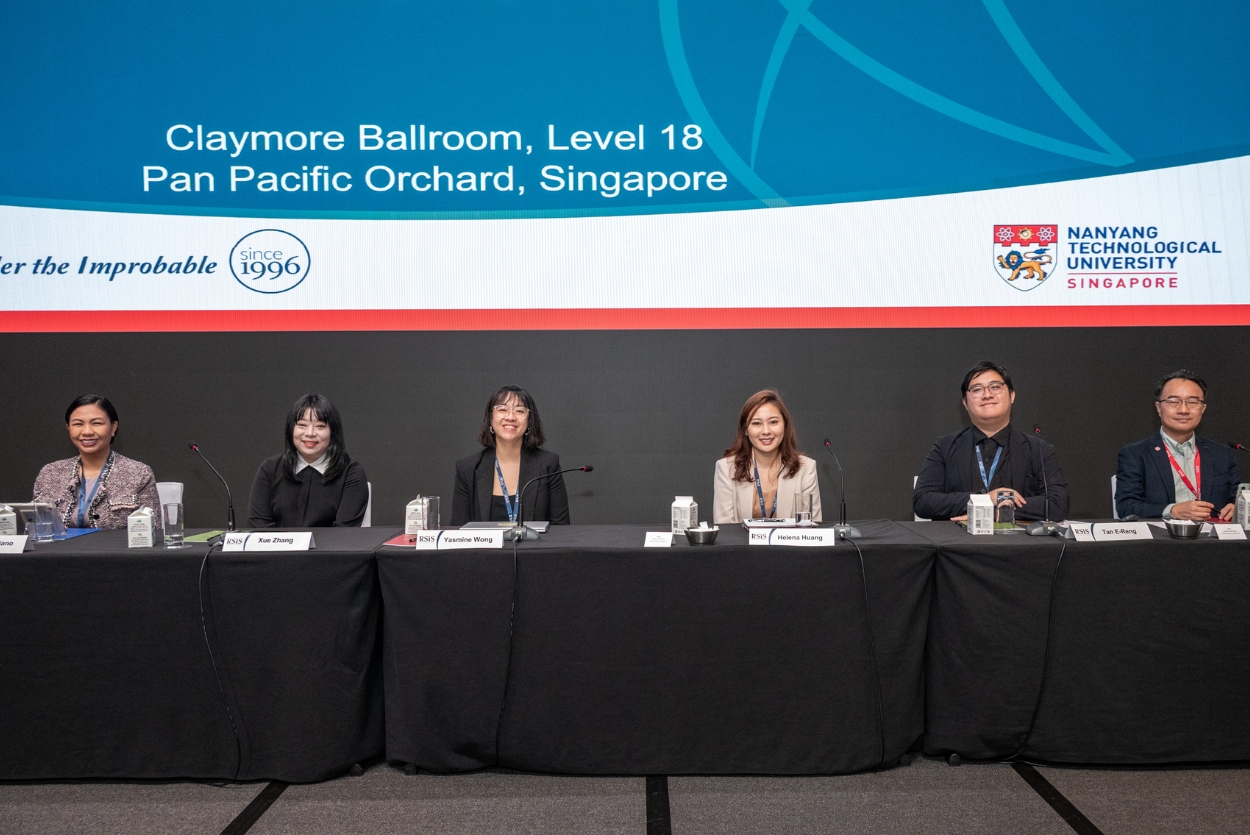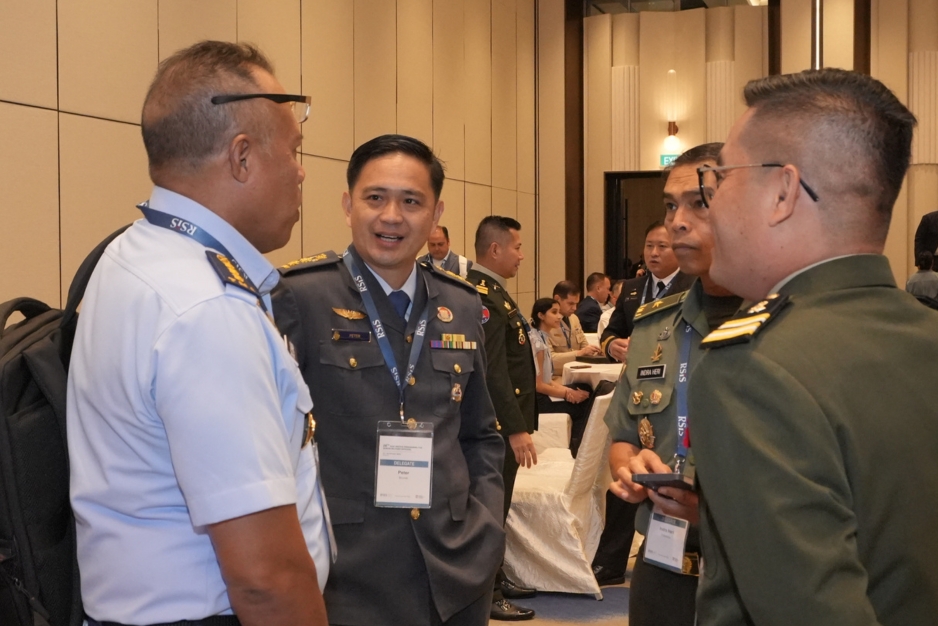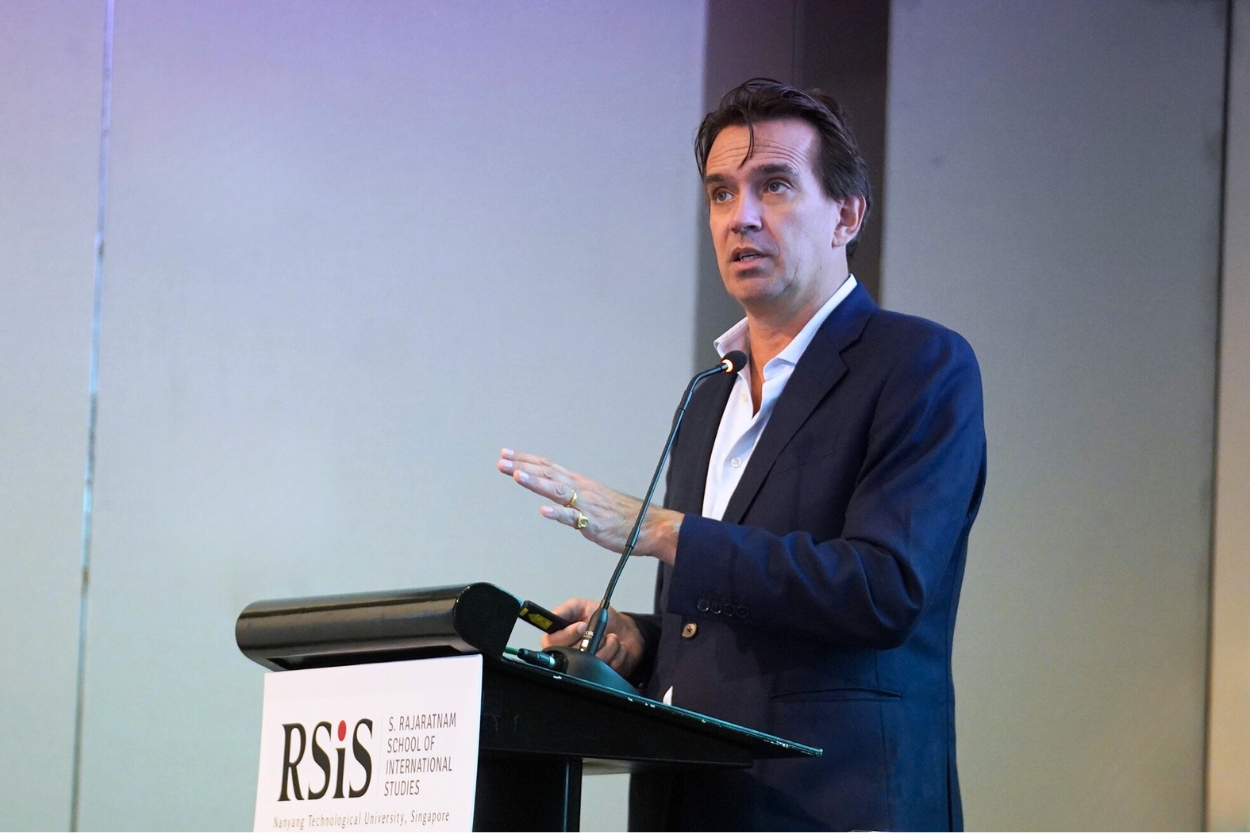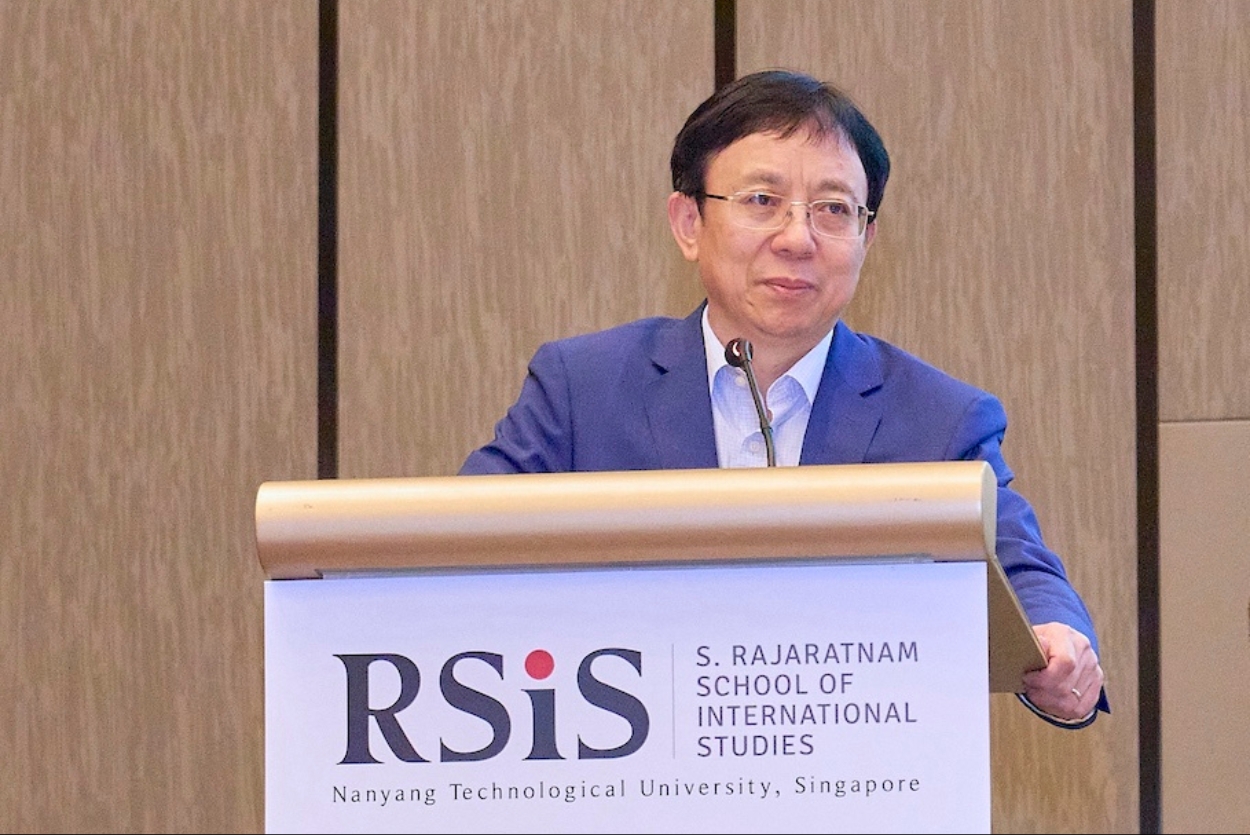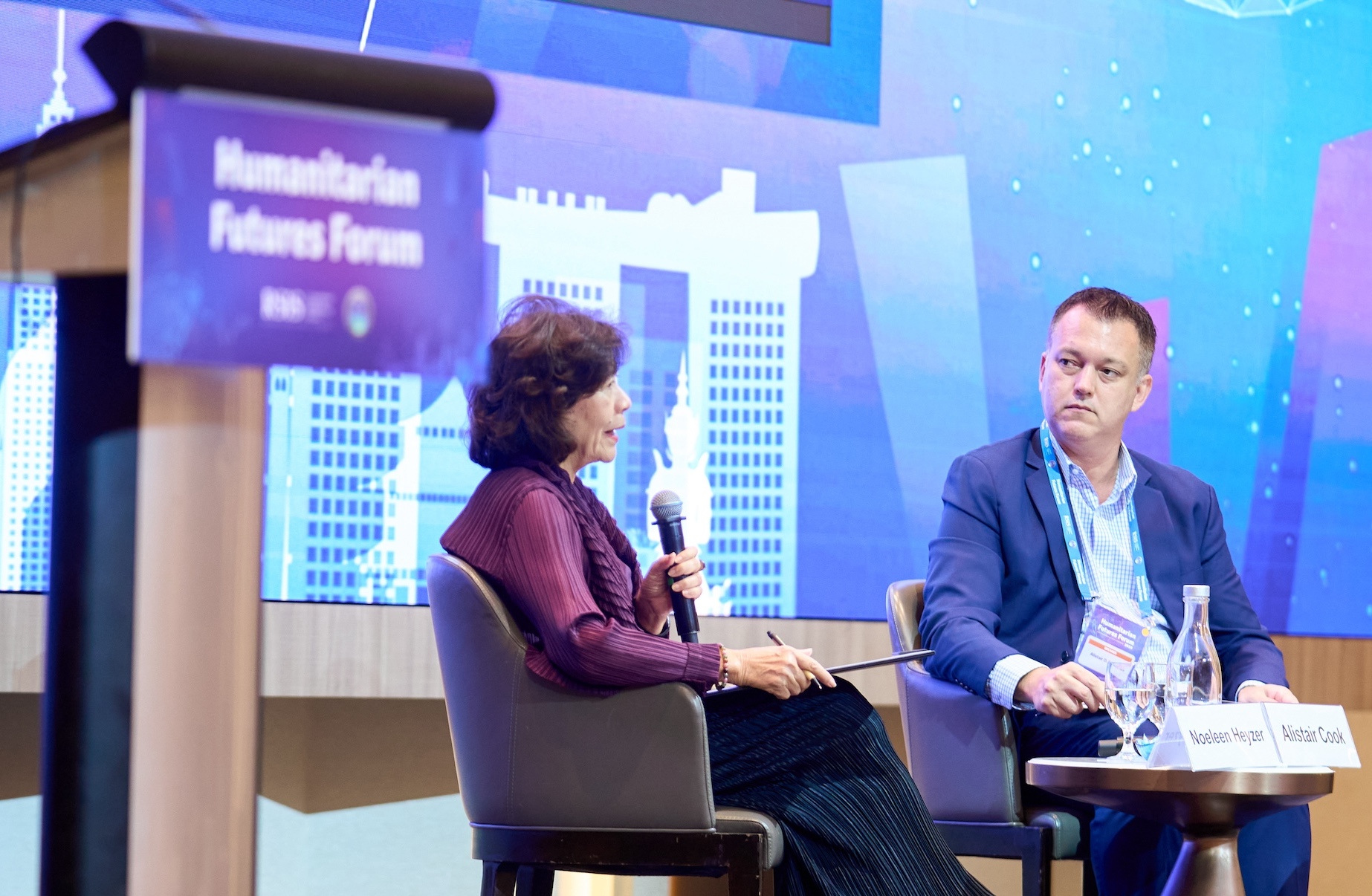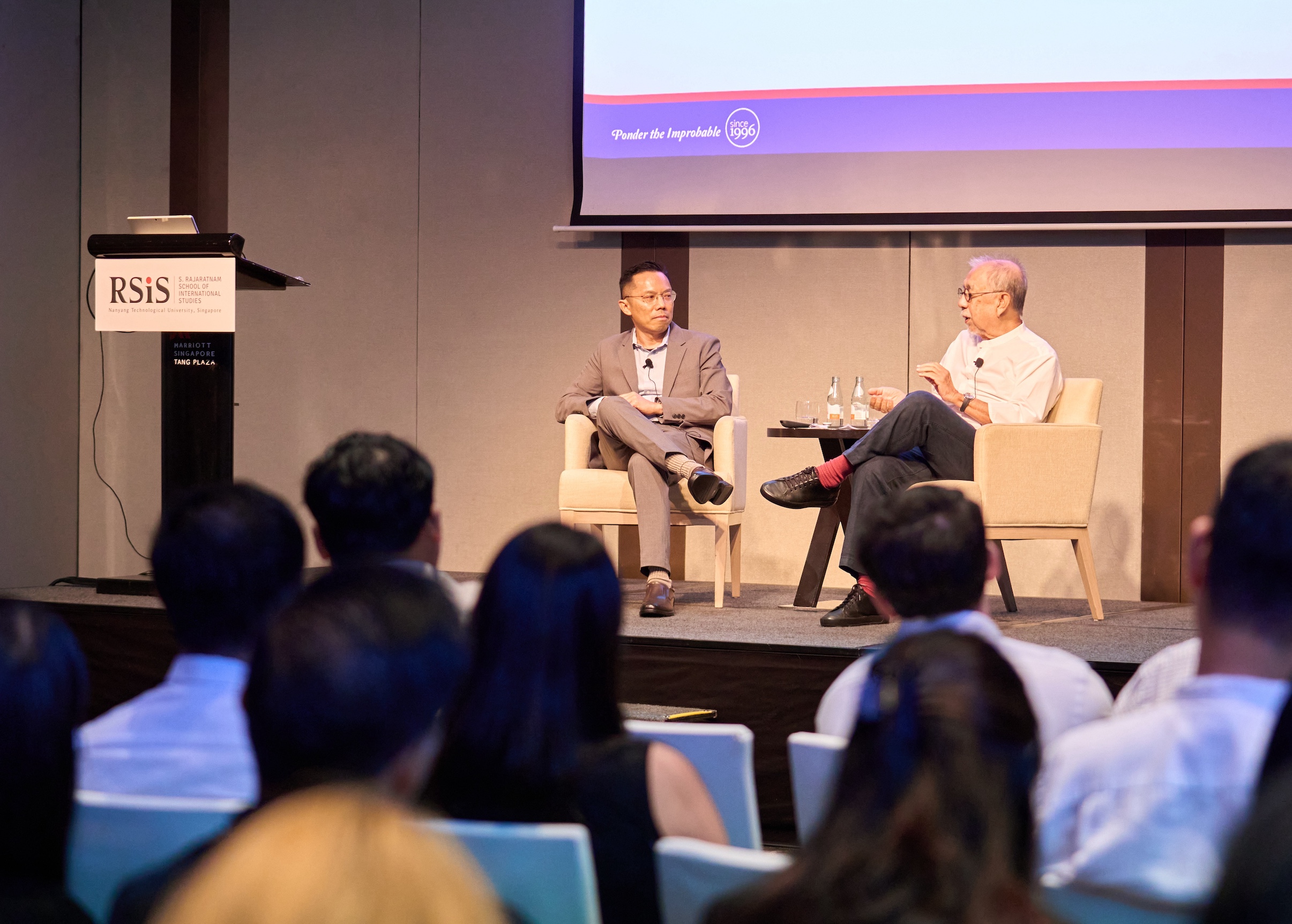



On 19 November, the Centre for Non-Traditional Security Studies (NTS) held an RSIS Seminar on “The Future of Energy Transition in Southeast Asia”. The seminar was attended by academics, delegates, diplomats, industry representatives, and participants from various ministries and institutions in Singapore.
The aim of the seminar was to bring together discussion of research initiatives that examines the complexity of the future of energy transition in the region. Southeast Asia continues to be one of the fastest growing regions in the world, and demand for energy has also risen, growing by 22 percent between 2015 and 2021. ASEAN had set a target of 35% renewable energy share in installed capacity by 2025. The region stands at a pivotal movement in its energy transition trajectory, needing to ensure energy security while advancing sustainable, low-carbon solutions. The region is looking to expand its renewable energy ambitions, including the prospect of building nuclear power plants in the region. This has implications on resources, human capacity, public acceptance and the politics surrounding the choice of energy sources.
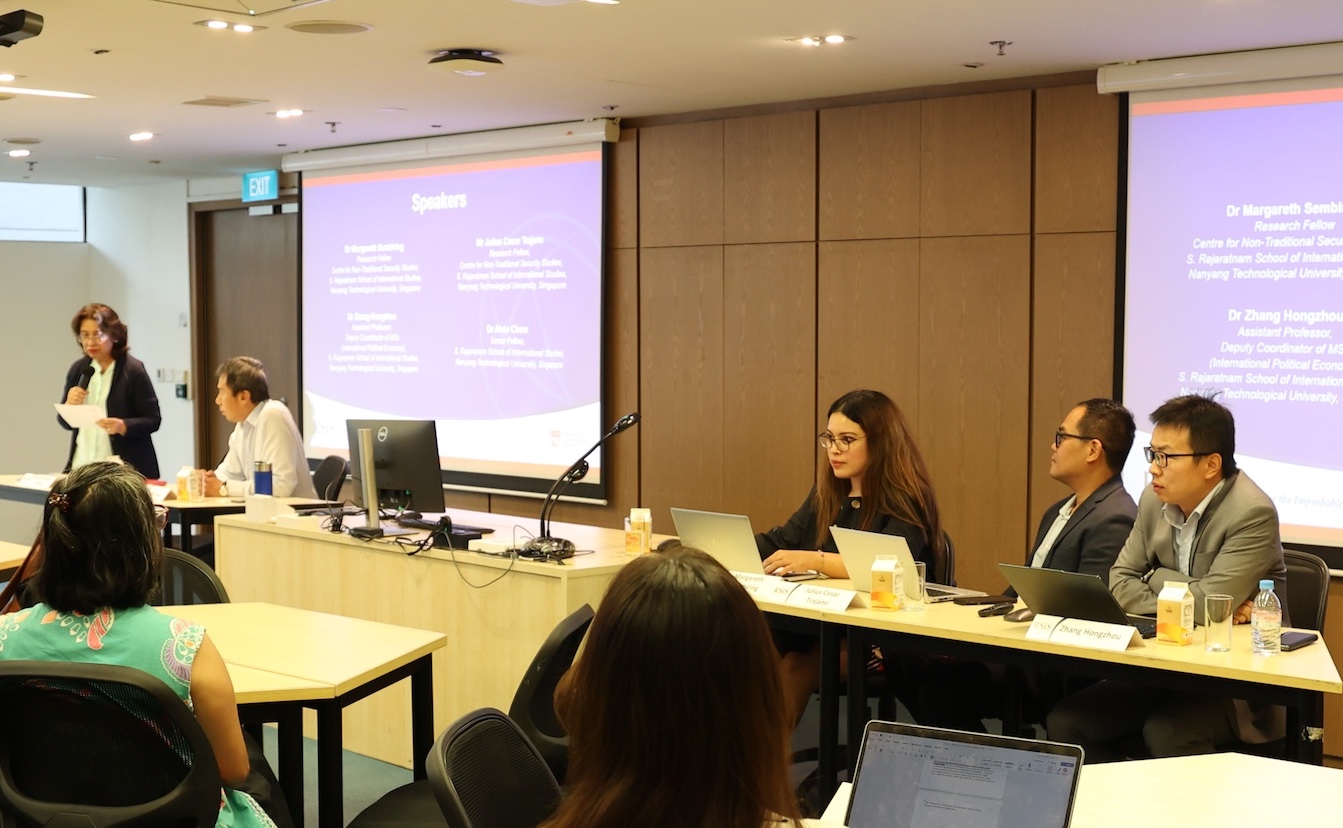
The seminar began with Professor Mely Caballero-Anthony delivering the opening remarks and with an introduction of the four members of the energy cluster at RSIS: Dr Margareth Sembiring, Research Fellow, NTS, who has research expertise in the energy transition, climate change and the environment. Dr Zhang Hongzhou, Assistant Professor, Deputy Coordinator of MSc (International Political Economy), has published extensively on China’s water and food security, resource conflicts and environmental governance. Mr Julius Cesar Trajano, Research Fellow, NTS, is a member of the Nuclear Energy Experts Group of the Council for Security Cooperation in the Asia-Pacific, with research expertise in energy security, particularly on nuclear energy governance. Dr Alvin Chew, Senior Fellow, who specialises in nuclear governance and architecture, nuclear energy developments and reactor technology, nuclear security and non-proliferation and nuclear emergency response and crisis communications.
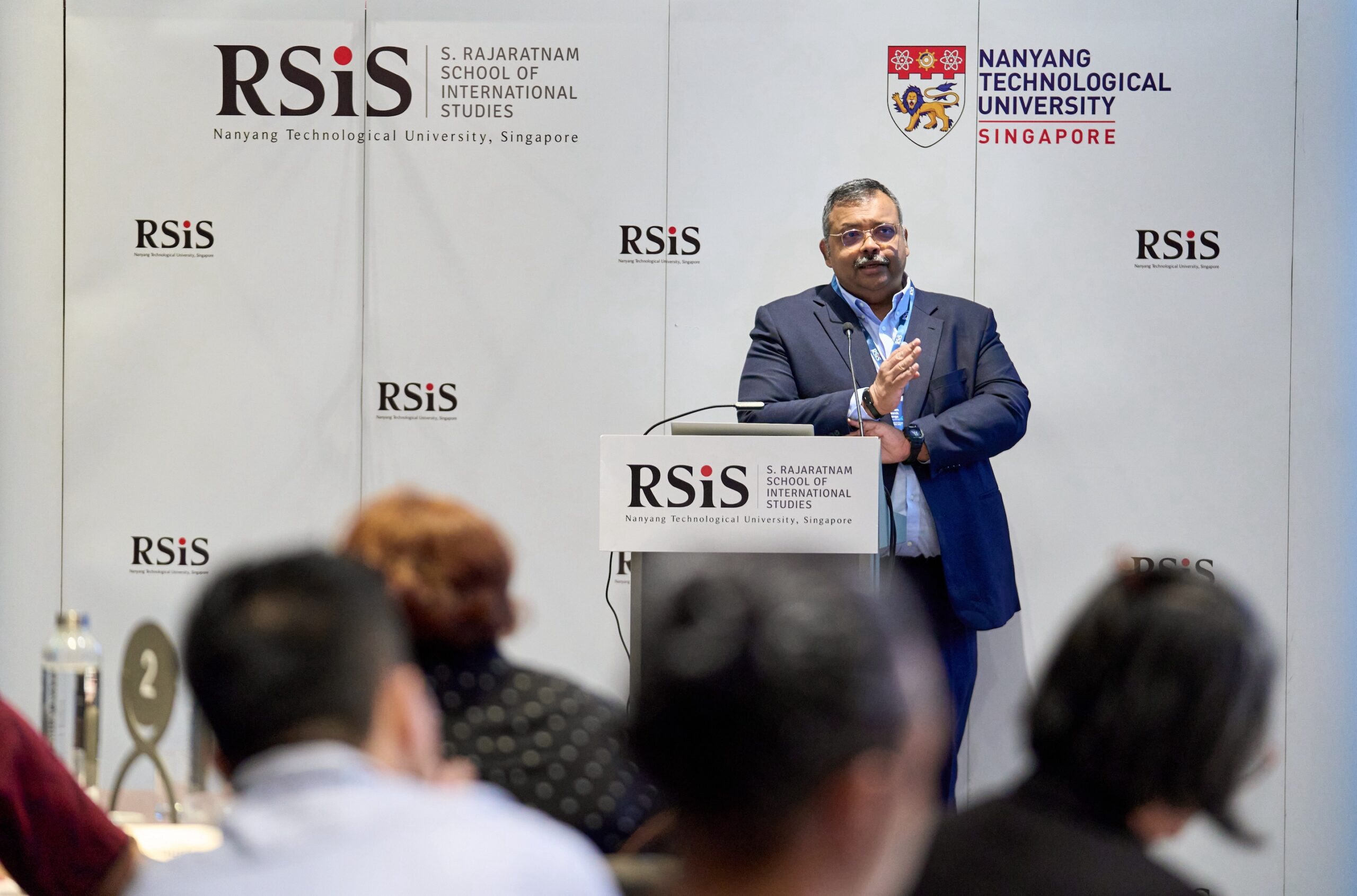
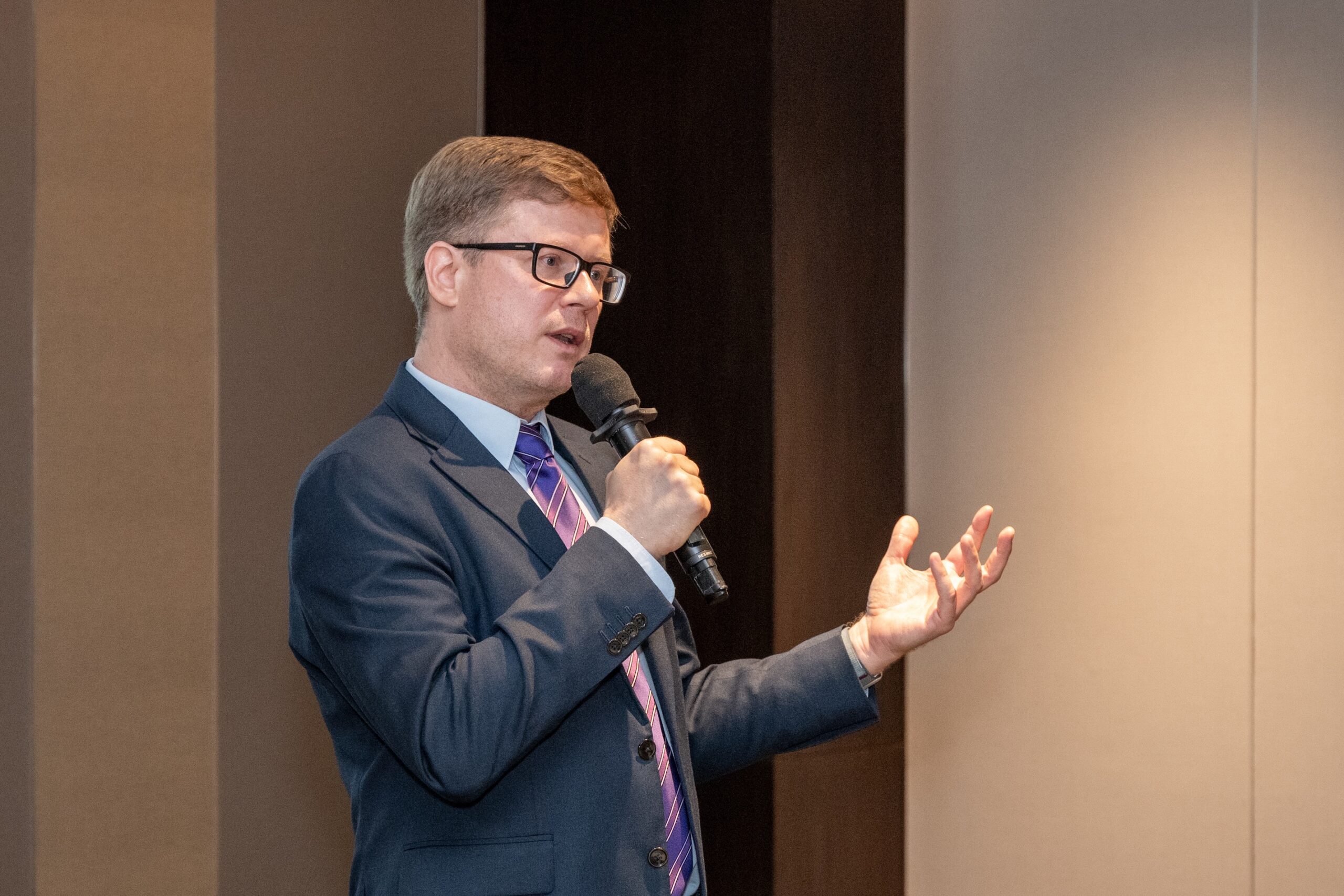
The panel discussions followed with Dr Sembiring’s, presentation on the just and inclusive principles in energy transition, and on structural injustices and local opposition toward renewable energy projects by affected indigenous communities. Dr Zhang then spoke on hydro politics in the Mekong River Basin, and the shift in China’s Mekong water policy since 2015, adopting a more developmental approach. Mr Trajano followed with a presentation on nuclear governance and outlined ASEAN countries’ nuclear power ambitions and preparedness. Dr Chew then rounded off the seminar with his presentation on the discussion of energy security and nuclear power in Singapore, possible applications of Small Modular Reactors (SMRs) and the value of information sharing and monitoring at the regional level.
All participants were engaged, and discussions were extended to the emerging risks in a rapidly changing global order with regard to capacity building and energy supply chains, public acceptance of nuclear power, environmental considerations and the preparedness of regulatory bodies and agencies to respond to nuclear emergencies. The seminar advanced the understanding of the diverse issues surrounding energy security in Southeast Asia.