


The idea of an “East Asia without the United States” was once unthinkable because the American economic and military presence in the region was so dominant and beneficial to many of its countries. But the US is no longer seen as a credible patron and bulwark, benevolent benefactor, and a beacon of democracy and human rights.
Intellectuals in East Asian countries have begun to question the virtue of America’s role in the area. Some of them argue that an East Asia without the US should not be equated with the end of region’s security or prosperity, while calling for a new security architecture, a common zone of prosperity, and a new space of cultural harmony. Creating such a community will be a daunting challenge, requiring new and imaginative thinking and leadership.
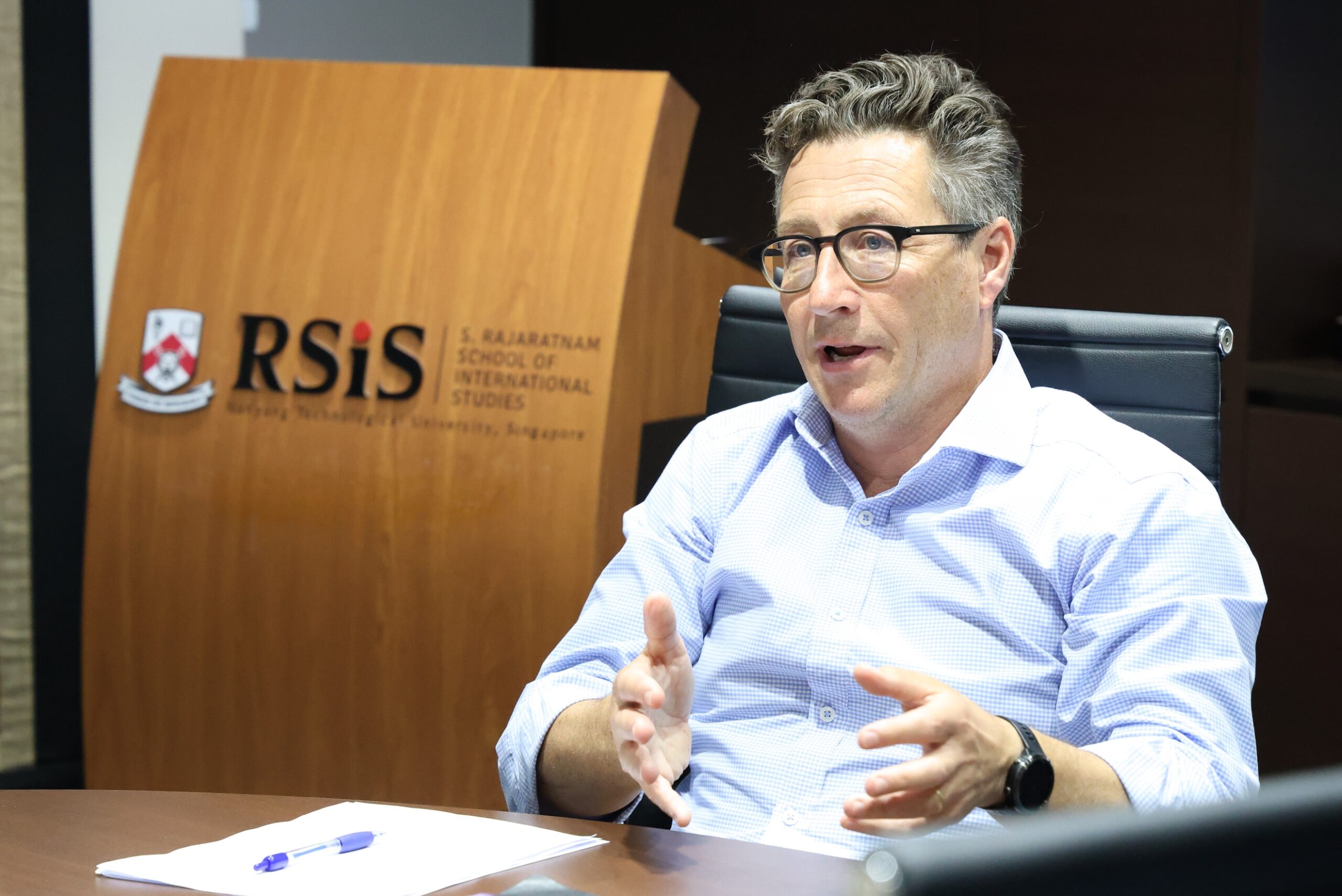
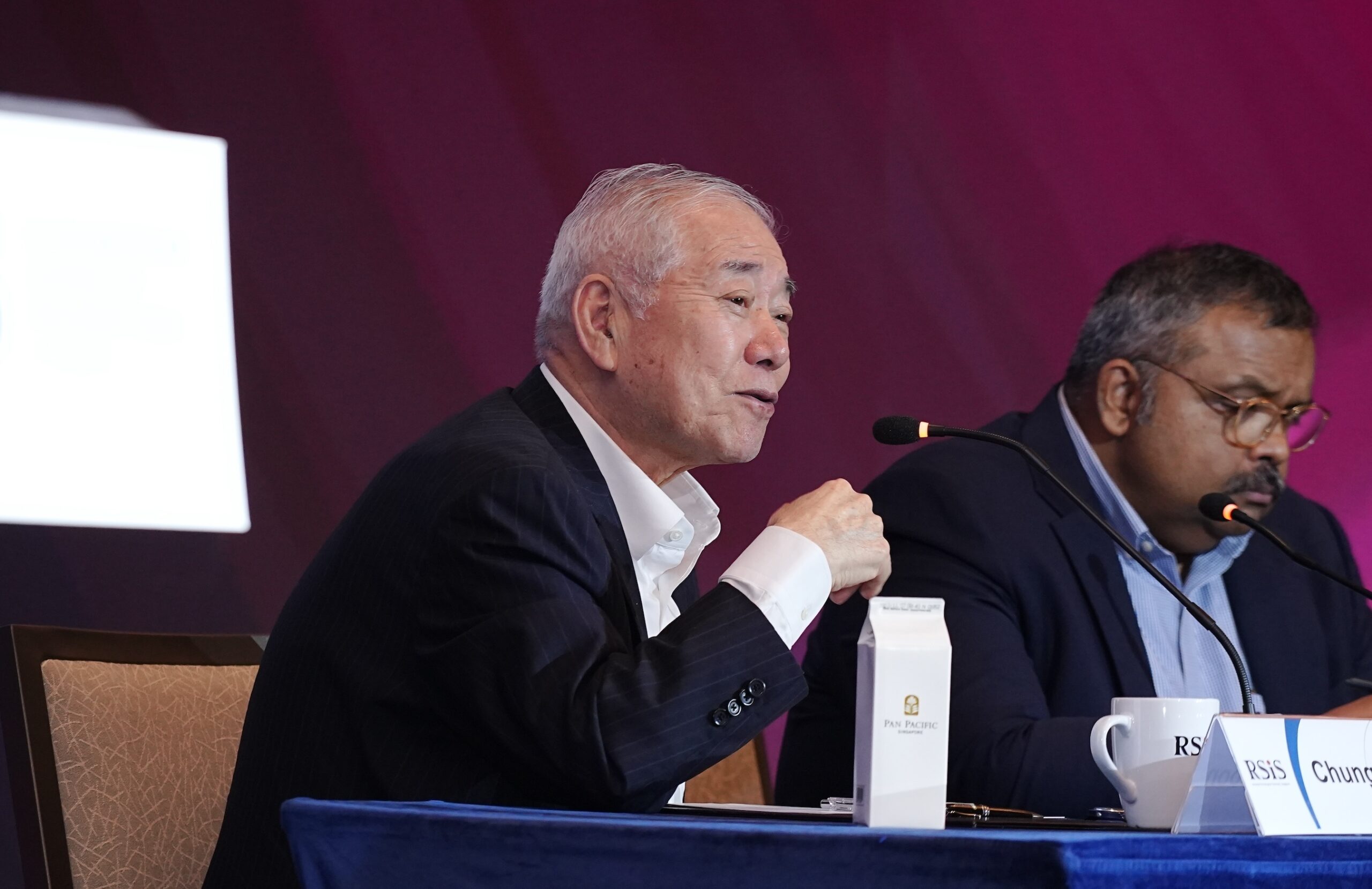
In this lecture, held on 12 March 2026, Professor Chung-In Moon, Global Neighbours fellow and James Laney Distinguished Professor at Yonsei University, who visited RSIS as the S.T. Lee Distinguished Speaker in March; examined the case of South Korea and drew comparative implications for other East Asian countries.
Watch the lecture here:
During his visit, Professor Moon also spoke on the In Conversation podcast where he explored North Korea’s evolving nuclear doctrine, South Korea’s security dilemma, and the role of the US alliance in maintaining stability in Northeast Asia. He also reflects on how diplomacy, deterrence, and regional cooperation could shape the peninsula’s security future.
Listen to the episode here: