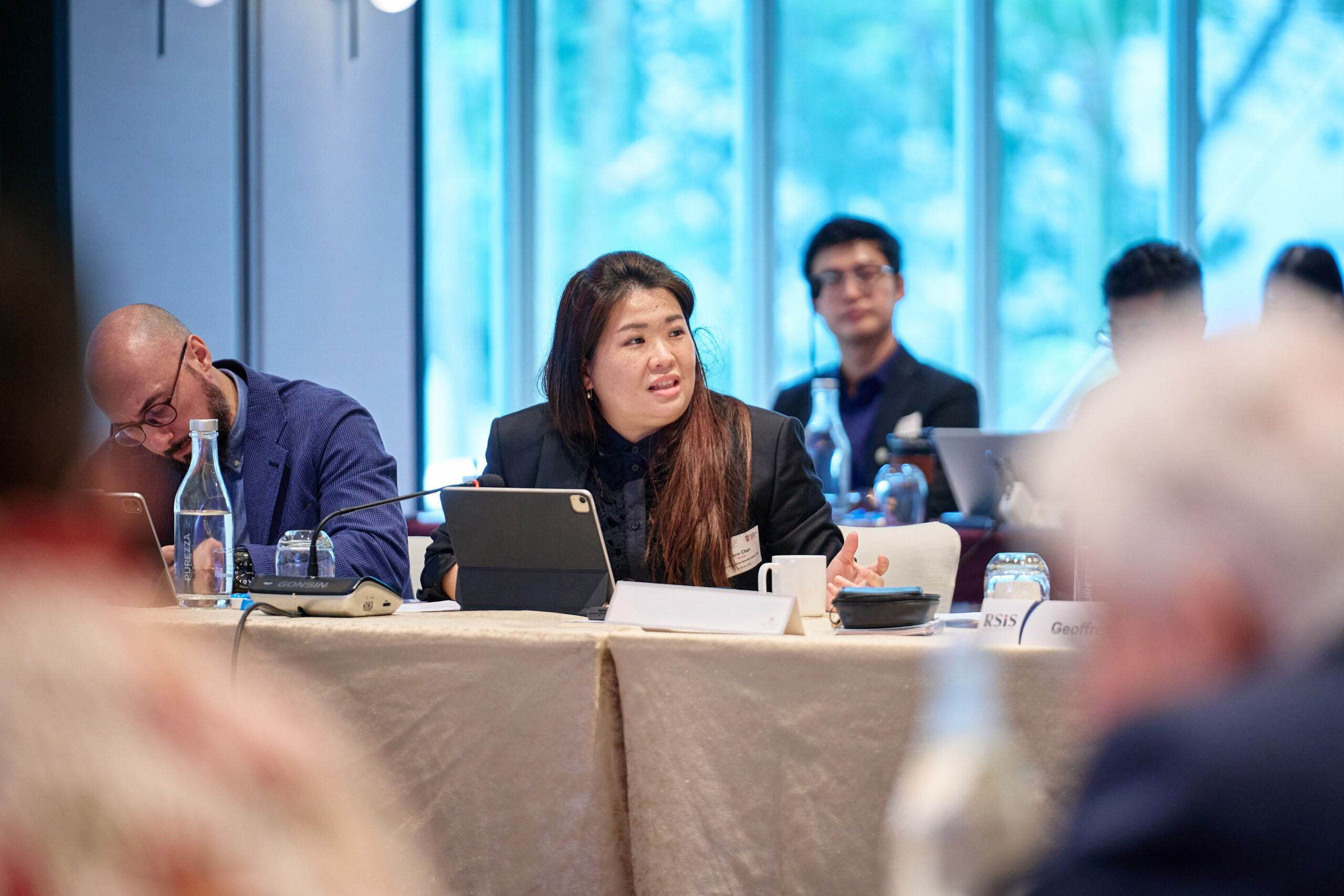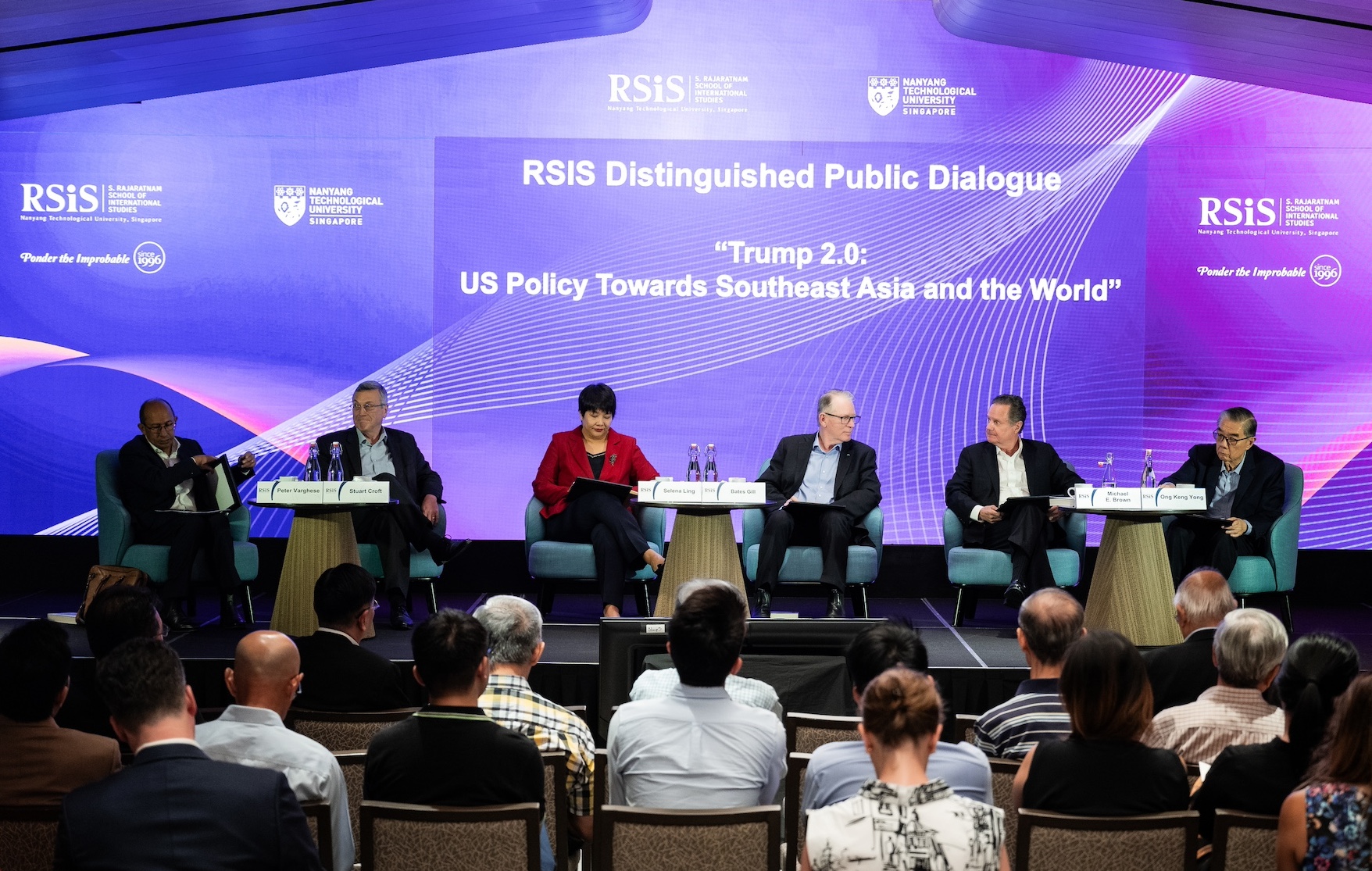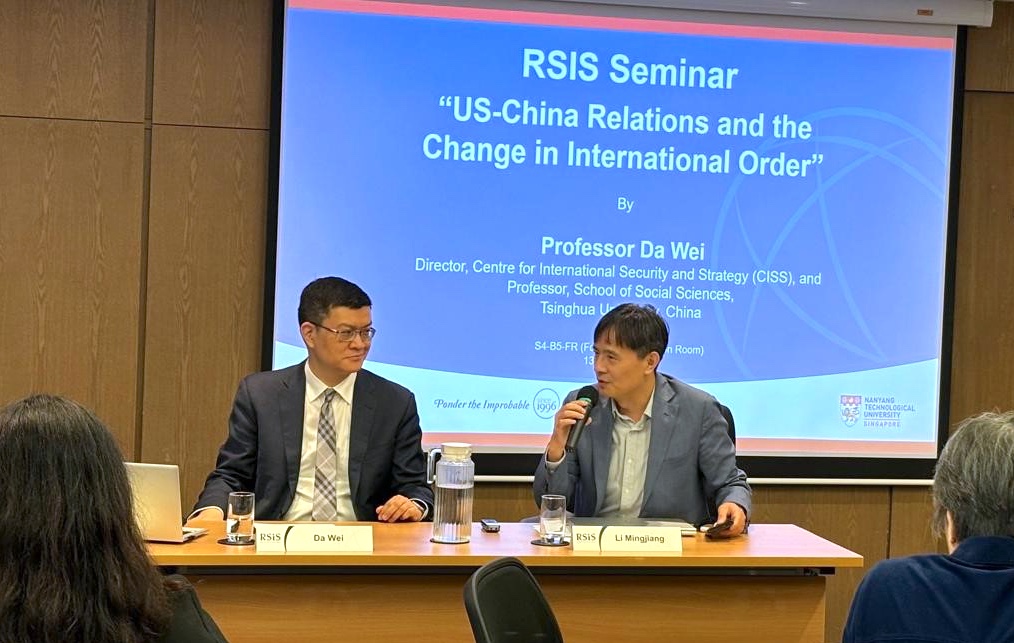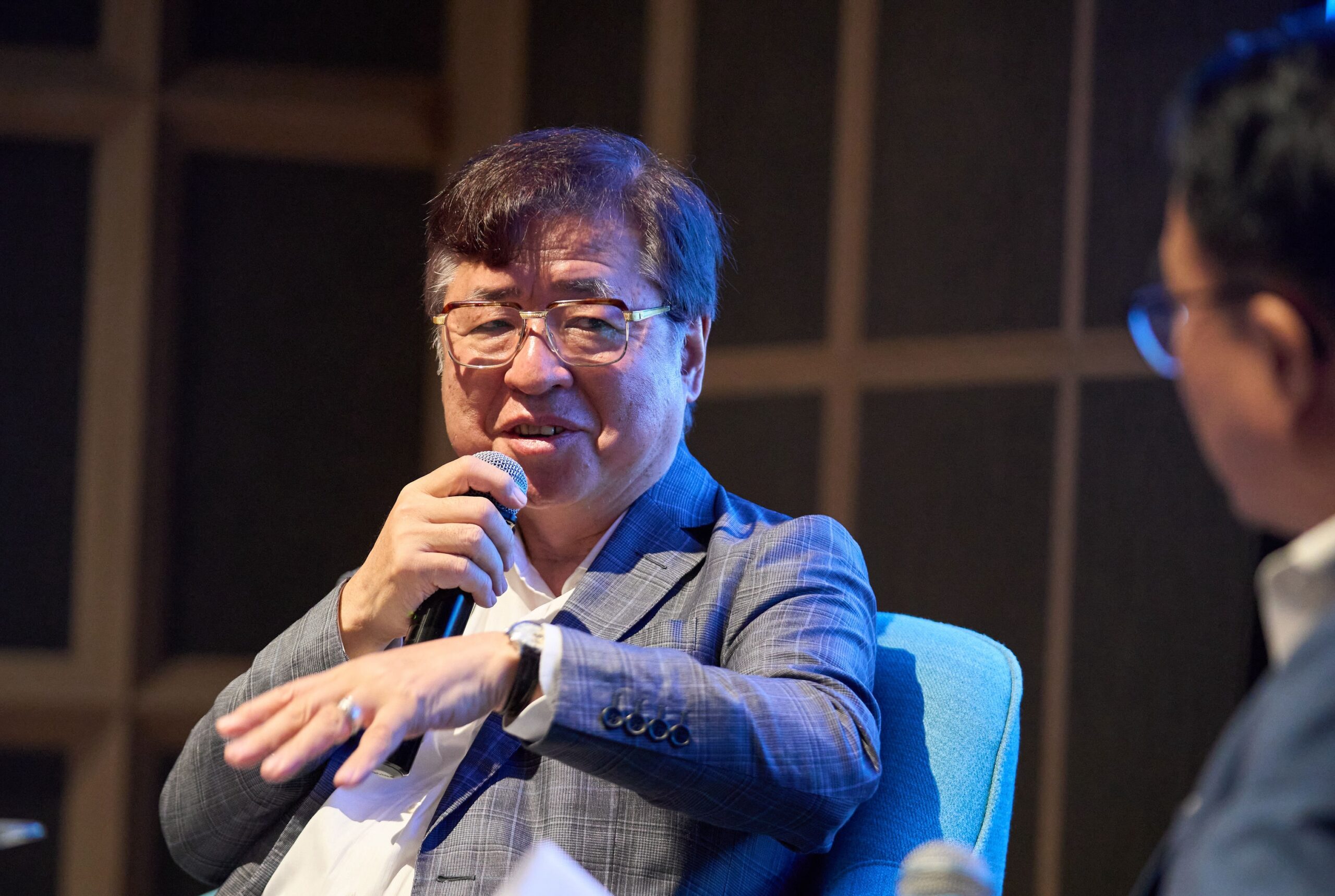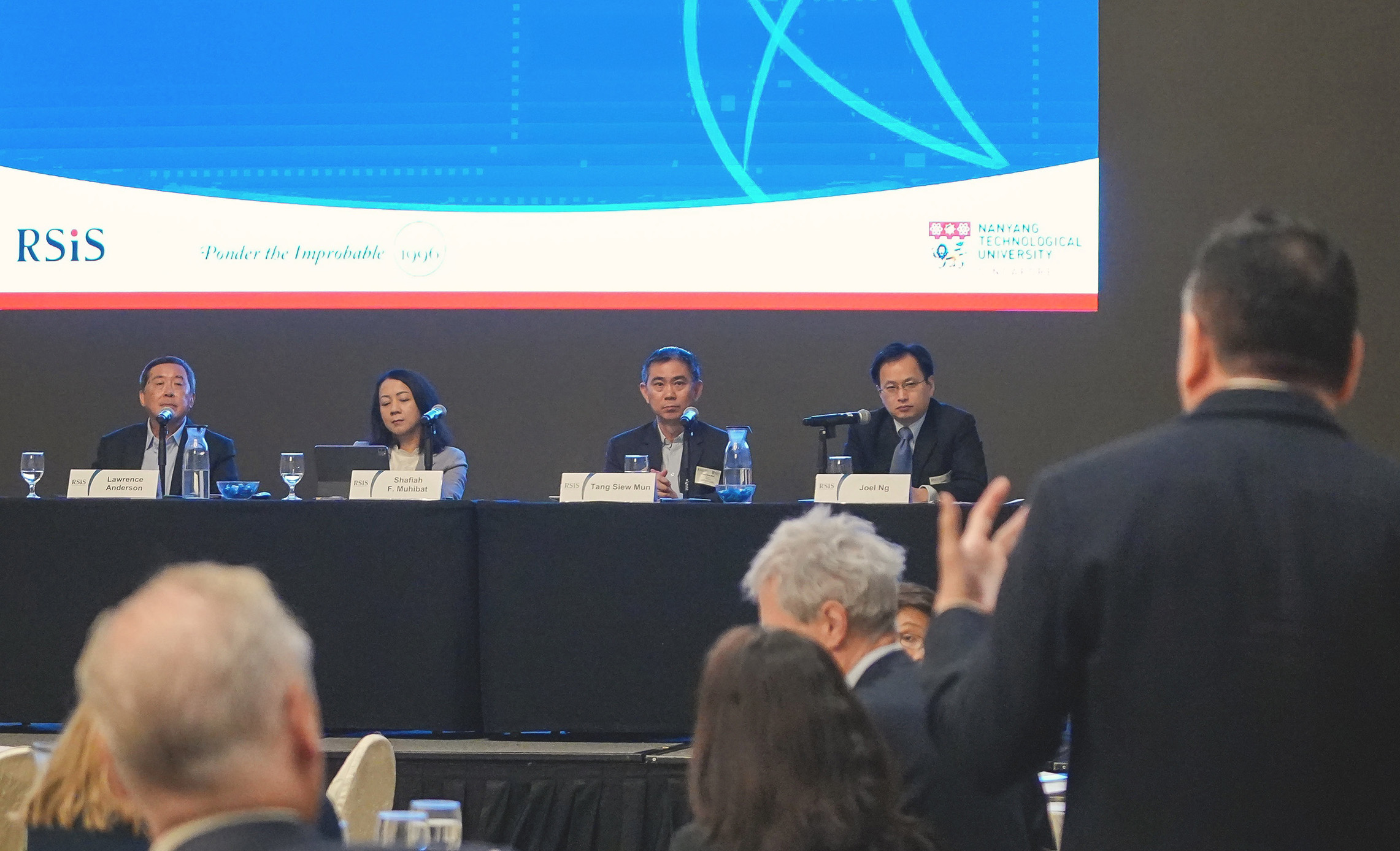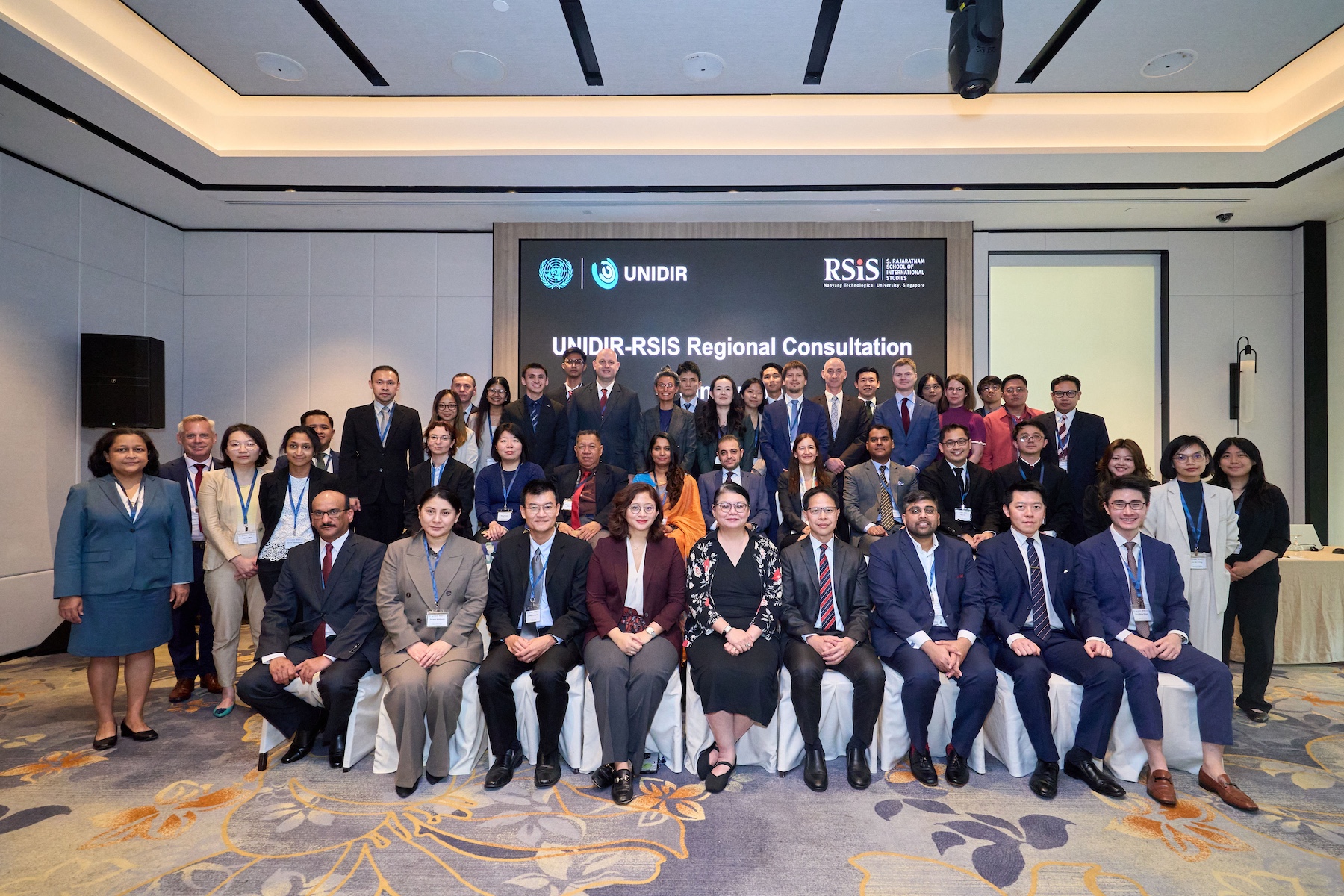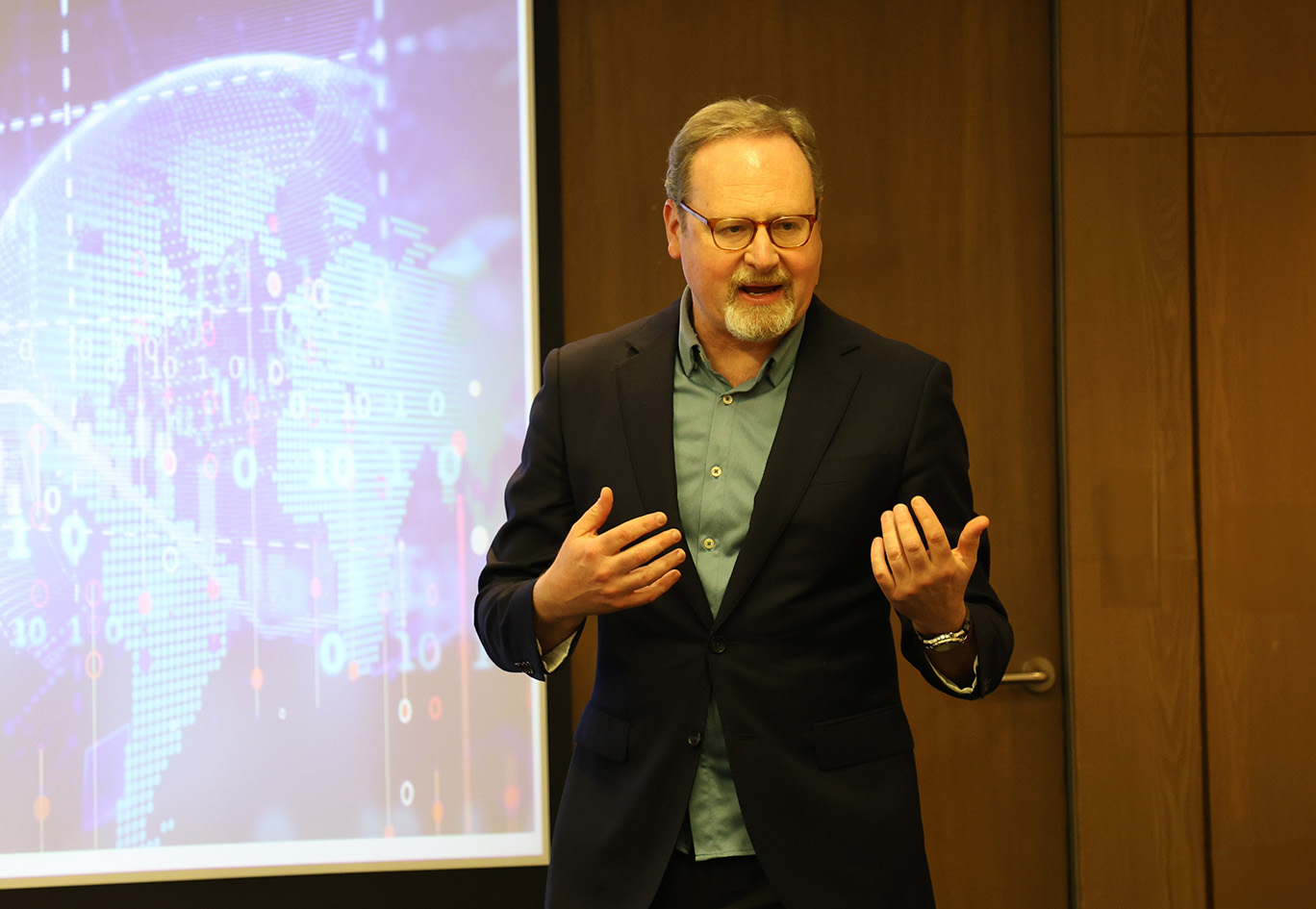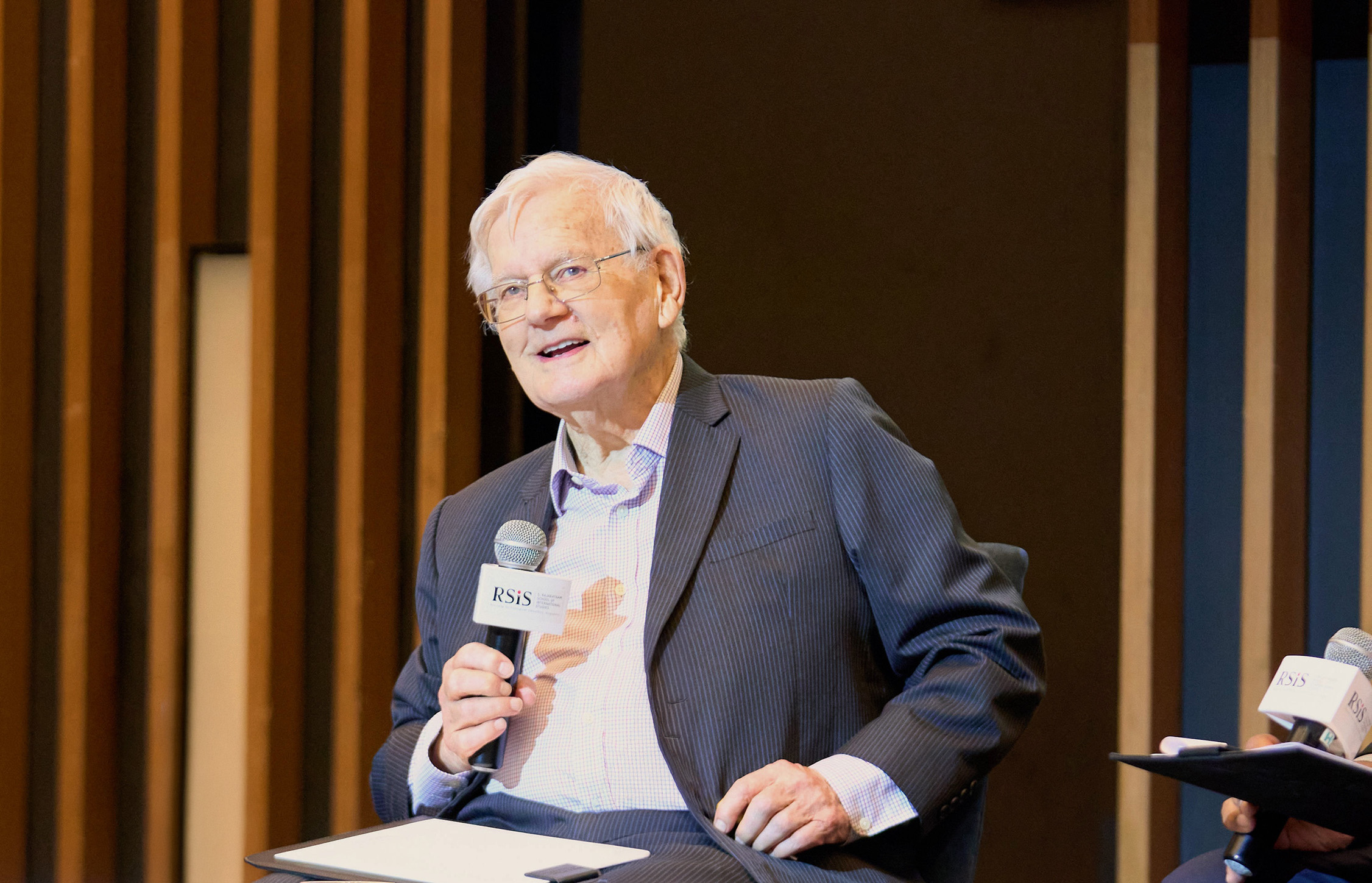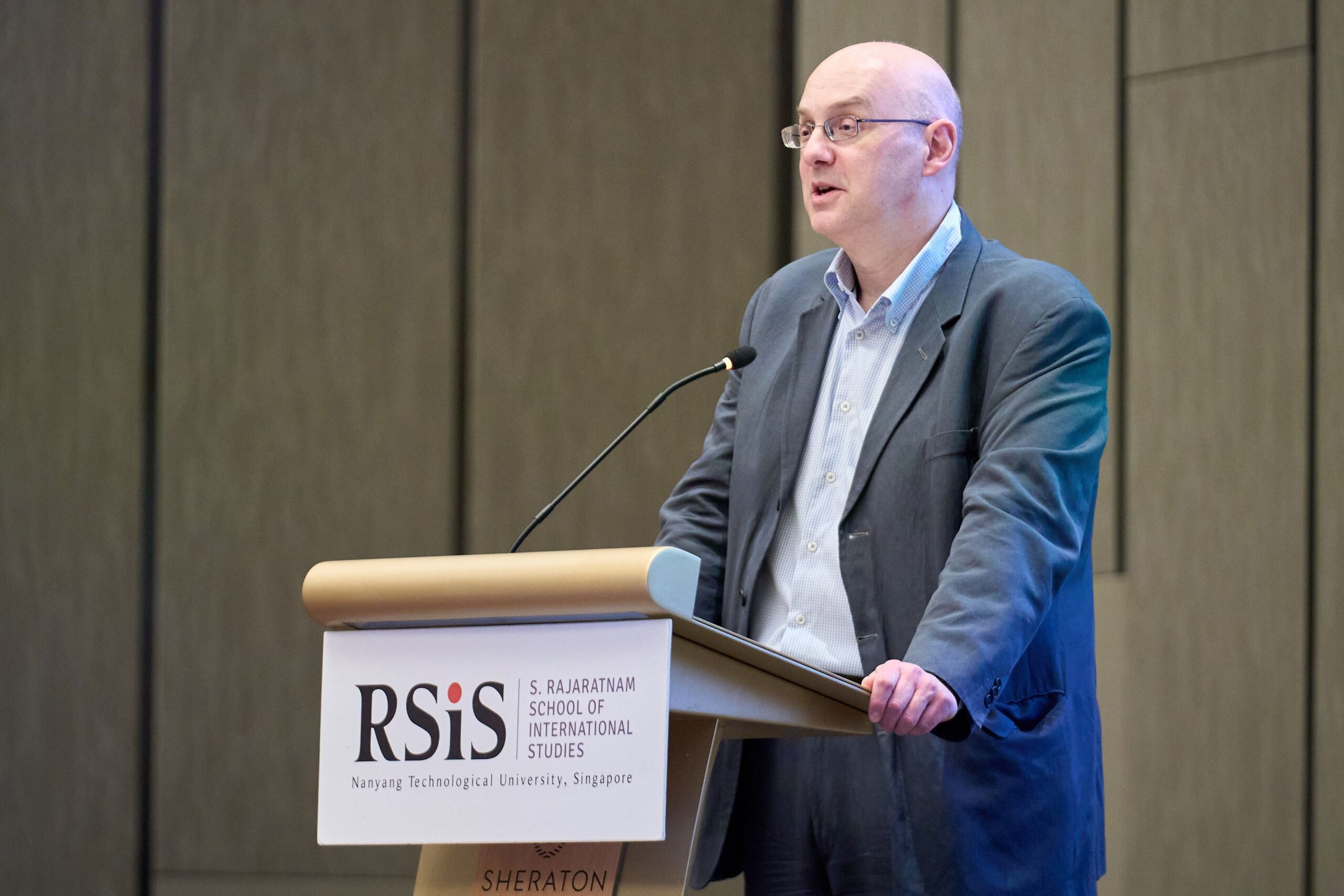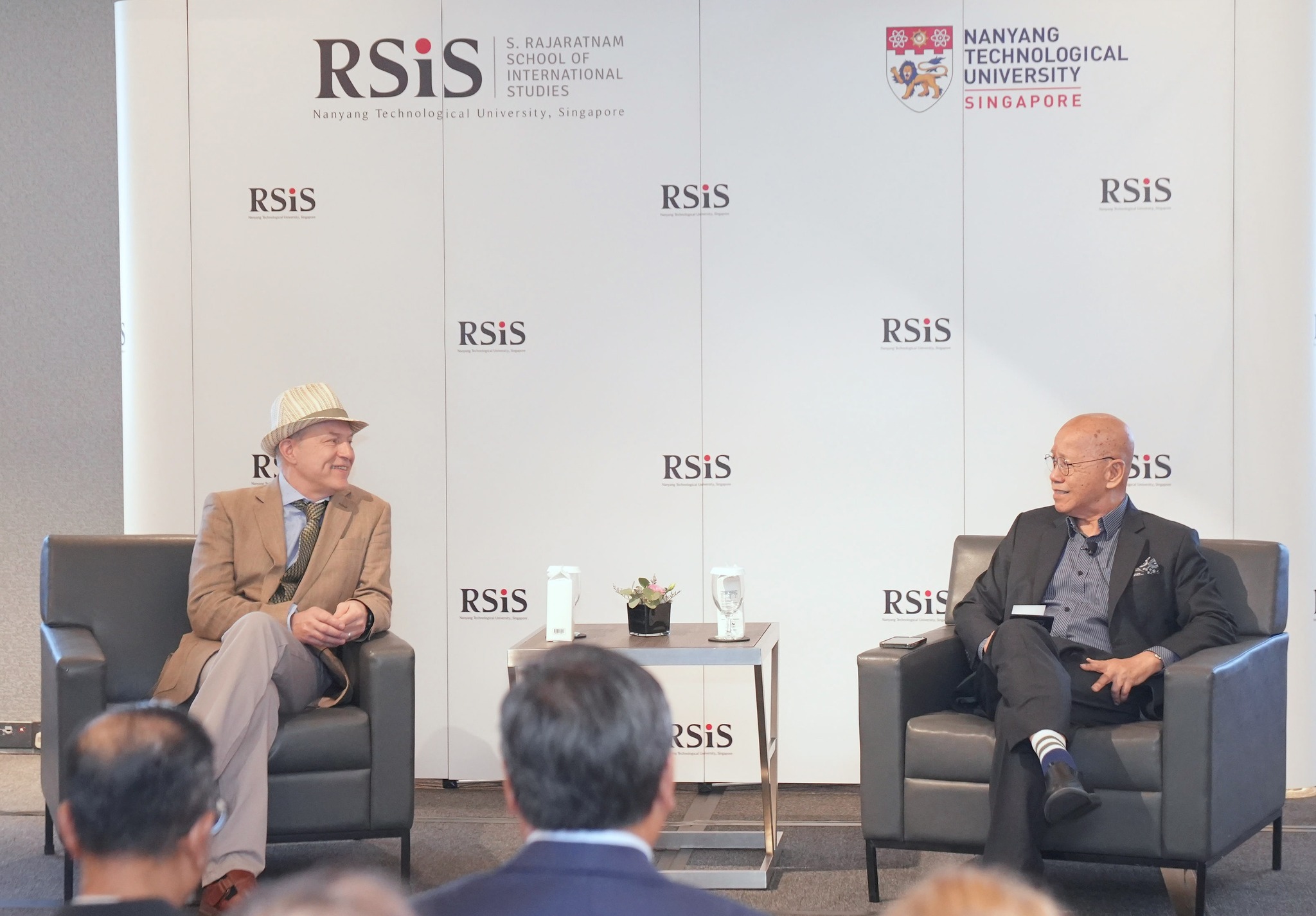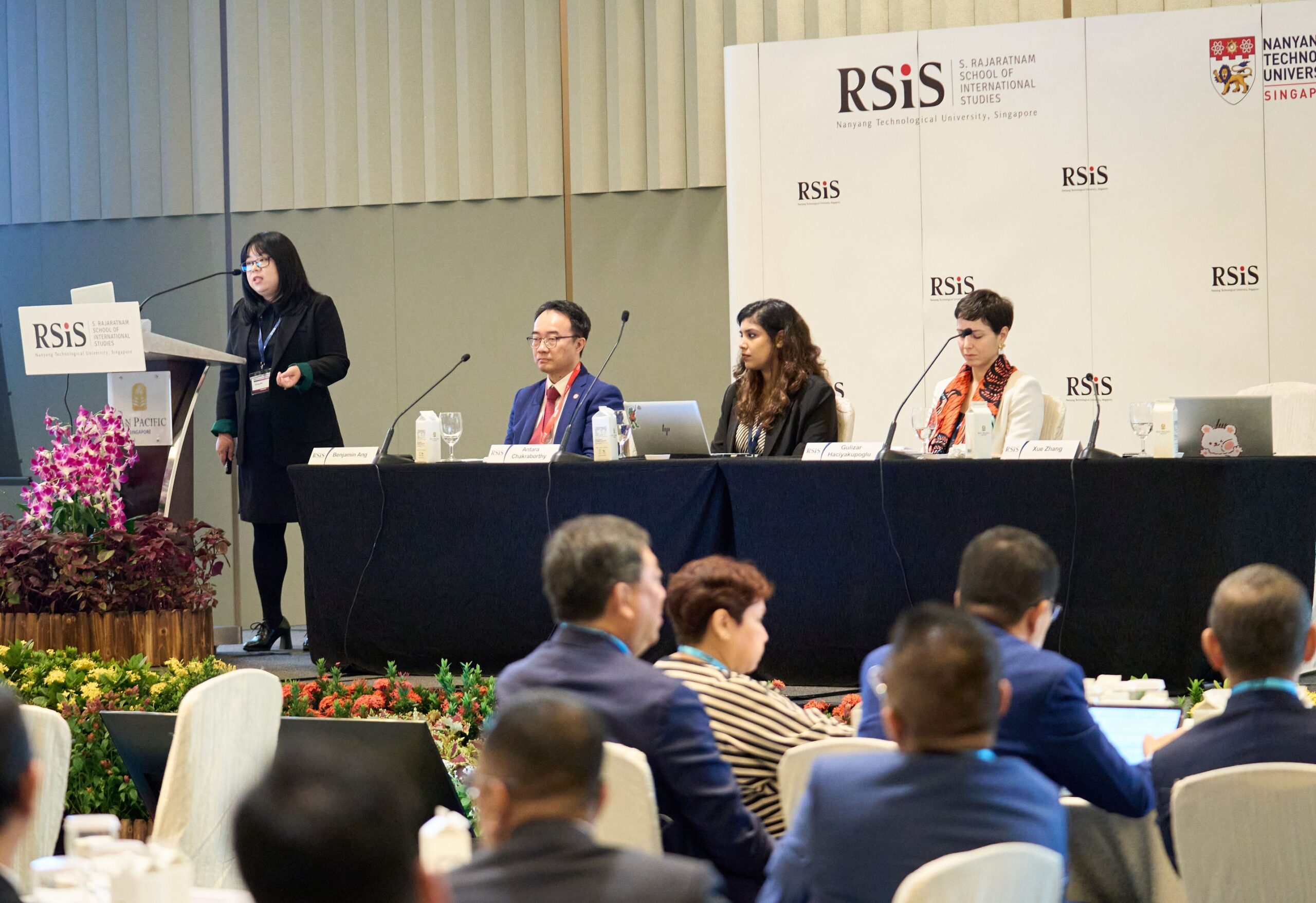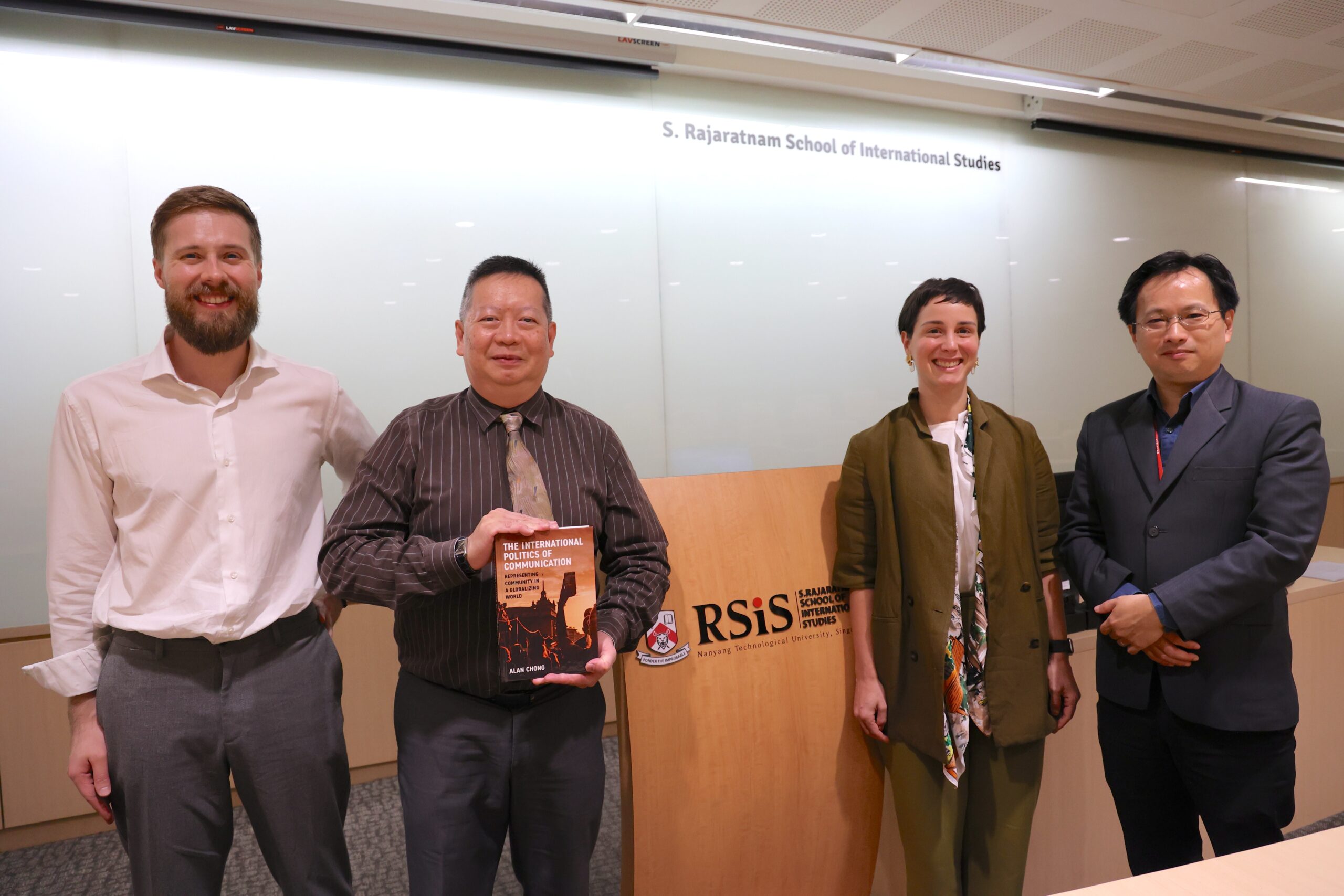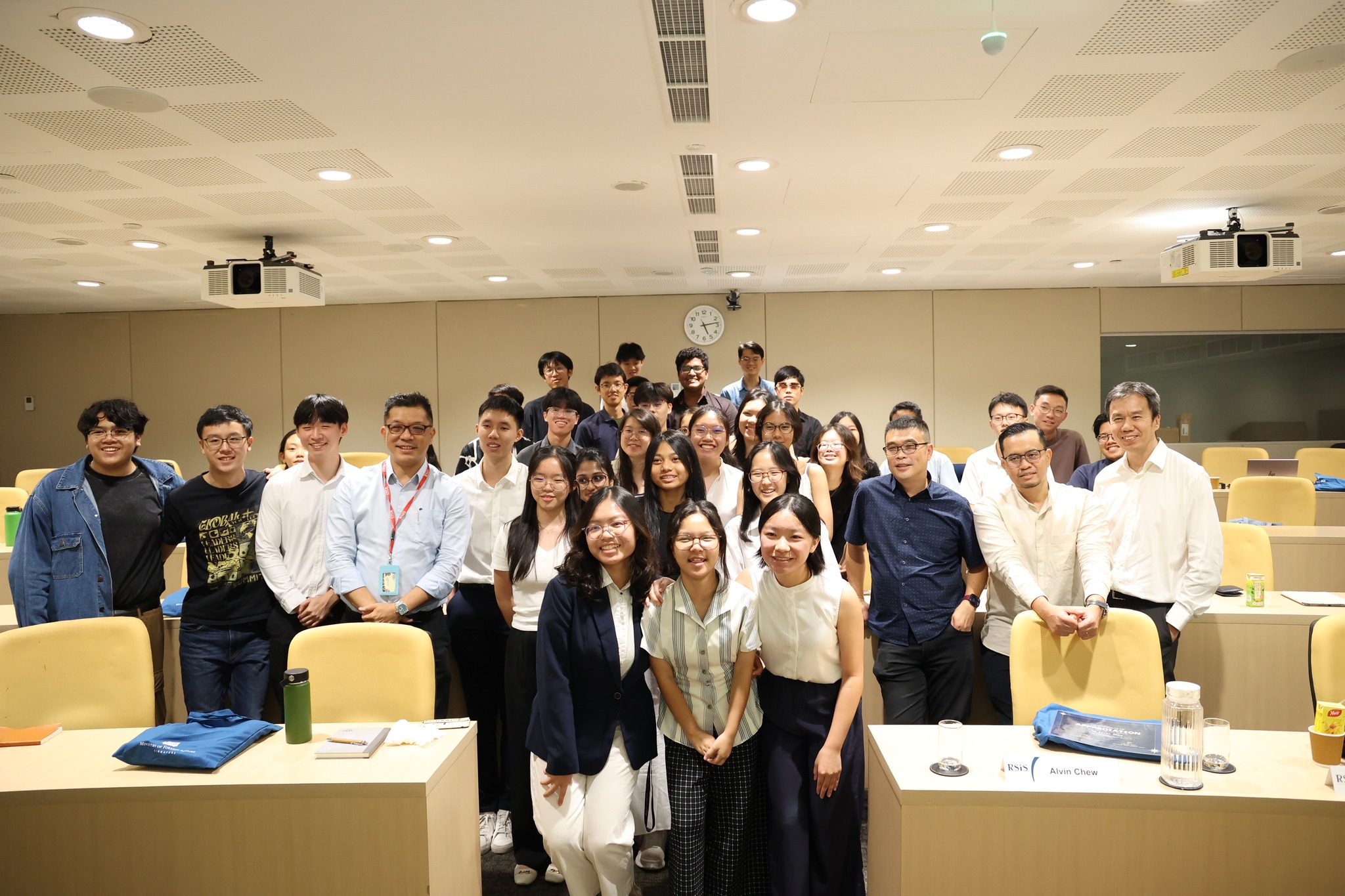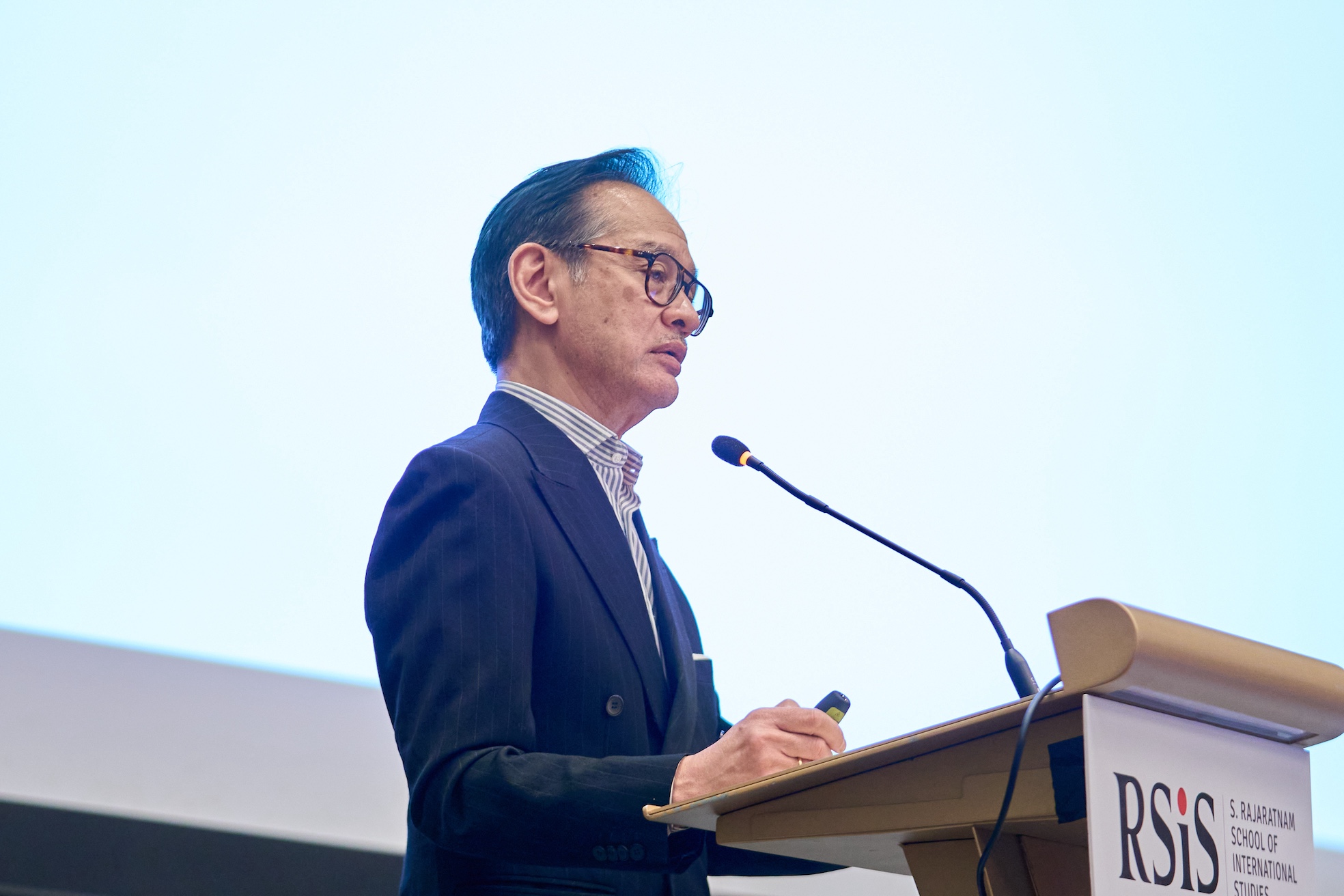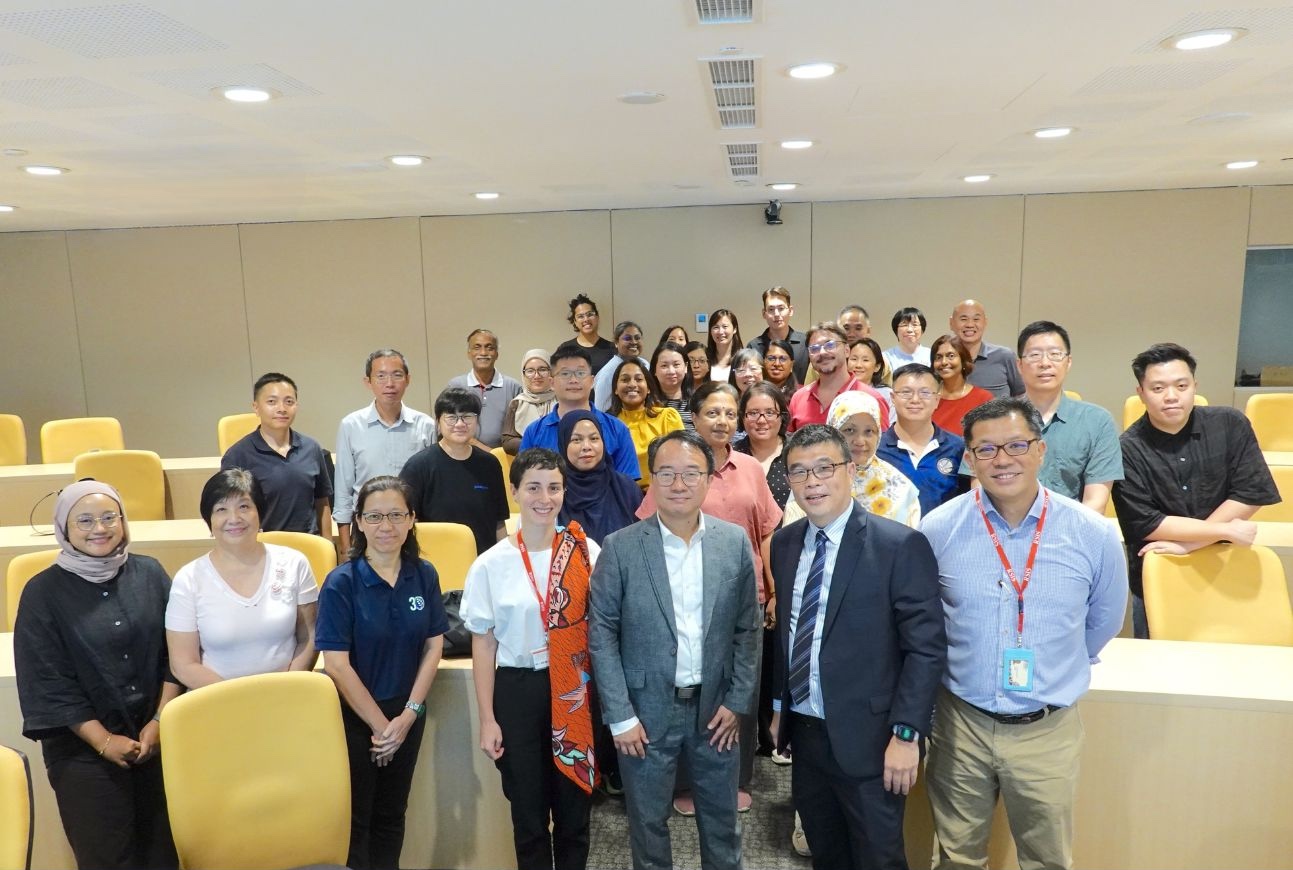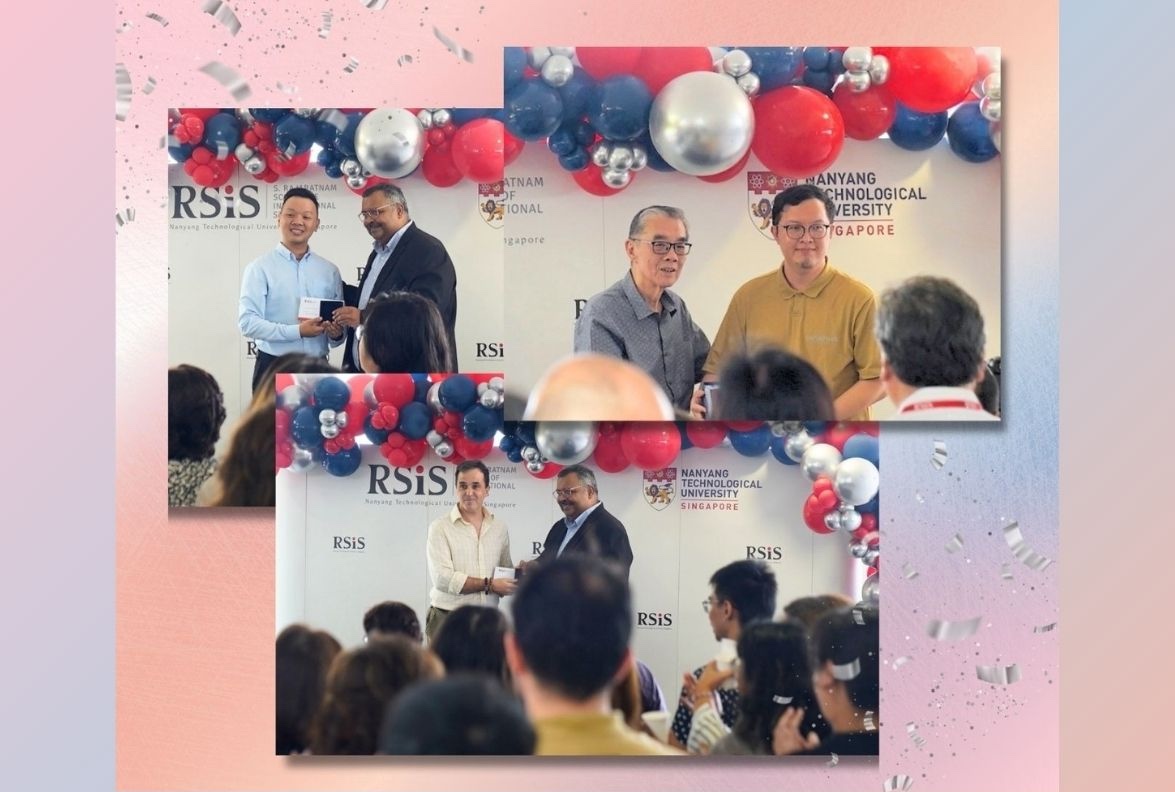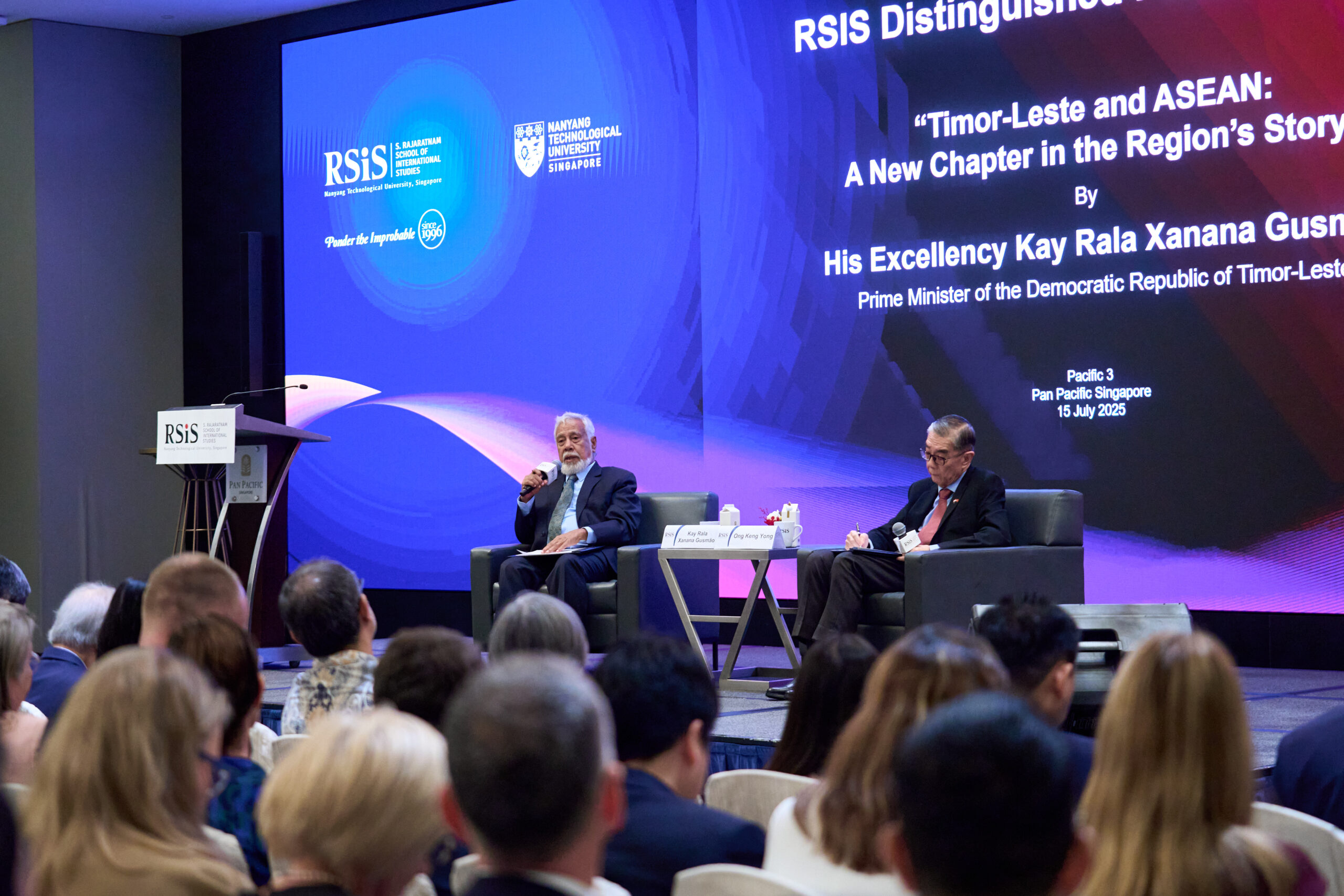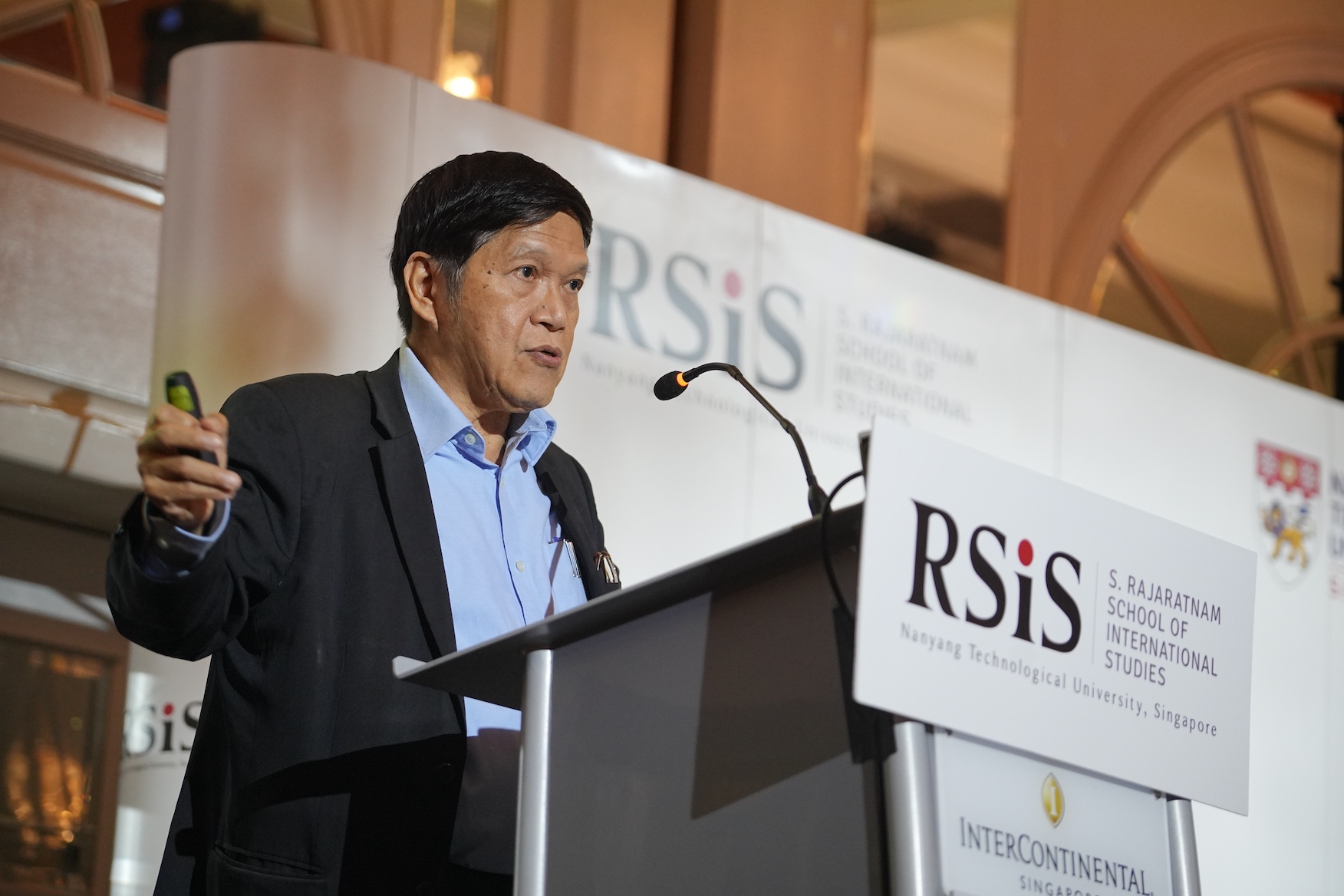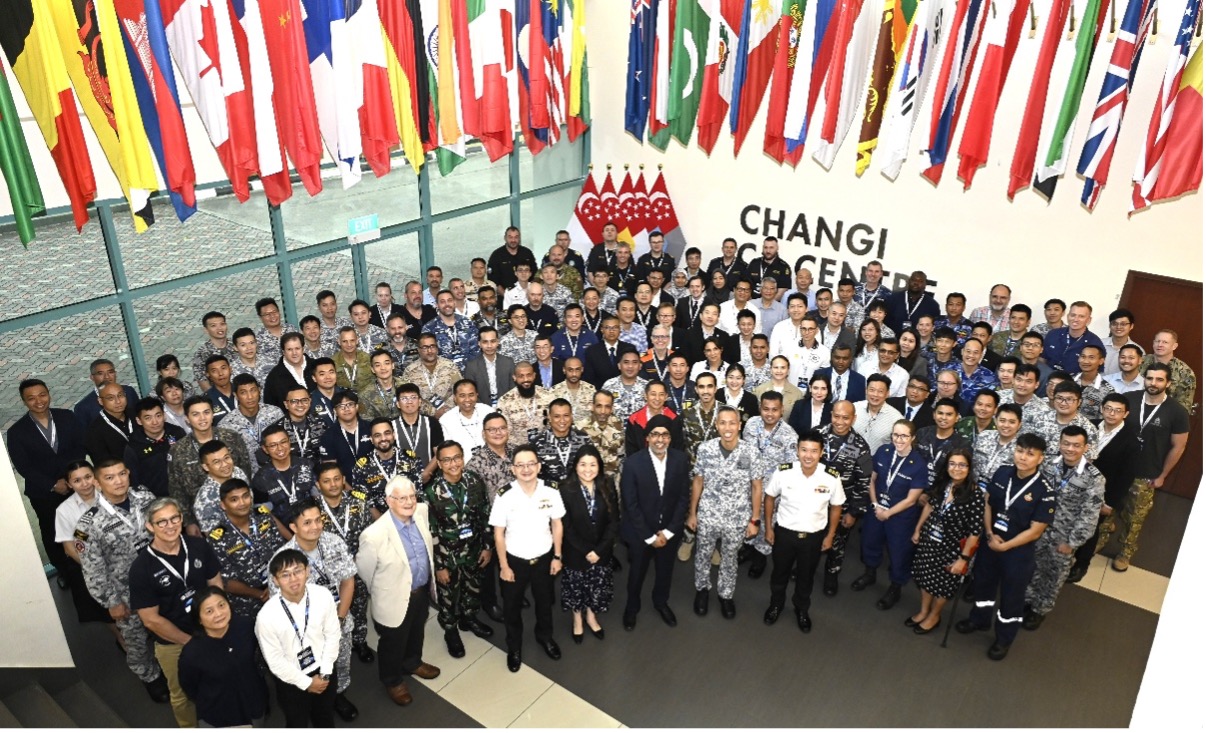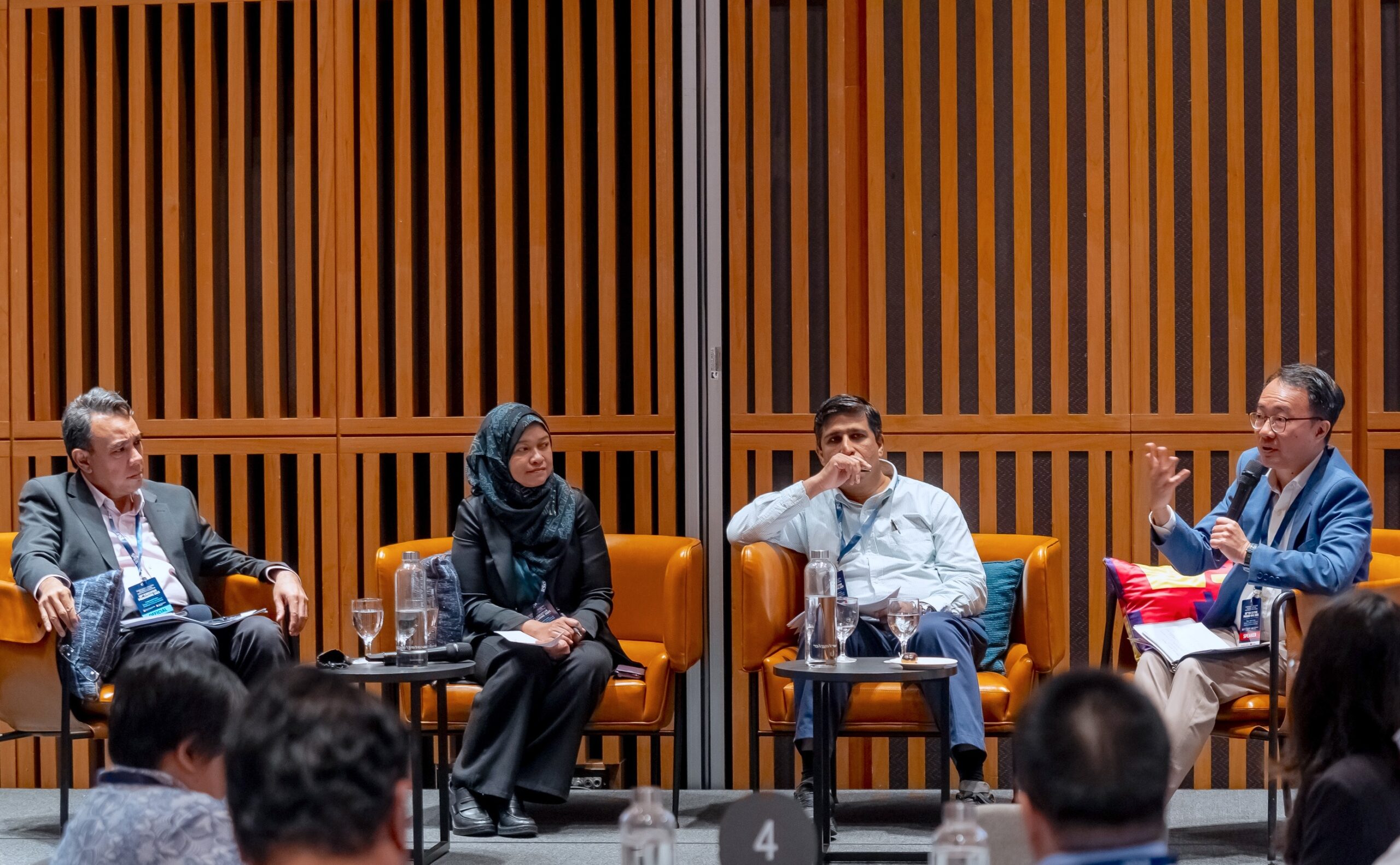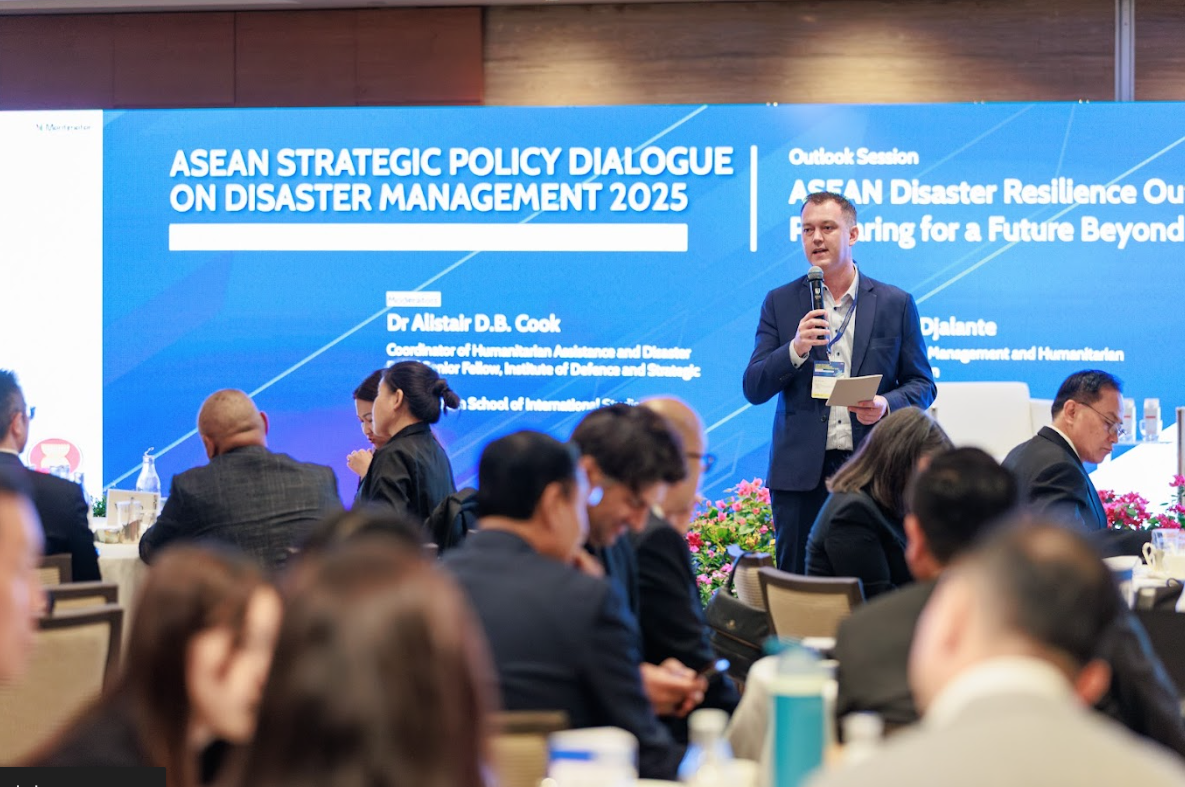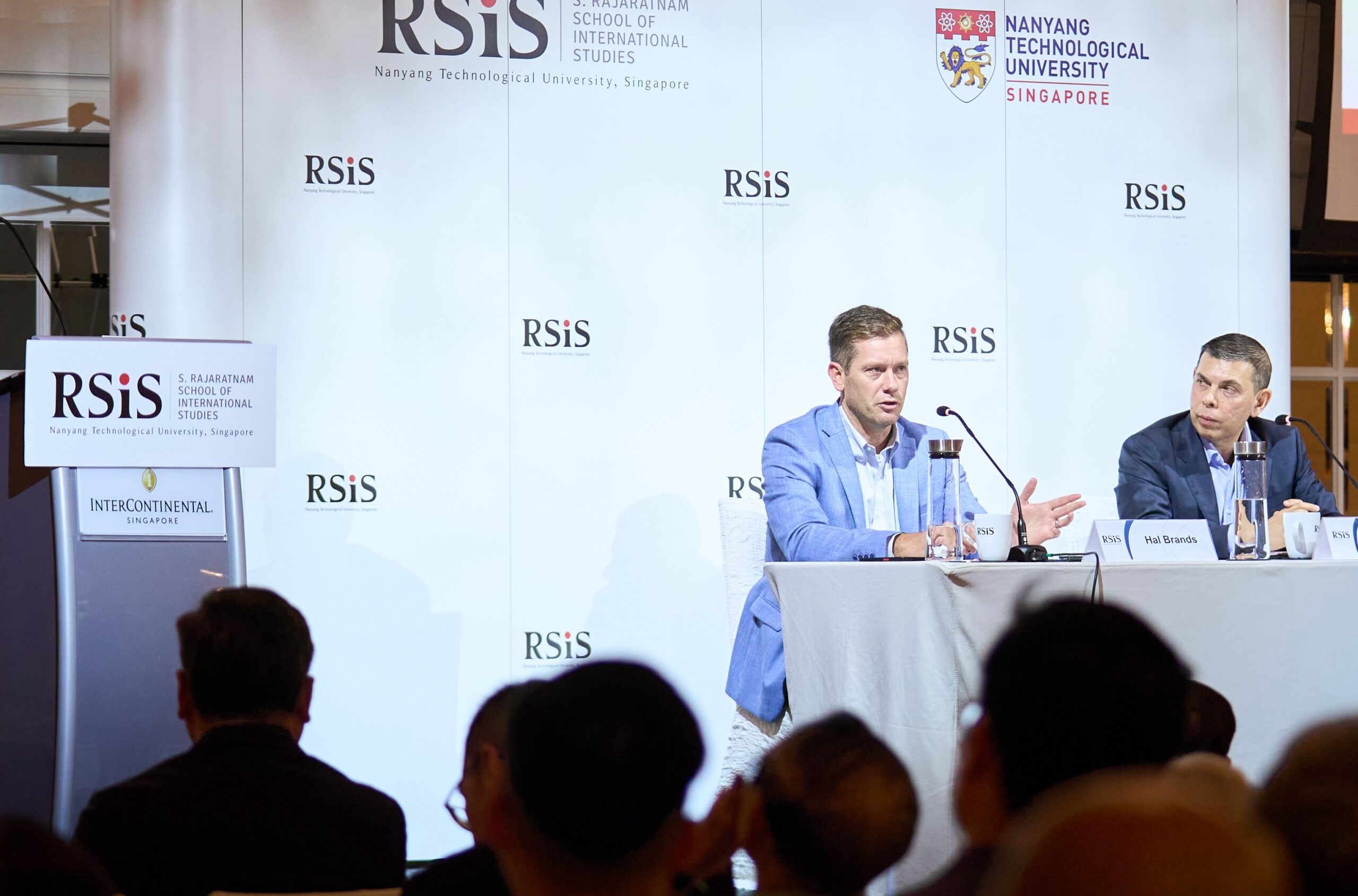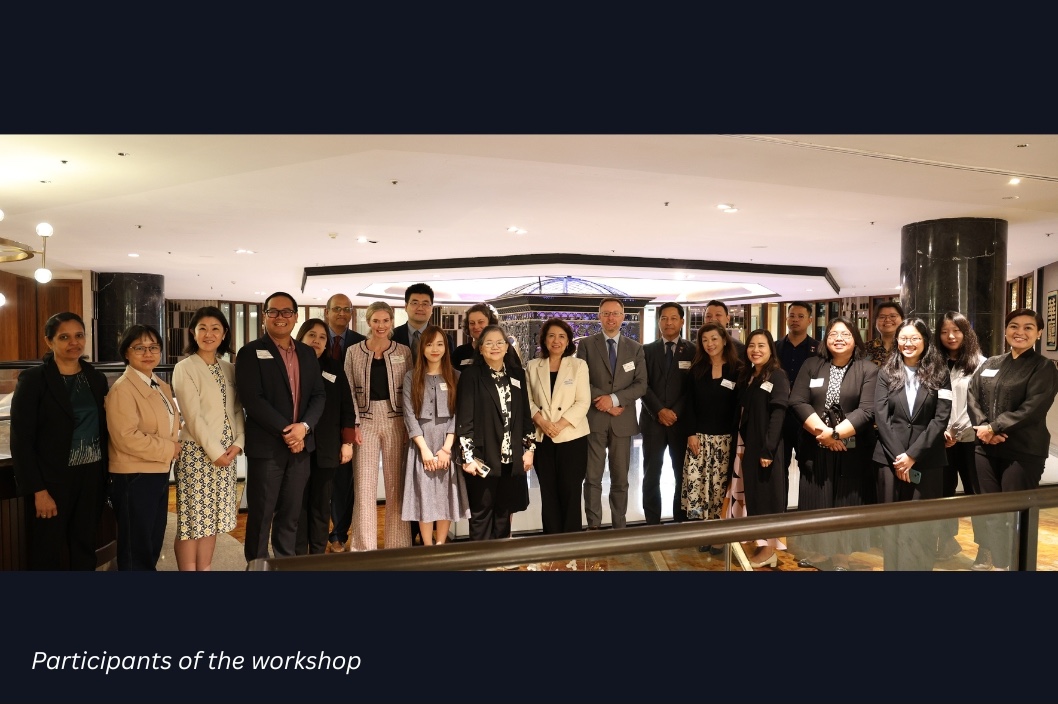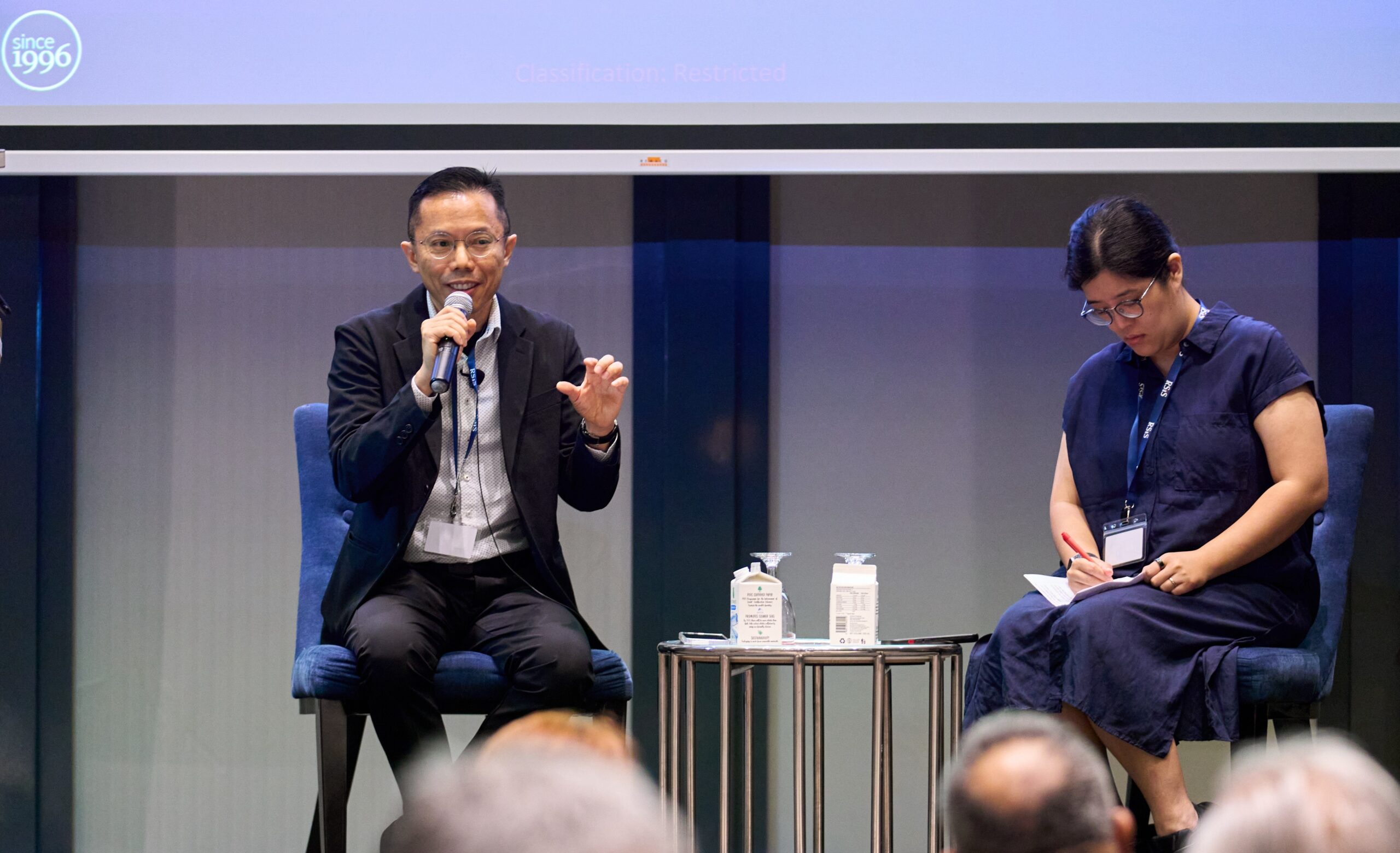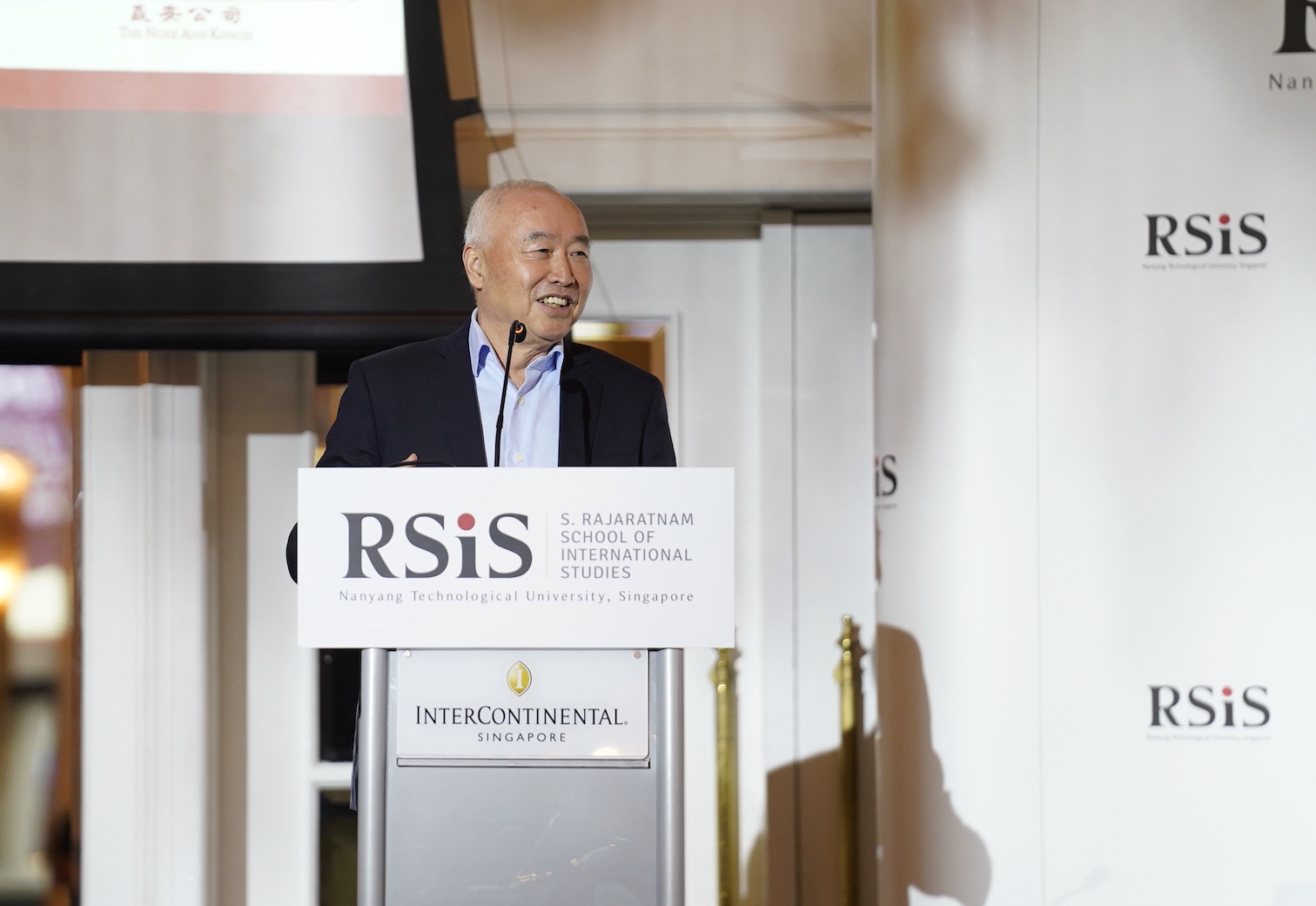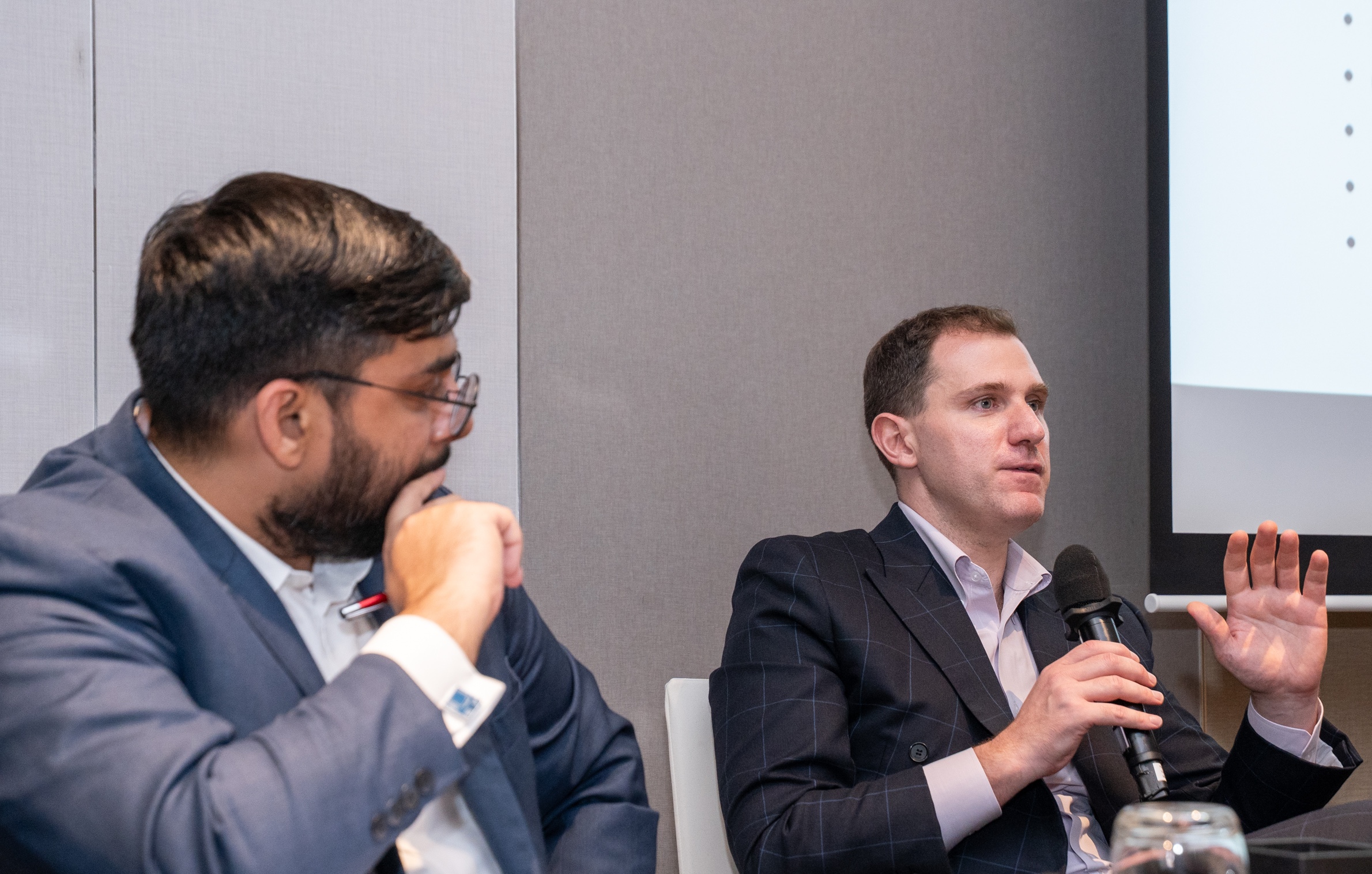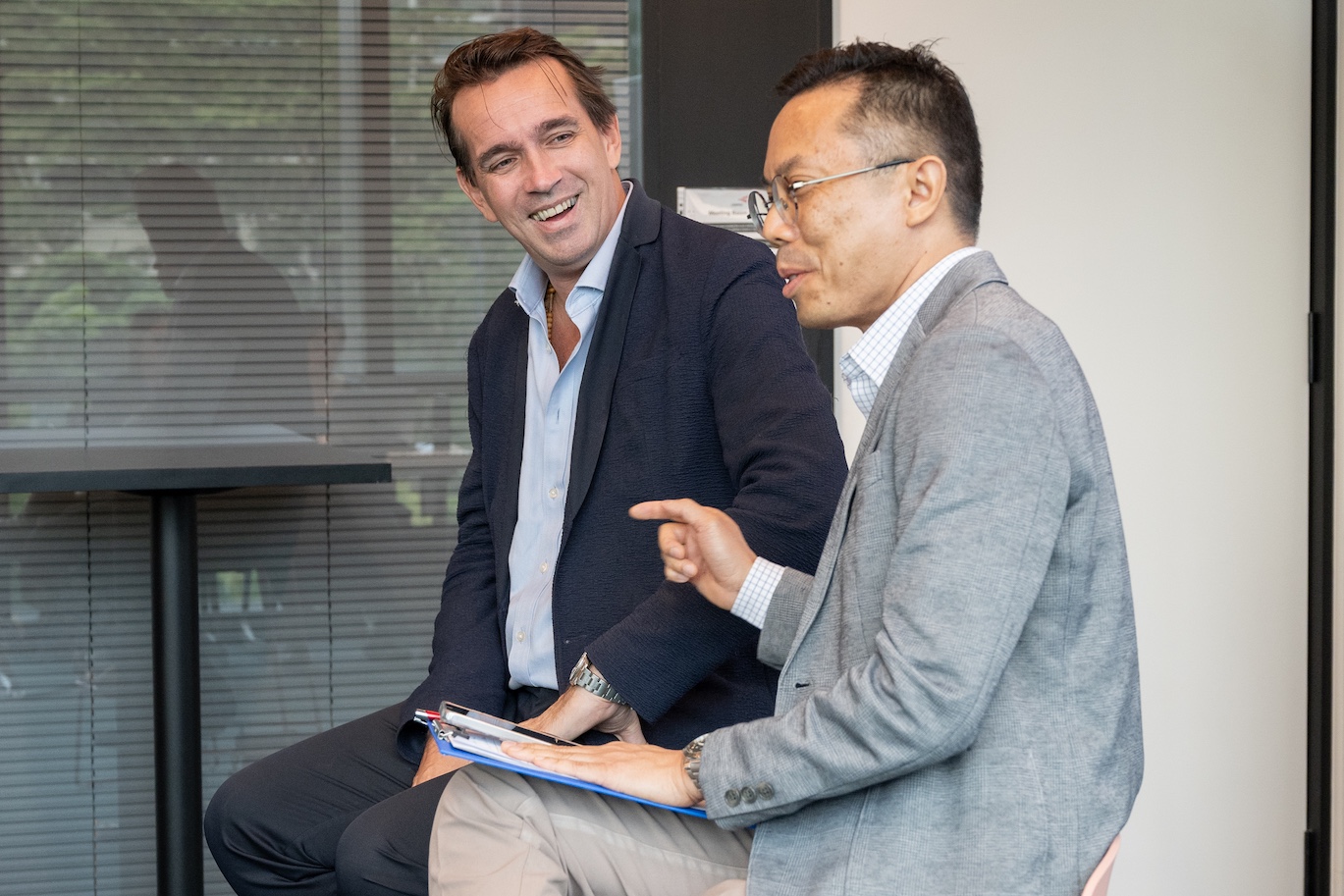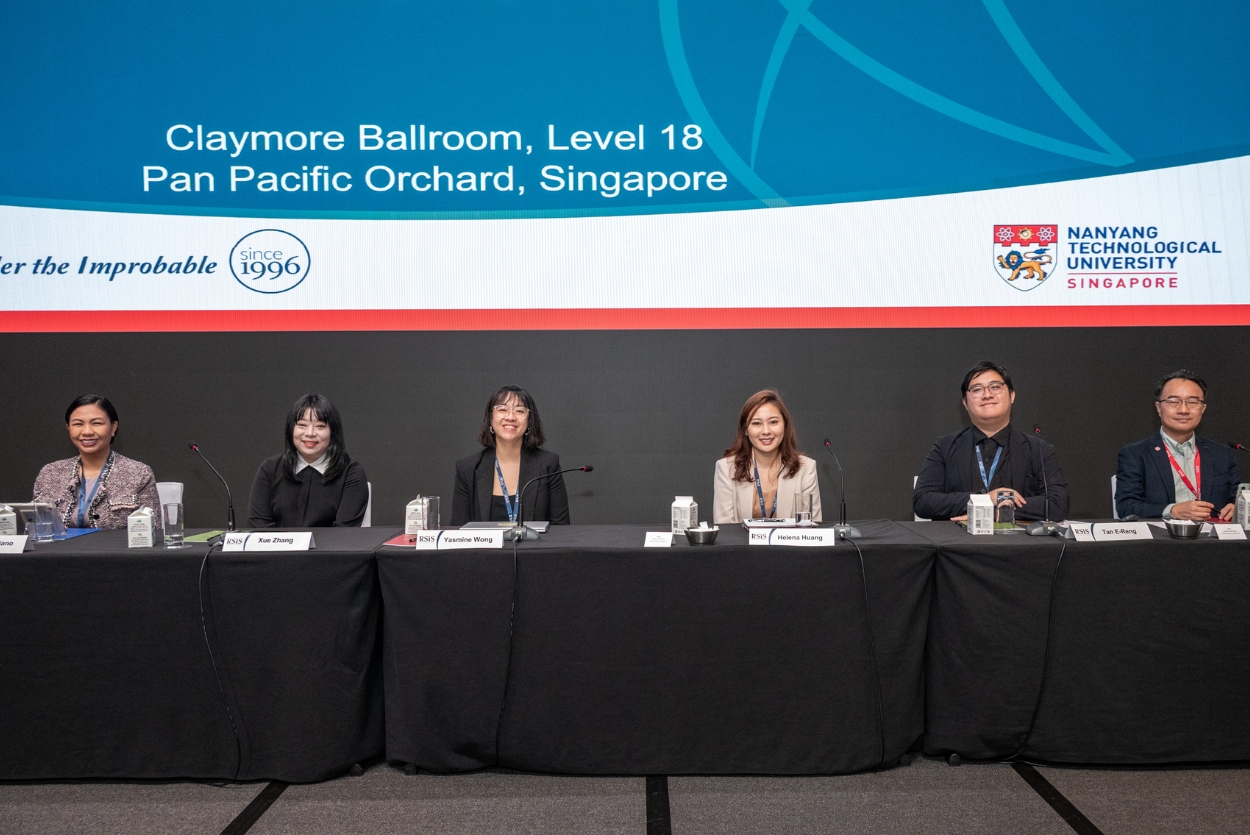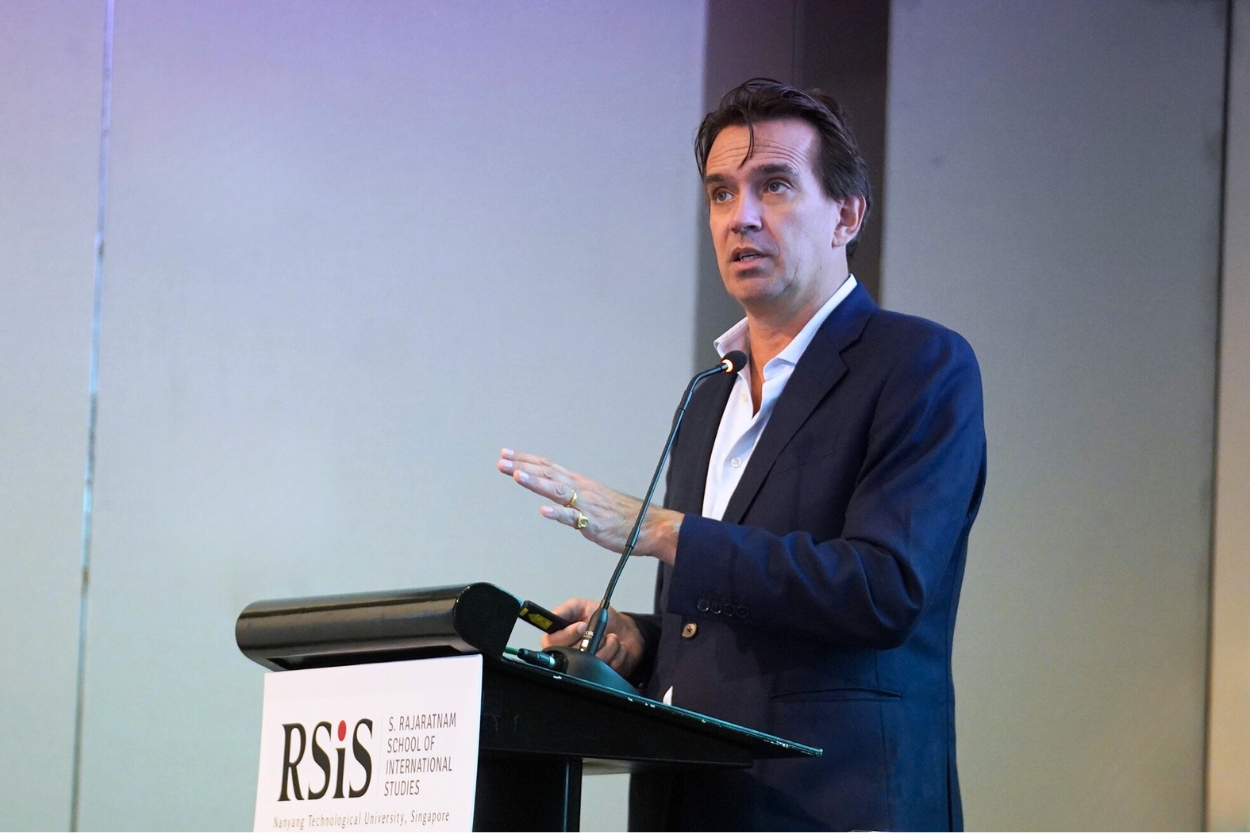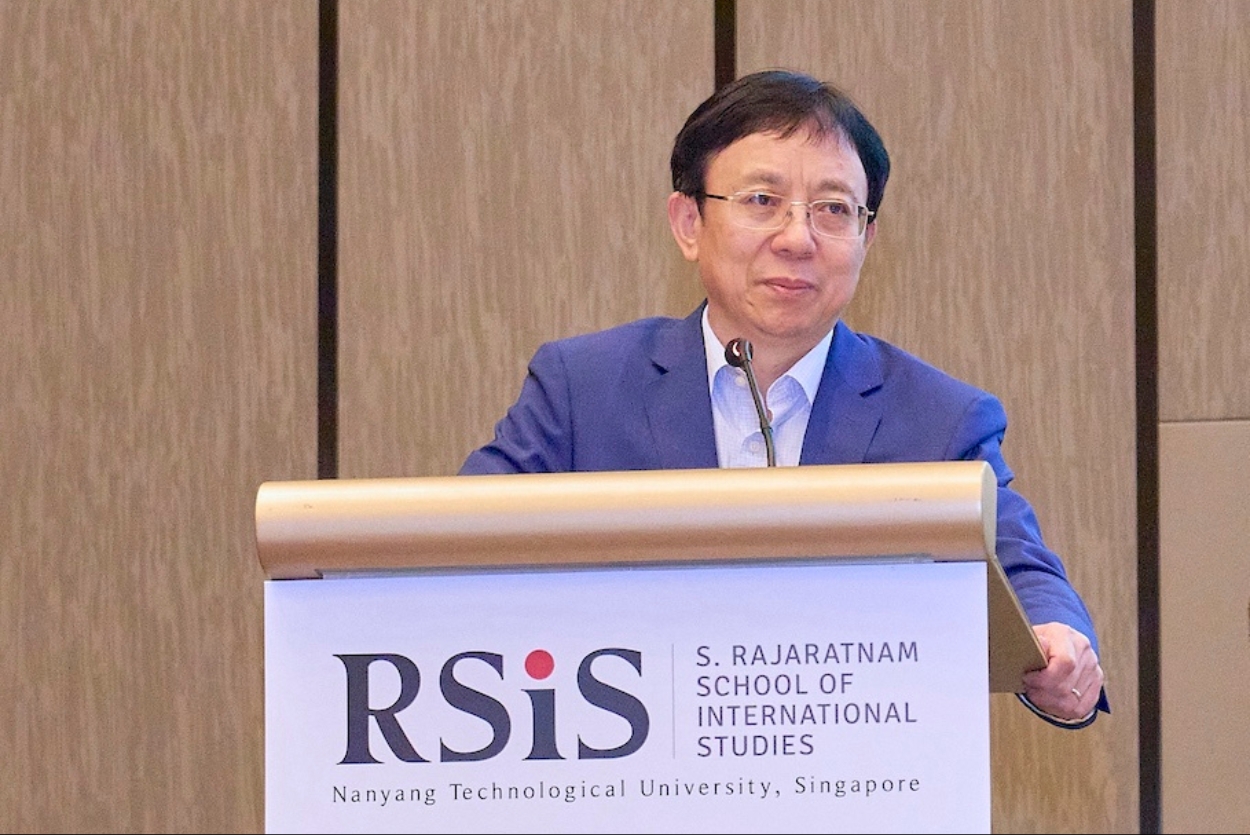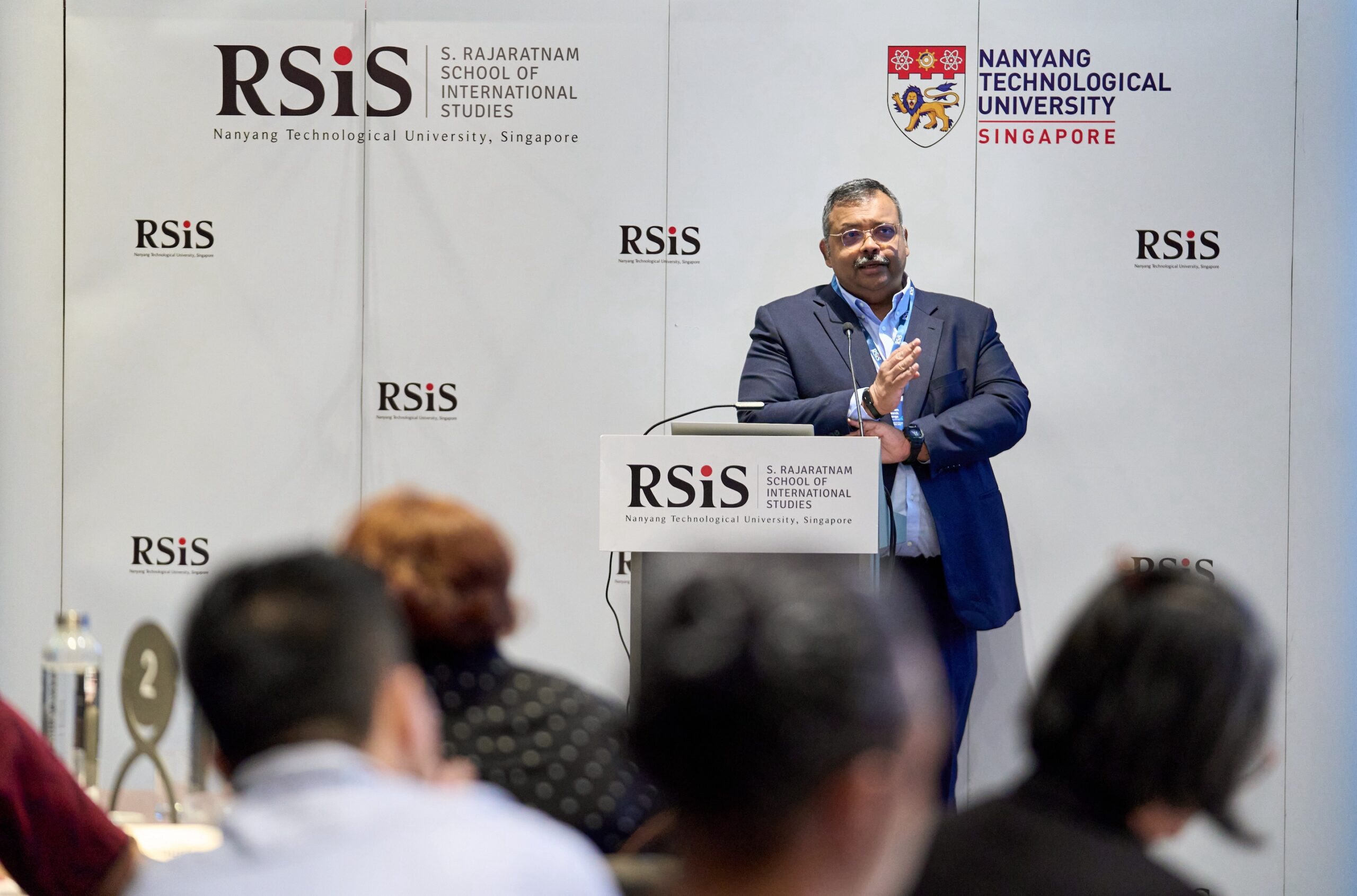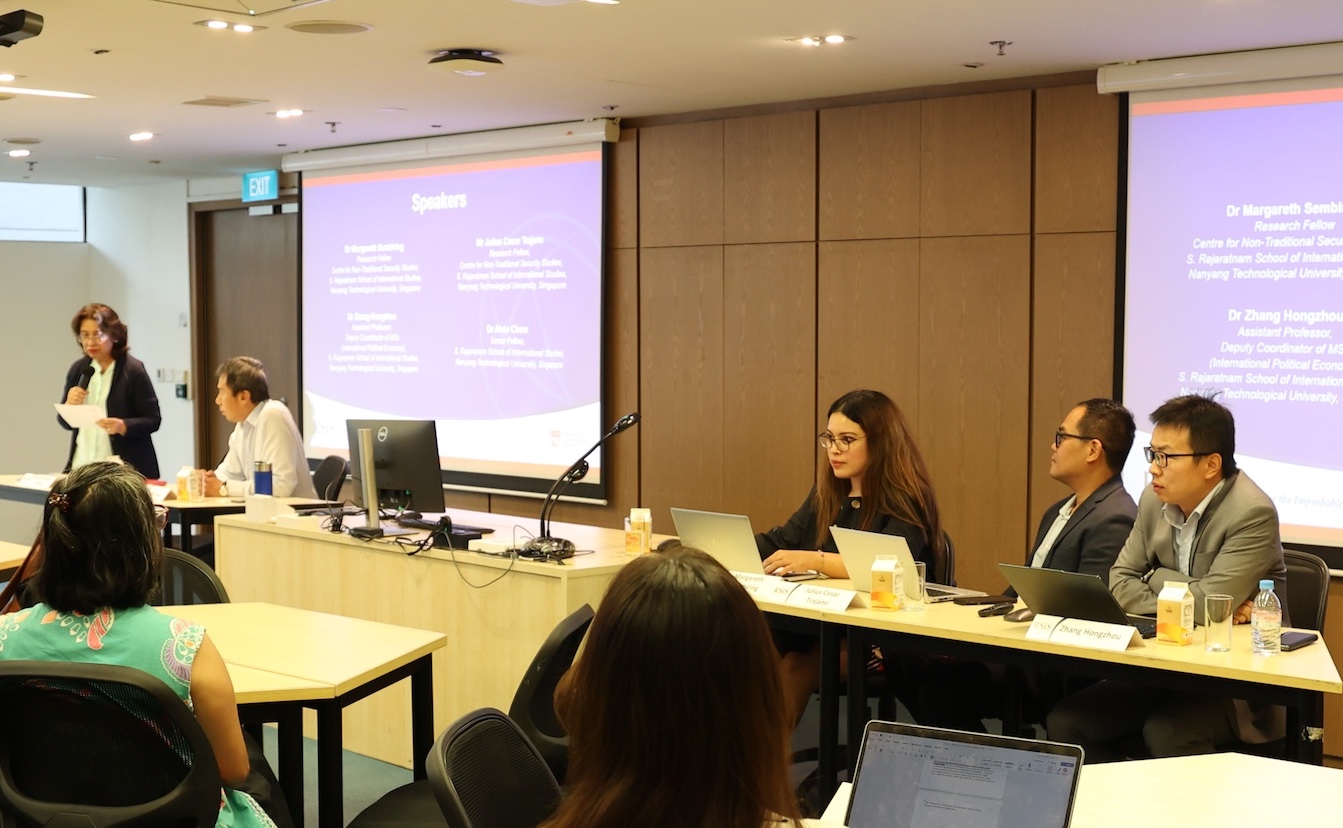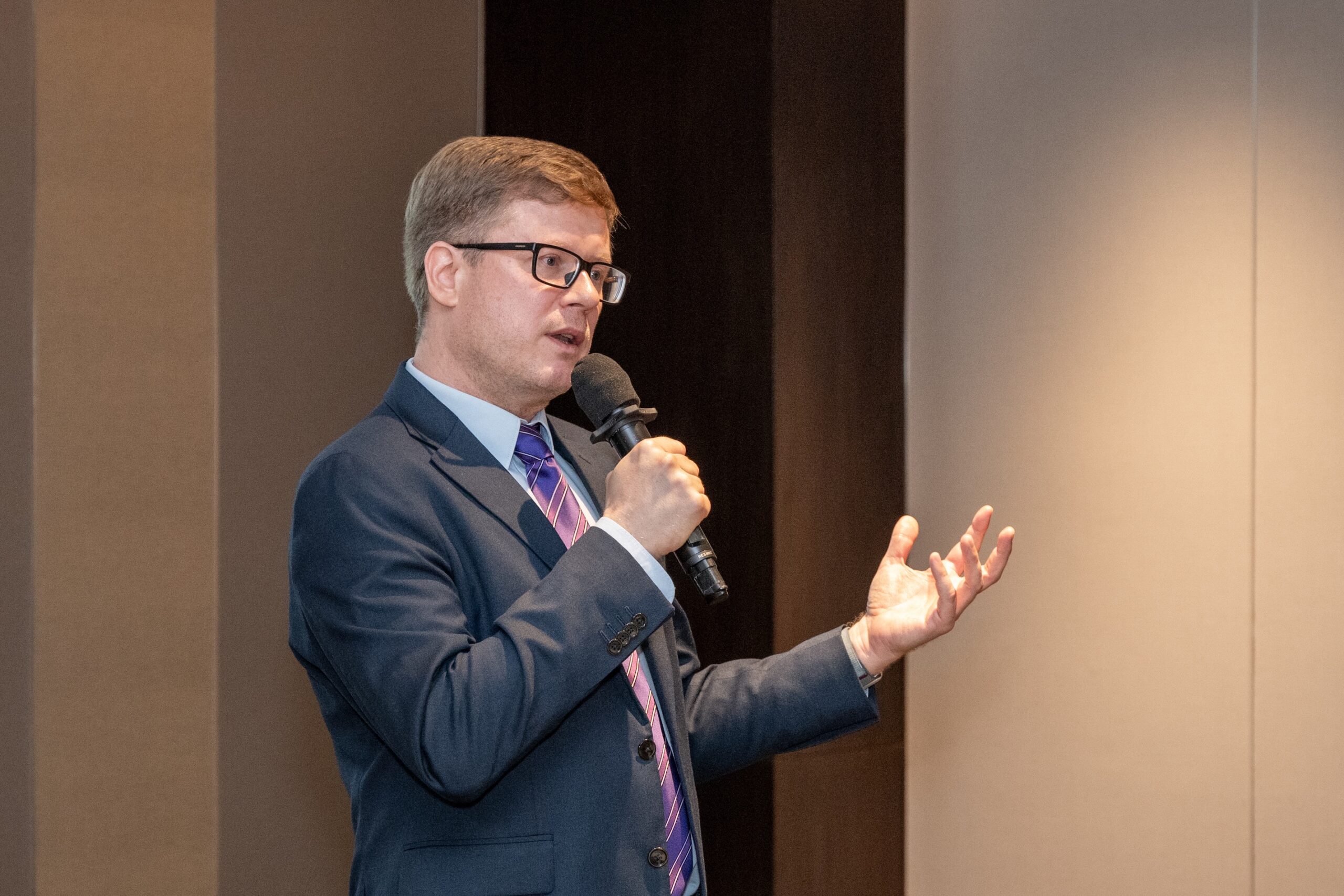



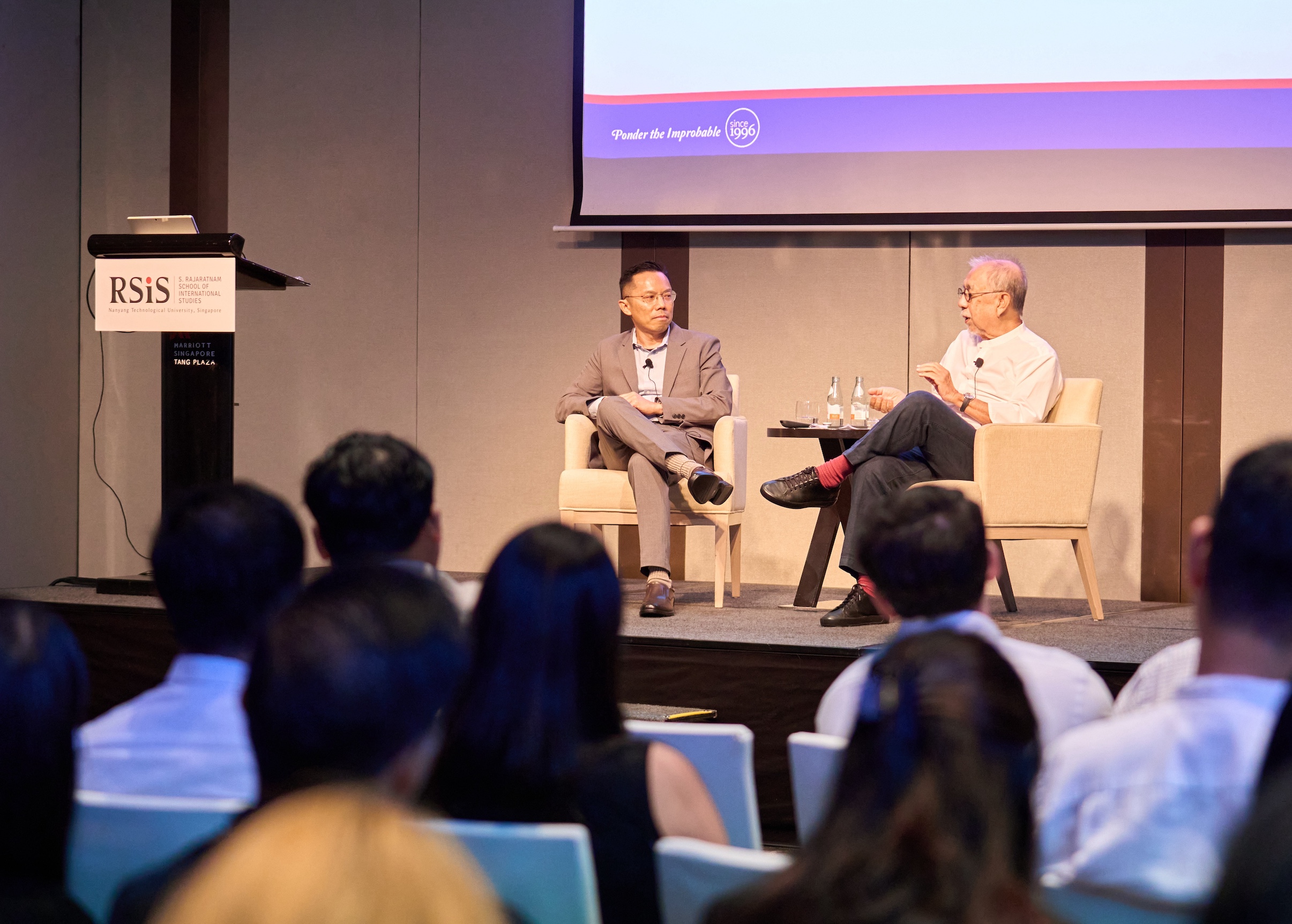
Designed to mitigate the formation of racial enclaves, the Ethnic Integration Policy (EIP) has been a hallmark feature of Singapore’s public housing for over 30 years. Has the EIP been successful in achieving what it set out to do? This was explored in a seminar titled “Tracking the Ethnic Integration Policy: Analysing Public Housing Patterns among Immigrant and Ethnic Groups in Singapore” organised by the Social Cohesion Research Programme (SCRP) at RSIS. Held on 3 December 2025 and attended by 90 participants comprising policymakers, academics and community leaders, the seminar was led by Dr Leong Chan-Hoong, Senior Fellow and Head of SCRP. Professor Chua Beng Huat, Visiting Fellow at The Urban Institute of the Singapore Management University as well as Emeritus Professor at the Department of Sociology and Anthropology of the National University of Singapore, provided insightful remarks as the discussant.
Dr Leong began his presentation by giving a brief overview of the EIP as well as the conceptual frameworks that grounded his analysis. He then elaborated on his methodology before showcasing the longitudinal spatial density data he has gathered over the past decade. His findings reveal clustering at the neighbourhood level with some regions identified as having reached specific quotas, suggesting that there are emerging hotspots which require attention.
He argues that this presents an opportunity to reconsider social mixing in the neighbourhood. Specifically, he proposes the use of more targeted means to foster cohesion beyond the use of ethnic quotas. For example, since space functions as an instrument in promoting social interactions, neutral spaces such as community clubs, hawker centres and even tuition centres, could be further harnessed to foster social connections. Foreign-local integration programmes could be organised in and around these neutral spaces as well. Ultimately, it is the quality—rather than quantity—of interactions that matter the most in forging connections.
When discussing Dr Leong’s findings, Professor Chua questioned the assumptions surrounding the notion of community. In his view, since most Singaporeans spend most of their time at schools, offices and other third spaces, amenities in residential spaces are less important to them; it is typically the homemakers, elderly and young children who are seeking communities in their residential areas. The key, therefore, is to determine if those who are most dependent on having communities in residential spaces are actually utilising these amenities and finding connections there.
Finally, the seminar concluded with a lively Q&A session. The discussion highlighted that integration remains a work in progress and policies must therefore be continuously refined to address changing circumstances.