


26 December 2025
IP25128 | China’s Disinformation Campaign and the Implications for Japan

KEY TAKEAWAYS
• China has embarked on a disinformation campaign against Japan in the wake of their bilateral fallout.
• China’s disinformation strategy has largely revolved around the propagation of spurious claims and subversive narratives to erode support for Japan and its government.
• Disinformation has the potential to undermine Japan’s international standing, threaten its national cohesion, and limit the Takaichi administration’s policy space.
COMMENTARY
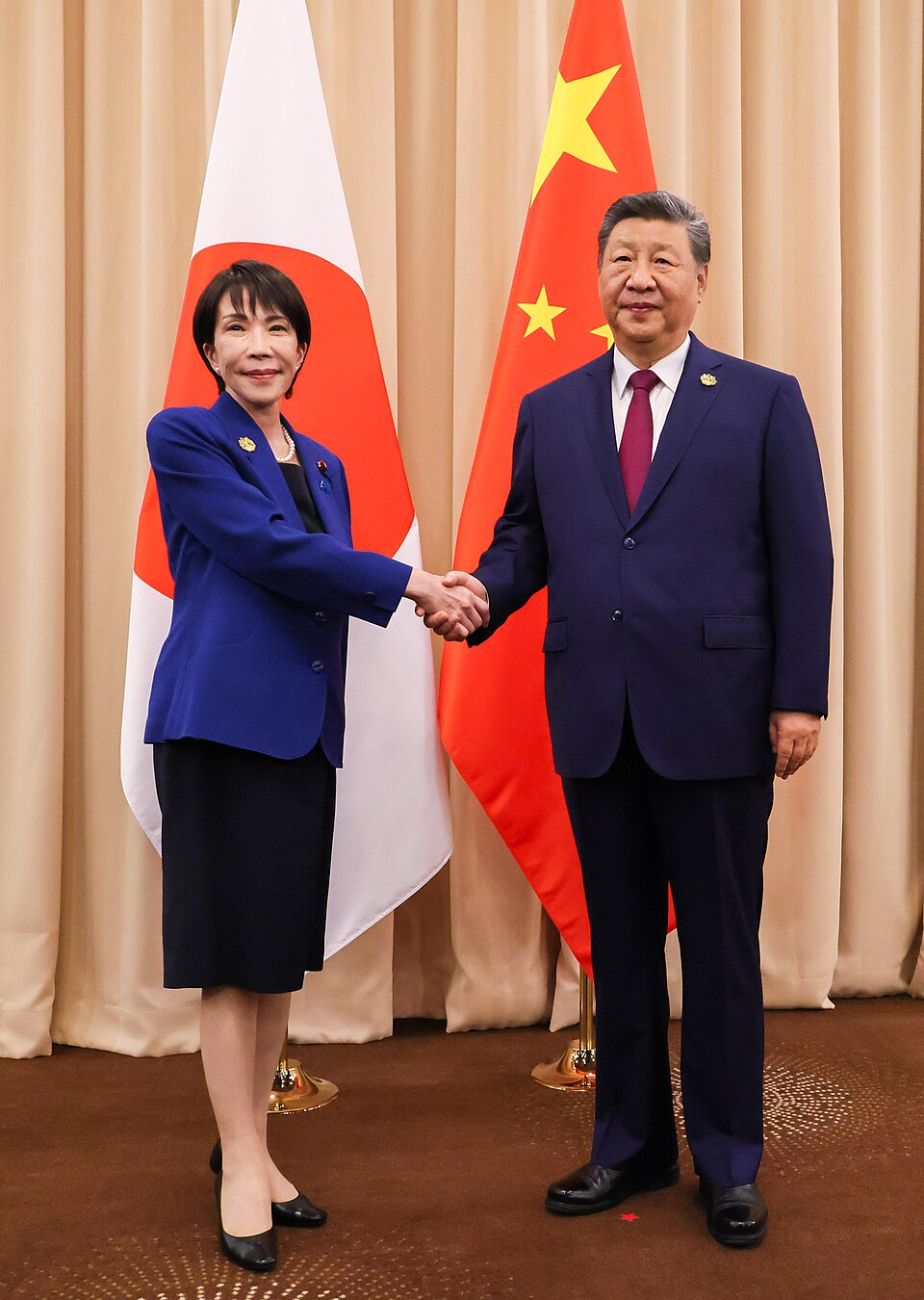
China–Japan relations have reached a new nadir following Japanese Prime Minister Sanae Takaichi’s remarks on the implications of a potential Taiwan contingency for Japan. Deemed to have crossed a red line, Japan is currently facing the full brunt of China’s fury. China has responded with a wide range of retaliatory measures against Japan to pressure Takaichi into retracting her statements, as well as to “punish” Japan.
Economically, China has suspended imports of Japanese seafood, cut back on Chinese flights to Japan, and urged its citizens to curb travel to Japan. Militarily, in addition to a higher than usual deployment of Chinese maritime assets in East Asian waters, China’s jets have allegedly trained their radars on Japan’s Air Self-Defence Forces (ASDF) fighter aircraft on two separate occasions. Politically, Takaichi was publicly castigated by China’s foreign minister and shown the diplomatic cold shoulder by Premier Li Qiang at the G20 Summit.
Beyond exerting economic, military, and political pressures, China has concurrently launched a disinformation campaign against Japan. China’s strategy has centred on the propagation of spurious claims and subversive narratives to erode support for Japan and its government. China’s disinformation campaign carries far-reaching consequences for Japan. First, it has the potential to undermine Japan’s international standing. Second, it can threaten Japan’s national unity. Third, it may constrain the space for Takaichi’s administration to enact policies.
Impact on Japan’s International Standing
China has amplified its bilateral spat with Japan by bringing it to the international stage. China’s Permanent Representative to the United Nations, Fu Cong, wrote two letters to UN Secretary-General António Guterres to formally protest against Japan’s statements and to refute Japanese counter-arguments. In his first letter, Fu had framed Takaichi’s remarks as “a grave violation of international law and the basic norms that govern international relations”, as well as an aberration of the “purposes and principles” of the UN Charter. He also alluded to “Japan’s ambitions to overturn the post-war international order”. These accusations were reiterated in Fu’s second letter to Guterres. In both letters, Fu linked Takaichi’s mention of a “survival-threatening situation” to Japan’s “history of aggression” in Asia and its militarist past.
By pressing its case before the UN, China presented itself as a responsible and reasonable state that adheres to the international rules of governance and engagement. In contrast, its letters to the UN Secretary-General painted Japan as a rule-breaker and disruptor of the global order. The deliberate references to history and Japan’s “militarism” were meant to invoke wartime memories and negative perceptions of Japan, thereby reinforcing the image of Japan as a threat to peace. China’s moves were calculated to indict Japan in the court of international opinion and to inflict maximum reputational damage.
Impact on Japan’s Domestic Cohesion
China has also employed disinformation tactics to foment disunity within Japan. A week after the outbreak of bilateral tensions, the Chinese Communist Party-affiliated Global Times ran an editorial questioning Japan’s sovereignty over Okinawa, including claims that “historical and legal disputes over the sovereignty of the Ryukyu Islands have never ceased” and that Japan had “persistently pursued policies of discrimination and forced assimilation” in Okinawa. On the same day, the publication put out an “exclusive” report citing the concerns of a purported representative from Okinawa’s Convention and Visitors Bureau on the impact of Takaichi’s “regrettable” comments on tourism. This was followed by another “exclusive” feature two weeks later on supposed demands by Okinawans for Takaichi to retract her “erroneous remarks” at a “Nanjing Massacre memorial testimonial rally” in Naha.
China’s efforts to incite pro-independence and anti-government sentiments in Okinawa through disinformation are not a new development. But given the context of Takaichi’s statements, the move to discredit Takaichi in Okinawa suggests a Chinese strategy to leverage the fears of Okinawans being on the frontline of a Cross-Strait contingency. A poll conducted by Asahi Shimbun in 2022 showed that an overwhelming 85% of Okinawans feared being caught in a US–China conflict over Taiwan. While the effectiveness of China’s attempts to influence public opinion in Okinawa against Takaichi is unknown and may even be questionable, China’s attempts to sow doubt and division add further pressure on a newly-minted government seeking to secure its political foothold.
Impact on the Takaichi Administration’s Policymaking
China’s disinformation campaign can potentially limit the Takaichi administration’s policy manoeuvring space. Chinese Permanent Representative to the UN, Fu, characterised Japan’s defence build-up and increase in defence spending as “rearmament” efforts to fulfil its “militarist” ambitions and warned that Japan was shifting towards abandoning its non-nuclear stance. The claim that Japan was developing nuclear capabilities was reinforced by China’s Permanent Representative to the International Atomic Energy Agency (IAEA), Li Song, who alleged at a recent Board of Governors meeting that Japan was stockpiling plutonium beyond the level of civilian use.
Japan is facing pressure from the White House to raise its defence budget and the Takaichi government has indicated that it will raise defence expenditure to 2% of GDP in fiscal 2025. Additionally, there are plans to review Japan’s “Three Non-Nuclear Principles” to bolster US nuclear deterrence in light of the deteriorating regional security environment. Given the sensitivity of the nuclear issue, China’s insinuations may heighten concerns among large segments of the Japanese population who oppose these developments and fuel further resistance against the Takaichi administration’s planned policy moves.
Conclusion
China’s attempts to systematically chip away at Japan’s international profile and national unity through disinformation may be far more damaging for Japan, as it can potentially undo decades of foreign-policy statecraft and nation-building efforts. Japan has thus far pushed back against China’s claims in a composed and factual manner, and it will have to continue this measured yet proactive approach to counter China’s disinformation strategies.
Sarah Soh is an Associate Research Fellow in the Regional Security Architecture Programme at the Institute of Defence and Strategic Studies, S Rajaratnam School of International Studies, Singapore.
KEY TAKEAWAYS
• China has embarked on a disinformation campaign against Japan in the wake of their bilateral fallout.
• China’s disinformation strategy has largely revolved around the propagation of spurious claims and subversive narratives to erode support for Japan and its government.
• Disinformation has the potential to undermine Japan’s international standing, threaten its national cohesion, and limit the Takaichi administration’s policy space.
COMMENTARY
China–Japan relations have reached a new nadir following Japanese Prime Minister Sanae Takaichi’s remarks on the implications of a potential Taiwan contingency for Japan. Deemed to have crossed a red line, Japan is currently facing the full brunt of China’s fury. China has responded with a wide range of retaliatory measures against Japan to pressure Takaichi into retracting her statements, as well as to “punish” Japan.
Economically, China has suspended imports of Japanese seafood, cut back on Chinese flights to Japan, and urged its citizens to curb travel to Japan. Militarily, in addition to a higher than usual deployment of Chinese maritime assets in East Asian waters, China’s jets have allegedly trained their radars on Japan’s Air Self-Defence Forces (ASDF) fighter aircraft on two separate occasions. Politically, Takaichi was publicly castigated by China’s foreign minister and shown the diplomatic cold shoulder by Premier Li Qiang at the G20 Summit.
Beyond exerting economic, military, and political pressures, China has concurrently launched a disinformation campaign against Japan. China’s strategy has centred on the propagation of spurious claims and subversive narratives to erode support for Japan and its government. China’s disinformation campaign carries far-reaching consequences for Japan. First, it has the potential to undermine Japan’s international standing. Second, it can threaten Japan’s national unity. Third, it may constrain the space for Takaichi’s administration to enact policies.
Impact on Japan’s International Standing
China has amplified its bilateral spat with Japan by bringing it to the international stage. China’s Permanent Representative to the United Nations, Fu Cong, wrote two letters to UN Secretary-General António Guterres to formally protest against Japan’s statements and to refute Japanese counter-arguments. In his first letter, Fu had framed Takaichi’s remarks as “a grave violation of international law and the basic norms that govern international relations”, as well as an aberration of the “purposes and principles” of the UN Charter. He also alluded to “Japan’s ambitions to overturn the post-war international order”. These accusations were reiterated in Fu’s second letter to Guterres. In both letters, Fu linked Takaichi’s mention of a “survival-threatening situation” to Japan’s “history of aggression” in Asia and its militarist past.
By pressing its case before the UN, China presented itself as a responsible and reasonable state that adheres to the international rules of governance and engagement. In contrast, its letters to the UN Secretary-General painted Japan as a rule-breaker and disruptor of the global order. The deliberate references to history and Japan’s “militarism” were meant to invoke wartime memories and negative perceptions of Japan, thereby reinforcing the image of Japan as a threat to peace. China’s moves were calculated to indict Japan in the court of international opinion and to inflict maximum reputational damage.
Impact on Japan’s Domestic Cohesion
China has also employed disinformation tactics to foment disunity within Japan. A week after the outbreak of bilateral tensions, the Chinese Communist Party-affiliated Global Times ran an editorial questioning Japan’s sovereignty over Okinawa, including claims that “historical and legal disputes over the sovereignty of the Ryukyu Islands have never ceased” and that Japan had “persistently pursued policies of discrimination and forced assimilation” in Okinawa. On the same day, the publication put out an “exclusive” report citing the concerns of a purported representative from Okinawa’s Convention and Visitors Bureau on the impact of Takaichi’s “regrettable” comments on tourism. This was followed by another “exclusive” feature two weeks later on supposed demands by Okinawans for Takaichi to retract her “erroneous remarks” at a “Nanjing Massacre memorial testimonial rally” in Naha.
China’s efforts to incite pro-independence and anti-government sentiments in Okinawa through disinformation are not a new development. But given the context of Takaichi’s statements, the move to discredit Takaichi in Okinawa suggests a Chinese strategy to leverage the fears of Okinawans being on the frontline of a Cross-Strait contingency. A poll conducted by Asahi Shimbun in 2022 showed that an overwhelming 85% of Okinawans feared being caught in a US–China conflict over Taiwan. While the effectiveness of China’s attempts to influence public opinion in Okinawa against Takaichi is unknown and may even be questionable, China’s attempts to sow doubt and division add further pressure on a newly-minted government seeking to secure its political foothold.
Impact on the Takaichi Administration’s Policymaking
China’s disinformation campaign can potentially limit the Takaichi administration’s policy manoeuvring space. Chinese Permanent Representative to the UN, Fu, characterised Japan’s defence build-up and increase in defence spending as “rearmament” efforts to fulfil its “militarist” ambitions and warned that Japan was shifting towards abandoning its non-nuclear stance. The claim that Japan was developing nuclear capabilities was reinforced by China’s Permanent Representative to the International Atomic Energy Agency (IAEA), Li Song, who alleged at a recent Board of Governors meeting that Japan was stockpiling plutonium beyond the level of civilian use.
Japan is facing pressure from the White House to raise its defence budget and the Takaichi government has indicated that it will raise defence expenditure to 2% of GDP in fiscal 2025. Additionally, there are plans to review Japan’s “Three Non-Nuclear Principles” to bolster US nuclear deterrence in light of the deteriorating regional security environment. Given the sensitivity of the nuclear issue, China’s insinuations may heighten concerns among large segments of the Japanese population who oppose these developments and fuel further resistance against the Takaichi administration’s planned policy moves.
Conclusion
China’s attempts to systematically chip away at Japan’s international profile and national unity through disinformation may be far more damaging for Japan, as it can potentially undo decades of foreign-policy statecraft and nation-building efforts. Japan has thus far pushed back against China’s claims in a composed and factual manner, and it will have to continue this measured yet proactive approach to counter China’s disinformation strategies.
Sarah Soh is an Associate Research Fellow in the Regional Security Architecture Programme at the Institute of Defence and Strategic Studies, S Rajaratnam School of International Studies, Singapore.