


11 May 2026
IP26066 | The FPDA: A Force for Stability in a Sea of Change

KEY TAKEAWAYS
• The Five Power Defence Arrangements (FPDA) has been a force for stability in the Southeast Asian region since its inception in 1971. More than just a defence arrangement, the FPDA has helped to foster stronger multilateral relations among its members.
• However, while its consistency and continuity have contributed to its longevity, the FPDA must adapt in order to stay relevant amid a rapidly evolving security environment.
COMMENTARY
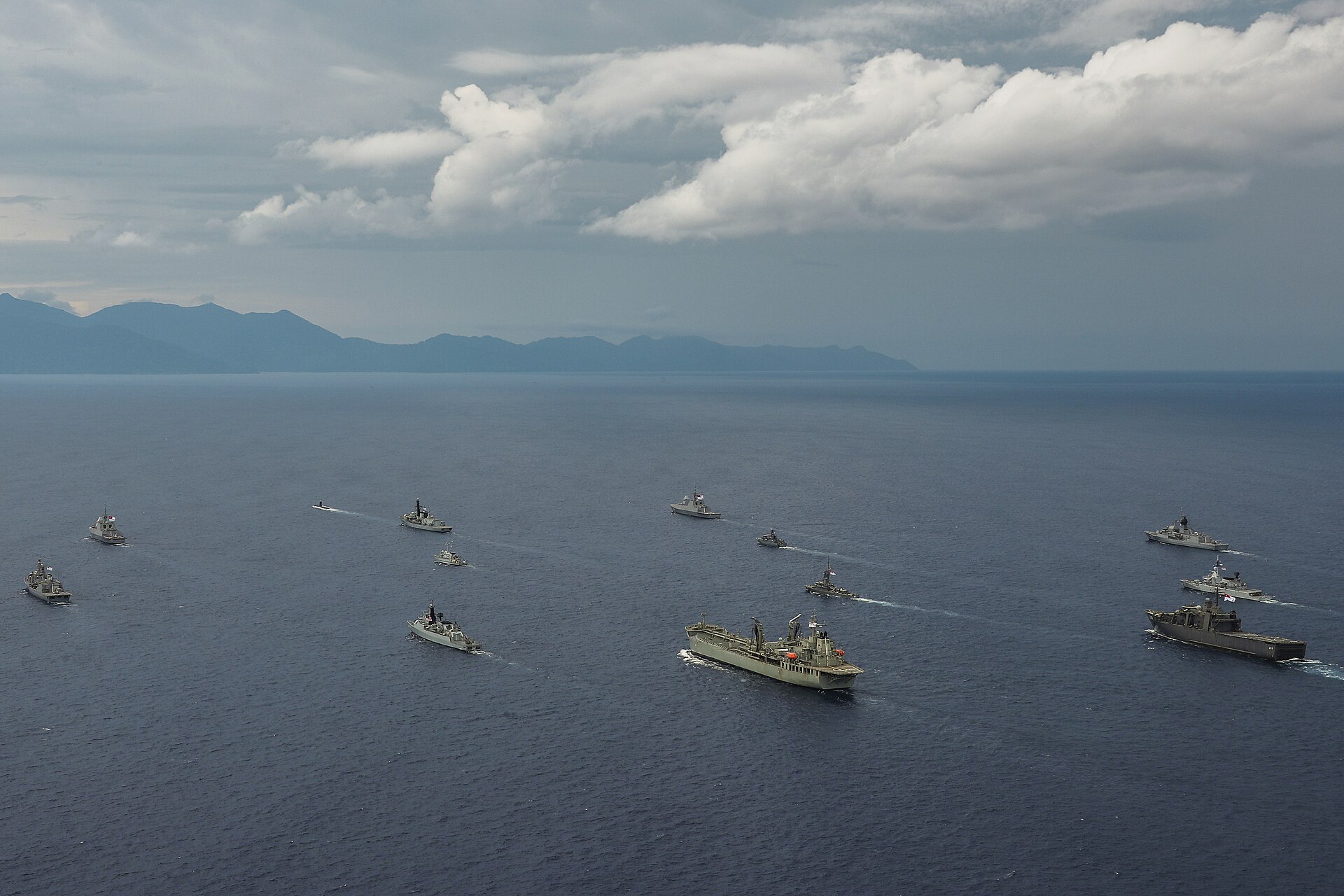
The recently concluded Exercise Bersama Shield 26 is the latest Bersama-series field training exercise conducted by the Five Power Defence Arrangements (FPDA), continuing a long tradition of partnership and cooperation that goes all the way back to 1971. Formed with the purpose of safeguarding the external defence of Malaysia and Singapore, the FPDA is a multilateral defence arrangement that brings together these two countries and Australia, New Zealand and the United Kingdom. It has endured despite changes in the region’s geopolitical context and the wider operating environment, remaining relevant from its inception during the Cold War to today’s era of great power competition, most notably between the United States and China. This continuity has allowed the FPDA to mature into an important pillar supporting the regional order, contributing to its peace and stability amid increased geopolitical uncertainty. However, as changes in the character of war and the emergence of disruptive technologies continue to transform the security environment, the FPDA must adapt if it wants to remain relevant.
A Force for Stability
It is hard to categorise the FPDA’s defence arrangement. Unlike NATO, it is neither a pact nor an alliance, with its members only committing to consult each other immediately regarding a potential response in the event, or threat, of armed aggression against Malaysia or Singapore. It is also not quite a coalition. Though somewhat of an informal military partnership, the FPDA is clearly not an ad hoc arrangement. Perhaps the most accurate description of it is as a multilateral security institution, albeit one that has a clear operational dimension. The distinction is important.
Unlike an alliance or a coalition, the FPDA’s arrangement is less threat-centric. Instead, it is focused more on strengthening mechanisms for mutual cooperation. Positive shared experiences further help to shape wider relations. In this way, the FPDA serves not only as a defence arrangement but also as a “reassurance mechanism”. For example, Singapore’s former minister for defence, Dr Ng Eng Hen, described the FPDA as the “grandfather of multilateralism”, emphasising its value to regional stability through its contribution to confidence-building, particularly between Malaysia and Singapore, and the positive reinforcement of multilateral relations. It also connects all five members at every level, from the ministerial level to the tactical operators on the ground.
However, the FPDA is more than just a platform for multilateral cooperation. The military partnership that has been forged through years of military-to-military cooperation and joint exercises is one that is robust and tangible, not just in terms of form, but substance. For example, the Headquarters Integrated Area Defence System (HQIADS) is permanently staffed by personnel from all five member countries and plays an active role in coordinating and planning combined and joint exercises and activities that support the FPDA’s core mission.
Nonetheless, friction is inevitable between the FPDA’s member countries – and even the various service branches – and must be actively managed. Here, the FPDA’s common mission and shared values serve as a unifying glue. On top of this, the working relations between the personnel on the ground go a long way towards fostering a better understanding of each other’s communication styles and cultural perspectives. In this way, the FPDA is a model of successful and effective defence diplomacy.
As the global security environment becomes more complex and uncertain, the greater risk to regional order will not be conflict per se, but the risk of miscalculation. Military strength alone therefore will not be sufficient to ensure the peace; trust will be just as important. When there is open communication, there is less tendency to resort to the unilateral use of force to resolve disputes, and in this regard, the FPDA will only become more important as international norms and structures fracture.
Adapting to Change
Consistency has long been one of the FPDA’s main strengths, allowing it to remain true to its mandate despite changes in the external environment over time. Even during the War on Terror, as militaries like those of the United States shifted their focus towards irregular threats, conventional defence remained the cornerstone of the FPDA’s raison d’être.
At the same time, the FPDA has thus far resisted the temptation to expand its membership, even if other states in the region have been invited to observe its exercises. This position has allowed the FPDA to avoid getting entangled in the wider region’s geopolitical sensitivities while keeping its consensus-based decision-making process relatively streamlined. Furthermore, the consistency of the FPDA’s makeup and mission has allowed it to build and maintain a healthy level of trust between its members. This in turn has helped foster a shared mindset, enhancing interoperability and jointness.
Nonetheless, the FPDA has several important challenges that it must navigate moving forward. With the changing character of war, conventional warfare today resists neat or rigid definition. The lines between war and peace, and internal and external threats, are increasingly blurred. Neither are security threats today purely military in nature. This new “conventional” may require the FPDA to reconsider the scope of its mandate and the thresholds that activate its intervention. Furthermore, this updated conceptualisation of conventional warfare must be standardised across the FPDA’s five members so that there is no confusion when it comes to planning and execution.
At the same time, the emerging cyber, information and space domains and disruptive technologies such as artificial intelligence and unmanned weapons systems will create new operational opportunities and challenges that the FPDA cannot afford to ignore. To allow it to continue to serve as a credible deterrent and to maintain its warfighting edge, relevant lessons from recent conflicts must be learnt across the board. This may however be challenging given the varying levels of force modernisation among its members. Furthermore, the FPDA’s overall effectiveness is contingent on what its members are willing to bring to the table, which can change depending on their respective circumstances.
Nonetheless, the FPDA has thus far demonstrated a willingness to adapt to the evolving operating environment. In the early 2000s, in response to the emergence of non-traditional security threats, it incorporated responses for unconventional threats such as terrorism, piracy and disasters into its exercises. And in the recent Exercise Bersama Shield 26, simulations involving the cyber and information domains featured prominently, acknowledging their ubiquity in modern warfare. The issue is less of whether the FPDA is willing to adapt than of the extent of its willingness and speed at which it is prepared to do so.
There is a danger that consistency can easily regress into rigidity, preventing the FPDA from adapting at the required pace of change. As the former chairman of the US Joint Chiefs of Staff, General Mark A. Milley, has argued, geostrategic competition and rapidly advancing technology are driving fundamental changes in the character of war, and at an unprecedented rate. In this context, the FPDA must find the right balance between continuity and change in order to stay ahead of the curve and to continue making a positive contribution to regional security.
Ian Li is a Research Fellow with the Military Studies Programme at the Institute of Defence and Strategic Studies (IDSS), S. Rajaratnam School of International Studies (RSIS).
KEY TAKEAWAYS
• The Five Power Defence Arrangements (FPDA) has been a force for stability in the Southeast Asian region since its inception in 1971. More than just a defence arrangement, the FPDA has helped to foster stronger multilateral relations among its members.
• However, while its consistency and continuity have contributed to its longevity, the FPDA must adapt in order to stay relevant amid a rapidly evolving security environment.
COMMENTARY
The recently concluded Exercise Bersama Shield 26 is the latest Bersama-series field training exercise conducted by the Five Power Defence Arrangements (FPDA), continuing a long tradition of partnership and cooperation that goes all the way back to 1971. Formed with the purpose of safeguarding the external defence of Malaysia and Singapore, the FPDA is a multilateral defence arrangement that brings together these two countries and Australia, New Zealand and the United Kingdom. It has endured despite changes in the region’s geopolitical context and the wider operating environment, remaining relevant from its inception during the Cold War to today’s era of great power competition, most notably between the United States and China. This continuity has allowed the FPDA to mature into an important pillar supporting the regional order, contributing to its peace and stability amid increased geopolitical uncertainty. However, as changes in the character of war and the emergence of disruptive technologies continue to transform the security environment, the FPDA must adapt if it wants to remain relevant.
A Force for Stability
It is hard to categorise the FPDA’s defence arrangement. Unlike NATO, it is neither a pact nor an alliance, with its members only committing to consult each other immediately regarding a potential response in the event, or threat, of armed aggression against Malaysia or Singapore. It is also not quite a coalition. Though somewhat of an informal military partnership, the FPDA is clearly not an ad hoc arrangement. Perhaps the most accurate description of it is as a multilateral security institution, albeit one that has a clear operational dimension. The distinction is important.
Unlike an alliance or a coalition, the FPDA’s arrangement is less threat-centric. Instead, it is focused more on strengthening mechanisms for mutual cooperation. Positive shared experiences further help to shape wider relations. In this way, the FPDA serves not only as a defence arrangement but also as a “reassurance mechanism”. For example, Singapore’s former minister for defence, Dr Ng Eng Hen, described the FPDA as the “grandfather of multilateralism”, emphasising its value to regional stability through its contribution to confidence-building, particularly between Malaysia and Singapore, and the positive reinforcement of multilateral relations. It also connects all five members at every level, from the ministerial level to the tactical operators on the ground.
However, the FPDA is more than just a platform for multilateral cooperation. The military partnership that has been forged through years of military-to-military cooperation and joint exercises is one that is robust and tangible, not just in terms of form, but substance. For example, the Headquarters Integrated Area Defence System (HQIADS) is permanently staffed by personnel from all five member countries and plays an active role in coordinating and planning combined and joint exercises and activities that support the FPDA’s core mission.
Nonetheless, friction is inevitable between the FPDA’s member countries – and even the various service branches – and must be actively managed. Here, the FPDA’s common mission and shared values serve as a unifying glue. On top of this, the working relations between the personnel on the ground go a long way towards fostering a better understanding of each other’s communication styles and cultural perspectives. In this way, the FPDA is a model of successful and effective defence diplomacy.
As the global security environment becomes more complex and uncertain, the greater risk to regional order will not be conflict per se, but the risk of miscalculation. Military strength alone therefore will not be sufficient to ensure the peace; trust will be just as important. When there is open communication, there is less tendency to resort to the unilateral use of force to resolve disputes, and in this regard, the FPDA will only become more important as international norms and structures fracture.
Adapting to Change
Consistency has long been one of the FPDA’s main strengths, allowing it to remain true to its mandate despite changes in the external environment over time. Even during the War on Terror, as militaries like those of the United States shifted their focus towards irregular threats, conventional defence remained the cornerstone of the FPDA’s raison d’être.
At the same time, the FPDA has thus far resisted the temptation to expand its membership, even if other states in the region have been invited to observe its exercises. This position has allowed the FPDA to avoid getting entangled in the wider region’s geopolitical sensitivities while keeping its consensus-based decision-making process relatively streamlined. Furthermore, the consistency of the FPDA’s makeup and mission has allowed it to build and maintain a healthy level of trust between its members. This in turn has helped foster a shared mindset, enhancing interoperability and jointness.
Nonetheless, the FPDA has several important challenges that it must navigate moving forward. With the changing character of war, conventional warfare today resists neat or rigid definition. The lines between war and peace, and internal and external threats, are increasingly blurred. Neither are security threats today purely military in nature. This new “conventional” may require the FPDA to reconsider the scope of its mandate and the thresholds that activate its intervention. Furthermore, this updated conceptualisation of conventional warfare must be standardised across the FPDA’s five members so that there is no confusion when it comes to planning and execution.
At the same time, the emerging cyber, information and space domains and disruptive technologies such as artificial intelligence and unmanned weapons systems will create new operational opportunities and challenges that the FPDA cannot afford to ignore. To allow it to continue to serve as a credible deterrent and to maintain its warfighting edge, relevant lessons from recent conflicts must be learnt across the board. This may however be challenging given the varying levels of force modernisation among its members. Furthermore, the FPDA’s overall effectiveness is contingent on what its members are willing to bring to the table, which can change depending on their respective circumstances.
Nonetheless, the FPDA has thus far demonstrated a willingness to adapt to the evolving operating environment. In the early 2000s, in response to the emergence of non-traditional security threats, it incorporated responses for unconventional threats such as terrorism, piracy and disasters into its exercises. And in the recent Exercise Bersama Shield 26, simulations involving the cyber and information domains featured prominently, acknowledging their ubiquity in modern warfare. The issue is less of whether the FPDA is willing to adapt than of the extent of its willingness and speed at which it is prepared to do so.
There is a danger that consistency can easily regress into rigidity, preventing the FPDA from adapting at the required pace of change. As the former chairman of the US Joint Chiefs of Staff, General Mark A. Milley, has argued, geostrategic competition and rapidly advancing technology are driving fundamental changes in the character of war, and at an unprecedented rate. In this context, the FPDA must find the right balance between continuity and change in order to stay ahead of the curve and to continue making a positive contribution to regional security.
Ian Li is a Research Fellow with the Military Studies Programme at the Institute of Defence and Strategic Studies (IDSS), S. Rajaratnam School of International Studies (RSIS).