


22 June 2026
CO26134 | Preventing the Instrumentalisation of Religion for Power and Dominance

SYNOPSIS
Religious narratives are increasingly shaping political discourse, as the US-Israel-Iran conflict demonstrates. To safeguard social cohesion and responsible public discourse, faith leaders, policymakers, and community leaders should strengthen principled religious engagement, promote critical thinking, encourage sustained cross-sector dialogue, and maintain governance frameworks that prevent the misuse of religion for political ends.
COMMENTARY
Religious discussions on contemporary issues can be both a force for good and a threat to society. These can shape thinking, but also be used to sway emotions. For policymakers and faith leaders, the focus should instead be on prevention, discernment, dialogue, and governance.
Across many societies, religion is no longer confined to the private sphere. Religious beliefs, symbols, and leaders increasingly influence public debates and political decision-making. At the same time, political actors often draw on religious language to strengthen legitimacy, rally support, or frame conflicts in moral terms.
Religion can and should contribute positively to public life by promoting ethical values, social responsibility, and community solidarity. The problem arises when religious narratives are selectively used to justify political and military objectives, advance partisan interests, or portray political conflicts as sacred struggles.
Religious Narratives in Contemporary Conflicts
Recent international conflicts demonstrate how religious rhetoric can shape public perceptions and political support.
In the US-Israel-Iran conflict, religious language has frequently accompanied political and military narratives. When political and religious leaders publicly invoke divine approval for political decisions, they reinforce the perception that those decisions carry sacred approval. Similarly, some political actors have invoked references to religious themes and historical religious narratives to frame contemporary conflicts.
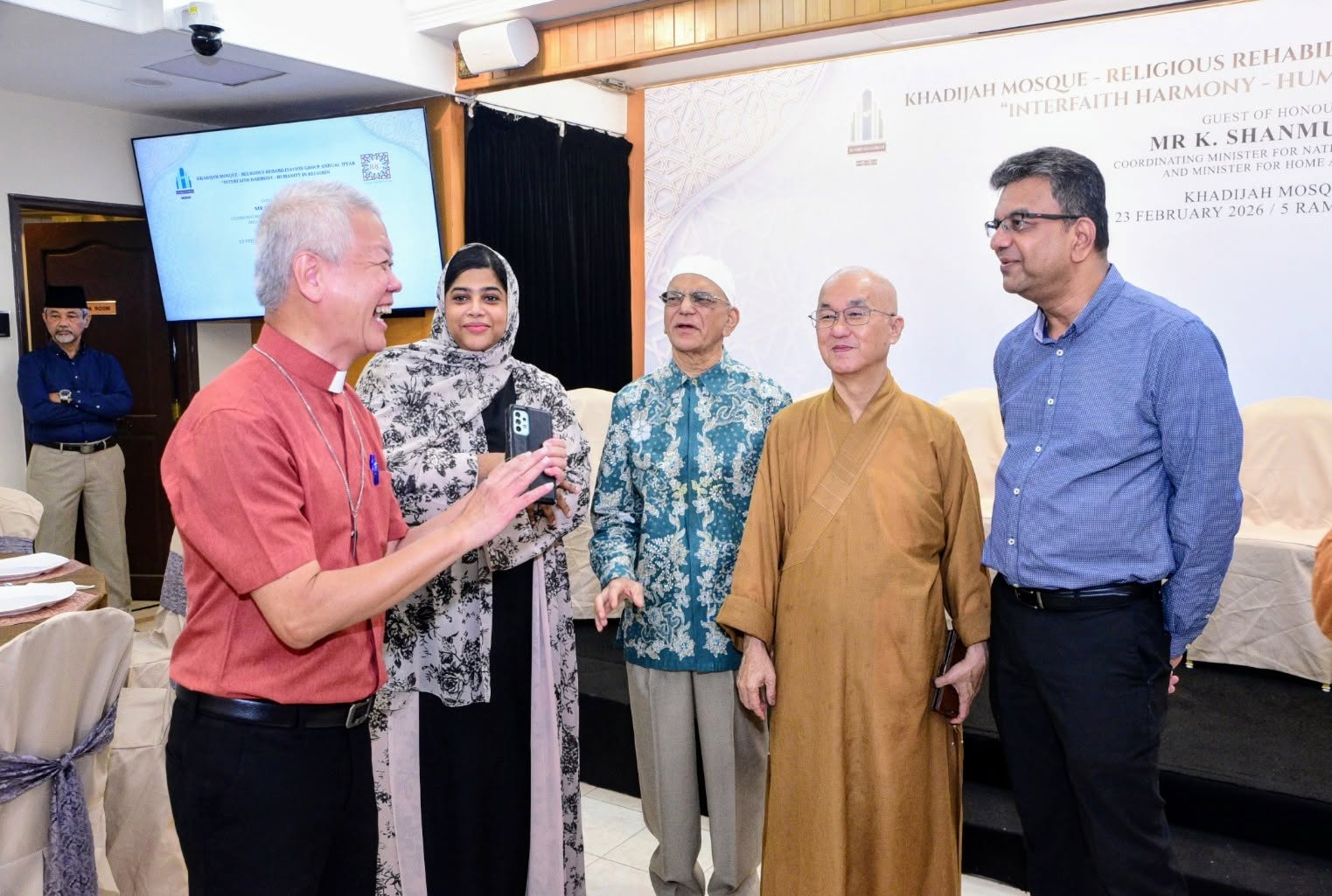
Such examples are not limited to any religion, country, or community. Across different traditions and contexts, religious language is often invoked to strengthen political positions, mobilise supporters, and legitimise particular actions. The concern is not religion itself, but the selective use of religious narratives to advance power, dominance, or conflict.
Strengthening Responsible Religious Engagement
Ground Religious Engagement in Clear Principles
Faith leaders play a critical role in articulating enduring religious principles such as justice, compassion, human dignity, peace, and responsibility. Religious texts can easily be manipulated for political and personal ends. Heightened emotions, particularly anger and outrage, can cloud judgment and make individuals susceptible to the manipulation of religious narratives. In times of helplessness and despair, manipulated religious narratives find fertile ground among those seeking hope and meaning. This is precisely where the role of faith leaders becomes critical in grounding the narratives in clear principles.
When these principles are clearly articulated, communities are better equipped to distinguish between authentic religious teachings and selective interpretations that serve political or ideological interests. Religious education should therefore emphasise ethical principles and contextual understanding, not merely rituals, laws, identities, or doctrinal differences.
Strengthen Critical Thinking and Discernment
The ease with which misinformation, disinformation, and emotionally charged content are circulated makes discernment increasingly challenging but nevertheless important. Religious communities should cultivate habits of verification, critical inquiry, and responsible information sharing. Individuals should evaluate claims based on credible evidence rather than accepting them solely because they align with existing beliefs, loyalties, or grievances. Building such habits is essential for reducing the spread of divisive narratives and preventing the misuse of religion in public discourse.
Encourage Sustained Dialogue Among Leaders
Regular engagement among religious, political, and community leaders helps build trust, mutual understanding, and shared responsibility. Such engagement should not be limited to responding to crises. Instead, it should be a continuous process that nurtures trust, strengthens relationships, promotes constructive public discourse, and helps leaders address emerging tensions before they escalate. In times of peace, trust is developed. In times of crisis, trust is mustered. Strong networks of trust provide an important safeguard against attempts to exploit religious differences for political purposes.
Maintain Effective Governance Frameworks
Effective governance remains an important safeguard against the politicisation of religion. Singapore’s approach to this issue offers a useful example. It protects religious freedom while maintaining clear boundaries between religion and politics. Instruments such as the Maintenance of Religious Harmony Act (MRHA) and the Protection from Online Falsehoods and Manipulation Act (POFMA) are mechanisms to prevent the exploitation of religion for political mobilisation, social division, or extremism.
As societies become more interconnected through digital media, governments and public institutions will need to continue refining policies that address harmful narratives while preserving legitimate religious expression and freedom of belief. This has become even more urgent in the age of artificial intelligence (AI) and chatbots, where AI can generate powerful emotive content, including impactful images and videos.
Conclusion
Religion remains a powerful force in public life. Its influence can strengthen social cohesion, inspire service, and promote moral responsibility. Yet the same influence can be misused when religious narratives are used to legitimise political and military power, justify conflicts, or deepen divisions.
The most effective response is not to exclude religion from public life, but to ensure it is engaged responsibly. Faith leaders should consistently articulate enduring ethical principles. Educational and community institutions should strengthen critical thinking and discernment. Political, religious, and civic leaders should sustain meaningful dialogue. Governments should maintain clear and balanced governance frameworks and consistency in their applications that protect both religious freedom and social harmony.
Together, these measures can help ensure that religion remains a source of moral guidance and social good rather than a tool for political dominance.
About the Author
Dr Mohammad Hannan Hassan is a Senior Fellow at the S. Rajaratnam School of International Studies (RSIS), Nanyang Technological University (NTU), Singapore. He served for 28 years at the Islamic Religious Council of Singapore (MUIS), including as Head and Assistant Director of Islamic and Madrasah Education, Vice Dean of Muis Academy (2008-2024), and Deputy Mufti (2020–2025).
SYNOPSIS
Religious narratives are increasingly shaping political discourse, as the US-Israel-Iran conflict demonstrates. To safeguard social cohesion and responsible public discourse, faith leaders, policymakers, and community leaders should strengthen principled religious engagement, promote critical thinking, encourage sustained cross-sector dialogue, and maintain governance frameworks that prevent the misuse of religion for political ends.
COMMENTARY
Religious discussions on contemporary issues can be both a force for good and a threat to society. These can shape thinking, but also be used to sway emotions. For policymakers and faith leaders, the focus should instead be on prevention, discernment, dialogue, and governance.
Across many societies, religion is no longer confined to the private sphere. Religious beliefs, symbols, and leaders increasingly influence public debates and political decision-making. At the same time, political actors often draw on religious language to strengthen legitimacy, rally support, or frame conflicts in moral terms.
Religion can and should contribute positively to public life by promoting ethical values, social responsibility, and community solidarity. The problem arises when religious narratives are selectively used to justify political and military objectives, advance partisan interests, or portray political conflicts as sacred struggles.
Religious Narratives in Contemporary Conflicts
Recent international conflicts demonstrate how religious rhetoric can shape public perceptions and political support.
In the US-Israel-Iran conflict, religious language has frequently accompanied political and military narratives. When political and religious leaders publicly invoke divine approval for political decisions, they reinforce the perception that those decisions carry sacred approval. Similarly, some political actors have invoked references to religious themes and historical religious narratives to frame contemporary conflicts.
Such examples are not limited to any religion, country, or community. Across different traditions and contexts, religious language is often invoked to strengthen political positions, mobilise supporters, and legitimise particular actions. The concern is not religion itself, but the selective use of religious narratives to advance power, dominance, or conflict.
Strengthening Responsible Religious Engagement
Ground Religious Engagement in Clear Principles
Faith leaders play a critical role in articulating enduring religious principles such as justice, compassion, human dignity, peace, and responsibility. Religious texts can easily be manipulated for political and personal ends. Heightened emotions, particularly anger and outrage, can cloud judgment and make individuals susceptible to the manipulation of religious narratives. In times of helplessness and despair, manipulated religious narratives find fertile ground among those seeking hope and meaning. This is precisely where the role of faith leaders becomes critical in grounding the narratives in clear principles.
When these principles are clearly articulated, communities are better equipped to distinguish between authentic religious teachings and selective interpretations that serve political or ideological interests. Religious education should therefore emphasise ethical principles and contextual understanding, not merely rituals, laws, identities, or doctrinal differences.
Strengthen Critical Thinking and Discernment
The ease with which misinformation, disinformation, and emotionally charged content are circulated makes discernment increasingly challenging but nevertheless important. Religious communities should cultivate habits of verification, critical inquiry, and responsible information sharing. Individuals should evaluate claims based on credible evidence rather than accepting them solely because they align with existing beliefs, loyalties, or grievances. Building such habits is essential for reducing the spread of divisive narratives and preventing the misuse of religion in public discourse.
Encourage Sustained Dialogue Among Leaders
Regular engagement among religious, political, and community leaders helps build trust, mutual understanding, and shared responsibility. Such engagement should not be limited to responding to crises. Instead, it should be a continuous process that nurtures trust, strengthens relationships, promotes constructive public discourse, and helps leaders address emerging tensions before they escalate. In times of peace, trust is developed. In times of crisis, trust is mustered. Strong networks of trust provide an important safeguard against attempts to exploit religious differences for political purposes.
Maintain Effective Governance Frameworks
Effective governance remains an important safeguard against the politicisation of religion. Singapore’s approach to this issue offers a useful example. It protects religious freedom while maintaining clear boundaries between religion and politics. Instruments such as the Maintenance of Religious Harmony Act (MRHA) and the Protection from Online Falsehoods and Manipulation Act (POFMA) are mechanisms to prevent the exploitation of religion for political mobilisation, social division, or extremism.
As societies become more interconnected through digital media, governments and public institutions will need to continue refining policies that address harmful narratives while preserving legitimate religious expression and freedom of belief. This has become even more urgent in the age of artificial intelligence (AI) and chatbots, where AI can generate powerful emotive content, including impactful images and videos.
Conclusion
Religion remains a powerful force in public life. Its influence can strengthen social cohesion, inspire service, and promote moral responsibility. Yet the same influence can be misused when religious narratives are used to legitimise political and military power, justify conflicts, or deepen divisions.
The most effective response is not to exclude religion from public life, but to ensure it is engaged responsibly. Faith leaders should consistently articulate enduring ethical principles. Educational and community institutions should strengthen critical thinking and discernment. Political, religious, and civic leaders should sustain meaningful dialogue. Governments should maintain clear and balanced governance frameworks and consistency in their applications that protect both religious freedom and social harmony.
Together, these measures can help ensure that religion remains a source of moral guidance and social good rather than a tool for political dominance.
About the Author
Dr Mohammad Hannan Hassan is a Senior Fellow at the S. Rajaratnam School of International Studies (RSIS), Nanyang Technological University (NTU), Singapore. He served for 28 years at the Islamic Religious Council of Singapore (MUIS), including as Head and Assistant Director of Islamic and Madrasah Education, Vice Dean of Muis Academy (2008-2024), and Deputy Mufti (2020–2025).