

16 December 2025
CO25243 | Regional and Domestic Interests in the Philippines’ ASEAN Agenda

SYNOPSIS
As the start of its chairmanship year approaches, the Philippines has begun to unveil its priorities for ASEAN in 2026. The success of this agenda – especially in maritime security, AI, and supply chains – will be driven by the interplay of regional and local incentives.
COMMENTARY
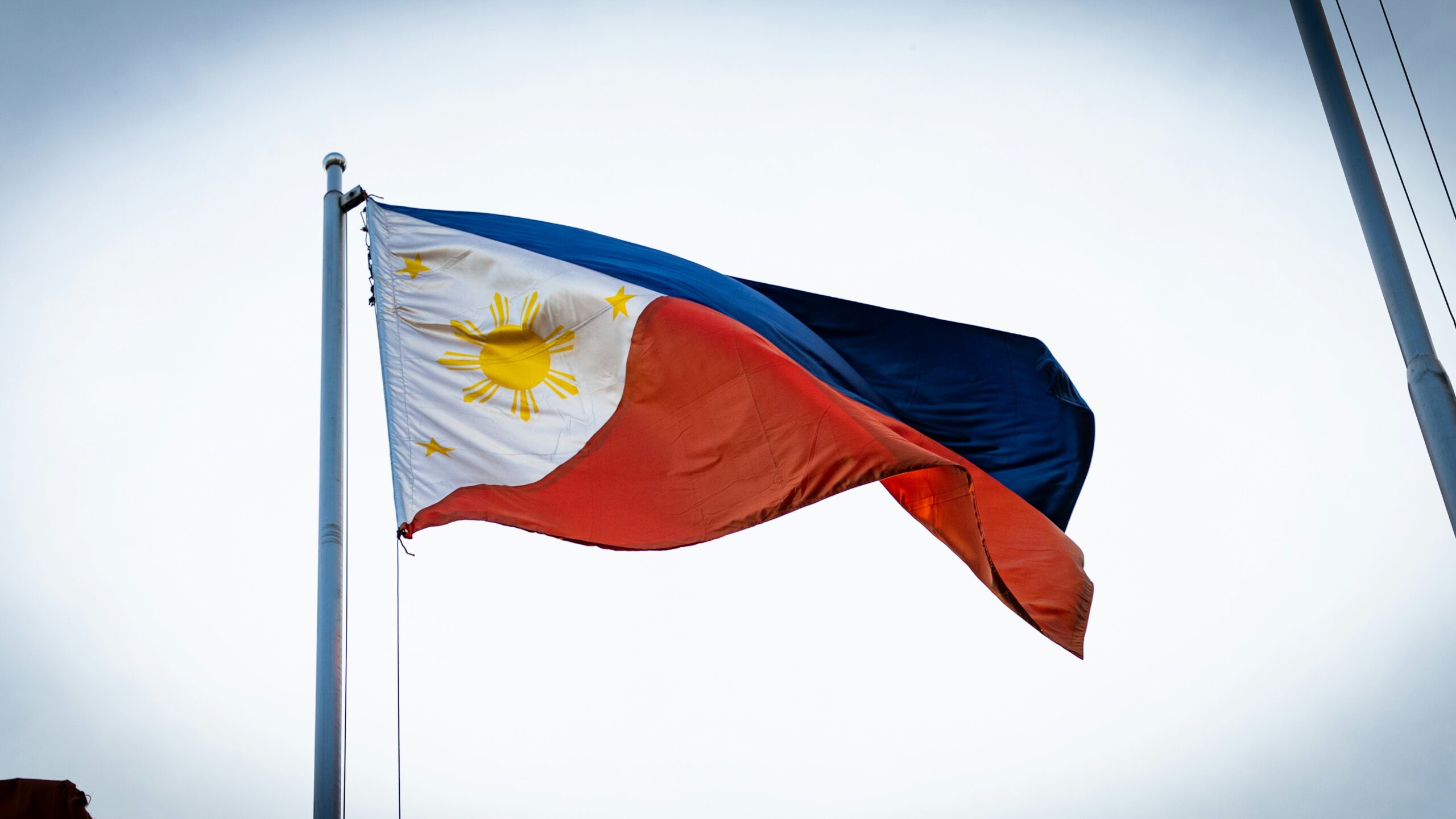
In 2026, all eyes will turn to the Philippines as it assumes the chairmanship of ASEAN. With the theme “Navigating our Future, Together”, the Philippines sets an agenda for what President Ferdinand Marcos Jr. describes as a “forward-looking ASEAN”. It encompasses a wide range of issues including humanitarian and disaster resilience, climate change, economic and supply chain integration, and digitalisation and artificial intelligence.
This agenda reflects the shared ambitions of the grouping’s eleven members, including the new member, Timor-Leste. It also reflects continuity with that of previous chairs. As the 2026 chair, the Philippines is tasked to kickstart the measures in ASEAN’s 2026 Strategic Plans for its political-security, economic, and sociocultural pillars, which were finalised during Malaysia’s chairmanship in 2025. From a Philippine perspective, the ASEAN chairmanship also offers an opportunity for it to advance parts of its domestic agenda by linking its national interests to regional priorities and opportunities.
Finalising the Code of Conduct on the South China Sea
Many observers will be watching whether the Code of Conduct on the South China Sea can be finalised in 2026. The Philippines’ foreign affairs secretary had previously committed to this goal, honouring a deadline China and ASEAN’s foreign ministers agreed to three years ago. For the secretary to raise the possibility of weekly negotiation meetings highlights how challenging it is to reach consensus on key differences, especially on its legally binding status, and how important it is that national policymakers view the Code as finalised.
Analysts have already written about what is at stake for the Philippines and ASEAN in achieving this milestone. As Charmaine Misalucha-Willoughby argues, the expectations for the Philippines as chair may come at the expense of its national interests. The South China Sea will place the Philippines in a complex conundrum: How can it facilitate consensus toward an agreement while still securing an outcome favourable to the Filipino public, who have strong opinions on the contested waters?
Solving the conundrum requires considering the bigger picture of Philippine foreign policy. Both ASEAN and external defence partners serve the Philippines’ national security interests through a “dual pillar” strategy, where the country views its network of security partners as necessary to improve its defence posture and ASEAN as the primary driver of a rules-based regional order. The Code of Conduct would be a major step for the latter; the Philippines has considerable interest in finding common ground to deliver with its ASEAN neighbours.
Advancing Ethical Artificial Intelligence
The Philippines intends to build on the progress made in regional AI policy over the last two years. During its 2025 chairmanship, Malaysia leveraged the opportunity to position itself as a regional leader in AI by hosting the ASEAN AI Malaysia Summit. As early as 2024, Philippine government officials had already hinted that AI would be a major issue during their next ASEAN chairmanship. President Marcos reiterated this pledge during the 46th Leaders’ Summit in Malaysia.
Progress on this policy is crucial to steering AI adoption and investment into the region and putting the spotlight on the Philippines’ own ambitions for AI. As Malaysia showed last year, the chairmanship can help define where the Philippines places itself within the region’s AI industry. It can also pursue foreign partnerships with ASEAN’s dialogue partners, accomplishing a goal in the Philippines’ National AI Strategy Roadmap 2.0 to attract foreign investments to build its AI footing.
How exactly the Philippines intends to expand ASEAN’s AI policy blueprint will be clearer as it rolls out its agenda. Previously, it appeared that this would take the form of a regional legal AI framework. However, as the Digital Economic Framework Agreement (DEFA) negotiations demonstrate, finalising such a document can take years. The country also has a less comprehensive national AI governance framework than its ASEAN neighbours, who could be more credible norm entrepreneurs in the AI space.
Instead, frameworks that focus on sector-specific applications of AI ethics in industries such as healthcare and finance still build on ASEAN’s previous milestones in ethical AI, which have focused on general principles and applications. It allows the Philippines to maintain its commitments as chair without adding another binding digital agreement alongside DEFA.
Integrated Semiconductor Supply Chains
An area that has recently gained traction and arguably has the strongest compatibility with the Philippines’ domestic policy agenda is supply chains, especially in semiconductors. Industrial cooperation is a key measure of the ASEAN Economic Community’s 2026-2030 Strategic Plan, and the groundwork for regional semiconductor cooperation has been laid with the recently unveiled ASEAN Framework for Integrated Semiconductor Supply Chain (AFISS). The AFISS is a non-binding framework designed to further develop the region’s semiconductor industry into a “vertically integrated production base”.
While semiconductors are a top export for the Philippines, the country’s position in the supply chain is less prominent than that of neighbours like Malaysia and Singapore. The upside is that it implies higher growth potential for the country’s semiconductor industry, and the government has taken steps to capitalise on the opportunity. The AFISS coincides with the country’s industrial policy, the Tatak Pinoy (Proudly Filipino) Act, which aims to create up to 15,000 new jobs and 10 chip design (or fabless) firms in the local chip industry by 2030.
The Philippines can use its chairmanship to exercise “semiconductor diplomacy” and fulfil some of its Tatak Pinoy objectives, such as securing partnerships between local firms and peers from ASEAN and developing regional supplier certifications. These steps would both grow the local semiconductor industry and strengthen links in the ASEAN supply chain, thereby advancing the Philippine domestic and ASEAN agendas.
Conclusion
The 2026 ASEAN chairmanship may be President Ferdinand Marcos Jr’s last chance to score a major foreign policy success before his presidency ends in June 2028. It also comes at a time when the country has started to position itself more aggressively as a middle power by diversifying its defence partnerships and canvassing for a seat on the UN Security Council.
Hence, it is no surprise that the Marcos administration has set forth an ambitious agenda for ASEAN in the year ahead. These priorities reflect deep linkages between the Marcos administration’s domestic and foreign policy objectives, but delivering on these goals will require finding areas of mutual agreement, consensus, and compromise with other ASEAN members.
About the Author
Jose Miguelito Enriquez is an Associate Research Fellow in the Centre for Multilateralism Studies at S. Rajaratnam School of International Studies (RSIS), Nanyang Technological University (NTU), Singapore.
SYNOPSIS
As the start of its chairmanship year approaches, the Philippines has begun to unveil its priorities for ASEAN in 2026. The success of this agenda – especially in maritime security, AI, and supply chains – will be driven by the interplay of regional and local incentives.
COMMENTARY
In 2026, all eyes will turn to the Philippines as it assumes the chairmanship of ASEAN. With the theme “Navigating our Future, Together”, the Philippines sets an agenda for what President Ferdinand Marcos Jr. describes as a “forward-looking ASEAN”. It encompasses a wide range of issues including humanitarian and disaster resilience, climate change, economic and supply chain integration, and digitalisation and artificial intelligence.
This agenda reflects the shared ambitions of the grouping’s eleven members, including the new member, Timor-Leste. It also reflects continuity with that of previous chairs. As the 2026 chair, the Philippines is tasked to kickstart the measures in ASEAN’s 2026 Strategic Plans for its political-security, economic, and sociocultural pillars, which were finalised during Malaysia’s chairmanship in 2025. From a Philippine perspective, the ASEAN chairmanship also offers an opportunity for it to advance parts of its domestic agenda by linking its national interests to regional priorities and opportunities.
Finalising the Code of Conduct on the South China Sea
Many observers will be watching whether the Code of Conduct on the South China Sea can be finalised in 2026. The Philippines’ foreign affairs secretary had previously committed to this goal, honouring a deadline China and ASEAN’s foreign ministers agreed to three years ago. For the secretary to raise the possibility of weekly negotiation meetings highlights how challenging it is to reach consensus on key differences, especially on its legally binding status, and how important it is that national policymakers view the Code as finalised.
Analysts have already written about what is at stake for the Philippines and ASEAN in achieving this milestone. As Charmaine Misalucha-Willoughby argues, the expectations for the Philippines as chair may come at the expense of its national interests. The South China Sea will place the Philippines in a complex conundrum: How can it facilitate consensus toward an agreement while still securing an outcome favourable to the Filipino public, who have strong opinions on the contested waters?
Solving the conundrum requires considering the bigger picture of Philippine foreign policy. Both ASEAN and external defence partners serve the Philippines’ national security interests through a “dual pillar” strategy, where the country views its network of security partners as necessary to improve its defence posture and ASEAN as the primary driver of a rules-based regional order. The Code of Conduct would be a major step for the latter; the Philippines has considerable interest in finding common ground to deliver with its ASEAN neighbours.
Advancing Ethical Artificial Intelligence
The Philippines intends to build on the progress made in regional AI policy over the last two years. During its 2025 chairmanship, Malaysia leveraged the opportunity to position itself as a regional leader in AI by hosting the ASEAN AI Malaysia Summit. As early as 2024, Philippine government officials had already hinted that AI would be a major issue during their next ASEAN chairmanship. President Marcos reiterated this pledge during the 46th Leaders’ Summit in Malaysia.
Progress on this policy is crucial to steering AI adoption and investment into the region and putting the spotlight on the Philippines’ own ambitions for AI. As Malaysia showed last year, the chairmanship can help define where the Philippines places itself within the region’s AI industry. It can also pursue foreign partnerships with ASEAN’s dialogue partners, accomplishing a goal in the Philippines’ National AI Strategy Roadmap 2.0 to attract foreign investments to build its AI footing.
How exactly the Philippines intends to expand ASEAN’s AI policy blueprint will be clearer as it rolls out its agenda. Previously, it appeared that this would take the form of a regional legal AI framework. However, as the Digital Economic Framework Agreement (DEFA) negotiations demonstrate, finalising such a document can take years. The country also has a less comprehensive national AI governance framework than its ASEAN neighbours, who could be more credible norm entrepreneurs in the AI space.
Instead, frameworks that focus on sector-specific applications of AI ethics in industries such as healthcare and finance still build on ASEAN’s previous milestones in ethical AI, which have focused on general principles and applications. It allows the Philippines to maintain its commitments as chair without adding another binding digital agreement alongside DEFA.
Integrated Semiconductor Supply Chains
An area that has recently gained traction and arguably has the strongest compatibility with the Philippines’ domestic policy agenda is supply chains, especially in semiconductors. Industrial cooperation is a key measure of the ASEAN Economic Community’s 2026-2030 Strategic Plan, and the groundwork for regional semiconductor cooperation has been laid with the recently unveiled ASEAN Framework for Integrated Semiconductor Supply Chain (AFISS). The AFISS is a non-binding framework designed to further develop the region’s semiconductor industry into a “vertically integrated production base”.
While semiconductors are a top export for the Philippines, the country’s position in the supply chain is less prominent than that of neighbours like Malaysia and Singapore. The upside is that it implies higher growth potential for the country’s semiconductor industry, and the government has taken steps to capitalise on the opportunity. The AFISS coincides with the country’s industrial policy, the Tatak Pinoy (Proudly Filipino) Act, which aims to create up to 15,000 new jobs and 10 chip design (or fabless) firms in the local chip industry by 2030.
The Philippines can use its chairmanship to exercise “semiconductor diplomacy” and fulfil some of its Tatak Pinoy objectives, such as securing partnerships between local firms and peers from ASEAN and developing regional supplier certifications. These steps would both grow the local semiconductor industry and strengthen links in the ASEAN supply chain, thereby advancing the Philippine domestic and ASEAN agendas.
Conclusion
The 2026 ASEAN chairmanship may be President Ferdinand Marcos Jr’s last chance to score a major foreign policy success before his presidency ends in June 2028. It also comes at a time when the country has started to position itself more aggressively as a middle power by diversifying its defence partnerships and canvassing for a seat on the UN Security Council.
Hence, it is no surprise that the Marcos administration has set forth an ambitious agenda for ASEAN in the year ahead. These priorities reflect deep linkages between the Marcos administration’s domestic and foreign policy objectives, but delivering on these goals will require finding areas of mutual agreement, consensus, and compromise with other ASEAN members.
About the Author
Jose Miguelito Enriquez is an Associate Research Fellow in the Centre for Multilateralism Studies at S. Rajaratnam School of International Studies (RSIS), Nanyang Technological University (NTU), Singapore.