


17 March 2026
CO26048 | The Iran War: The Centre of Gravity Shifts to the Strait of Hormuz

SYNOPSIS
Into the third week of war, the Iranian government has shown surprising resilience in withstanding relentless attacks from the United States-Israel offensive. International attention has shifted to the Strait of Hormuz, where Iran has deterred nearly all commercial ships from passing, causing global oil prices to skyrocket. How long can Iran leverage this pressure point? Are Tehran chances of survival now greater than at the beginning of the war?
COMMENTARY
Entering its third week of conflict, the Iran War, which started on 28 February, has moved into a period of uncertainty. Despite initial gains by the United States and Israel that have largely destroyed Iran’s command and control system, along with its nuclear, missile, and drone capabilities, Tehran has shown remarkable resilience in withstanding the relentless attacks.
These sorties will continue, as US President Donald Trump has estimated that the war could last four to five weeks, with the capacity to extend if necessary. Meanwhile, much of the international community’s attention has shifted to the Strait of Hormuz – the strategic chokepoint separating the Persian Gulf from the Gulf of Oman – where Iran has been preventing nearly all commercial ships from passing, thereby increasing global oil prices. The question is, how long can Iran sustain this pressure point?
The Strait of Hormuz is vital for global oil and gas supplies, handling about 20 per cent of the world’s oil and liquefied natural gas (LNG) exports. The Strait of Hormuz is a key strategic chokepoint in the Middle East. If it is blocked, oil prices would surge, affecting economies worldwide. Asia is particularly vulnerable, as India, China, Japan, South Korea and several ASEAN countries depend heavily on these oil imports. A prolonged closure would have severe global consequences, disrupting not just energy supplies but also international trade, supply chains, food security and inflation.
Consequently, even though the war is only in its third week, current tensions have caused countries to scramble for alternative routes. However, options are limited. Saudi Arabia has pipelines linking its eastern oil facilities to Yanbu on the Red Sea, while the UAE’s Habshan-Fujairah oil pipeline bypasses the Strait of Hormuz. Both are at risk of attack from Iran and its proxies. Iran attacked Fujairah port on 14 March, causing minimal damage but heightening regional tensions. So far, the Saudis have decided not to use their Yanbu facilities for oil exports via the Gulf of Aden due to fears of potential attacks by the Houthis, based in Yemen. The threat was serious enough to prompt the US to station its aircraft carrier USS Gerald R. Ford in the Red Sea.
In an effort to increase pressure on the regime, the US attacked Kharg Island on 11 March, claiming to target only Kharg’s military facilities housing missiles and mines, but leaving its oil facilities, which handle about 90 per cent of Iran’s oil exports, untouched. The attack caused extensive damage to the island’s infrastructure. Kharg’s vulnerability and strategic importance have led some analysts to speculate about further military actions, including the possibility of deploying American marines. However, given the uproar that a military occupation, even if temporary, would cause among his MAGA supporters, Trump is unlikely to pursue this course.
US efforts to open the Strait of Hormuz have been hampered by its inability to ensure that the narrow passage is relatively secure against Iranian attacks. Despite sinking over 50 Iranian naval vessels, Iran still possesses enough missiles, drones, and mines to strike ships not only through its coastal facilities, but also from locations deep inland. Several vessels have managed to slip through, but this is not sufficient to convince the insurance and shipping companies that it is safe to transit the strait. Although the US has offered to underwrite insurance for shipping losses and talked about deploying naval vessels to escort tankers, these remain mere talks.
A sign of how difficult it is to lift the blockade, President Trump has called on America’s European and Asian allies, and even China, to send naval vessels to the Hormuz Strait. Meanwhile, to ease the pressure of rising oil prices, the International Energy Agency (IEA) has agreed to release 400 million barrels. At the same time, the US and Saudi Arabia have pledged to ramp up oil production. Trump has issued a 30-day sanctions waiver for countries seeking to buy Russian crude as part of efforts to bring down oil prices.
Can diplomacy work?
Emboldened by its ability to rattle the global economy by restricting oil shipments, Tehran has set strict preconditions for any resumption of talks. Iran demands that the airstrikes cease before it will consider ceasefire negotiations and seeks firm guarantees that it will not be attacked again. It also wants reparations for damages and hopes to see US forces withdraw from the region.
None of those terms is likely to be acceptable to the US or Israel, which remain concerned about Iran’s nuclear and missile programmes. Trump has said that he wants Iran’s unconditional surrender or the collapse of its fighting capability. Efforts by Gulf states such as Oman and Saudi Arabia have not succeeded so far, as neither the US nor Iran is prepared to enter serious negotiations to end the conflict.
Iran made a disastrous mistake by attacking not only the Gulf states but also further afield, including Turkey and Azerbaijan. Besides targeting US bases stationed in those countries, Iran also struck at civilian infrastructure – airports, ports, shipping, resorts, and hotels. Even countries that did not host US bases, like Oman, had their largest oil storage facility hit.
These attacks led many countries to turn against Tehran, including Qatar, which shares the massive Pars gas field with Iran, and the UAE which, operates a large free trade zone selling Iranian goods. Until now, the GCC had been cautious about openly criticising Iran, but that is no longer the case. On 10 March, the UN Security Council adopted a resolution condemning Iran’s “egregious attacks” on Gulf countries and Jordan, with a record 135 co-sponsors. Notably, Russia and China abstained but did not exercise their veto rights. It would not be surprising if Iran’s unprovoked attacks prompt the Gulf states to join the Abraham Accords once the war is over.
What Next?
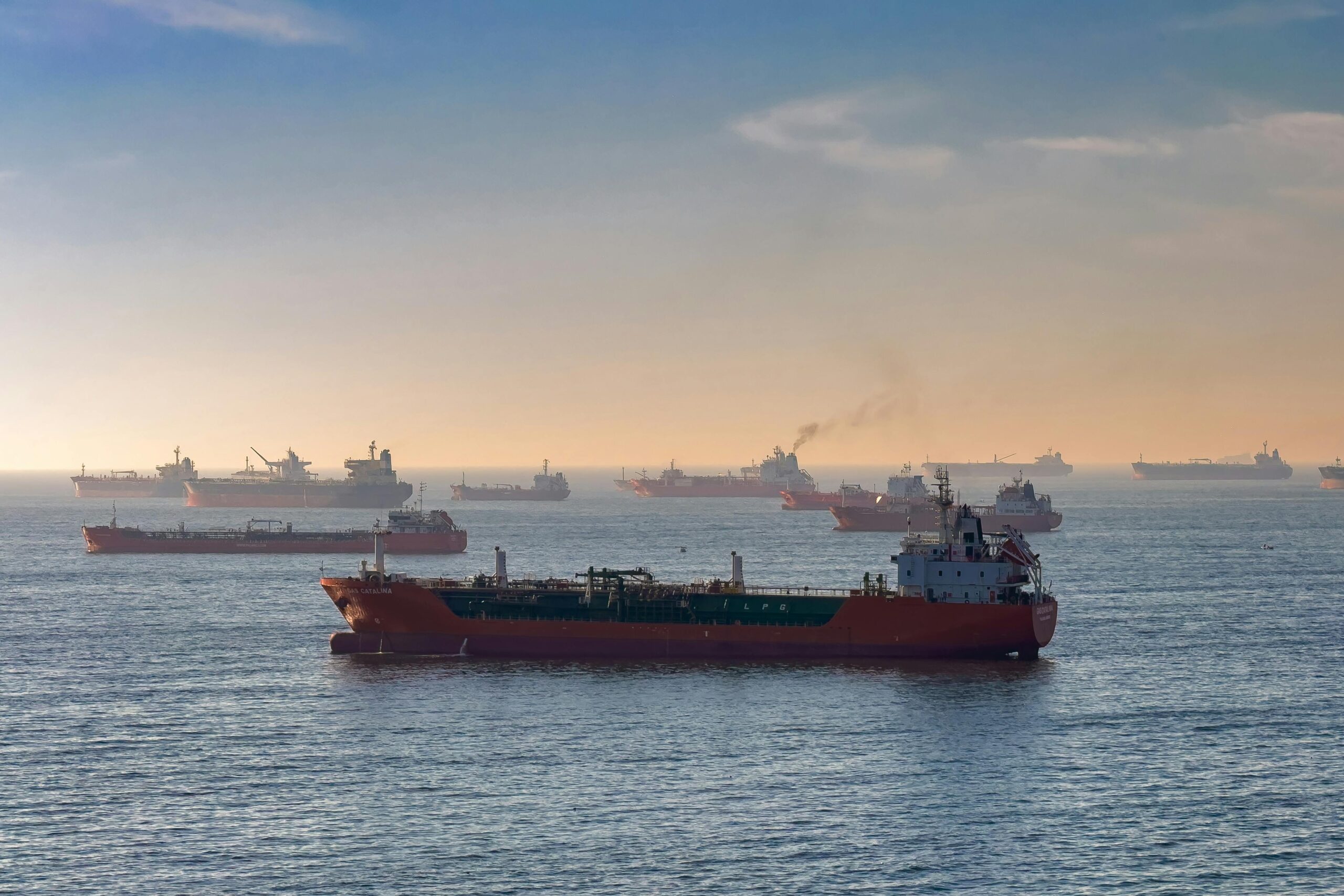
It is still early days into the conflict, and despite rising oil prices, there is no global shortage. So, why does this perception persist that Iran, lacking leadership, weapons, allies and proxies, can still instil fear? The regime’s ability to launch sporadic attacks on shipping is enough to deter tankers piled up for miles at the entrance to the Gulf. Even the US Navy is not willing to escort tankers through the strait because of the risk of attacks. It will only do so once the strait is clear.
Contrary to some experts’ predictions, oil will not rise to US$200. Oil remains around US$100 as global markets anticipate the Strait of Hormuz reopening soon, possibly by the end of March. Until then, high oil prices will hinder the Trump Administration’s efforts to lower costs and pose a threat to Republicans in the US midterms.
The question is, how long can Iran maintain this leverage? Are the regime’s chances of survival stronger now than at the beginning of the conflict? If, and this is a big if, the regime still survives and manages to prevent the Strait from reopening to oil and gas shipments, it would have succeeded.
Iran does not believe it can defeat the US on the battlefield; its strategy is about disrupting oil flows and applying international pressure for a truce.As for the US, the American public is gradually realising that going to war against Iran was not a choice between a good and a bad option; it was between a bad and a worse one, with the final outcome still uncertain.
About the Author
Lawrence Anderson is a former Singapore diplomat and Senior Fellow at the S. Rajaratnam School of International Studies (RSIS), Nanyang Technological University (NTU), Singapore.
SYNOPSIS
Into the third week of war, the Iranian government has shown surprising resilience in withstanding relentless attacks from the United States-Israel offensive. International attention has shifted to the Strait of Hormuz, where Iran has deterred nearly all commercial ships from passing, causing global oil prices to skyrocket. How long can Iran leverage this pressure point? Are Tehran chances of survival now greater than at the beginning of the war?
COMMENTARY
Entering its third week of conflict, the Iran War, which started on 28 February, has moved into a period of uncertainty. Despite initial gains by the United States and Israel that have largely destroyed Iran’s command and control system, along with its nuclear, missile, and drone capabilities, Tehran has shown remarkable resilience in withstanding the relentless attacks.
These sorties will continue, as US President Donald Trump has estimated that the war could last four to five weeks, with the capacity to extend if necessary. Meanwhile, much of the international community’s attention has shifted to the Strait of Hormuz – the strategic chokepoint separating the Persian Gulf from the Gulf of Oman – where Iran has been preventing nearly all commercial ships from passing, thereby increasing global oil prices. The question is, how long can Iran sustain this pressure point?
The Strait of Hormuz is vital for global oil and gas supplies, handling about 20 per cent of the world’s oil and liquefied natural gas (LNG) exports. The Strait of Hormuz is a key strategic chokepoint in the Middle East. If it is blocked, oil prices would surge, affecting economies worldwide. Asia is particularly vulnerable, as India, China, Japan, South Korea and several ASEAN countries depend heavily on these oil imports. A prolonged closure would have severe global consequences, disrupting not just energy supplies but also international trade, supply chains, food security and inflation.
Consequently, even though the war is only in its third week, current tensions have caused countries to scramble for alternative routes. However, options are limited. Saudi Arabia has pipelines linking its eastern oil facilities to Yanbu on the Red Sea, while the UAE’s Habshan-Fujairah oil pipeline bypasses the Strait of Hormuz. Both are at risk of attack from Iran and its proxies. Iran attacked Fujairah port on 14 March, causing minimal damage but heightening regional tensions. So far, the Saudis have decided not to use their Yanbu facilities for oil exports via the Gulf of Aden due to fears of potential attacks by the Houthis, based in Yemen. The threat was serious enough to prompt the US to station its aircraft carrier USS Gerald R. Ford in the Red Sea.
In an effort to increase pressure on the regime, the US attacked Kharg Island on 11 March, claiming to target only Kharg’s military facilities housing missiles and mines, but leaving its oil facilities, which handle about 90 per cent of Iran’s oil exports, untouched. The attack caused extensive damage to the island’s infrastructure. Kharg’s vulnerability and strategic importance have led some analysts to speculate about further military actions, including the possibility of deploying American marines. However, given the uproar that a military occupation, even if temporary, would cause among his MAGA supporters, Trump is unlikely to pursue this course.
US efforts to open the Strait of Hormuz have been hampered by its inability to ensure that the narrow passage is relatively secure against Iranian attacks. Despite sinking over 50 Iranian naval vessels, Iran still possesses enough missiles, drones, and mines to strike ships not only through its coastal facilities, but also from locations deep inland. Several vessels have managed to slip through, but this is not sufficient to convince the insurance and shipping companies that it is safe to transit the strait. Although the US has offered to underwrite insurance for shipping losses and talked about deploying naval vessels to escort tankers, these remain mere talks.
A sign of how difficult it is to lift the blockade, President Trump has called on America’s European and Asian allies, and even China, to send naval vessels to the Hormuz Strait. Meanwhile, to ease the pressure of rising oil prices, the International Energy Agency (IEA) has agreed to release 400 million barrels. At the same time, the US and Saudi Arabia have pledged to ramp up oil production. Trump has issued a 30-day sanctions waiver for countries seeking to buy Russian crude as part of efforts to bring down oil prices.
Can diplomacy work?
Emboldened by its ability to rattle the global economy by restricting oil shipments, Tehran has set strict preconditions for any resumption of talks. Iran demands that the airstrikes cease before it will consider ceasefire negotiations and seeks firm guarantees that it will not be attacked again. It also wants reparations for damages and hopes to see US forces withdraw from the region.
None of those terms is likely to be acceptable to the US or Israel, which remain concerned about Iran’s nuclear and missile programmes. Trump has said that he wants Iran’s unconditional surrender or the collapse of its fighting capability. Efforts by Gulf states such as Oman and Saudi Arabia have not succeeded so far, as neither the US nor Iran is prepared to enter serious negotiations to end the conflict.
Iran made a disastrous mistake by attacking not only the Gulf states but also further afield, including Turkey and Azerbaijan. Besides targeting US bases stationed in those countries, Iran also struck at civilian infrastructure – airports, ports, shipping, resorts, and hotels. Even countries that did not host US bases, like Oman, had their largest oil storage facility hit.
These attacks led many countries to turn against Tehran, including Qatar, which shares the massive Pars gas field with Iran, and the UAE which, operates a large free trade zone selling Iranian goods. Until now, the GCC had been cautious about openly criticising Iran, but that is no longer the case. On 10 March, the UN Security Council adopted a resolution condemning Iran’s “egregious attacks” on Gulf countries and Jordan, with a record 135 co-sponsors. Notably, Russia and China abstained but did not exercise their veto rights. It would not be surprising if Iran’s unprovoked attacks prompt the Gulf states to join the Abraham Accords once the war is over.
What Next?
It is still early days into the conflict, and despite rising oil prices, there is no global shortage. So, why does this perception persist that Iran, lacking leadership, weapons, allies and proxies, can still instil fear? The regime’s ability to launch sporadic attacks on shipping is enough to deter tankers piled up for miles at the entrance to the Gulf. Even the US Navy is not willing to escort tankers through the strait because of the risk of attacks. It will only do so once the strait is clear.
Contrary to some experts’ predictions, oil will not rise to US$200. Oil remains around US$100 as global markets anticipate the Strait of Hormuz reopening soon, possibly by the end of March. Until then, high oil prices will hinder the Trump Administration’s efforts to lower costs and pose a threat to Republicans in the US midterms.
The question is, how long can Iran maintain this leverage? Are the regime’s chances of survival stronger now than at the beginning of the conflict? If, and this is a big if, the regime still survives and manages to prevent the Strait from reopening to oil and gas shipments, it would have succeeded.
Iran does not believe it can defeat the US on the battlefield; its strategy is about disrupting oil flows and applying international pressure for a truce.As for the US, the American public is gradually realising that going to war against Iran was not a choice between a good and a bad option; it was between a bad and a worse one, with the final outcome still uncertain.
About the Author
Lawrence Anderson is a former Singapore diplomat and Senior Fellow at the S. Rajaratnam School of International Studies (RSIS), Nanyang Technological University (NTU), Singapore.


