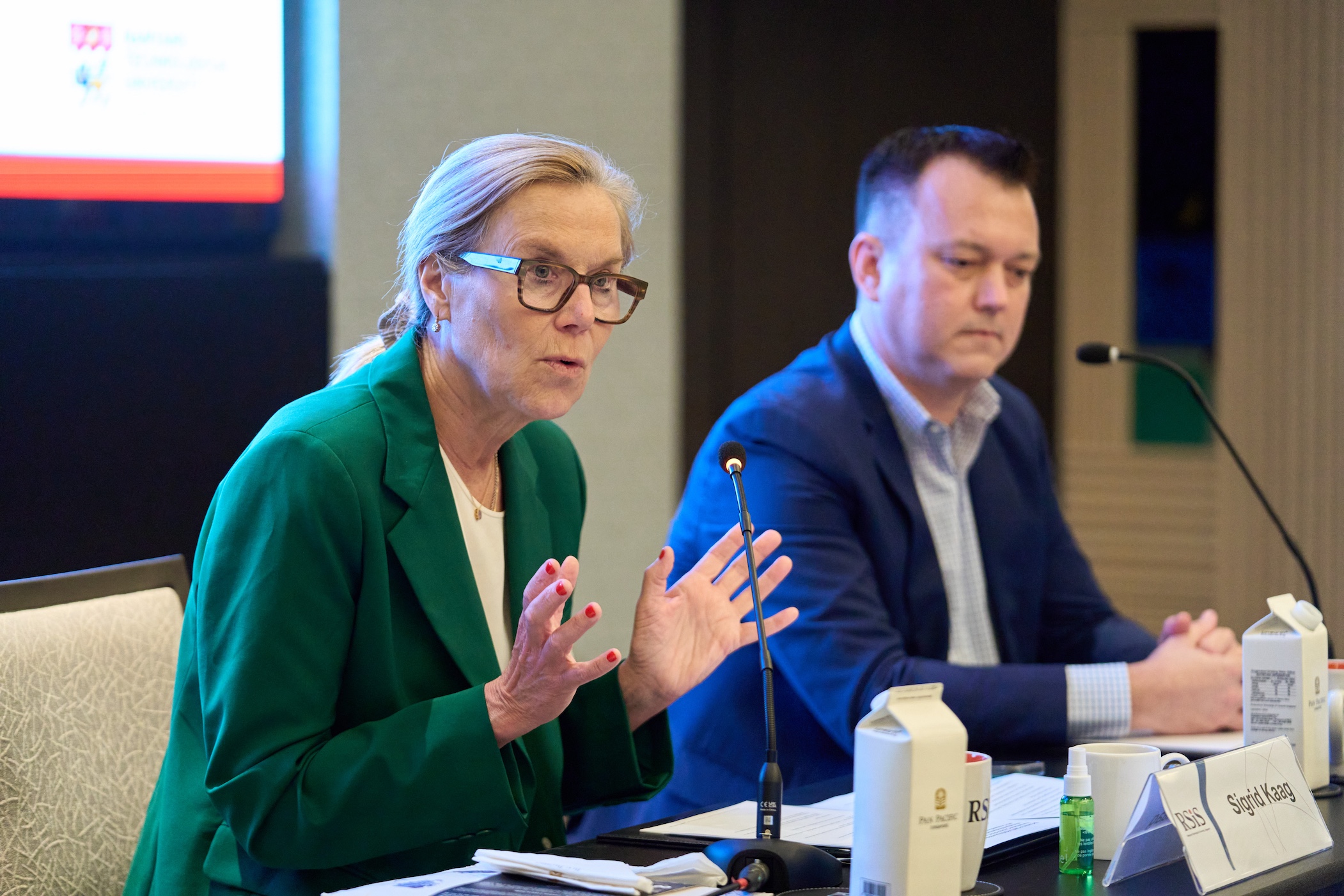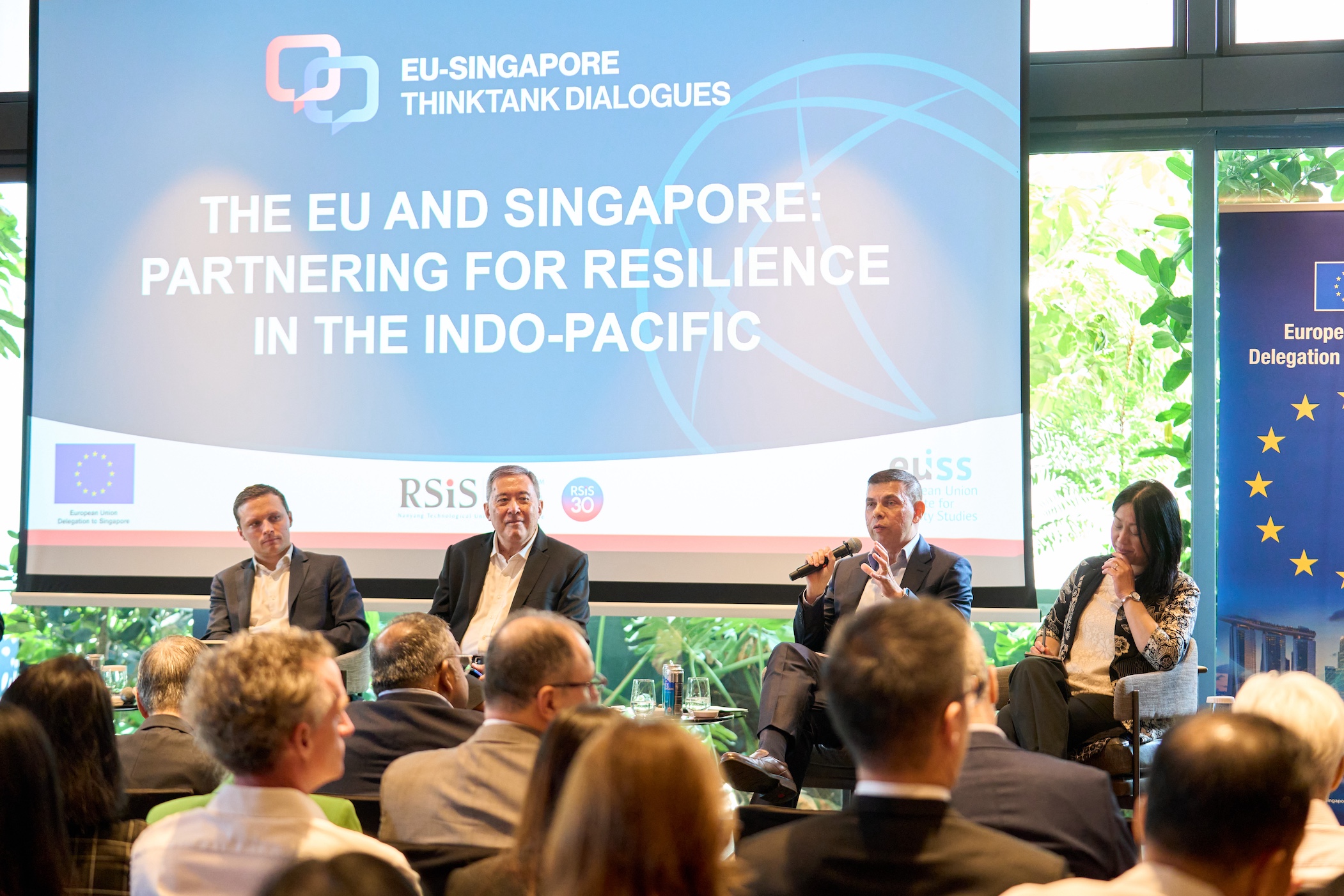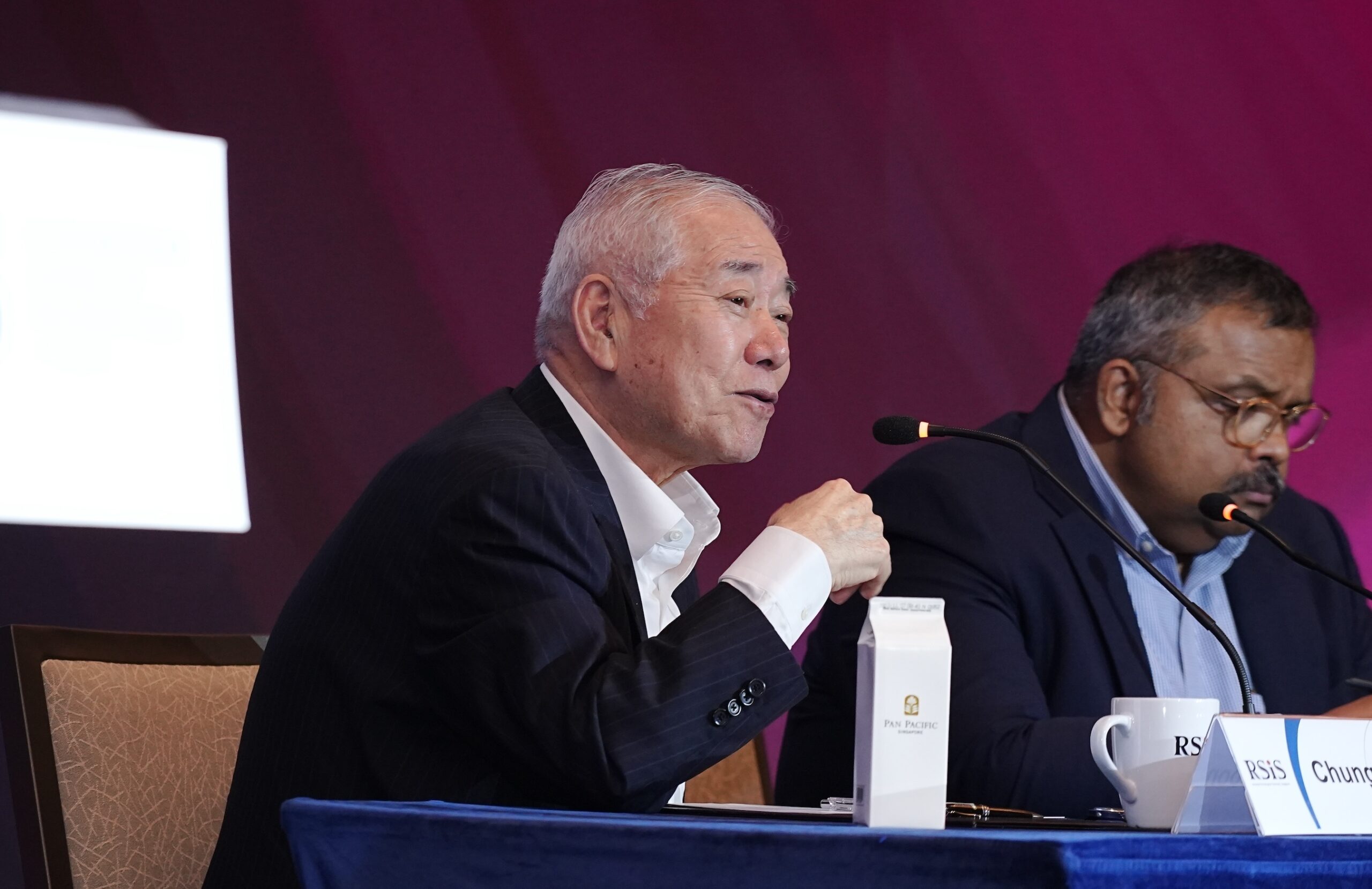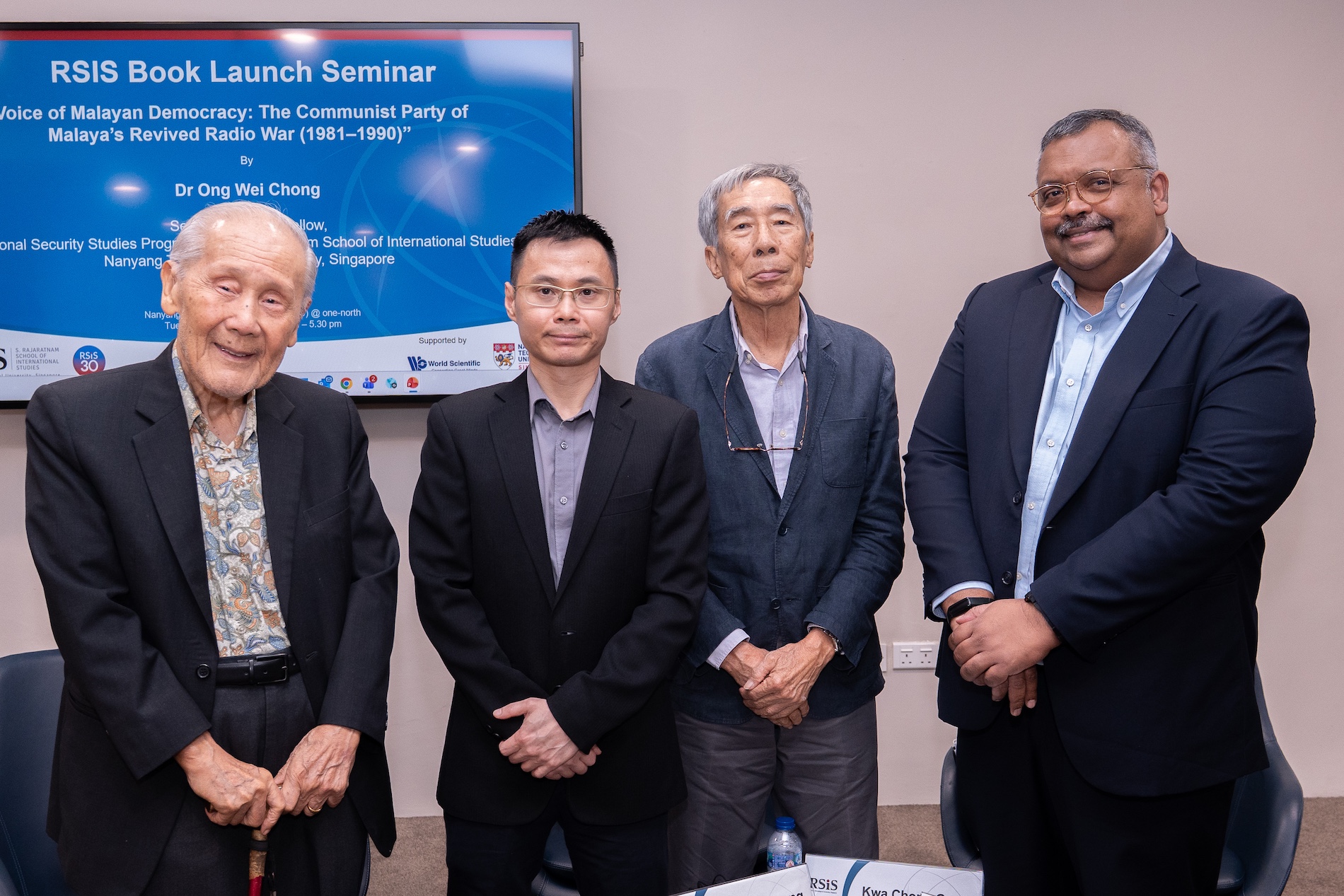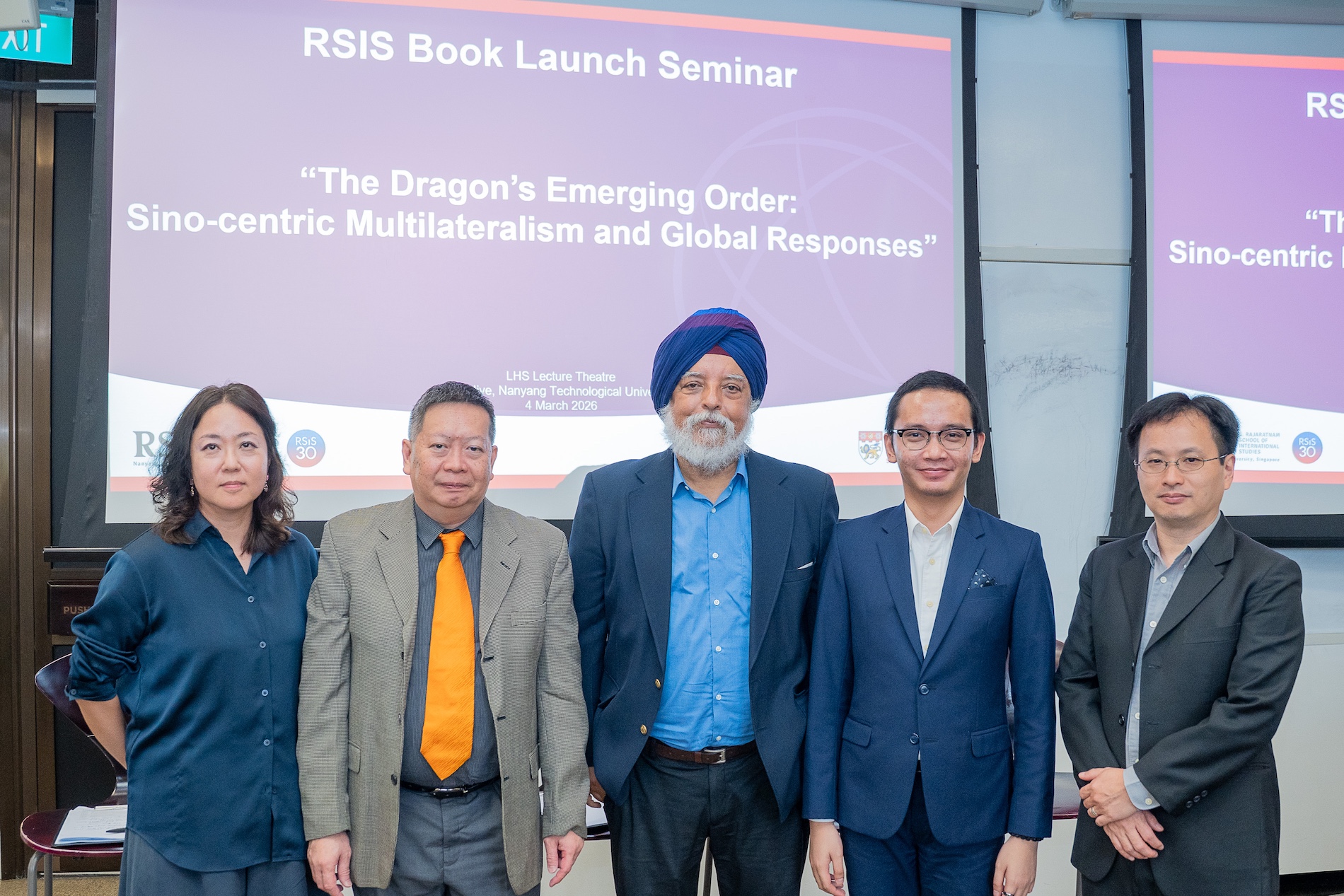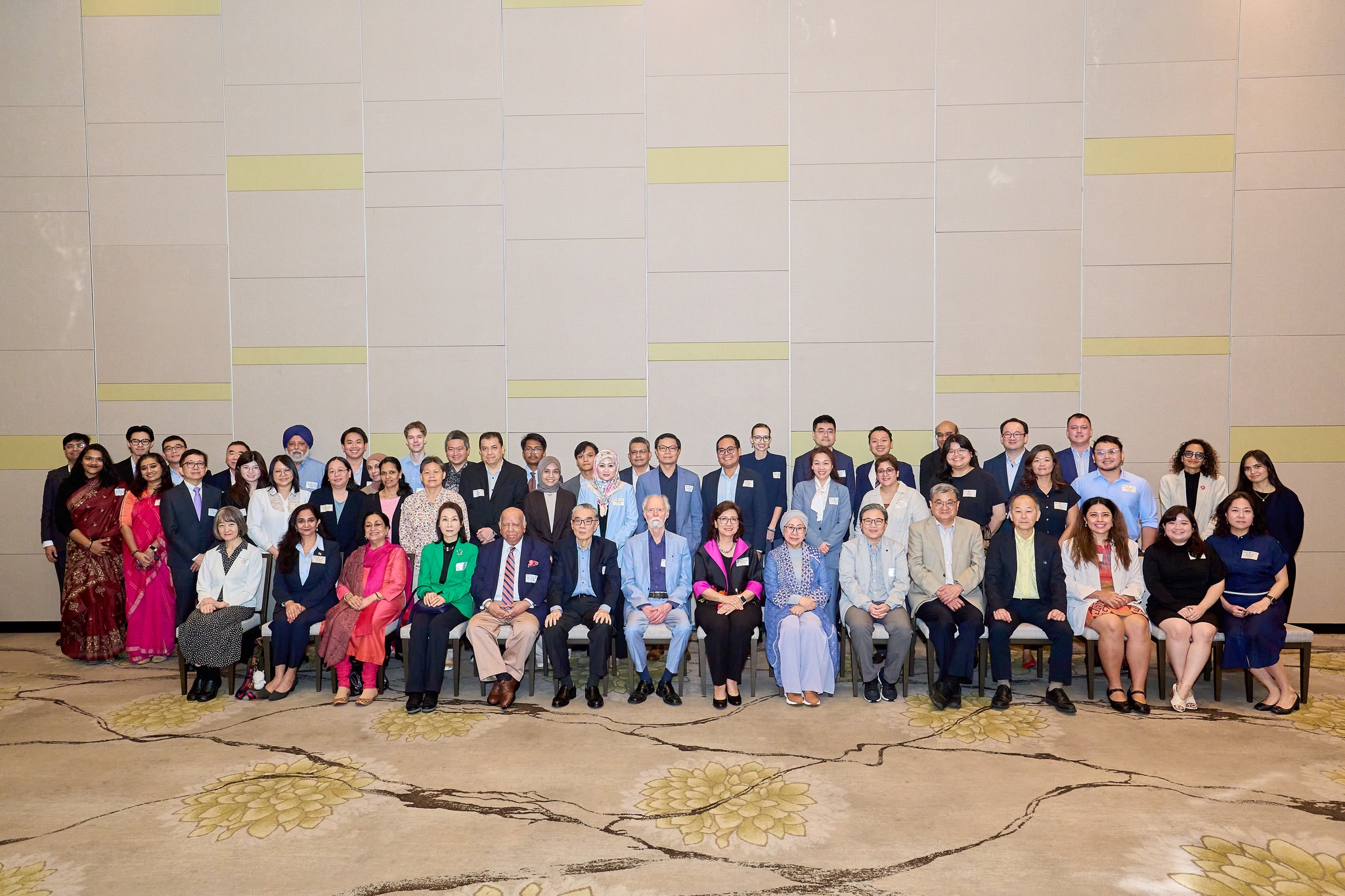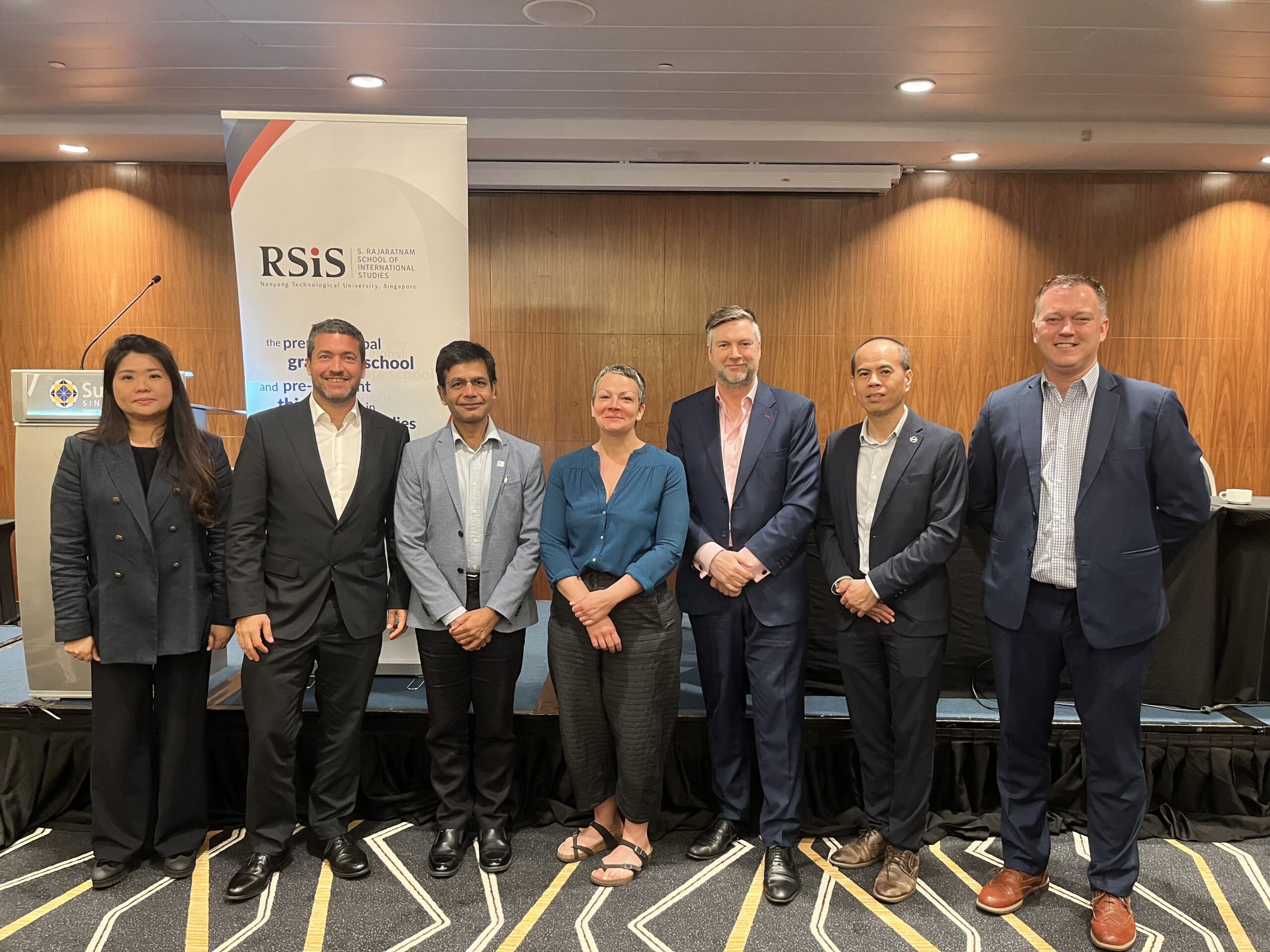



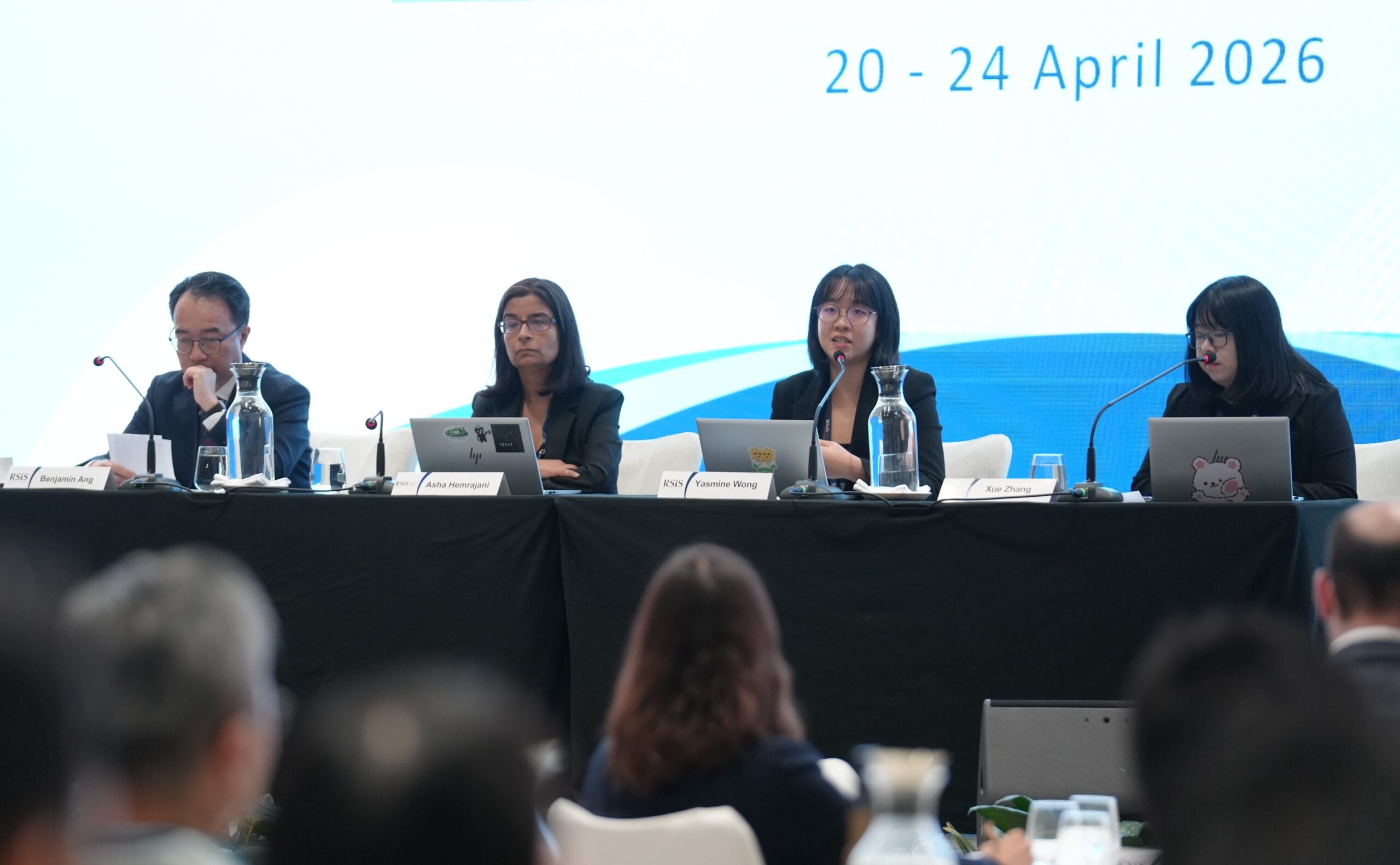
The rise in geopolitical competition, conflict, and climate change, among other issues, has rendered the global landscape increasingly volatile and difficult to manage. Countries across the globe are increasingly dealing with serious national security challenges such as weaponised interdependencies, foreign interference, economic insecurity, and energy issues. These challenges have the potential to undermine national resilience through their capacity to disrupt the operation of critical infrastructure, erode public trust, and deepen existing social divides. Given these circumstances, the Asia-Pacific Programme for Senior National Security Officers (APPSNO) 2026 was thus themed “Resilient Societies in a Fragmented World: National Security Beyond Borders”. It was held from 20 to 24 April and was organised by the Centre of Excellence for National Security (CENS), a constituent research unit of RSIS.
Serving as a platform for participants to discuss and understand how to navigate and wrangle these emergent challenges, more than 70 national security practitioners, experts, and scholars from 21 countries, including Singapore, the Asia-Pacific, North America, and Europe, gathered to discuss issues based on these broad themes:
- Geopolitical contestation and its implications on smaller states
- Weaponised interdependencies in energy, supply chains, and other critical points of vulnerability
- Hybrid threats in the misinformation age
- Climate change and security
- Safeguarding social cohesion against geopolitical contestations, polarisation and institutional erosion
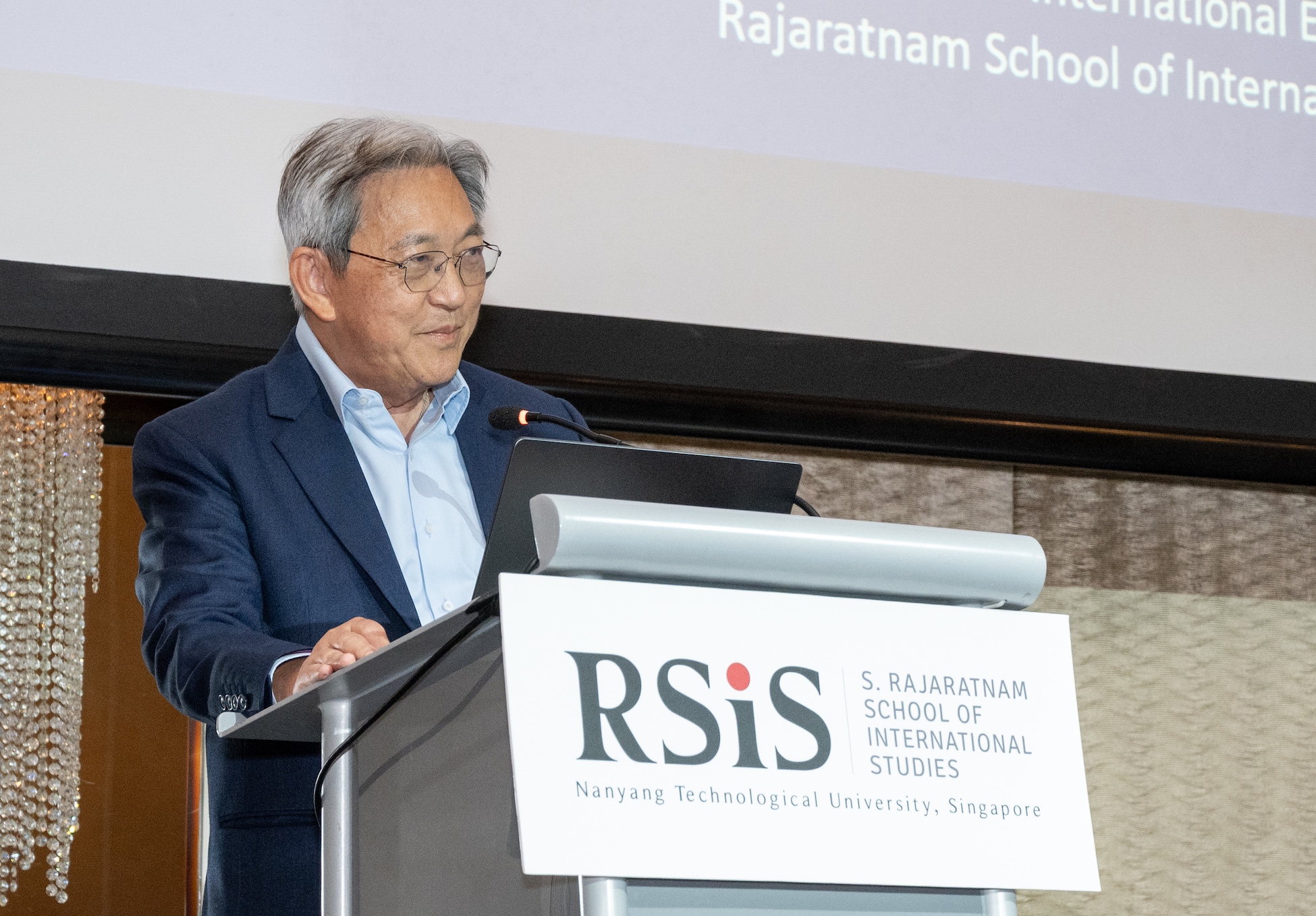
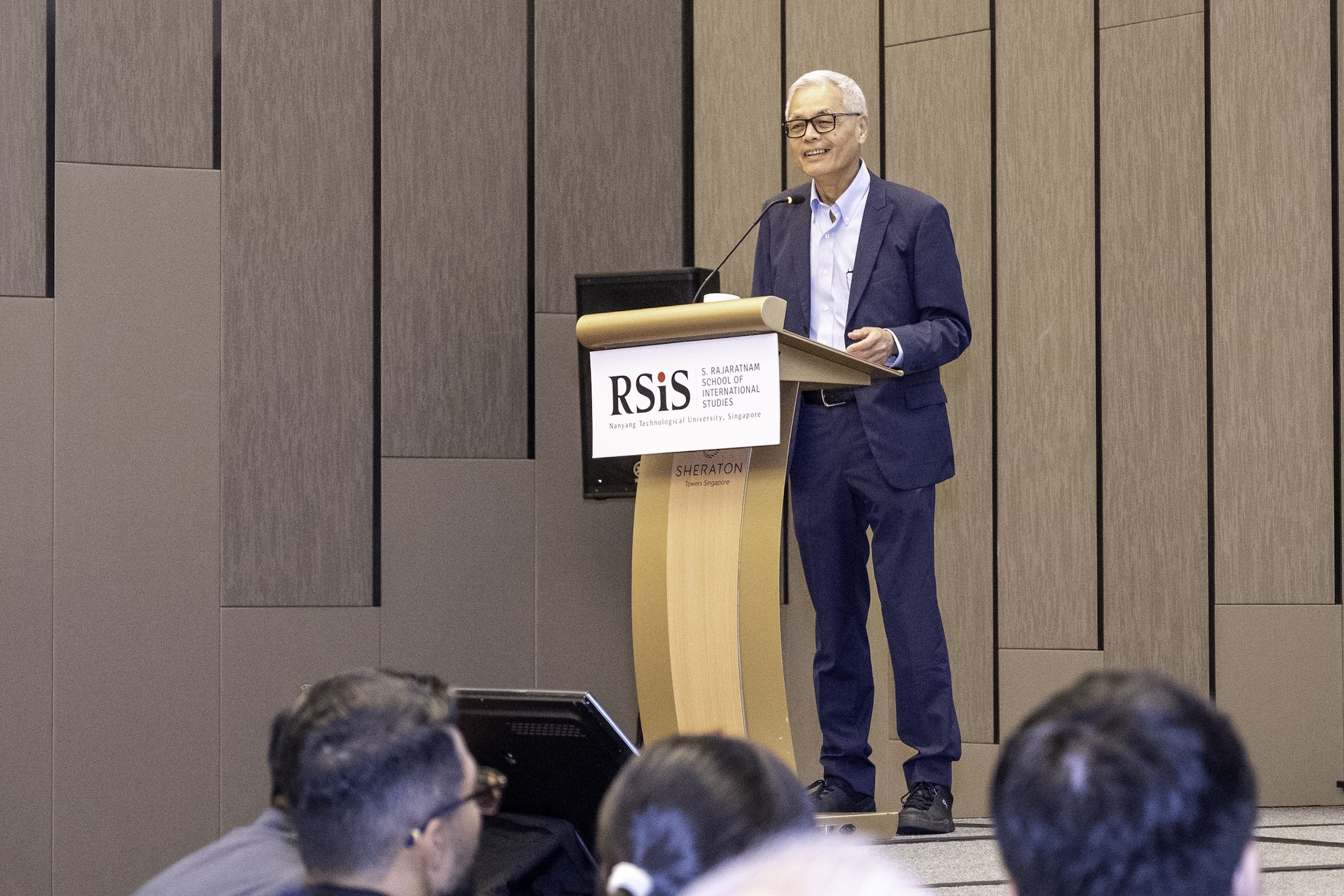
Dr Vivian Balakrishnan, Minister for Foreign Affairs, opened the programme, highlighting how domestic political discontent, the weaponisation of economic interdependence, and rapid technological advancements have expanded the scope of national security beyond traditional defence, requiring societies to build resilience through international cooperation and multi-agency coordination.
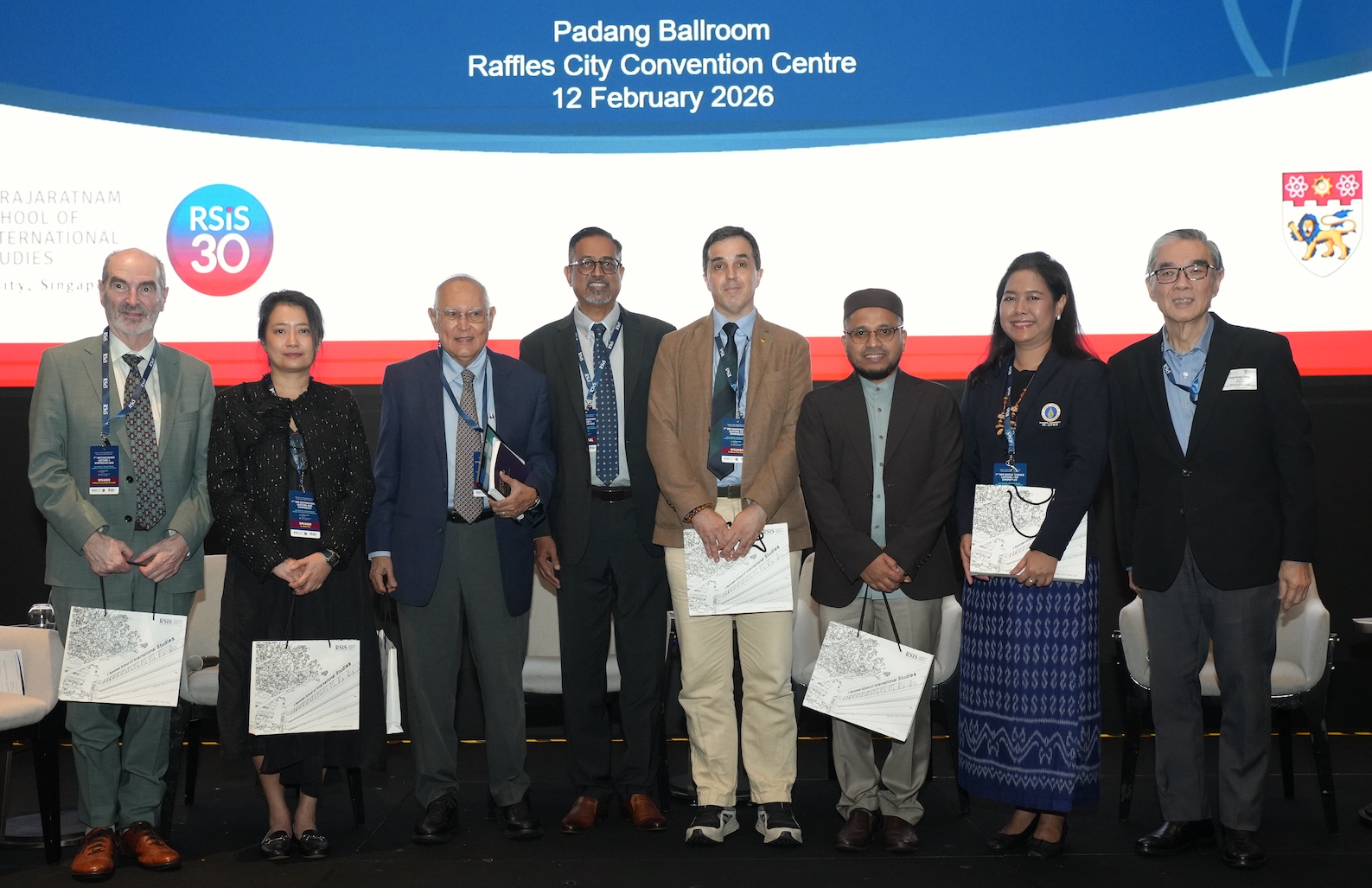
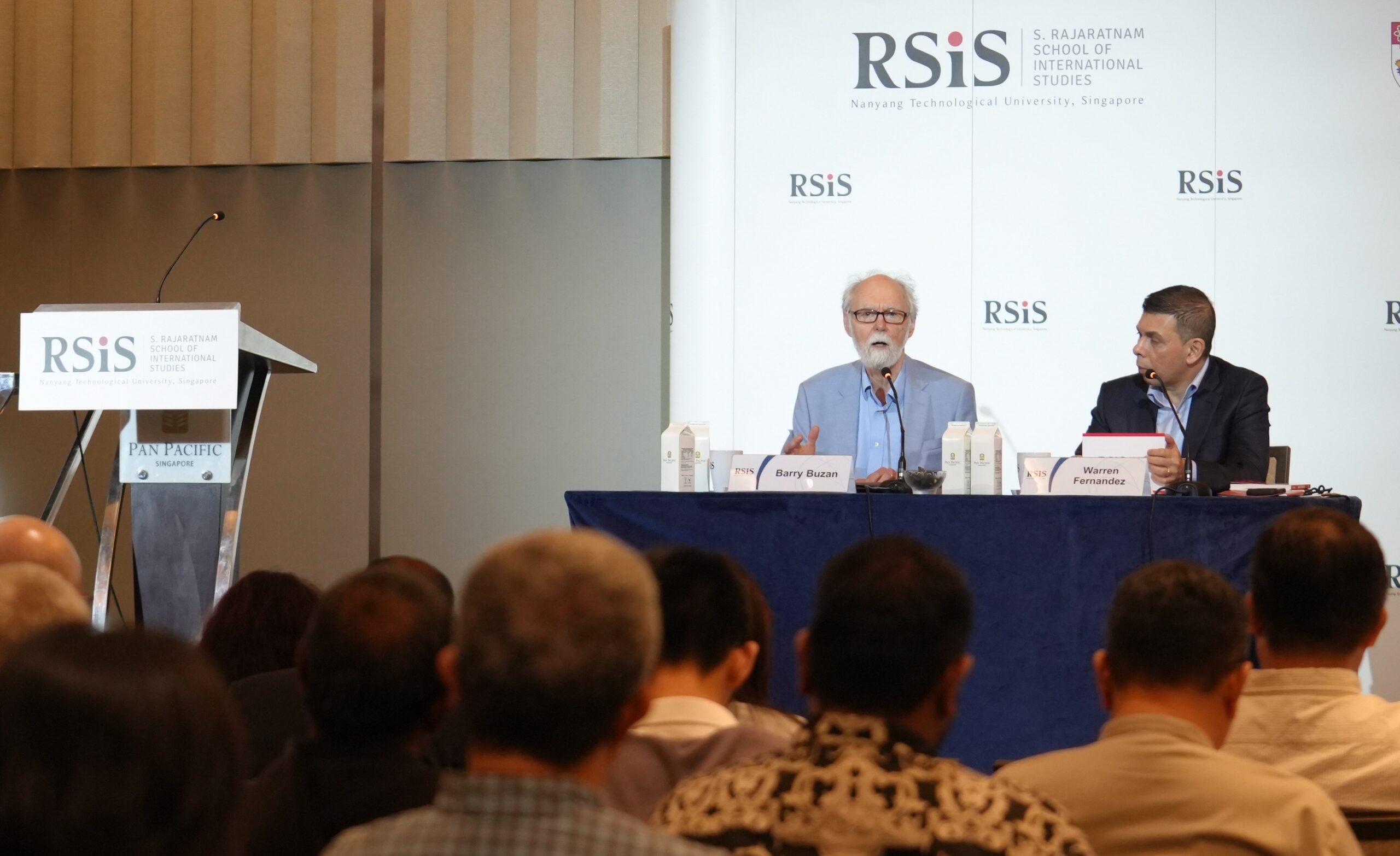
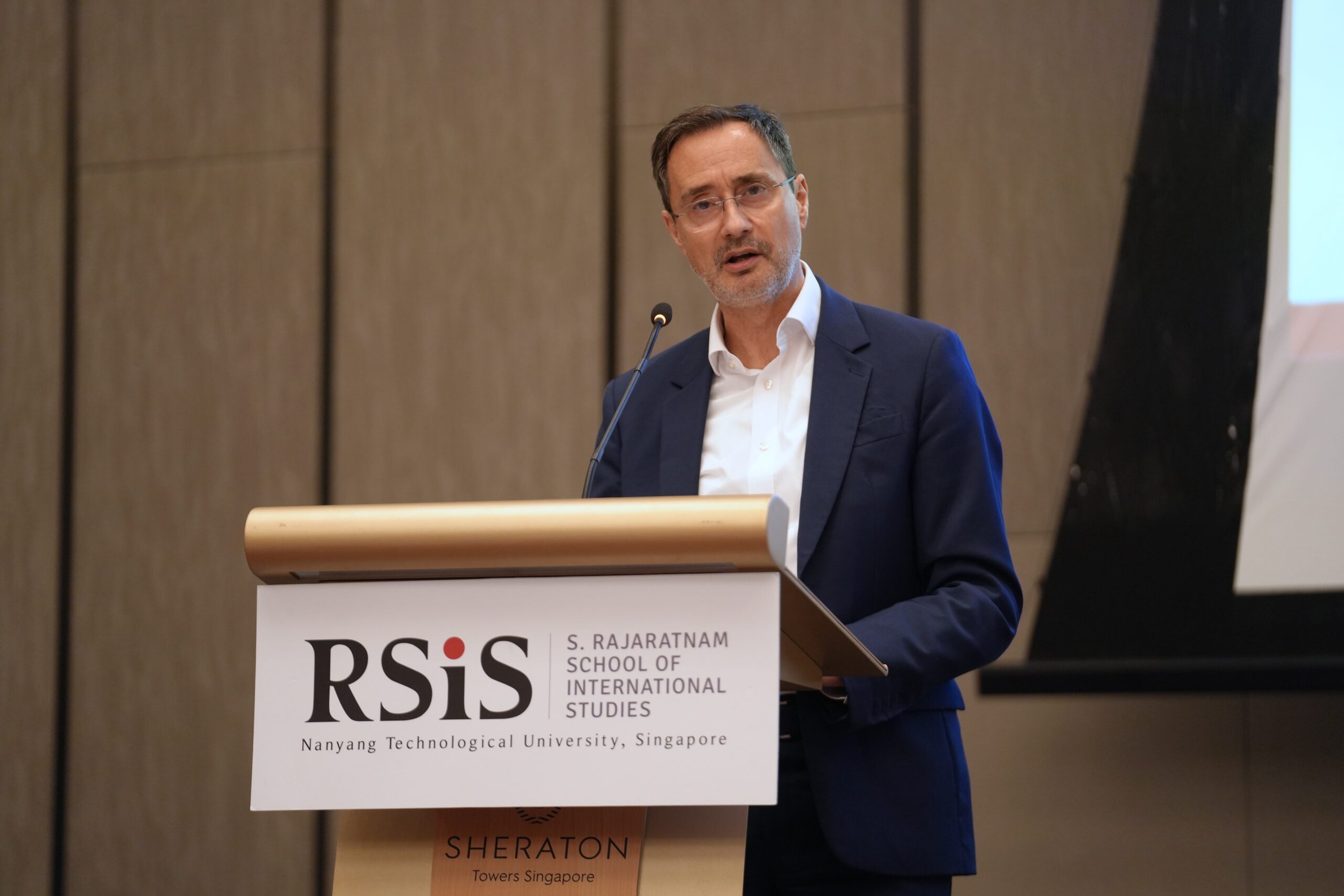
Across two keynotes and five intensive panel discussions, international and local speakers, including opening keynote speaker Mr Jeremy Clarke-Watson, Deputy Chief Executive, National Security and Resilience Group, Department of Prime Minister and Cabinet, New Zealand; and closing keynote speaker Dr Parag Khanna, Founder & CEO, AlphaGeo; were invited to provide perspectives on the theme and its various subtopics, drawing upon their respective professional experiences and expertise to drive fruitful discussions as to how the current slate of national security challenges and risks can be readily and effectively countered, mitigated, and managed.
Participants of the programme also actively engaged in a series of tabletop exercises, led and designed by CENS in collaboration with Dr Miguel Gomez, Senior Research Fellow at the Centre on Asia and Globalisation at the Lee Kuan Yew School of Public Policy (LKYSPP) in the National University of Singapore (NUS). Participants were provided with hypothetical scenarios, directly drawn from the issues discussed during the panels, and were tasked with crafting appropriate policy responses to these scenarios. Through the innovative use of the Discord messaging application, participants were also able to simulate bilateral and multilateral negotiations between countries as they navigated the various scenarios.
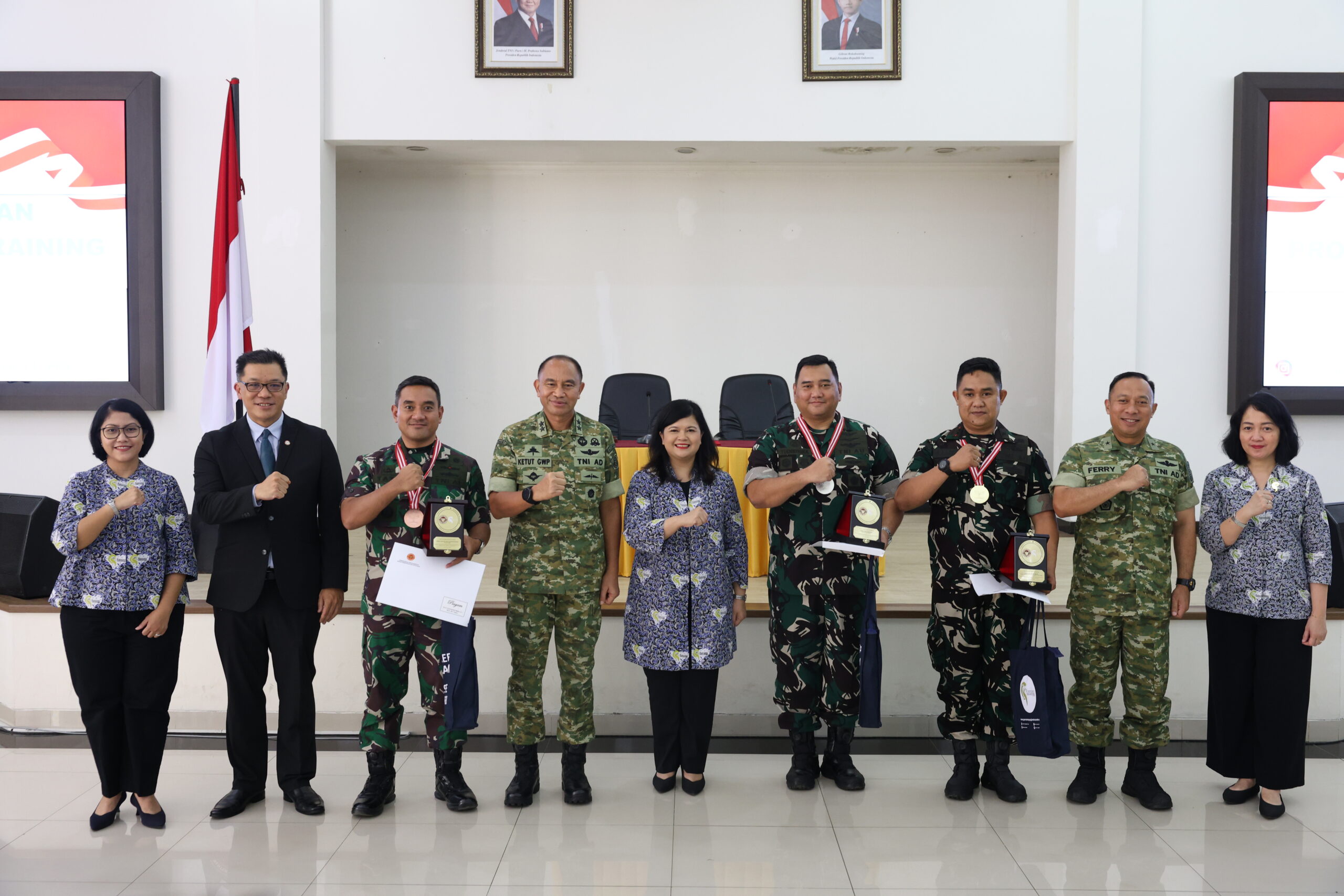
The programme concluded with a certificate presentation ceremony and closing dinner hosted by Professor Kumar Ramakrishna, Dean, RSIS. Participants and speakers alike concurred that APPSNO 2026 was a fruitful and insightful experience that allowed all parties to walk away with valuable new knowledge and perspectives on the national security issues that pervade our world today.