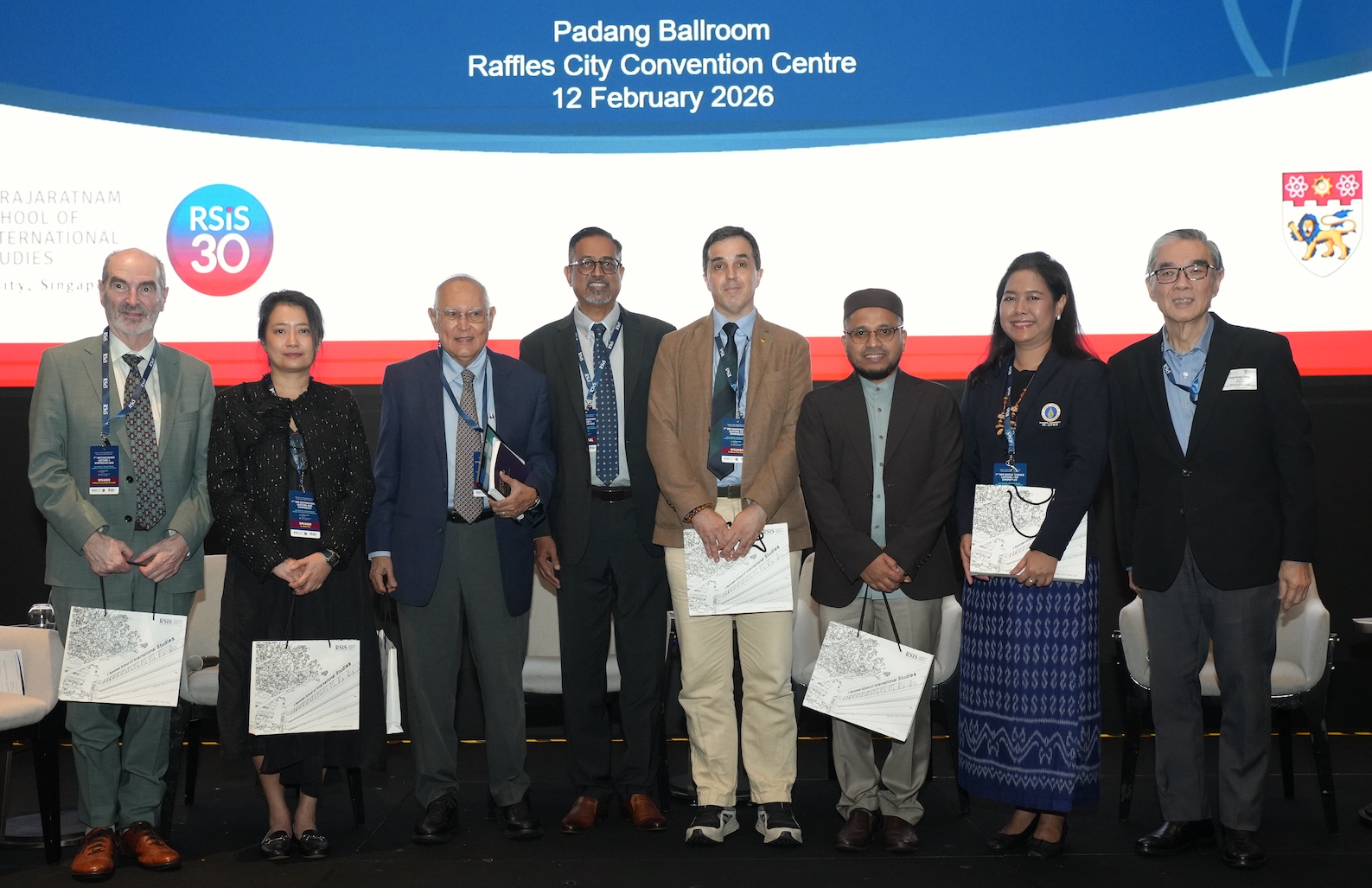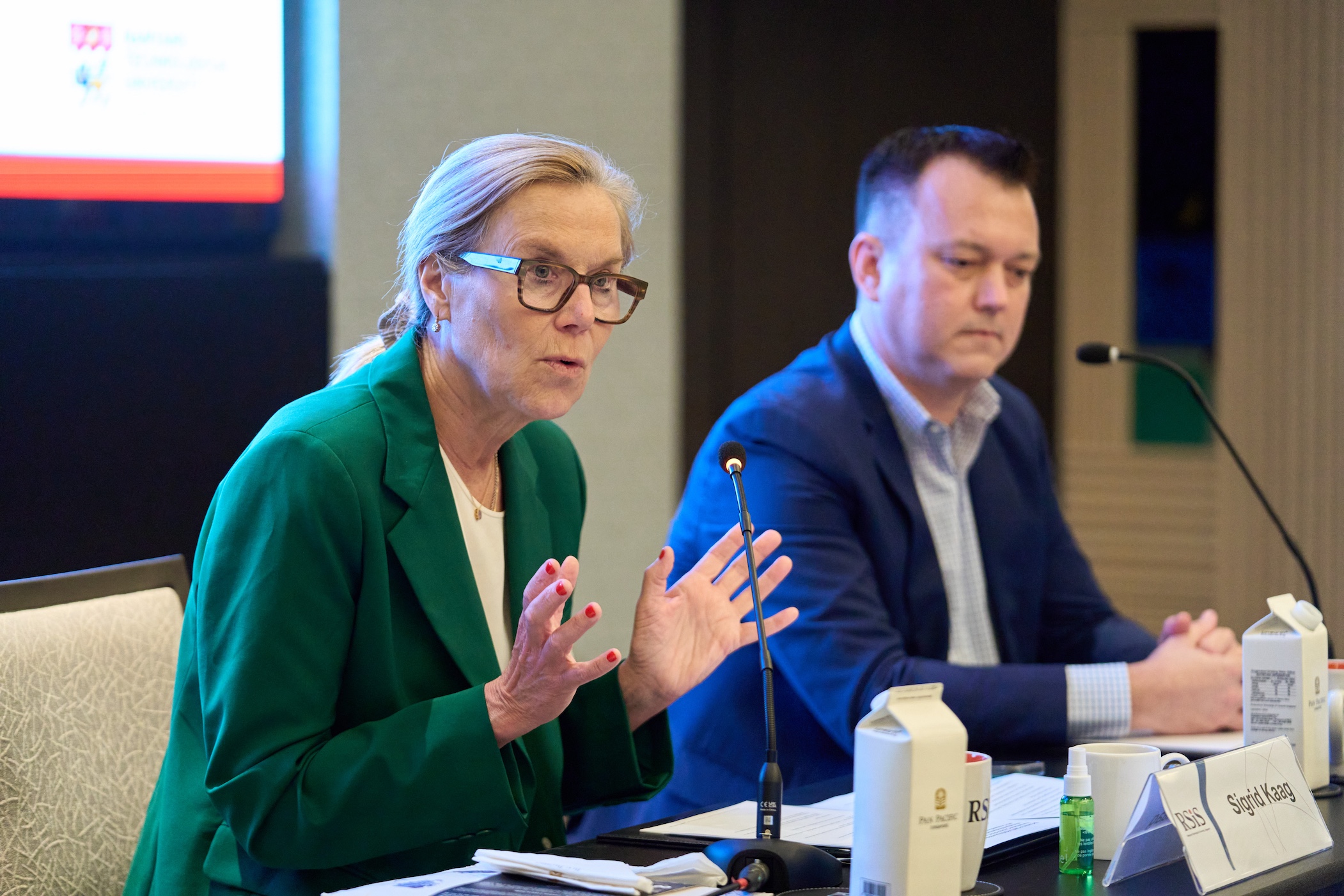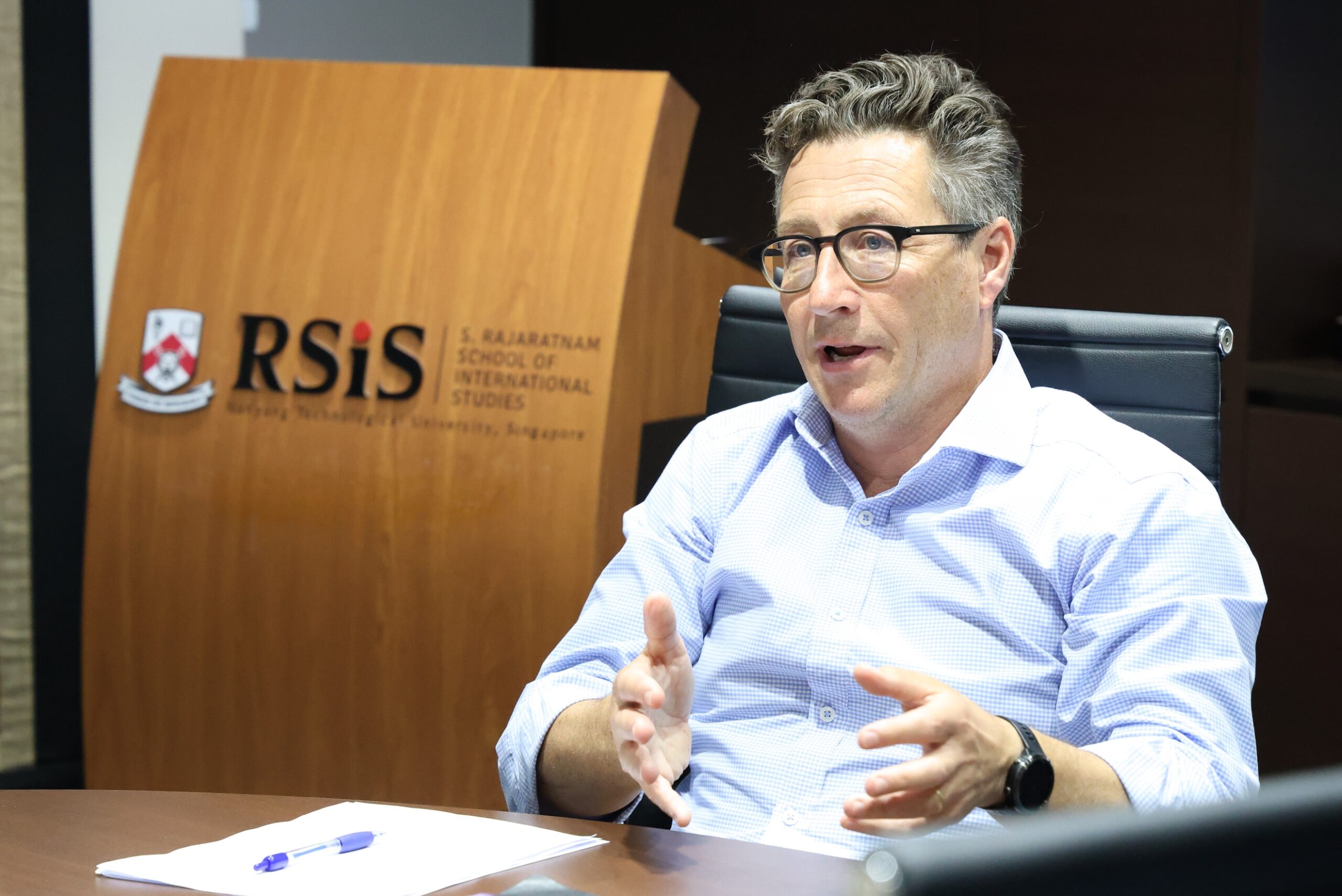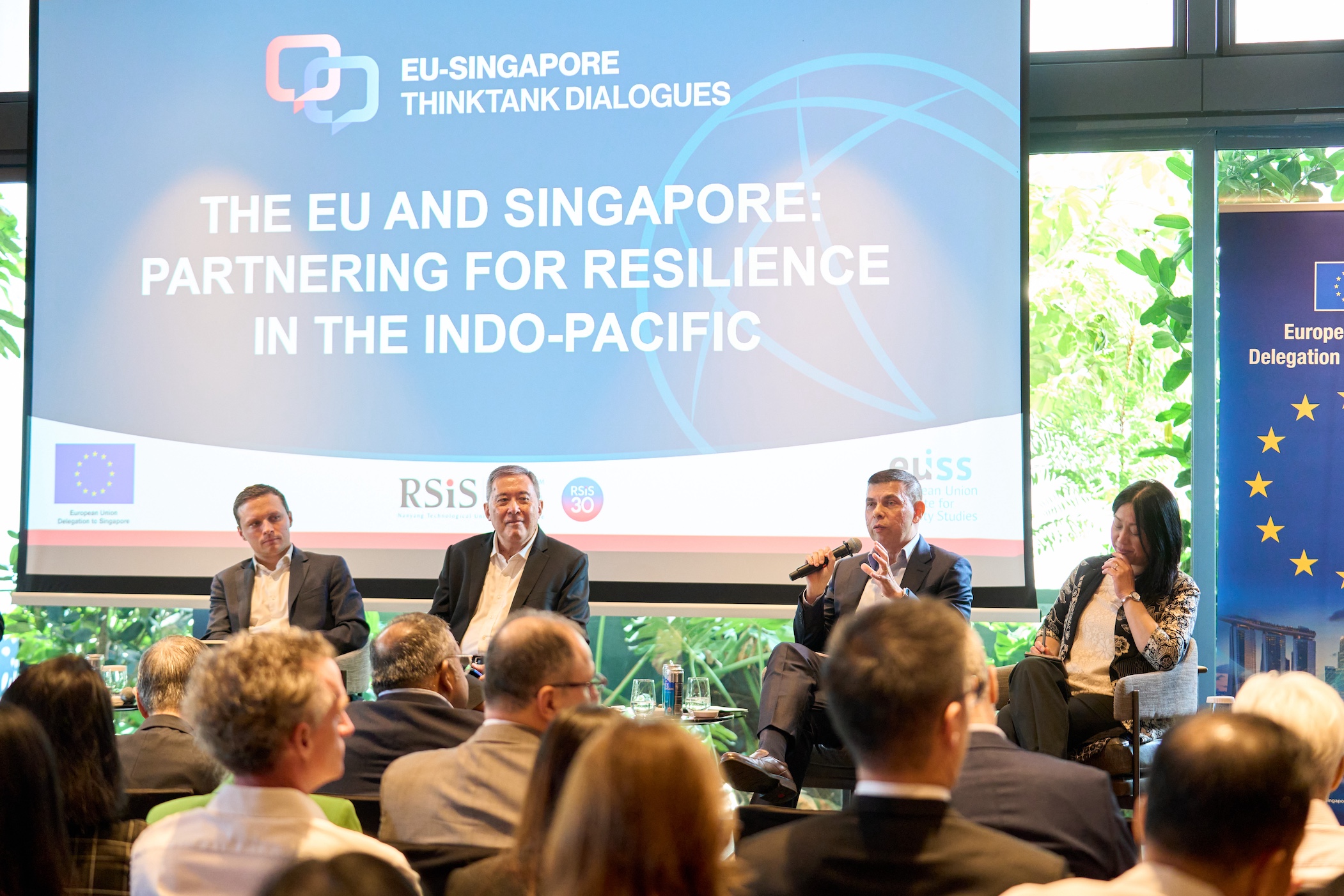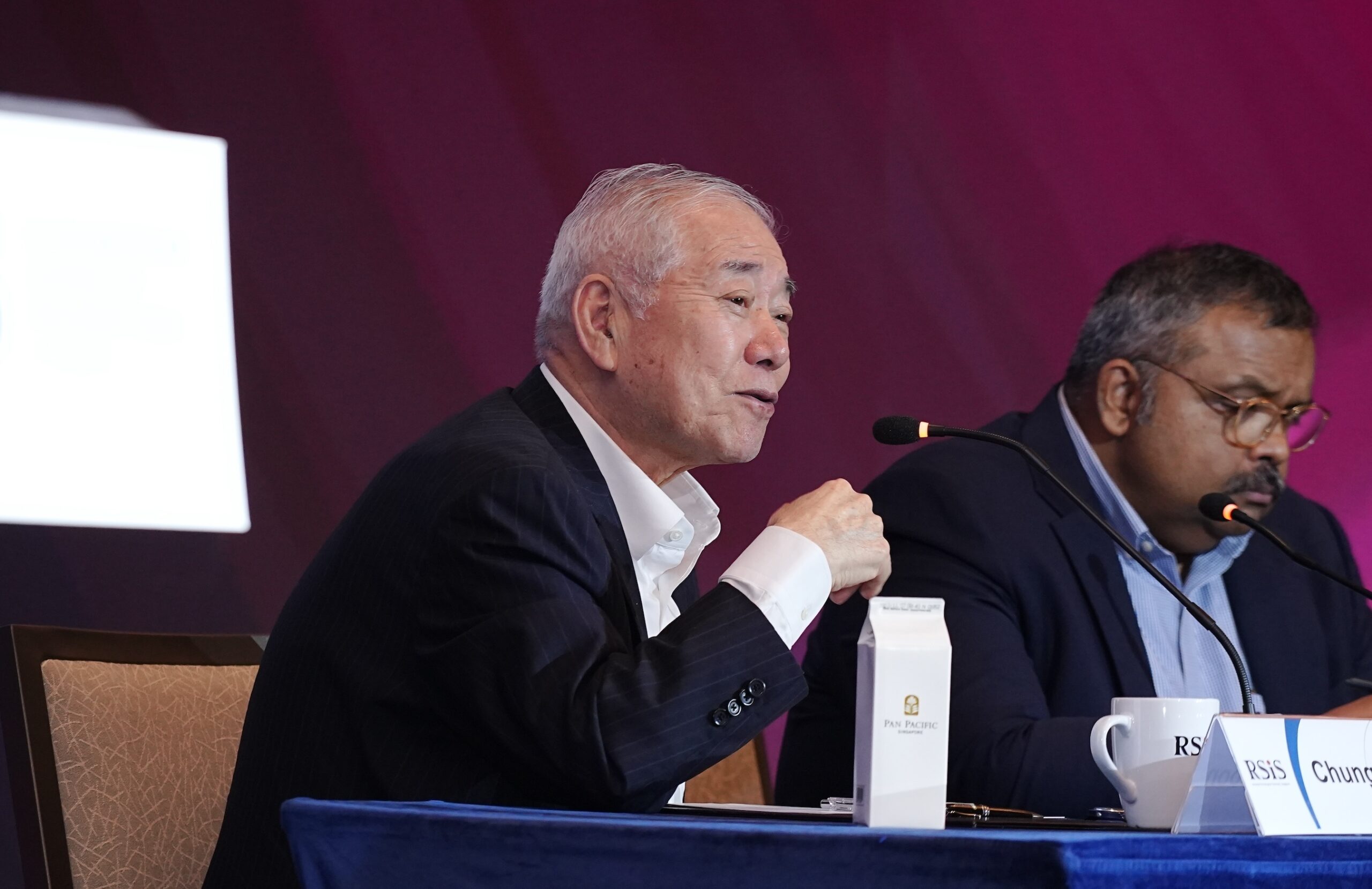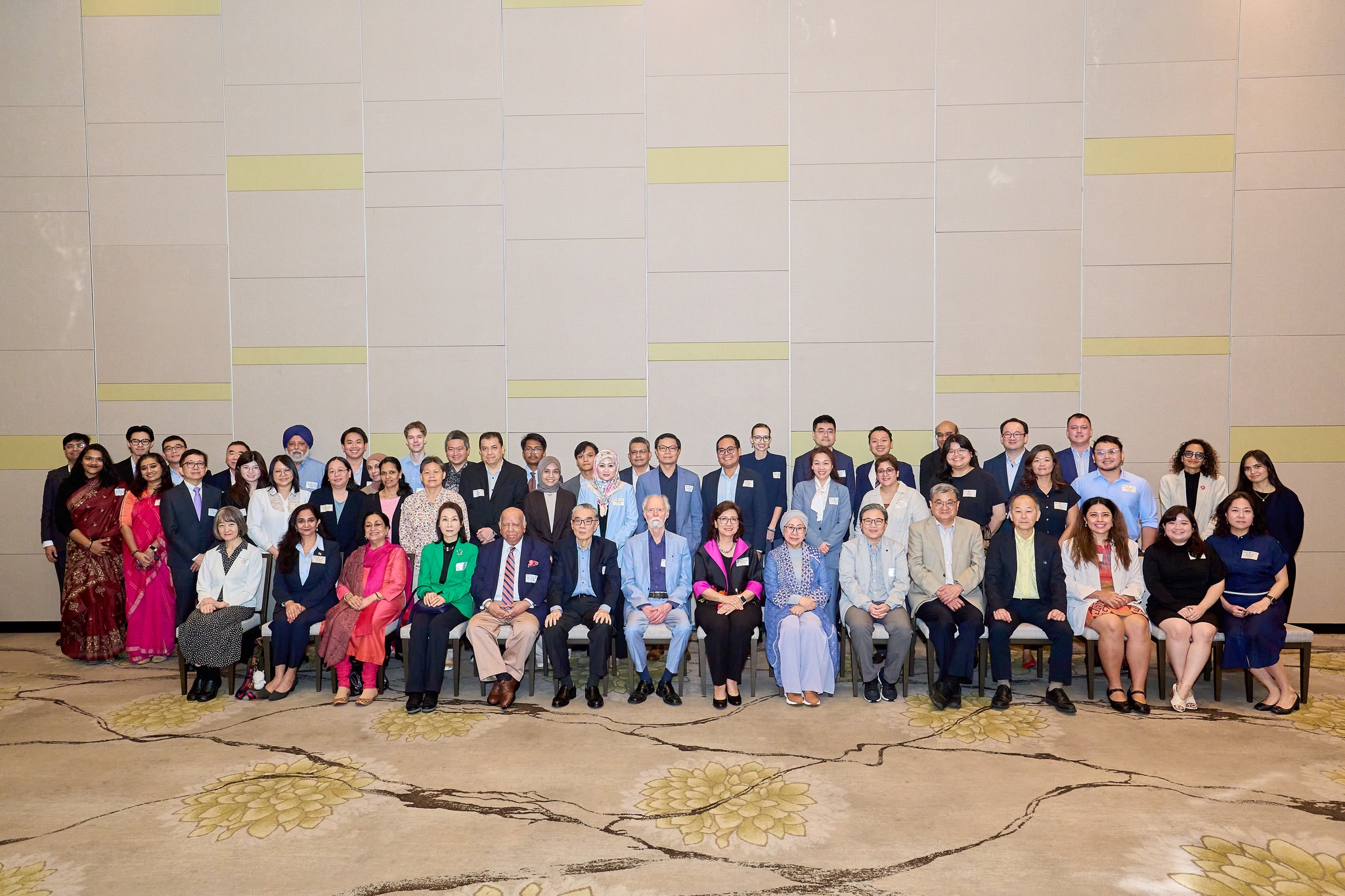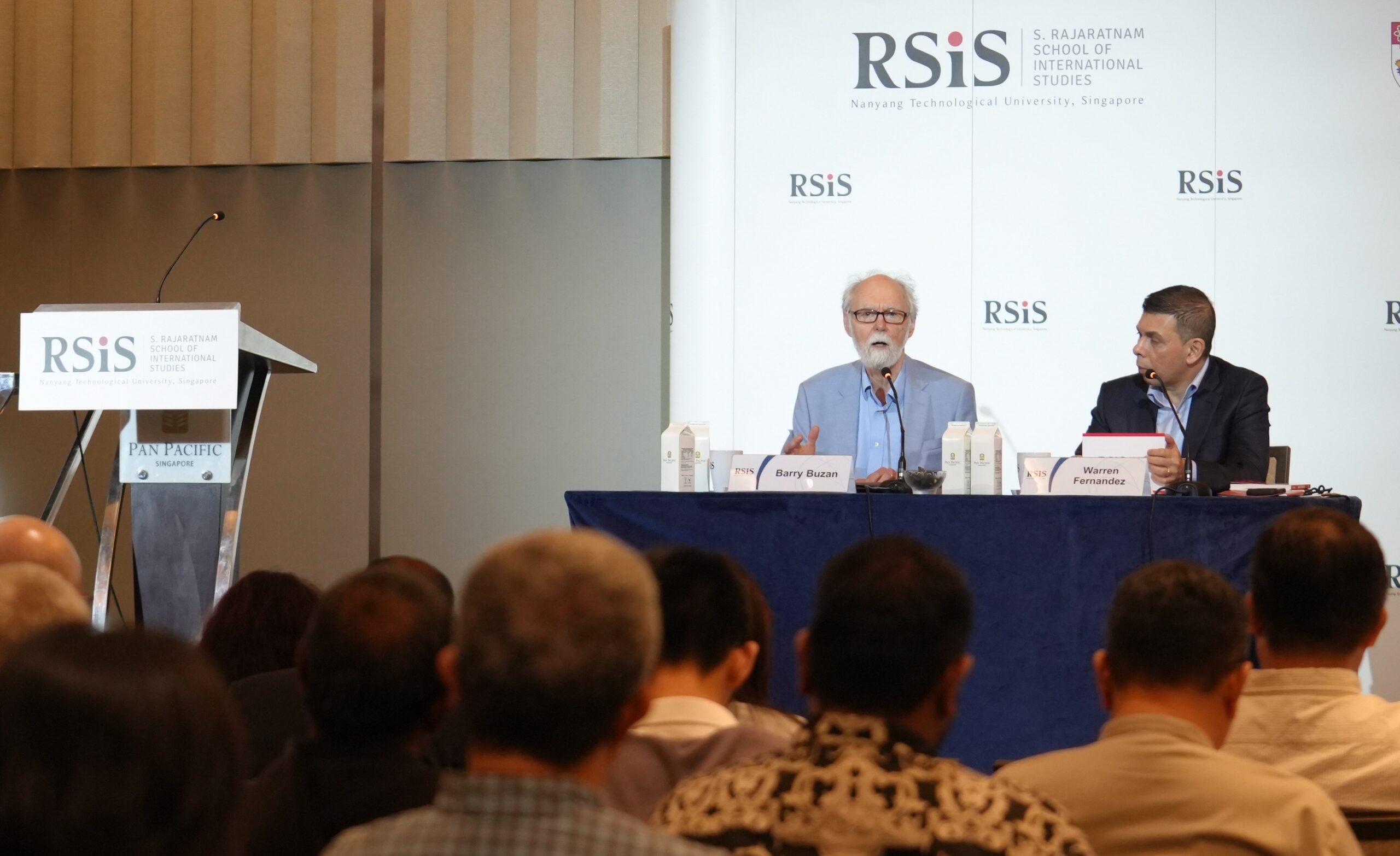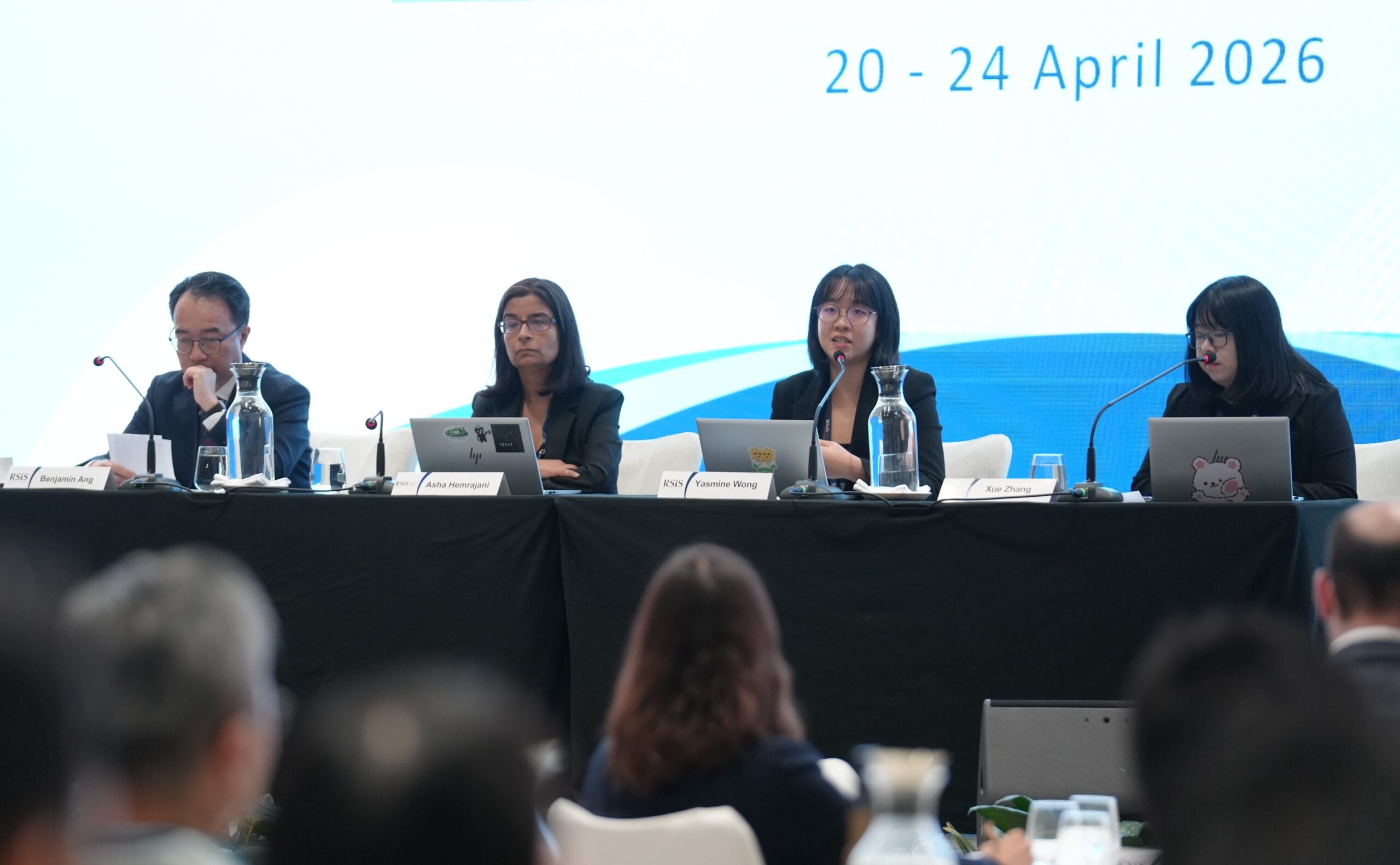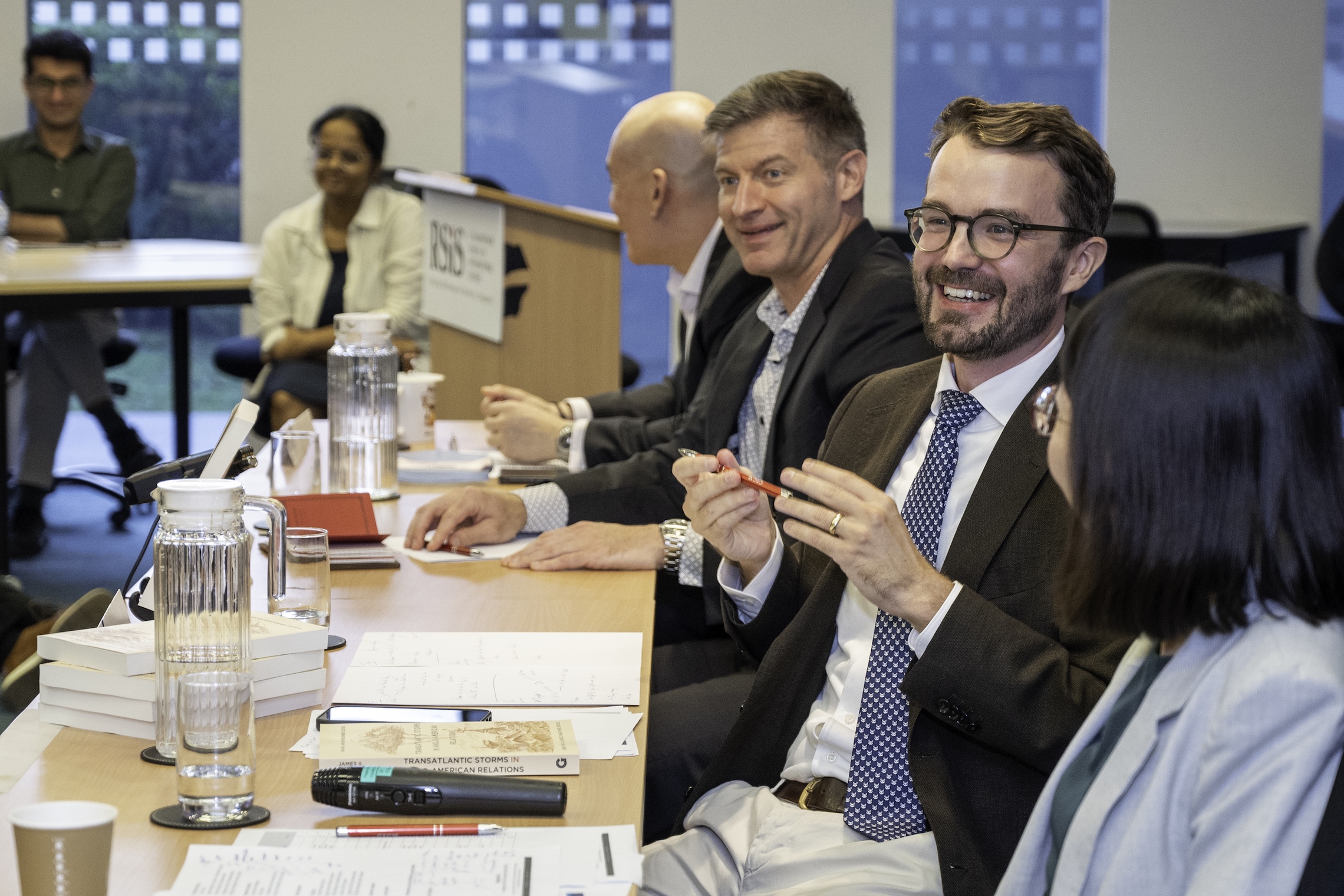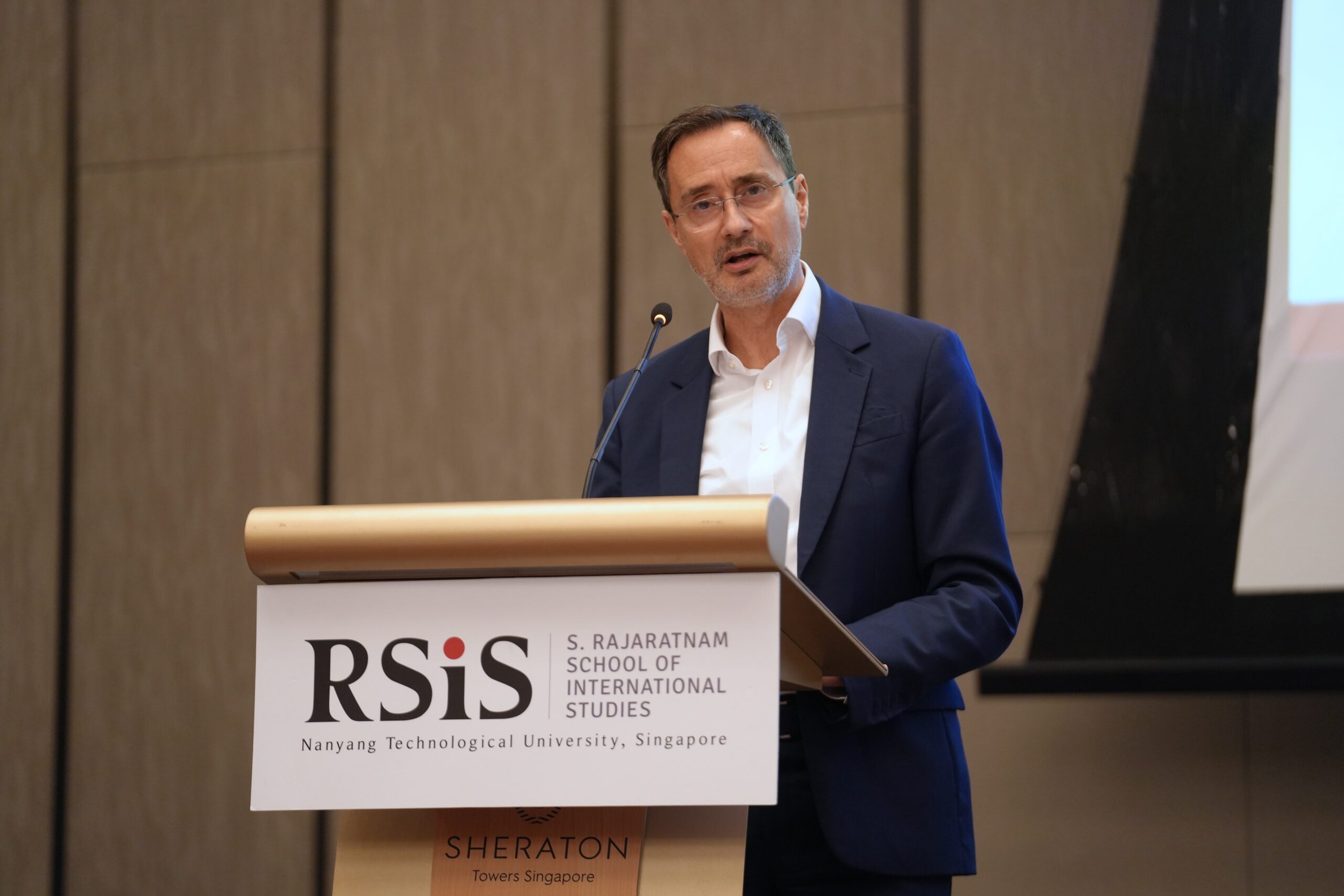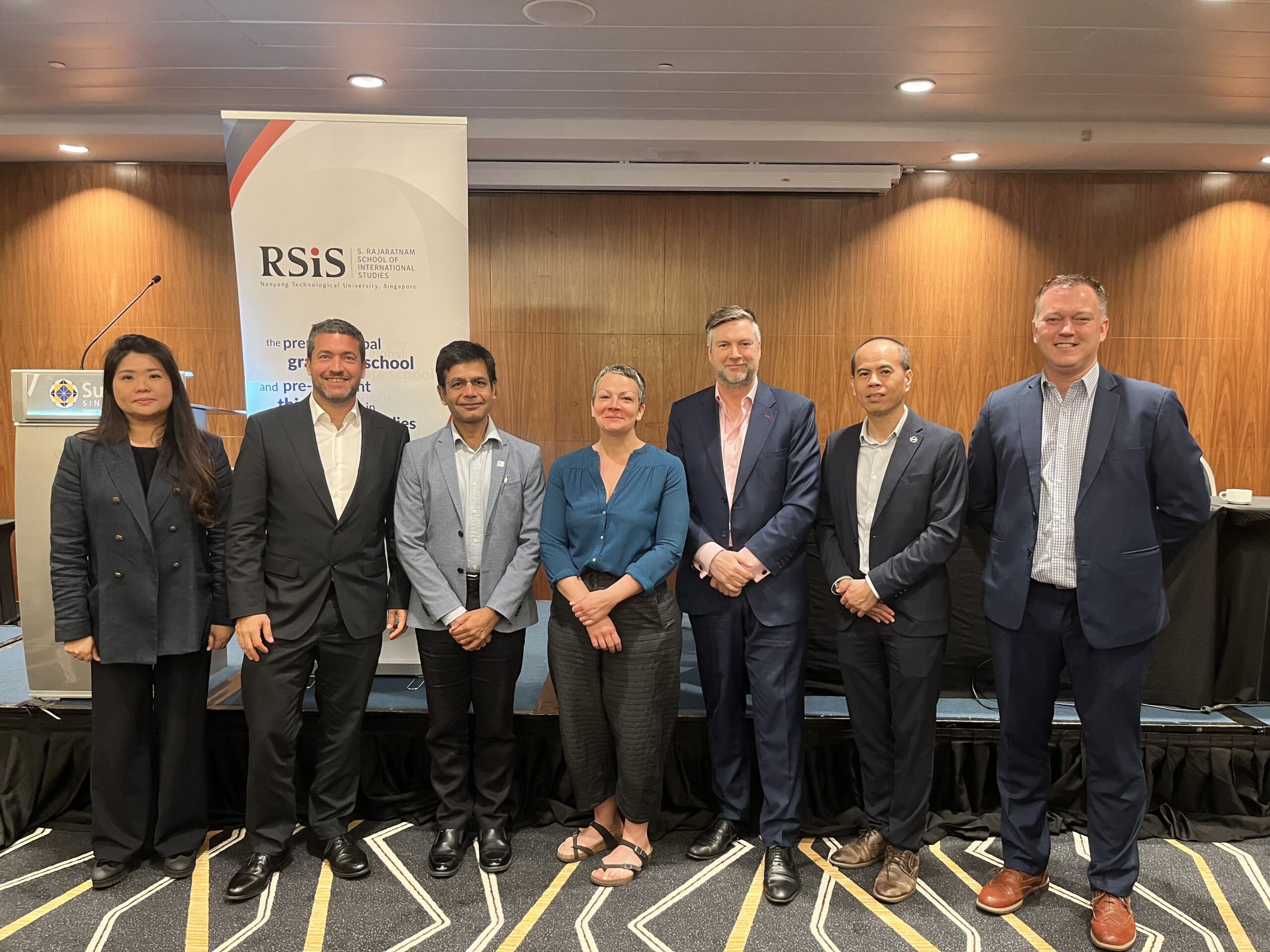
Held on 23 April 2026, the FHAS-RSIS Roundtable was held at Singapore Maritime Week with the theme “Safeguarding Lives at Sea: What’s the Role for the Shipping Sector”. Moderated by Mr Richard Watts, Co-Founder of the Foundation for Humanitarian Action at Sea (FHAS), the roundtable brought together four experts in the field: Dr Caroline Abu Sa’Da, Co-Founder and Director of FHAS; Mr Joy Singhal, Regional Head, Health, Disasters, Climate and Crisis, Asia-Pacific, International Federation of Red Cross and Red Crescent Societies (IFRC); Mr Ray Lee Tong Chok, Security Manager at Hafnia; as well as Mr Toby Stephens, Head of Shipping Asia at HFW Singapore.
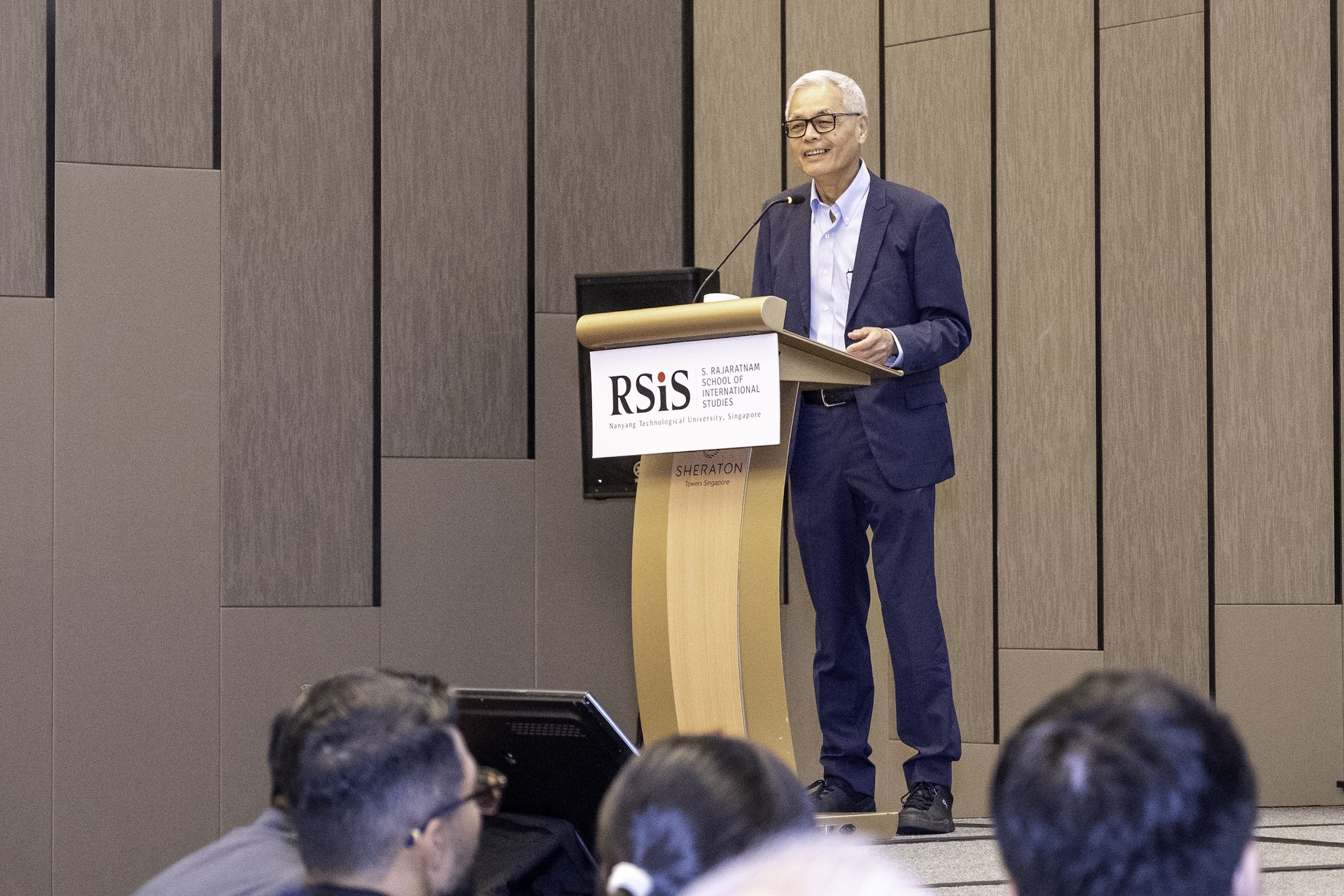
Dr Alistair D. B Cook, Senior Fellow and Coordinator of the HADR Programme at RSIS, delivered the Introductory Remarks. In his remarks, Dr Cook provided a snapshot of realities on the grounding, providing context for the discussion ahead. He emphasised the deadly reality of sea crossings in South and Southeast Asia with nearly 900 Rohingya were reported dead or missing in the Andaman Sea and Bay of Bengal in 2025 alone.
Next, Mr Ray Lee Tong Chok started the roundtable by highlighting the realities of rescuing people at sea for private sector vessels. He mentioned the need to consider the on-board capacity of the vessel including number of crew, crowd control capabilities, food provisions, the allocation of space, and a port which is willing to accept them – all of which affect rescue operations. Dr Caroline Abu Sa’Da noted that migrants embark in unsafe vessels despite extreme risks, underscoring the urgency despite operational difficulties. She also highlighted the lack of data on the numbers and procedures of sea rescues at sea available, primarily as a result of the confusion on the definition of a rescue operation.
Mr Toby Stephens then expanded on the legal elements that may complicate rescue at sea operations. This includes the liabilities surrounding cost of delay, disembarkation location and importantly, the criminal liability of the crew and/or ship owner as a result of local laws. Mr Joy Singhal rounded off the discussion by emphasising the human element of rescues at sea, the need to save lives. He also highlighted the need for actors to focus on the prevention of the root causes of such dangerous travel, including a lack of funding for humanitarian needs and lack of information of other options.
This seminar concluded with a Q&A session. Questions from the attendees included the role of the flag state in the laws surrounding such rescues at sea, who bears the financial cost of a rescue, as well as the likelihood of rescues being concentrated in specific geographical areas and if that may impact the way ships travel.